Fernweh: Home
    ExploreTravel GuidesPlan a tripMy tripLast visited
    de|en
    All Places & RegionsAll highlightsAbout FernwehFAQPrivacy PolicyImprint
    ExploreTravel GuidesPlan a tripMy tripLast visited
    • Overview
    • Places in the region
    • Eat & drink
    • Food culture
    • Culture
    • Getting around
    • Round trips
    • Nearby
    Auvergne-Rhône-Alpes

    France

    Auvergne-Rhône-Alpes

    Region

    The Auvergne-Rhône-Alpes region in eastern and central France stretches from the peaks of the Alps through the volcanic landscapes of the Auvergne to the major city of Lyon.

    by Felix Gillen

    1. Home
    2. Destinations
    3. France
    4. Auvergne-Rhône-Alpes
    The Auvergne-Rhône-Alpes region in eastern and central France stretches from the peaks of the Alps through the volcanic landscapes of the Auvergne to the major city of Lyon. It is a destination for mountain sports, hiking, culture, and good food and boasts several UNESCO World Heritage Sites, including Lyon's Old Town and the Chaîne des Puys.
    The Auvergne-Rhône-Alpes region offers remarkable scenic and cultural diversity, stretching from the majestic peaks of the Alps to the extinct volcanoes of the Auvergne. Here you'll find the UNESCO World Heritage city of Lyon, known for its Roman history, the Renaissance architecture of Vieux Lyon, and its outstanding gastronomy with traditional Bouchons. Further west, the Chaîne des Puys, a chain of extinct volcanoes, shapes the landscape, while Annecy captivates with its crystal-clear lake and charming old town. Historically a crossroads, the region is now a hub for alpine sports and culinary discoveries, from regional cheese specialties to wines. For city explorations in Lyon, spring or autumn are particularly suitable to avoid the summer crowds. A visit to the Parc Naturel Régional des Volcans d'Auvergne also offers impressive hiking trails and panoramic views.
    Salers

    Place 1 of 4

    Salers

    Salers, at an altitude of around 950 metres in the green highlands of Cantal in Auvergne, is one of the 'Plus Beaux Villages de France'.

    Discover
    Puy de Dôme

    Place 2 of 4

    Puy de Dôme

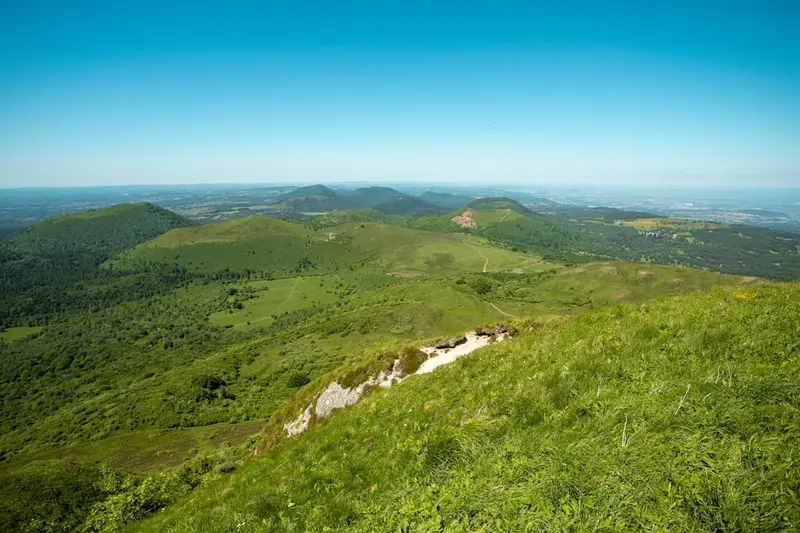
    At 1465 meters, the Puy de Dôme is the highest volcano of the Chaîne des Puys, a World Heritage site since 2018 as part of “Chaîne des Puys – Faille de Limagne”. You can reach the summit on foot or by the Panoramique des Dômes rack railway.

    Discover
    Megève

    Place 3 of 4

    Megève

    Megève is a ski resort in Haute-Savoie with the appearance of a Savoyard village. It has a large ski area, many upscale accommodations, and a largely car-free village centre with cobblestone alleys, boutiques, and cafés.

    Discover
    Vallon-Pont-d’Arc

    Place 4 of 4

    Vallon-Pont-d’Arc

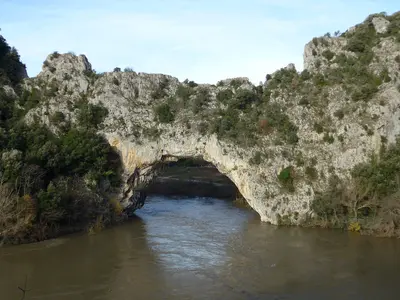
    Vallon-Pont-d’Arc is a village in the southern Ardèche and the main starting point for the Ardèche Gorges.

    Discover

    More places in Auvergne-Rhône-Alpes

    Col de l'Iseran

    Col de l'Iseran

    The Col de l'Iseran in Savoie is, at 2,764 meters (the sign at the pass summit reads 2,770 meters), the highest paved mountain pass in the Alps. It connects the Tarentaise with the Maurienne and leads through a stark high-alpine landscape on the edge of the Vanoise National Park. It is a popular destination for cyclists.
    Lac du Bourget

    Lac du Bourget

    The Lac du Bourget in Savoy is France's largest natural lake. It spans about 18 kilometers between the Jura and Alpine foothills. On its east bank is the spa town of Aix-les-Bains, known as the "Riviera des Alpes"; on the west bank, the Abbey of Hautecombe. Swimming, sailing, cycling, and hiking feature prominently.
    Lac Chambon

    Lac Chambon

    The **Lac Chambon** is located at the foot of the Massif du Sancy in Auvergne and is of volcanic origin: A lava flow from the Tartaret volcano once dammed the Couze valley. With its bathing beaches, lakeside path, and the visible Murol castle, it is a popular destination for families, hikers, and water sports enthusiasts.
    Annecy

    Annecy

    Annecy, often called the 'Venice of the Alps', captivates with its medieval Old Town and the clear Lac d'Annecy. The Vieille Ville is characterized by winding alleys, pastel-colored houses, and the canals of the Thiou River. The striking Palais de l'Isle, a former prison, is picturesquely situated in the middle of a canal and bears witness to the city's rich history. Perched above the rooftops is the Château d'Annecy, once a residence of Savoyard princes, which today houses a museum. Lac d'Annecy offers numerous leisure activities such as boat trips or swimming. To experience the atmosphere without large crowds, a visit in spring or autumn is recommended. Explore the local markets to sample regional cheeses and other specialties.
    Chamonix-Mont-Blanc

    Chamonix-Mont-Blanc

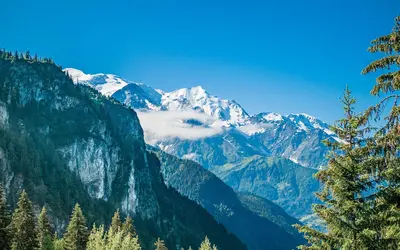
    Chamonix-Mont-Blanc lies at the foot of Mont Blanc in Haute-Savoie and is regarded as the cradle of alpinism. The town is an international centre for mountaineers, hikers and winter sports enthusiasts. The cable car up the Aiguille du Midi (3,842 metres) takes you into the heart of the Mont Blanc massif, and the rack railway to Montenvers takes you to the Mer de Glace, the largest glacier in France, with its ice cave carved anew every year. In the town centre, Savoyard architecture, Belle Époque hotels, outfitters and restaurants mix. The Musée Alpin shows the history of the opening up of the Alps. It is busiest in July and August and during the winter holidays in February; June, September and early winter are quieter. It is best to book tickets for the Aiguille du Midi online well in advance, ideally for one of the first rides in the morning.
    Clermont-Ferrand

    Clermont-Ferrand

    Clermont-Ferrand is the largest city in Auvergne and the gateway to the Chaîne des Puys, a chain of extinct volcanoes that is a UNESCO World Heritage site. The city is known for its Gothic cathedral built from dark lava stone and as the headquarters of tire manufacturer Michelin.
    Gorges de l'Ardèche

    Gorges de l'Ardèche

    The Gorges de l'Ardèche stretch for approximately 30 kilometers between Vallon-Pont-d'Arc and Saint-Martin-d'Ardèche, cutting through a limestone plateau in the south of the Ardèche. At the entrance stands the Pont d'Arc, a natural rock arch over the river. By canoe, you see the steep limestone cliffs up close; from the panoramic road D290, you look down into the gorge from above. Nearby lies the Grotte Chauvet 2 Ardèche, a replica of the Chauvet Cave with its Ice Age paintings. In spring and autumn, it's significantly less busy than in summer.
    Grenoble

    Grenoble

    Grenoble, nestled in the alpine panorama of the French Alps, is a dynamic city that blends science and nature. Ascend to the Bastille, a historic fortress high above the city, comfortably by cable car – the 'Bulles' – and enjoy expansive views of the Isère Valley and the surrounding mountain ranges. The charming Old Town (Vieux Grenoble), with its narrow streets, historic squares like Place Saint-André, and numerous cafés, invites you to linger. The renowned Musée de Grenoble houses an impressive collection of modern and contemporary art and is a cultural anchor of the city. As the 'Capital of the Alps', Grenoble has a long tradition as a center for research and technology, reflected in its lively atmosphere and universities. For an authentic experience, visit one of the local markets, such as Place aux Herbes, to discover regional products. The months of May to October are ideal for hikes in the surrounding area, while the winter months provide access to nearby ski resorts.
    Lyon

    Lyon

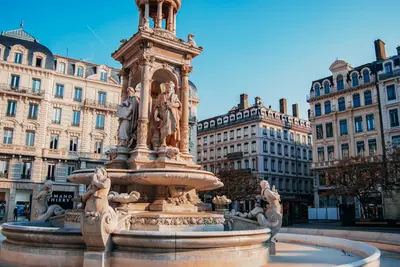
    Lyon, at the confluence of the Rhône and Saône, is France's third-largest city and is considered the capital of French gastronomy. Here you'll find Roman heritage on Fourvière Hill, Renaissance architecture in Vieux Lyon, and the former silk weavers' district of Croix-Rousse. The Traboules, passageways through buildings and courtyards, connect alleys. From the Basilica Notre-Dame de Fourvière, you look out over the city; right next to it are the Roman theaters. You can try Lyonnaise cuisine in one of the traditional "Bouchons". Ideal for city tours and market visits are April to June, as well as September and October.
    Regional Natural Park of the Auvergne Volcanoes

    Regional Natural Park of the Auvergne Volcanoes

    Founded in 1977, the Parc Naturel Régional des Volcans d'Auvergne is, with nearly 390,000 hectares, the largest Regional Nature Park in mainland France. It encompasses the Chaîne des Puys with around 80 volcanoes, including the Puy de Dôme, the Monts Dore with the Puy de Sancy, the Cantal Massif, and the Cézallier high plateau. The landscape is characterized by volcanic cones, crater lakes, alpine pastures, and forests, and boasts a dense network of hiking trails. In the villages, you can find cheeses like Saint-Nectaire, Cantal, and Salers. The hiking season usually runs from May to October; early mornings are the quietest on the well-known peaks.
    Albertville

    Albertville

    Albertville is located at the confluence of the Arly and Isère rivers in Savoy and hosted the 1992 Winter Olympics. Above the town, perched on a rocky spur, is the medieval Cité de Conflans with its cobbled streets and valley views. For the ski resorts of Tarentaise and Beaufortain, the town serves as a gateway and starting point.
    Mont-Dore

    Mont-Dore

    Le Mont-Dore is a traditional spa town in the valley of the young Dordogne, at the foot of Puy de Sancy in the Parc Naturel Régional des Volcans d'Auvergne. Thermal springs, Belle Époque buildings, and its location between extinct volcanoes make the town a starting point for hiking and winter sports in the Massif du Sancy.

    Sights in Auvergne-Rhône-Alpes

    Discover the most important sights and attractions

    Notre-Dame de Fourvière

    Notre-Dame de Fourvière

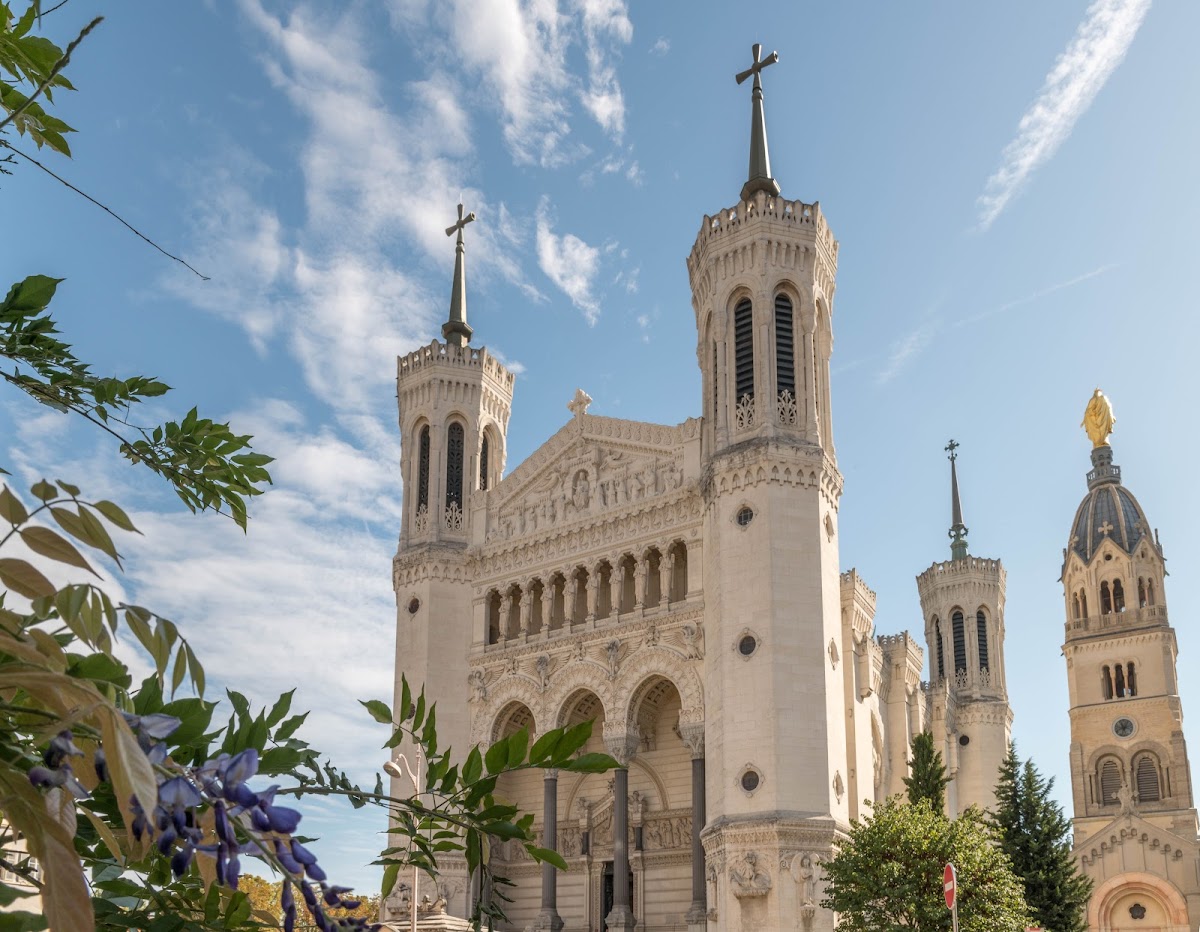
    The Basilica of Notre-Dame de Fourvière stands on the Fourvière hill above Lyon and is a landmark of the city. It was built between 1872 and 1884, originating from a vow made by the Lyonnais: in 1870 they promised the Virgin Mary a church if the city were spared during the Franco-Prussian War. Its architecture combines Byzantine and Romanesque elements. There are two superimposed churches: the upper one richly decorated, the lower one simpler. Worth seeing are the mosaics, stained-glass windows, and frescoes. From the esplanade in front of the basilica, you look out over Lyon, the Rhône, and the Saône.Our Tip: Come early in the morning, when it's quieter. The funicular goes up from Vieux Lyon.
    Open in Google Maps
    Basilique Saint-Martin-d’Ainay

    Basilique Saint-Martin-d’Ainay

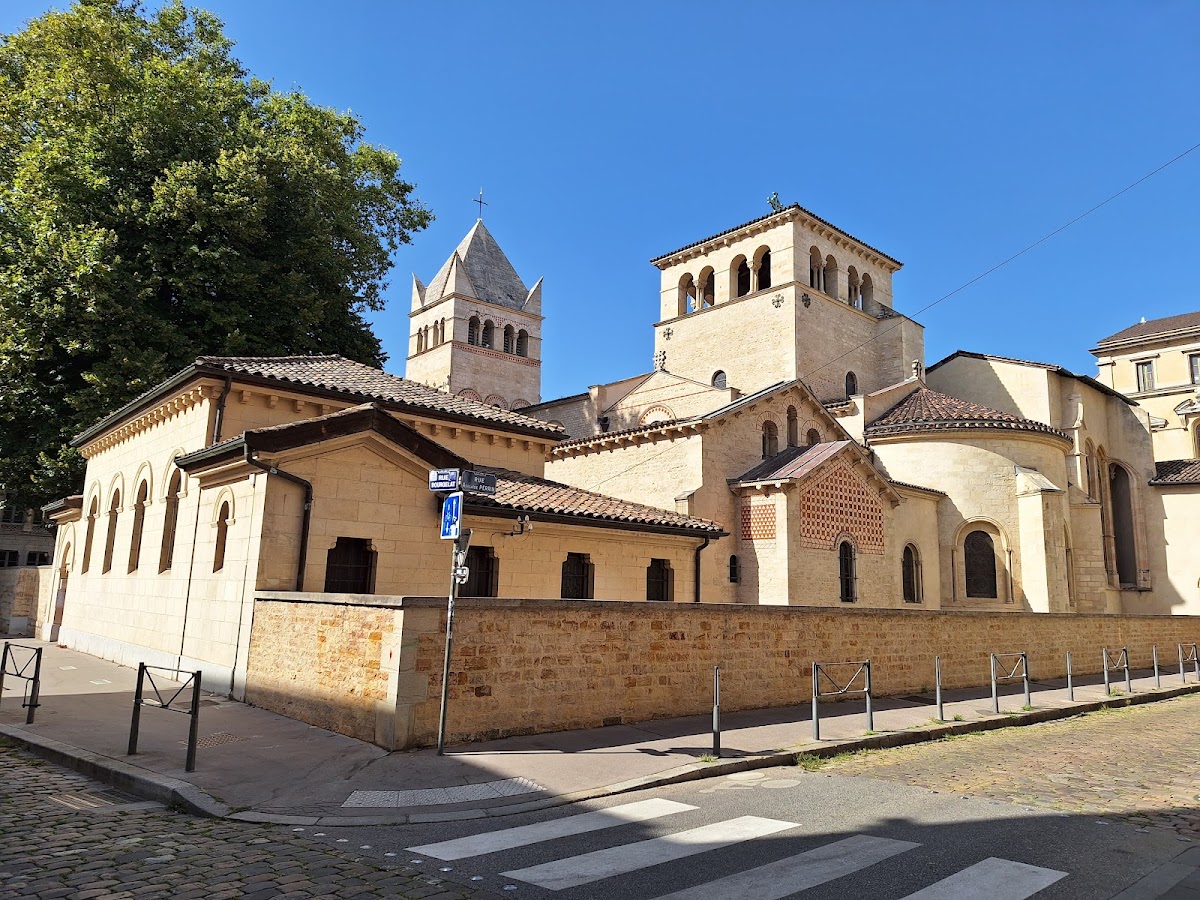
    Die Basilique Saint-Martin-d\\u2019Ainay ist ein seltenes und bedeutsames Beispiel romanischer Architektur in Lyon und z\\u00e4hlt zu den \\u00e4ltesten Sakralbauten der Stadt. Urspr\\u00fcnglich Teil einer Benediktinerabtei, deren Geschichte bis ins 9. Jahrhundert zur\\u00fcckreicht, ist sie heute die einzige verbliebene romanische Kirche Lyons und ein UNESCO-Weltkulturerbe. Du findest sie auf der Presqu'\\u00eele, wo sie eine Oase der Ruhe inmitten des st\\u00e4dtischen Treibens bildet. Ihr schlichter, aber robuster Baustil, gepr\\u00e4gt von dicken Mauern und Rundb\\u00f6gen, zeugt von ihrer langen Geschichte. Im Inneren kannst du die beeindruckende Krypta erkunden, die noch \\u00e4ltere Urspr\\u00fcnge vermuten l\\u00e4sst, sowie die ruhige Atmosph\\u00e4re und die historischen Kapitelle bewundern. Unser Tipp: Besuche die Basilika am Vormittag, um die besondere Lichtstimmung und die Stille optimal zu erleben. F\\u00fcr Fotos bietet sich die Fassade von der Rue de l'Abbaye an, um die gesamte Struktur einzufangen, oder du konzentrierst dich im Inneren auf die architektonischen Details und die Kapitelle.
    Open in Google Maps
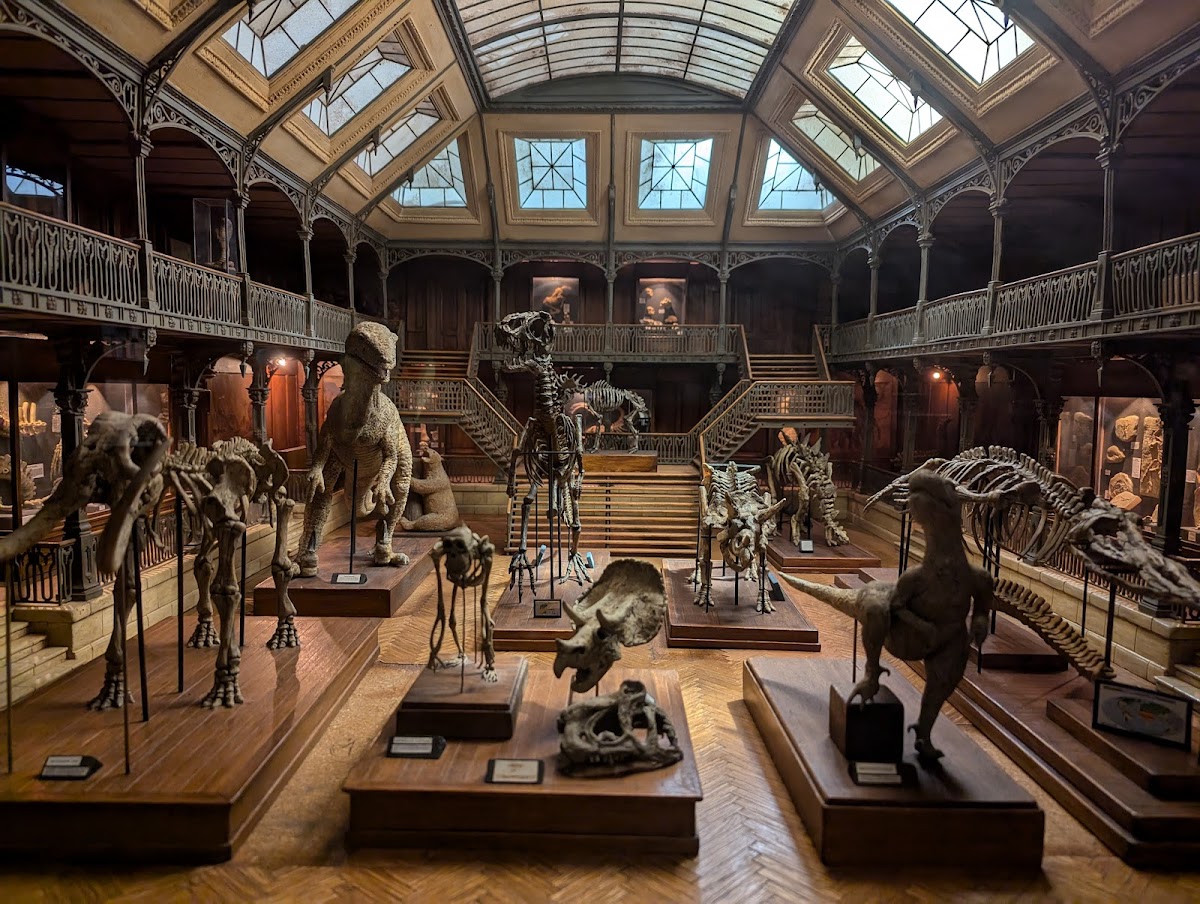
    Musée Cinéma et Miniature

    Musée Cinéma et Miniature

    Museum mit sehr realistischen Miniaturen alltäglicher Szenen und Ausstellung von Filmrequisiten und Spezialeffekten.
    Open in Google Maps
    Silk Saint Georges

    Silk Saint Georges

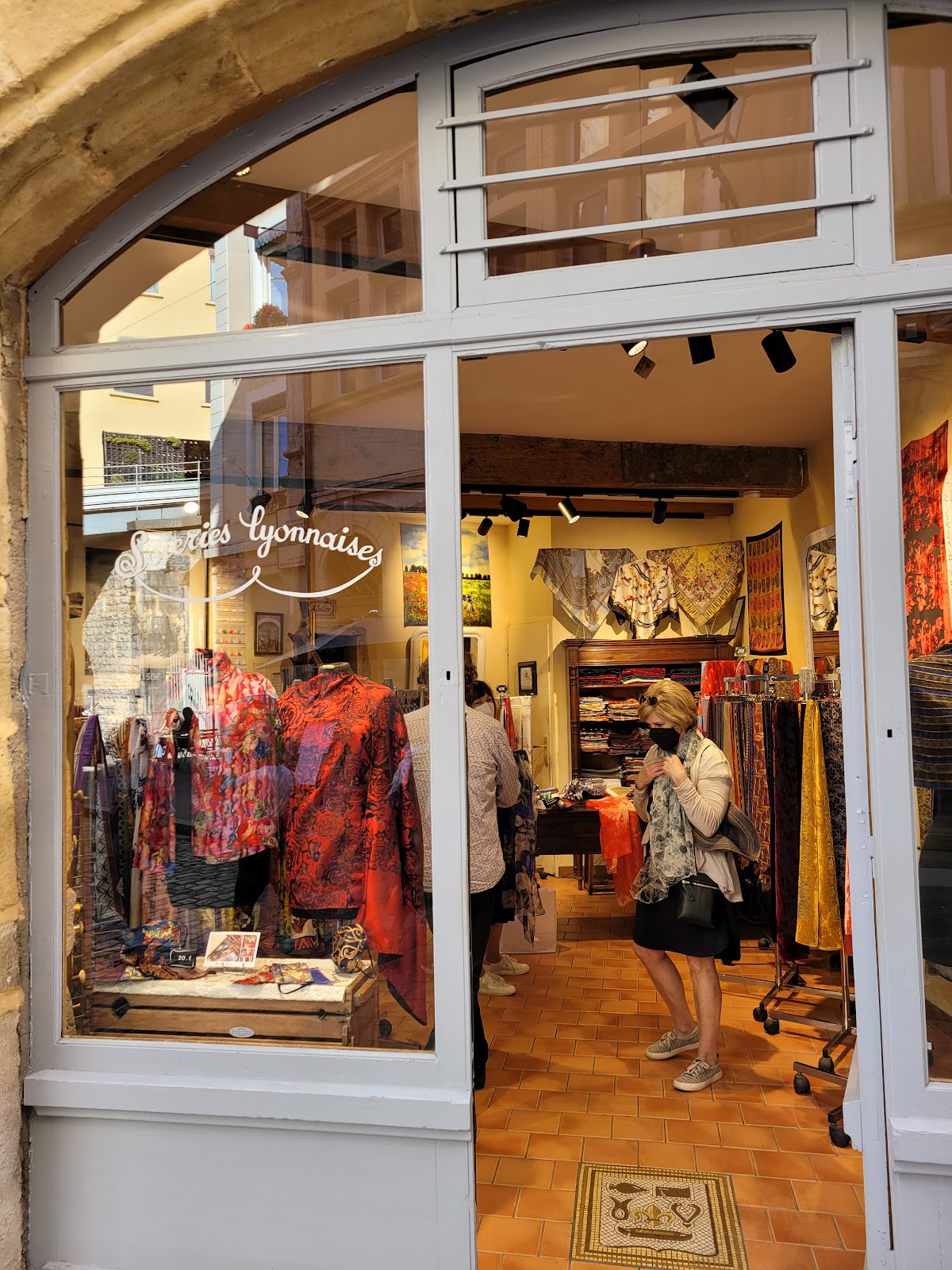
    The Soierie Saint-Georges is a silk weaving mill with a shop on Rue Mourguet in Vieux Lyon. The workshop weaves and restores silk and gold brocade fabrics, including for castles and fashion houses, on 19th-century Jacquard looms. During demonstrations, you can see how a fabric is created from design to finished textile, and get an insight into the craft of the Canuts, Lyon's silk weavers.The shop offers scarves, ties, shawls, and fabrics from their own production. Our tip: Inquire in advance about the times of the weaving demonstrations.
    Open in Google Maps
    Parc de la Tête d'Or

    Parc de la Tête d'Or

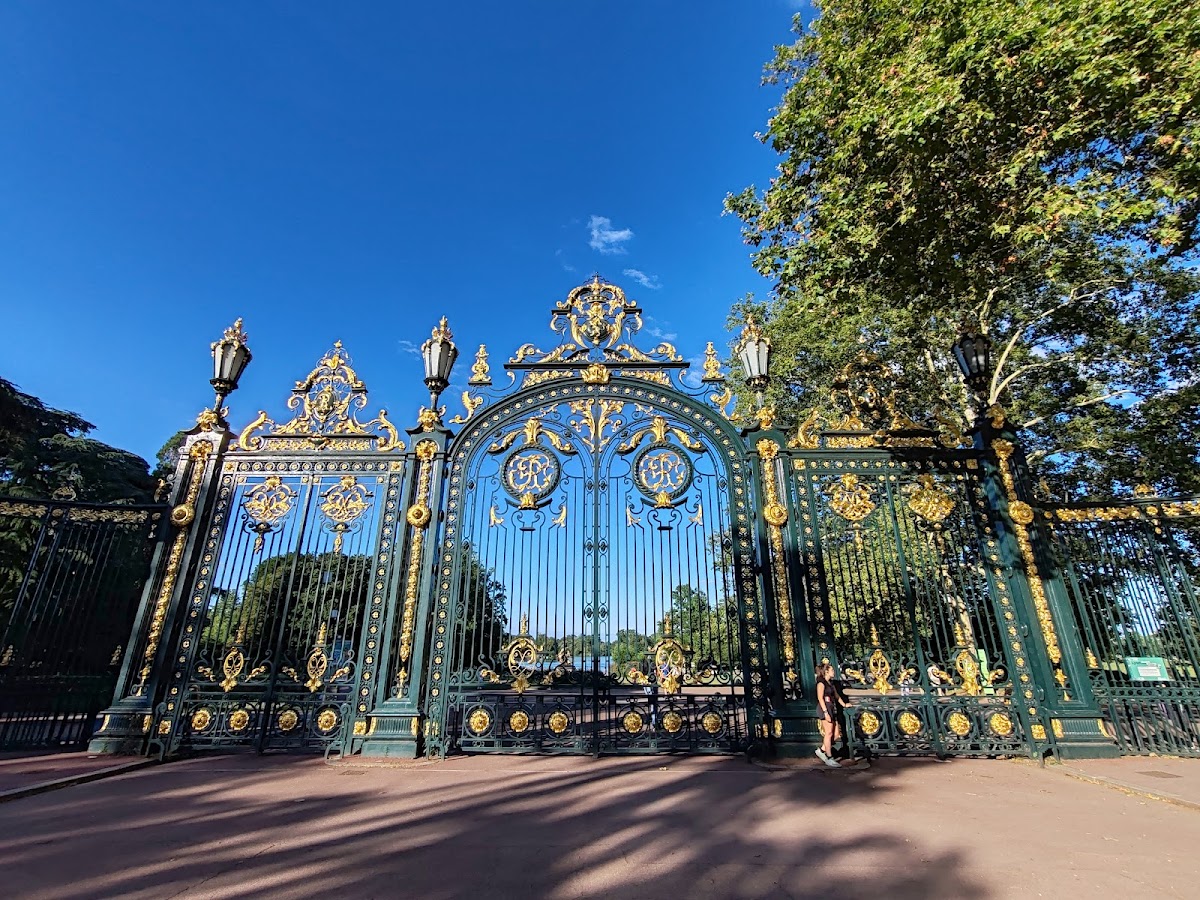
    Weitläufiger Park aus dem 19. Jahrhundert mit Statuen, Brunnen und hohen Bäumen sowie einem See und Gärten.
    Open in Google Maps

    Dining & Drinks

    L Bar food & drink

    Bar in 19 Rue du Garet.
    Show on Google Maps

    La mère Brazier

    Regionale Gourmetküche und Degustationsmenüs in einem eleganten Restaurant mit Einrichtung im Stil der 1920er-Jahre.
    Show on Google Maps

    Le Mercière

    Restaurant in Restaurant Le Mercière.
    Show on Google Maps

    Le Café Des Fédérations

    Restaurant in 10 Rue Major Martin 8-9.
    Show on Google Maps

    Daniel et Denise Créqui - Bouchon Lyonnais

    Restaurant in 156 Rue de Créqui.
    Show on Google Maps

    Food & Drink

    The region combines two very different cuisines: the Alpine with cheese and potatoes, and that of Auvergne with volcanic cheeses and stews. Lyon, situated between them, is considered by many to be France's culinary capital.

    Bouchons lyonnais

    Lyon's eateries serve Quenelle, Andouillette and various sausages. Certified Bouchons display a sign on the door.

    Alpine Cheese

    Beaufort, Reblochon, Abondance, and Tomme de Savoie come from the region's valleys and are PDO-protected. From them come Fondue, Raclette, and Tartiflette.

    Cheese of Auvergne

    Cantal, Salers, Saint-Nectaire, Fourme d'Ambert, and Bleu d'Auvergne come from the volcanic landscape in the west. Truffade and Aligot are based on them.

    Wines of the Rhône and the Beaujolais

    North of Lyon, Beaujolais offers light Gamay wines. To the south, the Northern Rhône features Syrah-based Côte-Rôtie and Hermitage.

    Chestnut and Lentil

    From Ardèche comes the chestnut with protected origin, from Velay the Le Puy green lentil, France's first vegetable with designated origin.

    Cultural Heritage and Historical Development

    The region's history dates back a long way. In Gallo-Roman times, Lyon (Lugdunum) was the capital of the province Gallia Lugdunensis and one of the most important centers in Roman Gaul. In the Middle Ages, numerous Romanesque churches, abbeys, and castles were built, especially in Auvergne, which is considered one of the core regions of Romanesque architecture.Architecturally, this past is visible in many places: in Lyon's and Vienne's Roman theaters, in Romanesque churches like Notre-Dame-du-Port in Clermont-Ferrand, in the Gothic cathedral of the same city, built from dark volcanic rock, and in the Renaissance facades of Vieux Lyon. Typical for Lyon are the Traboules, passages through houses and courtyards connecting two streets. In the 19th century, the silk weavers, the Canuts, used them to transport their fabrics protected from rain.Gastronomy plays a major role: Lyon has been considered the capital of French cuisine since the interwar period. This is complemented by the legacy of Lyon's silk industry, regional markets, and festivals like the Fête des Lumières in Lyon in December.

    Exploring locally

    By TrainFrom Paris, you can reach Lyon in about two hours by TGV, Grenoble in about three hours, and Clermont-Ferrand in about three and a half hours by Intercités. From Lyon, regional lines lead to Annecy, Chambéry, and further into the Alpine foothills. Chamonix is connected via Saint-Gervais by a narrow-gauge railway.Into the MountainsThe larger Alpine resorts are accessible by bus and train, but the valleys and mountain passes in between are scarcely so. High pass roads like the Col de l'Iseran are usually open only from summer into autumn; closure times vary with snow conditions.In the AuvergneThe volcanic landscape in the west is sparsely populated and difficult to explore without a car. An exception is the Puy de Dôme: The Panoramique des Dômes rack railway runs from the foot of the mountain in Orcines, about 15 kilometers west of Clermont-Ferrand, to the summit. The road to the summit is closed to private vehicles.

    Round trips through this region

    Route des Grandes Alpes

    Route des Grandes Alpes

    From Annecy, you drive to Albertville and the next day over the Col de l'Iseran at 2,764 meters to Briançon. The last stage leads over the Col de la Bonette down to Nice and takes a full day with breaks. The high passes are usually only open from June or July until October.

    9 Days
    4 stops
    Right Through Southern France

    Right Through Southern France

    From Vallon-Pont-d'Arc in the Gorges de l'Ardèche, you drive to Avignon and then westwards via Carcassonne and Toulouse to Bordeaux. Finally, you reach Arcachon on the Atlantic coast; for the approximately 700 kilometres, you should plan several longer driving days.

    14 Days
    6 stops

    Nearby

    Lyon

    Lyon

    Lyon, at the confluence of the Rhône and Saône, is France's third-largest city and is considered the capital of French gastronomy. Here you'll find Roman heritage on Fourvière Hill, Renaissance architecture in Vieux Lyon, and the former silk weavers' district of Croix-Rousse. The Traboules, passageways through buildings and courtyards, connect alleys. From the Basilica Notre-Dame de Fourvière, you look out over the city; right next to it are the Roman theaters. You can try Lyonnaise cuisine in one of the traditional "Bouchons". Ideal for city tours and market visits are April to June, as well as September and October.
    Cluny

    Cluny

    Cluny, nestled in the heart of Burgundy, is intrinsically linked to its once mighty Benedictine abbey. The Abbaye de Cluny was the centre of monastic reform in the Middle Ages and the largest church in Christendom before St. Peter's Basilica in Rome was built. Although largely destroyed after the French Revolution, its impressive ruins, the Musée d'Art et d'Archéologie, and the partially reconstructed monastery grounds bear witness to its former grandeur. You can wander through the preserved sections of the abbey, grasp the dimensions of the former church, and trace the history of this significant site. Beyond the abbey, a stroll through the charming small town with its medieval houses and the Haras National, the national stud farm, is worthwhile. A morning visit allows you to explore the site in peace before the main crowds arrive.
    Lac du Bourget

    Lac du Bourget

    The Lac du Bourget in Savoy is France's largest natural lake. It spans about 18 kilometers between the Jura and Alpine foothills. On its east bank is the spa town of Aix-les-Bains, known as the "Riviera des Alpes"; on the west bank, the Abbey of Hautecombe. Swimming, sailing, cycling, and hiking feature prominently.
    Grenoble

    Grenoble

    Grenoble, nestled in the alpine panorama of the French Alps, is a dynamic city that blends science and nature. Ascend to the Bastille, a historic fortress high above the city, comfortably by cable car – the 'Bulles' – and enjoy expansive views of the Isère Valley and the surrounding mountain ranges. The charming Old Town (Vieux Grenoble), with its narrow streets, historic squares like Place Saint-André, and numerous cafés, invites you to linger. The renowned Musée de Grenoble houses an impressive collection of modern and contemporary art and is a cultural anchor of the city. As the 'Capital of the Alps', Grenoble has a long tradition as a center for research and technology, reflected in its lively atmosphere and universities. For an authentic experience, visit one of the local markets, such as Place aux Herbes, to discover regional products. The months of May to October are ideal for hikes in the surrounding area, while the winter months provide access to nearby ski resorts.
    Annecy

    Annecy

    Annecy, often called the 'Venice of the Alps', captivates with its medieval Old Town and the clear Lac d'Annecy. The Vieille Ville is characterized by winding alleys, pastel-colored houses, and the canals of the Thiou River. The striking Palais de l'Isle, a former prison, is picturesquely situated in the middle of a canal and bears witness to the city's rich history. Perched above the rooftops is the Château d'Annecy, once a residence of Savoyard princes, which today houses a museum. Lac d'Annecy offers numerous leisure activities such as boat trips or swimming. To experience the atmosphere without large crowds, a visit in spring or autumn is recommended. Explore the local markets to sample regional cheeses and other specialties.

    Sources & method

    • Photos: Unsplash. Each photo carries its credit.
    • The content is based on web research from public, traceable sources. How the content is made · The role of AI