Fernweh: Home
    ExploreTravel GuidesPlan a tripMy tripLast visited
    de|en
    All Places & RegionsAll highlightsAbout FernwehFAQPrivacy PolicyImprint
    ExploreTravel GuidesPlan a tripMy tripLast visited
    • Neighborhoods & highlights
    • Walking tours
    • Eat & drink
    • Food culture
    • Culture
    • Getting around
    • Accommodation
    • Plan trip
    • Nearby
    Cluny

    France

    Cluny

    CityCulture

    Cluny, nestled in the heart of Burgundy, is intrinsically linked to its once mighty Benedictine abbey.

    by Felix Gillen

    1. Home
    2. Destinations
    3. France
    4. Burgundy (Bourgogne)
    5. Cluny
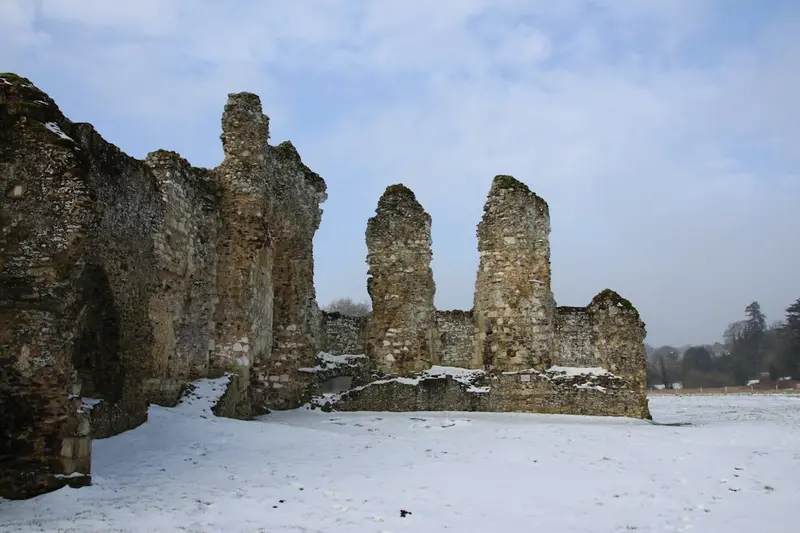
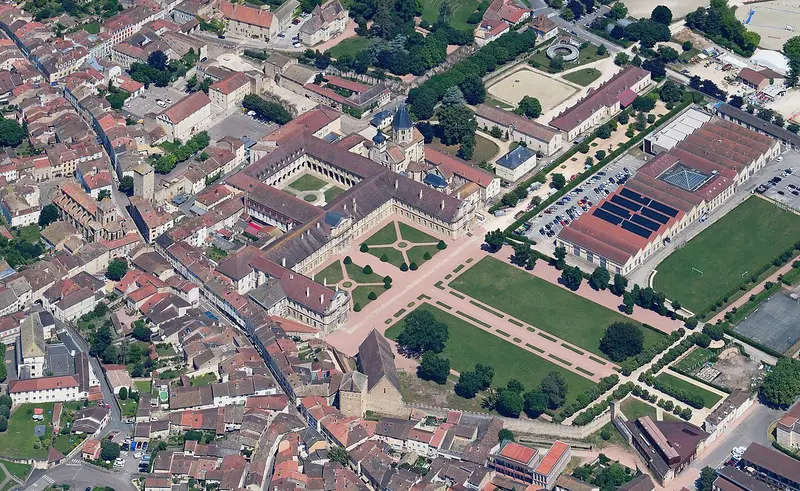
    Cluny, nestled in the heart of Burgundy, is intrinsically linked to its once mighty Benedictine abbey. The Abbaye de Cluny was the centre of monastic reform in the Middle Ages and the largest church in Christendom before St. Peter's Basilica in Rome was built. Although largely destroyed after the French Revolution, its impressive ruins, the Musée d'Art et d'Archéologie, and the partially reconstructed monastery grounds bear witness to its former grandeur. You can wander through the preserved sections of the abbey, grasp the dimensions of the former church, and trace the history of this significant site. Beyond the abbey, a stroll through the charming small town with its medieval houses and the Haras National, the national stud farm, is worthwhile. A morning visit allows you to explore the site in peace before the main crowds arrive.

    Sights in Cluny

    Discover the most important sights and attractions

    1Fontaine

    In the alleys of Cluny stand several old fountains, which long supplied residents with water and served as meeting points. Today, they are part of the townscape, nestled between the abbey and old town houses.Our tip: In the early morning, the old town is quiet, and the light is soft.
    Open in Google Maps

    2Parc Abbatial

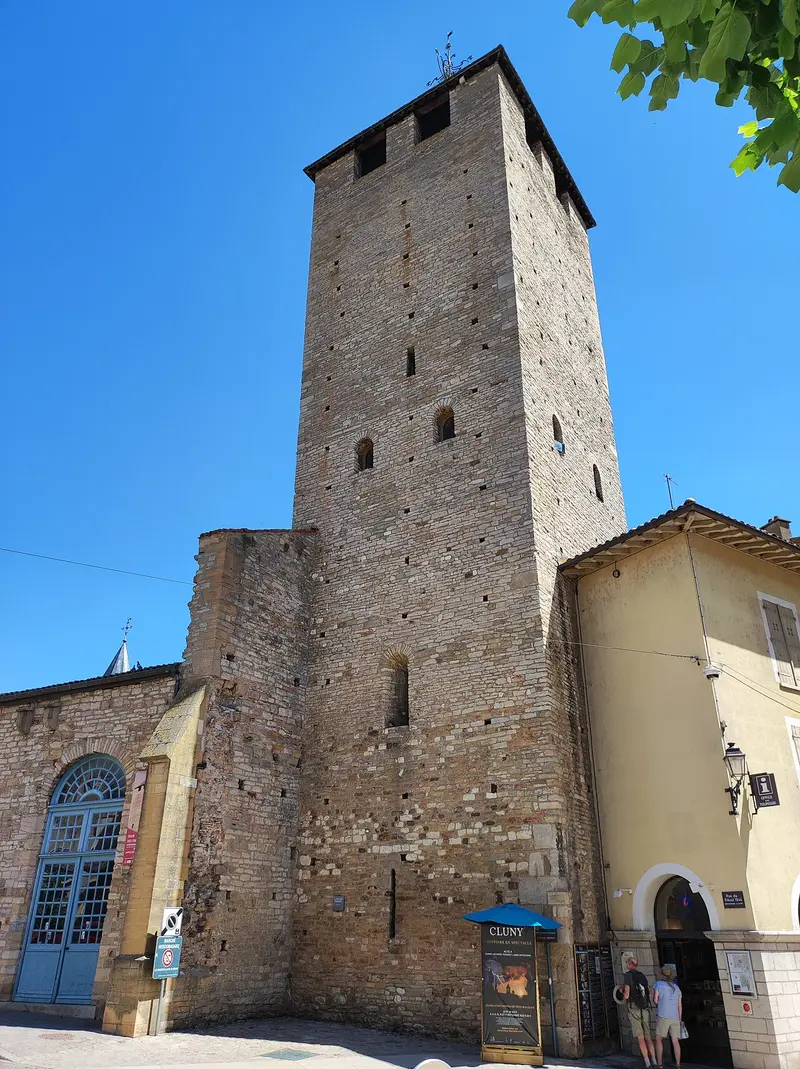
    The Parc Abbatial is the park of the former Benedictine Abbey of Cluny, which played a central role in Europe during the Middle Ages. Beneath ancient trees, you can stroll past preserved abbey buildings, such as the Farinier, the 13th-century granary. The Musée d'Art et d'Archéologie is next door in the Palais Jean de Bourbon.Our Tip: It's quiet early in the morning or late in the afternoon. From the park, you can see the Tour des Fromages and the remains of the abbey church.
    Open in Google Maps

    3Fédération Européenne des Sites Clunisiens

    The Fédération Européenne des Sites Clunisiens is based in Cluny and connects sites in several European countries that once belonged to the network of Cluny Abbey: monasteries, priories, and churches. The federation manages the Cultural Route of the Cluniac Sites, certified by the Council of Europe. For visitors, it shows how far Cluny's influence extended in the Middle Ages.Our tip: Start your visit at the Musée d'Art et d'Archéologie to get an overview of the abbey's history before exploring the ruins.
    Open in Google Maps
    Cluniazenser

    4Cluniazenser

    Ruine einer großen mittelalterlichen Benediktinerabtei mit majestätischem Glockenturm, Kreuzgängen und Museum.
    Open in Google Maps
    Tour des Fromages

    5Tour des Fromages

    Museum in 6 Rue Mercière.
    Open in Google Maps

    City walks in Cluny

    Curated walking tours through the city's highlights, handpicked by experienced travel journalists.

    Cluny's Golden Age: A Walk Through Medieval Splendour

    Discover Cluny, once the centre of the Christian world, on this 2-hour walk. Immerse yourself in the history of the powerful abbey, stroll through charming lanes and experience the unique mix of culture and horse tradition.

    ~2 Std.
    Open in Google Maps
    Stops (7)

    Dining & Drinks

    La Locanda

    Restaurant in 8 Rue de la République.
    Show on Google Maps

    Hostellerie d'Héloise Logis

    Restaurant in 7 Rte de Mâcon.
    Show on Google Maps

    Chez Louisette

    Restaurant in 11 Pl. de l'Abbatiale.
    Show on Google Maps

    Aoki Le Comptoir

    Restaurant in 1 Rue du Merle.
    Show on Google Maps

    Café du centre "Chez Sissis"

    Bar in 4 Rue municipale.
    Show on Google Maps

    Food & Drinks

    Cluny is located in the Mâconnais, where viticulture and cattle breeding coexist. The cuisine is Burgundian, but lighter than further north.

    Wines from the Mâconnais

    Chardonnay wines, including Pouilly-Fuissé, grow around Cluny. They are rounder and more affordable than those of the Côte d'Or.

    Charolais cattle

    The white cattle from neighboring Charolais provide one of France's best-known beef types. It is usually served simply grilled.

    Goat cheese Mâconnais

    The small conical goat cheese bears a Protected Designation of Origin. Young, it is mild; aged, it becomes firm and tangy.

    Saturday Morning Market

    The market in the town center gathers producers from the Mâconnais and the Charolais.

    Cluny: Heart of medieval Europe

    In the High Middle Ages, Cluny was one of the most important spiritual centers of the Western world. The city is inextricably linked to the former Benedictine abbey, whose influence stretched far beyond Burgundy from the 10th to the 12th century.Founded in 910, the abbey began its third church construction, Cluny III, in 1088. This church was the largest in Christendom until St. Peter's Basilica was rebuilt in the 16th century. Its architectural style influenced churches throughout Europe.After the French Revolution, the church was largely dismantled. What remains are primarily the southern transept arm with the Clocher de l'Eau Bénite bell tower, parts of the monastic buildings, and extensive foundations.The city preserves this heritage with exhibitions on monastic and art history. Today, an engineering university is located in the former monastery, and the National Stud (Haras national) commemorates the site's history of horse breeding.

    On the go locally

    Cluny's historic centre is small and easily explored on foot; the abbey, museums, and shops are all close together.Cluny has no train station. Bus line 701 connects the town several times a day with Mâcon-Ville and Mâcon-Loché TGV train stations (around 30 minutes) as well as with Chalon-sur-Saône.You can explore the surroundings by bike on the Voie Verte, which follows a former railway line to Givry and towards Mâcon; rental bikes are available in town. You should reserve taxis in advance. Parking is available on the outskirts of the centre.

    Accommodations in Cluny

    Find perfect stay in Cluny

    Booking.com* (Affiliate link)
    Search Hotels
    Agoda* (Affiliate link)
    Search Hotels
    Airbnb
    Vacation Rentals

    * Affiliate link: if you book through it, we earn a small commission. The price stays the same for you.

    Campgrounds in Cluny

    Find perfect campground in Cluny

    Search via Google Maps
    Campgrounds nearby (15km)
    Camping.info
    Find Campgrounds
    Park4Night
    RV Parks & Camping

    Plan your trip to Cluny

    Save places, build a route and plan your city trip, all in one place.

    1. 1
      Sunrise over alpine peaks and a sea of clouds
      1234

      Round trip

      12 days · 4 stops

      Saved

      Pick a route

      Pick a ready-made one or save places and plan your own.

      Open bookmarks
    2. 2

      Trip to Cluny

      Live
      • 1Fontaine3 days
      • 2Parc Abbatial4 days
      • 3Fédération Européenne des Sites Clunisiens5 days
      Budget

      Plan your trip

      The planner sorts stops, days and budget. Plan together in real time.

      Start trip planning
    3. 3
      9:41 No signal
      Cluny
      Available offline

      Use it on the road

      Download the guide to your phone and use it on site, even offline.

    Nearby

    Chalon-sur-Saône

    Chalon-sur-Saône

    Chalon-sur-Saône, nestled on the banks of the Saône in Southern Burgundy, boasts a history dating back to Gallo-Roman times. The city is the birthplace of Nicéphore Niépce, the inventor of photography, and features an old town with half-timbered houses, a cathedral, and a large weekly market.
    Meursault

    Meursault

    Meursault is a wine village on the Côte de Beaune, a few kilometers south of Beaune. It is known primarily for its Chardonnay white wines. The village features stone houses, wineries, the Gothic church of Saint-Nicolas with its tall tower, and the town hall with a colorful tiled roof.
    Pommard

    Pommard

    Pommard is a wine village on the Côte de Beaune, a few kilometers south of Beaune. It is known for its robust Pinot Noir red wines. Amidst stone houses, wineries, and vineyards, you can taste and stroll.
    Beaune

    Beaune

    Beaune is the historical centre of the Burgundy wine trade and boasts a well-preserved old town within its ramparts. Its landmark is the Hôtel-Dieu of the Hospices de Beaune, a hospital founded in 1443 with a colourful, glazed tile roof. In its lanes, you'll find numerous wine cellars, wine houses, and shops. The town is an excellent starting point for the vineyards of the Côte d'Or and for tastings. It's quieter in spring and autumn than in summer; the famous Hospices wine auction takes place on the third weekend of November.
    Auvergne-Rhône-Alpes

    Auvergne-Rhône-Alpes

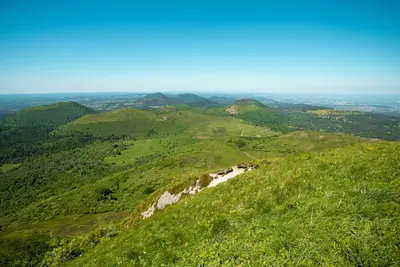
    The Auvergne-Rhône-Alpes region in eastern and central France stretches from the peaks of the Alps through the volcanic landscapes of the Auvergne to the major city of Lyon. It is a destination for mountain sports, hiking, culture, and good food and boasts several UNESCO World Heritage Sites, including Lyon's Old Town and the Chaîne des Puys.

    Sources & method

    • Photos: Wikimedia Commons, Unsplash. Each photo carries its credit.
    • Place data such as addresses and ratings comes from Google Maps.
    • The content is based on web research from public, traceable sources. How the content is made · The role of AI