Fernweh: Home
    ExploreTravel GuidesPlan a tripMy tripLast visited
    de|en
    All Places & RegionsAll highlightsAbout FernwehFAQPrivacy PolicyImprint
    ExploreTravel GuidesPlan a tripMy tripLast visited
    Meursault

    France

    Meursault

    Village

    Meursault is a wine village on the Côte de Beaune, a few kilometers south of Beaune. It is known primarily for its Chardonnay white wines.

    by Felix Gillen

    1. Home
    2. Destinations
    3. France
    4. Burgundy (Bourgogne)
    5. Meursault
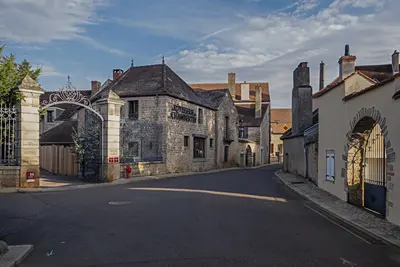
    Meursault is a wine village on the Côte de Beaune, a few kilometers south of Beaune. It is known primarily for its Chardonnay white wines. The village features stone houses, wineries, the Gothic church of Saint-Nicolas with its tall tower, and the town hall with a colorful tiled roof.

    Sehenswürdigkeiten

    Discover the most important sights and attractions

    Château de Meursault

    Château de Meursault

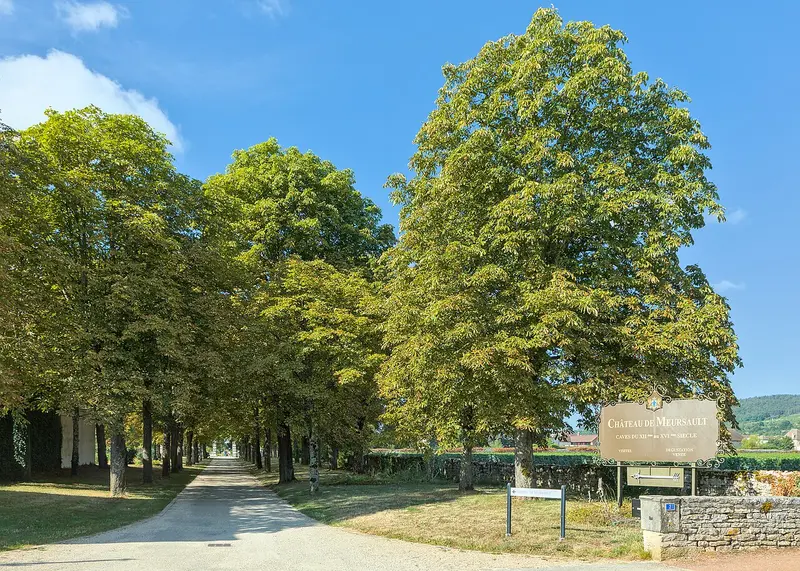
    The Château de Meursault is a castle with a park and a large winery. During guided tours, you'll see the extensive historic cellars where the wines age, and afterwards you can taste wines from various plots of the Côte de Beaune.
    Open in Google Maps

    Église Saint-Nicolas de Meursault

    The 15th-century Gothic Church of Saint-Nicolas is located in the heart of Meursault. Its tall, pointed spire is visible from afar across the vineyards. A short visit pairs well with a village stroll.
    Open in Google Maps

    The Vineyards of the Côte de Beaune & Village Stroll

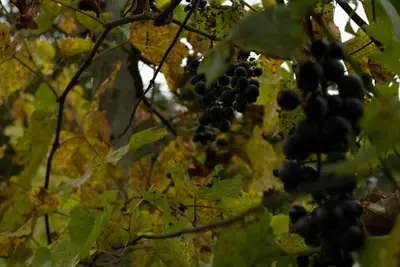
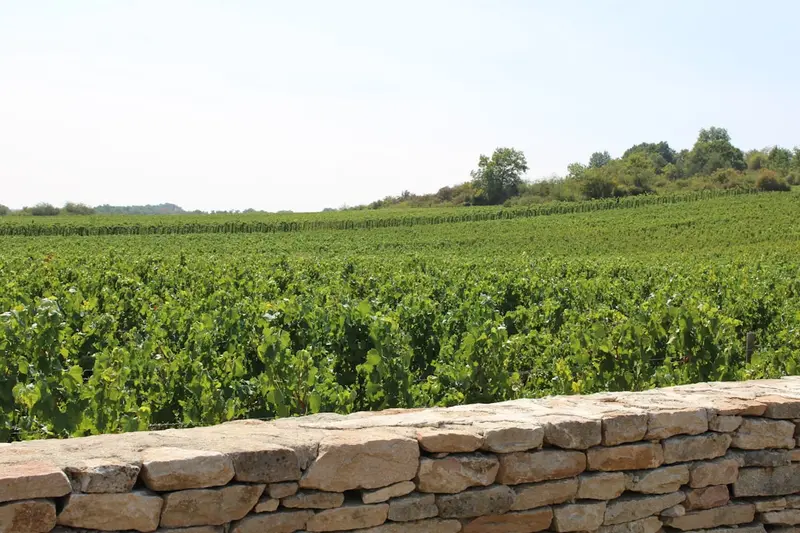
    Around Meursault lie the vineyards of the Côte de Beaune, including renowned Premier Cru sites like Perrières, Charmes, and Genevrières. A stroll through the vines and village center reveals stone houses, narrow lanes, and wineries, many of which offer tastings.
    Open in Google Maps

    City walks in Meursault

    Curated walking tours through the city's highlights, handpicked by experienced travel journalists.

    Meursault: In the Footsteps of the Terroir – A Hike Through the Vineyards

    Immerse yourself in the heart of the world-famous Meursault vineyards. This walk takes you off the beaten path straight through the Premier Cru sites, explains the secrets of the terroir, the work of the winemakers and the unique geology that gives these exceptional white wines their character. Experience Meursault from the perspective of the soil and the vines.

    ~2 Std. 30 Min.
    Open in Google Maps
    Stops (6)

    Restaurants & Cafés

    Le Chevreuil

    Erlebe im Le Chevreuil die authentische burgundische Küche in einem gemütlichen Ambiente. Dieses traditionelle Restaurant ist bekannt für seine regionalen Spezialitäten wie Boeuf Bourguignon oder Coq au Vin, begleitet von einer hervorragenden Auswahl an lokalen Weinen, die das kulinarische Erlebnis perfekt abrunden.
    Show on Google Maps

    L'Auberge du Vin

    Direkt im Herzen von Meursault gelegen, bietet dir L'Auberge du Vin eine raffinierte Küche, die traditionelle Rezepte modern interpretiert. Genieße frische, saisonale Produkte und eine beeindruckende Weinkarte, die die Schätze der Region würdigt. Die Atmosphäre ist elegant und doch herzlich, ideal für einen besonderen Abend.
    Show on Google Maps

    Restaurant Le Clos du Murger

    Das Restaurant Le Clos du Murger verspricht ein kulinarisches Erlebnis in einem charmanten, rustikalen Ambiente. Hier konzentriert man sich auf exzellente lokale Produkte und bietet dir eine authentische burgundische Küche mit einem feinen Gespür für Tradition und Qualität. Ein idealer Ort, um die regionalen Köstlichkeiten zu entdecken und zu genießen.
    Show on Google Maps

    Dining & Drinks

    Meursault is one of the larger winegrowing villages of the Côte de Beaune. White wine dictates everything, including the cuisine of the few local establishments.

    Meursault white wines

    The Chardonnay wines are more robust and creamier than those from nearby villages, often with notes of hazelnut and butter. No Grand Crus, but many Premiers Crus.

    Premier Cru plots

    Perrières, Charmes and Genevrières are among the most famous. The differences between the sites are palpable even for beginners.

    Fish and Poultry in White Wine Sauce

    White wines go with river fish, Bresse poultry, and cream dishes. Local eateries base their menus on these.

    Comté and goat cheese

    Aged Comté from the Jura and mild goat cheese pair better with white wine than strong red smear cheeses.

    Cultural heritage and winemaking in Meursault

    Meursault has been shaped by viticulture since the Middle Ages. Monasteries like the Cistercian Abbey of Cîteaux owned vineyards here early on and contributed to the development of cultivation. Many estates belonged to nobles and clergy, making wine an important economic factor early on.The architecture reflects this past. The Château de Meursault is now a wine estate with extensive historic cellars. The 15th-century Gothic church of Saint-Nicolas with its striking tower and the traditional winemakers' houses of light limestone with Burgundian roofs define the townscape; many possess old wine cellars.Village life revolves around wine. The best-known festival is the Paulée de Meursault, a winemakers' banquet on the Monday after the Hospices de Beaune wine auction in November, where guests bring their own bottles. It marks the conclusion of the “Trois Glorieuses”.

    Exploring Locally

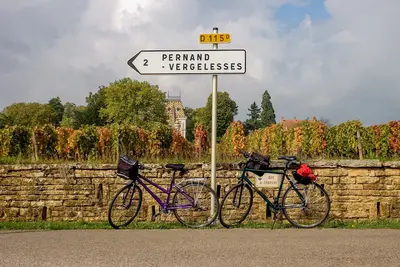
    The village is best explored on foot. A bike and car are best for excursions to the vineyards and neighboring villages of the Côte de Beaune; public transport is limited. Cycle the Voie des Vignes to Beaune or Santenay.

    Accommodations in Meursault

    Find perfect stay in Meursault

    Booking.com* (Affiliate link)
    Search Hotels
    Agoda* (Affiliate link)
    Search Hotels
    Airbnb
    Vacation Rentals

    * Affiliate link: if you book through it, we earn a small commission. The price stays the same for you.

    Campgrounds in Meursault

    Find perfect campground in Meursault

    Search via Google Maps
    Campgrounds nearby (15km)
    Camping.info
    Find Campgrounds
    Park4Night
    RV Parks & Camping

    Nearby

    Pommard

    Pommard

    Pommard is a wine village on the Côte de Beaune, a few kilometers south of Beaune. It is known for its robust Pinot Noir red wines. Amidst stone houses, wineries, and vineyards, you can taste and stroll.
    Beaune

    Beaune

    Beaune is the historical centre of the Burgundy wine trade and boasts a well-preserved old town within its ramparts. Its landmark is the Hôtel-Dieu of the Hospices de Beaune, a hospital founded in 1443 with a colourful, glazed tile roof. In its lanes, you'll find numerous wine cellars, wine houses, and shops. The town is an excellent starting point for the vineyards of the Côte d'Or and for tastings. It's quieter in spring and autumn than in summer; the famous Hospices wine auction takes place on the third weekend of November.
    Chalon-sur-Saône

    Chalon-sur-Saône

    Chalon-sur-Saône, nestled on the banks of the Saône in Southern Burgundy, boasts a history dating back to Gallo-Roman times. The city is the birthplace of Nicéphore Niépce, the inventor of photography, and features an old town with half-timbered houses, a cathedral, and a large weekly market.
    Gevrey-Chambertin

    Gevrey-Chambertin

    Gevrey-Chambertin is a wine village on the Côte de Nuits, roughly twelve kilometers south of Dijon. The commune boasts nine Grand Cru vineyards, including Chambertin and Chambertin-Clos de Bèze – more than any other village in Burgundy. In the village, you can taste Pinot Noir at numerous wineries and visit a castle of the Cluny Abbey.
    Burgundy (Bourgogne)

    Burgundy (Bourgogne)

    Burgundy (Bourgogne) in eastern France is known for wine, history, and gastronomy. Highlights include the vineyards of the Côte d'Or, Romanesque churches and abbeys like Vézelay, Cluny, and Fontenay, and the Ducal Palace in Dijon.Additionally, you'll find medieval towns and canals where you can travel by houseboat or cycle along the canalside path.

    Sources & method

    • Photos: Wikimedia Commons, Unsplash. Each photo carries its credit.
    • The content is based on web research from public, traceable sources. How the content is made · The role of AI