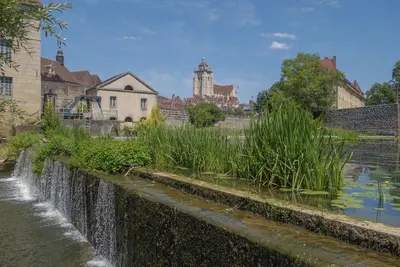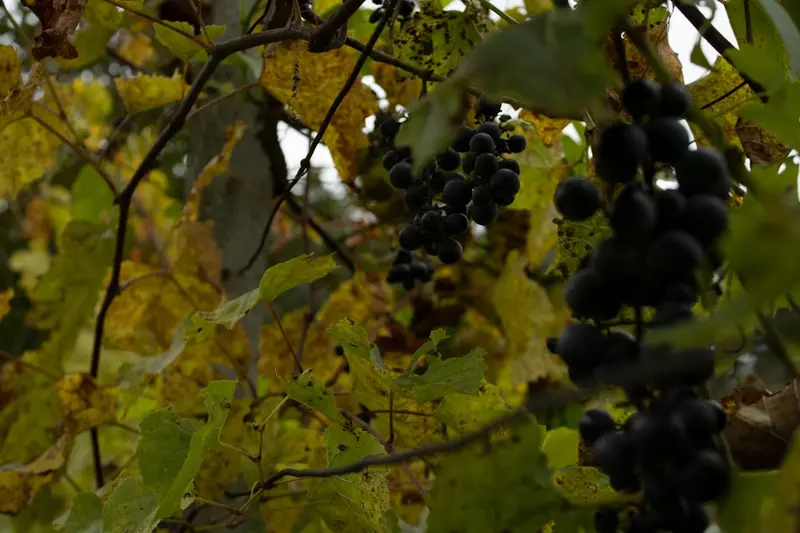
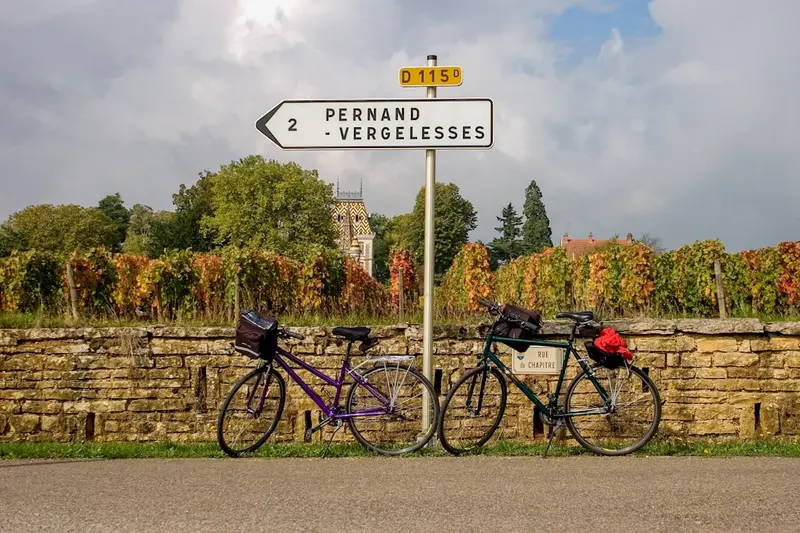
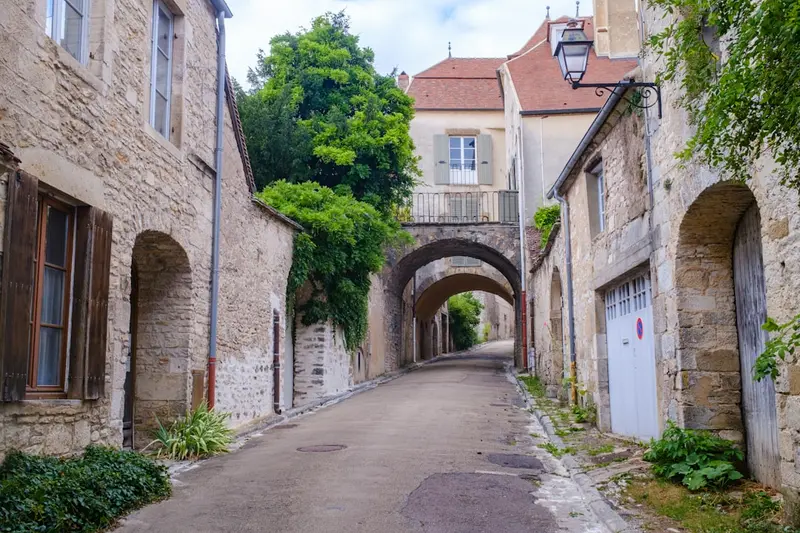
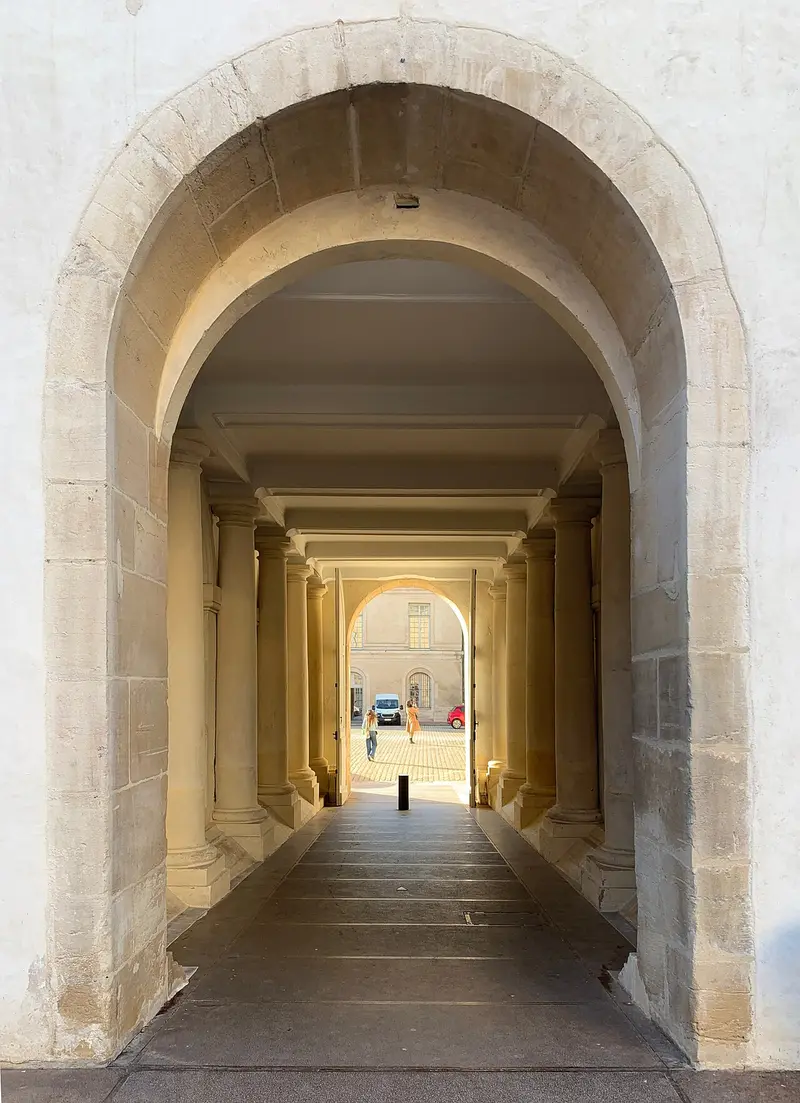
Burgundy (Bourgogne) is France's heartland for connoisseurs of wine, history, and gastronomy. This picturesque region entices with its world-renowned vineyards, Romanesque abbeys, and magnificent ducal palaces, which bear witness to a glorious past.Discover a landscape rich in cultural treasures, from medieval towns to idyllic canals, that invite you to linger and enjoy.
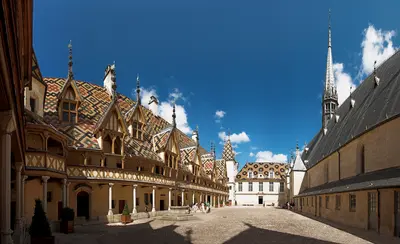
Burgundy (Bourgogne), nestled in the heart of France, is a region you'll discover through its rich history, excellent gastronomy, and world-renowned wines. In Dijon, the former capital of the Dukes of Burgundy, the Ducal Palace and the Museum of Fine Arts impress. Beaune, the hub of the wine trade, is home to the Gothic Hospices de Beaune with their colorful roof, a masterpiece of medieval architecture. Along the Route des Grands Crus, you'll discover renowned vineyards from the Côte de Nuits to the Côte de Beaune, tasting fine Pinot Noir and Chardonnay directly from the winemakers. The Romanesque abbeys of Cluny and Fontenay bear witness to the region's profound religious and cultural significance in the Middle Ages. For a relaxed exploration of the vineyards and historical sites, spring or autumn are ideal to avoid the summer crowds. Also, plan time for the local markets and tasting regional specialties like Dijon mustard.
Places in Burgundy (Bourgogne)
Gevrey-Chambertin
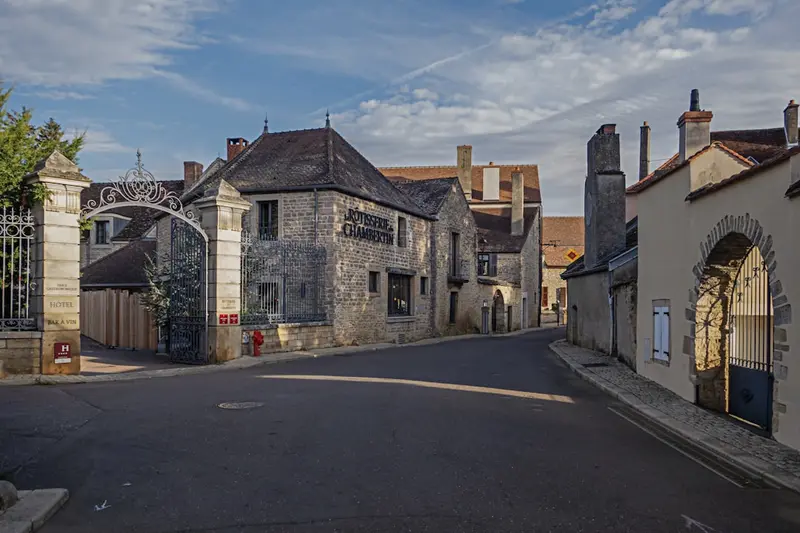
Welcome to Gevrey-Chambertin, the heart of the Côte de Nuits and an icon of the Burgundy Wine Route. This charming village, surrounded by some of France's most prestigious Grand Cru vineyards, invites you to immerse yourself in the world of fine Pinot Noir and discover the region's rich history and exquisite gastronomy. Experience the authentic Burgundian way of life in this world-renowned wine mecca.
Chalon-sur-Saône
Welcome to Chalon-sur-Saône, a charming city nestled gently on the banks of the Saône in Burgundy. Here, you'll discover a fascinating blend of rich history, ranging from Roman origins to the birthplace of photography, and the vibrant atmosphere of an old town full of characteristic half-timbered houses and bustling markets.
Cluny
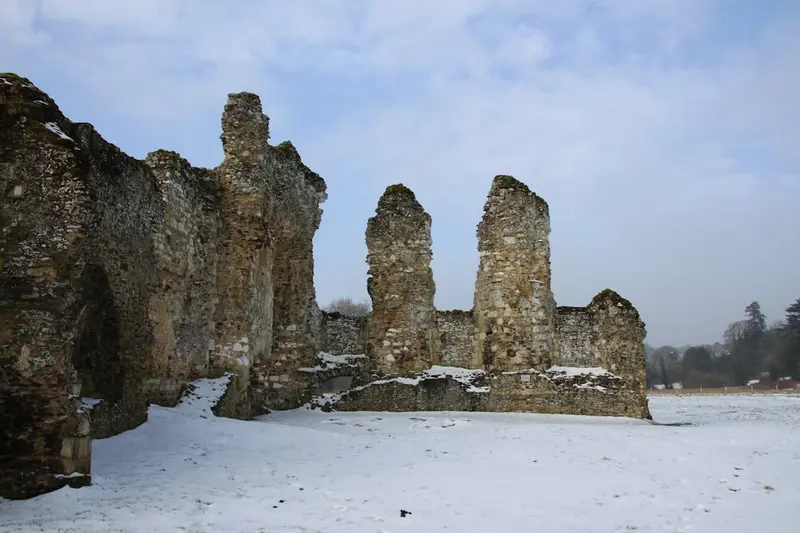
Cluny, nestled in the heart of Burgundy, is intrinsically linked to its once mighty Benedictine abbey. The Abbaye de Cluny was the centre of monastic reform in the Middle Ages and the largest church in Christendom before St. Peter's Basilica in Rome was built. Although largely destroyed after the French Revolution, its impressive ruins, the Musée d'Art et d'Archéologie, and the partially reconstructed monastery grounds bear witness to its former grandeur. You can wander through the preserved sections of the abbey, grasp the dimensions of the former church, and trace the history of this significant site. Beyond the abbey, a stroll through the charming small town with its medieval houses and the Haras National, the national stud farm, is worthwhile. A morning visit allows you to explore the site in peace before the main crowds arrive.
Dijon
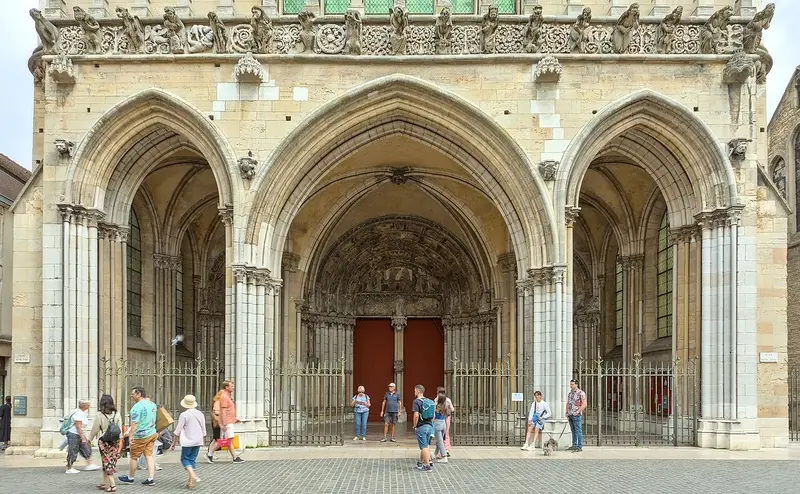
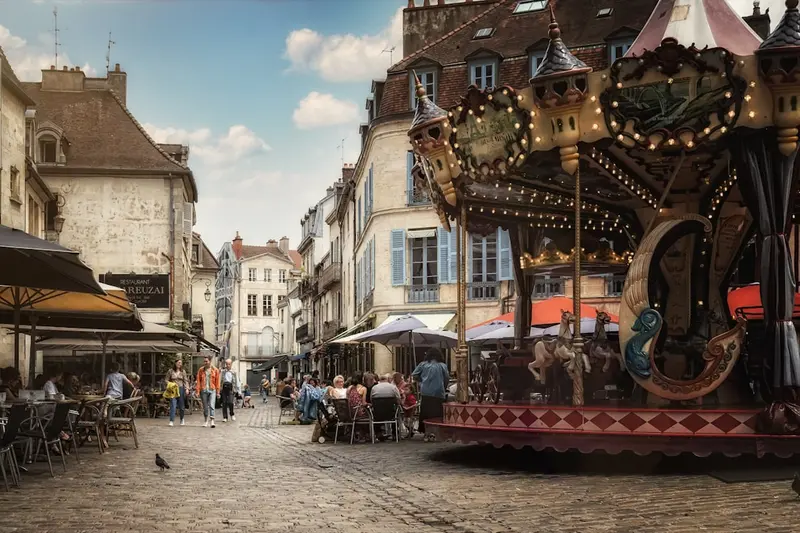
Dijon, the historic capital of Burgundy, impresses with a rich cultural heritage and outstanding gastronomy. Here you'll discover magnificent architecture, especially in the Palais des Ducs et des États de Bourgogne, which now houses the renowned Musée des Beaux-Arts. The well-preserved Old Town, with its half-timbered houses and the impressive Saint-Bénigne Cathedral, invites exploration. Inseparably linked to the city is its famous Dijon mustard, whose variety you should sample in local shops. A visit to the lively market hall Les Halles, designed by Gustave Eiffel, offers deep insights into the region's diverse products and culinary scene. For a comprehensive exploration of the highlights, the 'Parcours de la Chouette' is recommended. The best time to visit is spring or autumn, to experience the city in pleasant temperatures and with fewer tourists.
Vézelay
Vézelay, majestically perched on a hill in Burgundy, is a place of profound spiritual and historical significance. The Basilica of Sainte-Marie-Madeleine, an impressive masterpiece of Romanesque architecture, is a UNESCO World Heritage site and the main attraction. It once served as an important starting point for crusades and as one of the main stops on the Way of St. James to Santiago de Compostela. Inside, you'll be impressed by the light-filled naves and the ornate capitals. Beyond the Basilica, the picturesque village invites you to linger, with its narrow, cobbled streets and medieval houses. Here you'll find small galleries and traditional shops. For an undisturbed experience, an early morning visit or one outside the peak tourist season is recommended, allowing you to fully absorb the special aura of the place.
Pommard
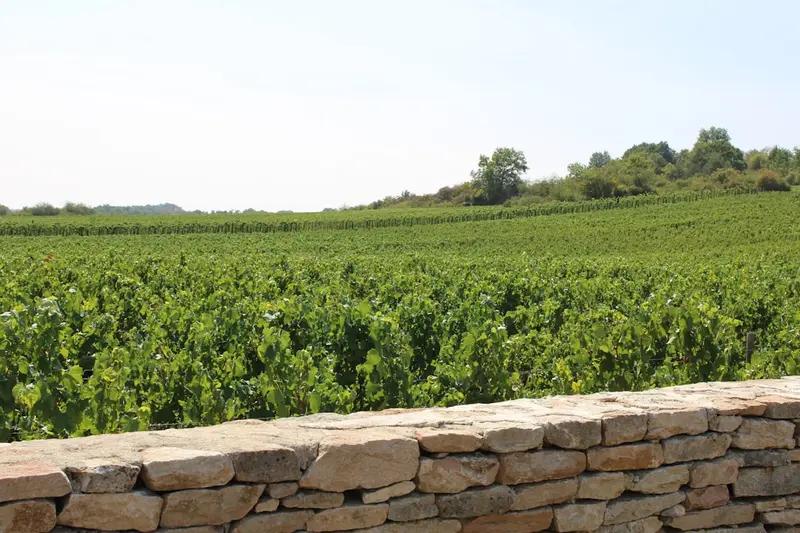
Welcome to Pommard, a picturesque village in the heart of the Côte de Beaune in Burgundy! Here, you'll immerse yourself in the world of fine red wines that have established this place's reputation as one of France's most prestigious appellations. Discover the historic walls and sprawling vineyards, which offer a unique backdrop for unforgettable moments of indulgence.
Meursault
Welcome to Meursault, the shining jewel in the heart of the Côte de Beaune! If you're looking for an authentic Burgundian experience that combines picturesque beauty with world-renowned viticulture, then you've come to the right place. This charming village is not only synonymous with its legendary white wines but also captivates with its typical Burgundian architecture and relaxed atmosphere that will immediately enchant you.
Sights in Burgundy (Bourgogne)
Discover the most important sights and attractions
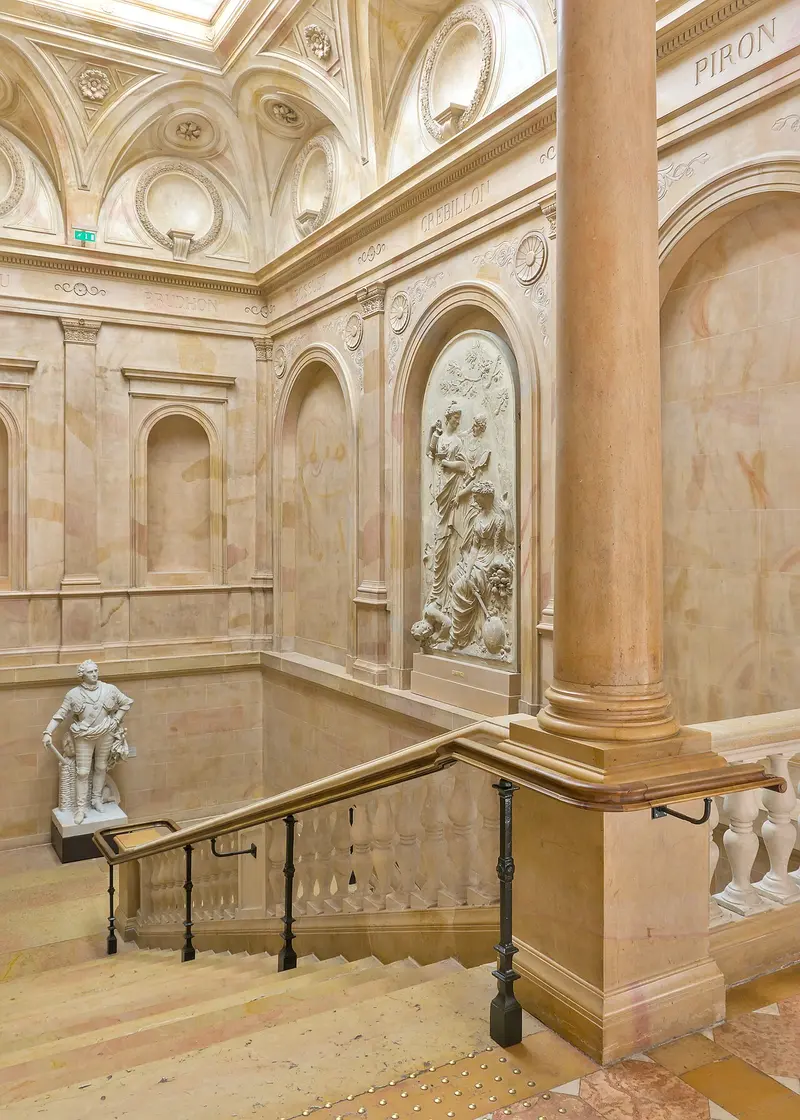
Herzogspalast von Dijon
Mittelalterlicher Palast mit Ausstellungsstücken aus dem Mittelalter und der Renaissance.
Burgundy possesses a deeply rooted cultural and historical heritage that significantly shapes the region. From its Roman origins, as found in Alésia, to the powerful Duchy of Burgundy, which played a central role in Europe during the Middle Ages, numerous monuments bear witness to this glorious past.Burgundy's architecture is rich and diverse, dominated by Romanesque masterpieces like the former Abbey of Cluny and the Basilica of Sainte-Marie-Madeleine in Vézelay, both UNESCO World Heritage sites that were the cradle of European monasticism. Gothic structures, especially the Ducal Palace in Dijon, also reflect the power and wealth of the dukes.Burgundy's cultural identity is inextricably linked to its winemaking tradition, whose “Climats” are UNESCO World Heritage sites and shape the landscape. This tradition cultivates specific rituals and a deep understanding of terroir. Furthermore, Burgundian gastronomy, with dishes like Boeuf Bourguignon and Dijon mustard, is an essential part of local life and an expression of a rich way of life.
Locations nearby
These places are nearby — perfect for additional days or a day trip.
Dijon
Dijon, the historic capital of Burgundy, impresses with a rich cultural heritage and outstanding gastronomy. Here you'll discover magnificent architecture, especially in the Palais des Ducs et des États de Bourgogne, which now houses the renowned Musée des Beaux-Arts. The well-preserved Old Town, with its half-timbered houses and the impressive Saint-Bénigne Cathedral, invites exploration. Inseparably linked to the city is its famous Dijon mustard, whose variety you should sample in local shops. A visit to the lively market hall Les Halles, designed by Gustave Eiffel, offers deep insights into the region's diverse products and culinary scene. For a comprehensive exploration of the highlights, the 'Parcours de la Chouette' is recommended. The best time to visit is spring or autumn, to experience the city in pleasant temperatures and with fewer tourists.
Gevrey-Chambertin
Welcome to Gevrey-Chambertin, the heart of the Côte de Nuits and an icon of the Burgundy Wine Route. This charming village, surrounded by some of France's most prestigious Grand Cru vineyards, invites you to immerse yourself in the world of fine Pinot Noir and discover the region's rich history and exquisite gastronomy. Experience the authentic Burgundian way of life in this world-renowned wine mecca.
Beaune
Beaune, the historic heart of the Burgundy wine region, captivates with its charming medieval ambience. The world-famous Hôtel-Dieu, also known as Hospices de Beaune, with its colourful roof, is a masterpiece of Gothic architecture and the central landmark. Explore the well-preserved city walls and stroll through the narrow streets of the old town, where numerous traditional wine cellars and boutiques invite you to linger. Beaune is the ideal starting point to discover the renowned vineyards of the Côte d'Or and participate in tastings that delve deep into the local wine culture. Culturally, the city is closely linked to the history of viticulture and the Dukes of Burgundy. For a relaxed experience, a visit in spring or autumn is recommended to discover the Grand Crus in peace and avoid the crowds.
Pommard
Welcome to Pommard, a picturesque village in the heart of the Côte de Beaune in Burgundy! Here, you'll immerse yourself in the world of fine red wines that have established this place's reputation as one of France's most prestigious appellations. Discover the historic walls and sprawling vineyards, which offer a unique backdrop for unforgettable moments of indulgence.
Dole
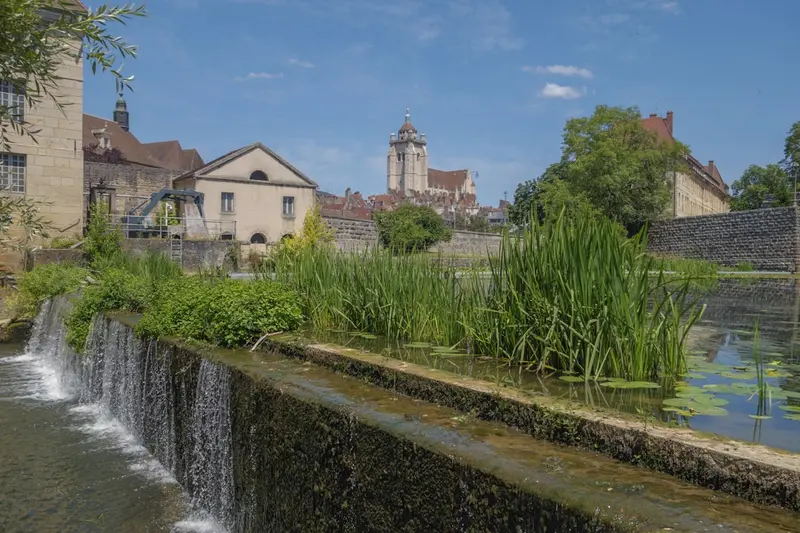
Dole, a charming city in Franche-Comté, is traversed by the Doubs River and rich in history. Here you'll discover picturesque canals, which give the city its nickname 'Venice of Franche-Comté,' and narrow alleyways. The imposing Collégiale Notre-Dame, with its bell tower, dominates the cityscape and is a striking example of Gothic architecture. Also particularly worth seeing is the birthplace of Louis Pasteur, which now houses a museum and offers insights into his life. Stroll along the Canal des Tanneurs to experience the former tanner's town, and enjoy the tranquil atmosphere on the banks of the Doubs. For an authentic glimpse into local life, a visit to the weekly market is recommended, where regional products are offered. The best time to visit is spring or autumn, when the weather is mild and tourist crowds are smaller.