Fernweh
    ExploreTravel GuidesMy Trips
    de|en
    About FernwehImprintFAQPrivacy Policy
    ExploreTravel GuidesMy Trips
    Dole

    Dole

    CityCulture
    1. Home
    2. Destinations
    3. France
    4. Dole
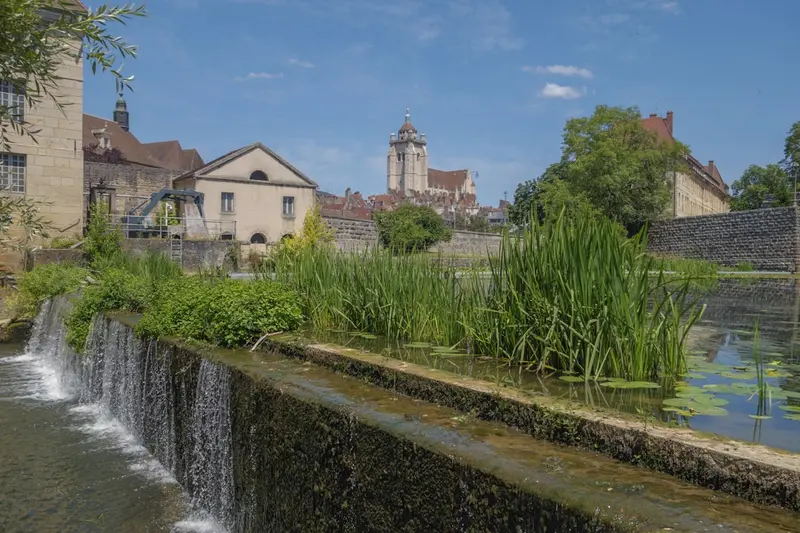
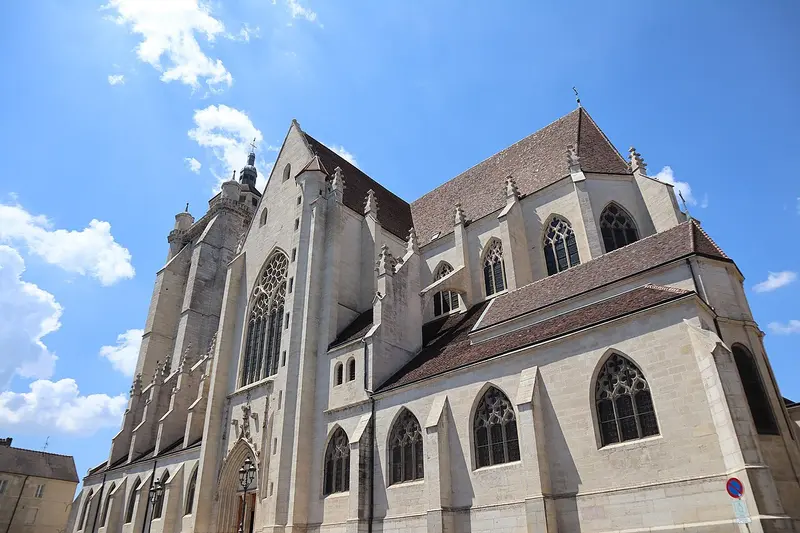
    Dole, a charming city in Franche-Comté, is traversed by the Doubs River and rich in history. Here you'll discover picturesque canals, which give the city its nickname 'Venice of Franche-Comté,' and narrow alleyways. The imposing Collégiale Notre-Dame, with its bell tower, dominates the cityscape and is a striking example of Gothic architecture. Also particularly worth seeing is the birthplace of Louis Pasteur, which now houses a museum and offers insights into his life. Stroll along the Canal des Tanneurs to experience the former tanner's town, and enjoy the tranquil atmosphere on the banks of the Doubs. For an authentic glimpse into local life, a visit to the weekly market is recommended, where regional products are offered. The best time to visit is spring or autumn, when the weather is mild and tourist crowds are smaller.
    • Neighborhoods & highlights
    • Walking tours
    • Eat & drink
    • Culture
    • Getting around
    • Accommodation
    • Plan trip
    • Nearby
    • Neighborhoods & highlights
    • Walking tours
    • Eat & drink
    • Culture
    • Getting around
    • Accommodation
    • Plan trip
    • Nearby

    Overview

    Dole, a historic town in Franche-Comté, is traversed by the Doubs River and boasts a rich cultural heritage. The town is crisscrossed by picturesque canals, earning it the nickname 'Venice of Franche-Comté,' and invites exploration of its narrow streets. The Collégiale Notre-Dame, with its distinctive bell tower, defines the cityscape as a significant example of Gothic architecture. Visit the birthplace of Louis Pasteur, now a museum offering insights into his scientific work. Along the Canal des Tanneurs, you can experience the history of the former tannery town; the banks of the Doubs also provide tranquil retreats. For authentic insights into local life, the weekly market, offering regional products, is highly recommended. A visit in spring or autumn is ideal, as the mild weather and fewer visitors make exploration easier.

    Places in Dole

    Discover the most important sights and attractions
    Sights in Dole

    Les gens sur le banc

    Attraction in 40B Rue des Vieilles Boucheries.
    Open in Google Maps

    Le Prelot

    Attraction in 39100 Dole.
    Open in Google Maps

    Pont Raynaud-III

    Attraction in 2 Rue du Prélot.
    Open in Google Maps

    Fontaine à l'Enfant

    Attraction in 36-38 Rue des Vieilles Boucheries.
    Open in Google Maps

    Collégiale Notre-Dame de Dole

    Church in Pl. Nationale.
    Open in Google Maps

    City walks in Dole

    Curated walking tours through the city's highlights — handpicked by experienced travel journalists.

    Doles Historische Schätze: Ein Spaziergang durch die Geburtsstadt Pasteurs

    Entdecken Sie Dole, die charmante Stadt in der Franche-Comté, auf einem zweistündigen Rundgang. Von majestätischer Gotik bis zu malerischen Kanälen – tauchen Sie ein in die reiche Geschichte und einzigartige Schönheit der Geburtsstadt Louis Pasteurs. Ein idealer Spaziergang, um die wichtigsten Sehenswürdigkeiten und die besondere Atmosphäre Doles kennenzulernen.

    In Google Maps öffnen
    Stopps (7)

    Dining & Drinks

    Dole's Historical Heritage and Architecture

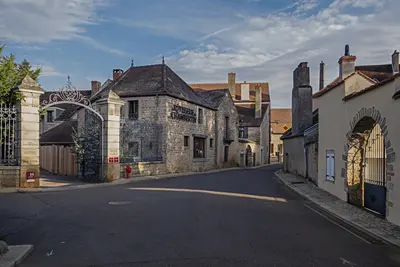
    The city of Dole in the Franche-Comté region is deeply rooted in its history, revealing a rich cultural and architectural heritage. As the former capital of the Free County of Burgundy, this era decisively shaped its urban landscape and identity.Visitors can experience the traces of past centuries firsthand in the well-preserved buildings and winding alleys.A central architectural testament is the Collegiate Church of Notre-Dame, whose construction began in the 16th century. It represents a blend of late Gothic and early Renaissance elements, dominating the city's skyline with its massive bell tower.Dole's old town is characterized by a well-preserved medieval layout with narrow streets and townhouses dating from the 15th to 18th centuries, which document the city's development as a significant commercial and judicial center. The Canal des Tanneurs, with its historical tanneries, recalls an ancient craft.Of great historical importance is also the birthplace of Louis Pasteur, now a museum that honors the life and work of the famous scientist. It serves as a central cultural focal point, highlighting Dole's intellectual history.The Musée des Beaux-Arts, housed in the former „Pavillon des Officiers“, displays collections of artworks from antiquity to the present day, underscoring the city's cultural diversity. Dole's history as a university town until its relocation to Besançon also shaped a long tradition of education and science.

    Exploring locally

    Dole lässt sich aufgrund seiner kompakten Größe hervorragend zu Fuß erkunden, insbesondere das historische Zentrum. Für weitere Strecken oder die Erkundung der näheren Umgebung bietet sich das lokale Busnetz an, oder man nutzt ein Fahrrad, um entlang des Canal du Rhône au Rhin zu radeln. Die Stadt ist zudem gut an das regionale Bahnnetz angebunden und dient als idealer Ausgangspunkt für Erkundungen der Region Franche-Comté.

    Accommodations in Dole

    Accommodations in Dole

    Find perfect stay in Dole

    Booking.com
    Search Hotels
    Agoda
    Search Hotels
    Airbnb
    Vacation Rentals
    Hotels.com
    Hotels Worldwide
    Hostelworld
    Hostels

    Campgrounds in Dole

    Find perfect campground in Dole

    Search via Google Maps
    Campgrounds nearby (15km)
    Camping.info
    Find Campgrounds
    Park4Night
    RV Parks & Camping

    Plan your trip to Dole

    Save places, build a route and plan your city trip — all in one place.

    Save places

    Bookmark sights, restaurants and neighborhoods you're interested in.

    Build your route

    Turn your bookmarks into a route — define order, days and budget.

    Refine with AI

    Let Mein Fernweh suggest experiences and put together a tailored daily plan.

    Start trip planningOpen bookmarks

    Locations nearby

    These places are nearby — perfect for additional days or a day trip.

    Gevrey-Chambertin

    Gevrey-Chambertin

    Welcome to Gevrey-Chambertin, the heart of the Côte de Nuits and an icon of the Burgundy Wine Route. This charming village, surrounded by some of France's most prestigious Grand Cru vineyards, invites you to immerse yourself in the world of fine Pinot Noir and discover the region's rich history and exquisite gastronomy. Experience the authentic Burgundian way of life in this world-renowned wine mecca.
    Burgundy (Bourgogne)

    Burgundy (Bourgogne)

    Burgundy (Bourgogne) is France's heartland for connoisseurs of wine, history, and gastronomy. This picturesque region entices with its world-renowned vineyards, Romanesque abbeys, and magnificent ducal palaces, which bear witness to a glorious past.Discover a landscape rich in cultural treasures, from medieval towns to idyllic canals, that invite you to linger and enjoy.
    Dijon

    Dijon

    Dijon, the historic capital of Burgundy, impresses with a rich cultural heritage and outstanding gastronomy. Here you'll discover magnificent architecture, especially in the Palais des Ducs et des États de Bourgogne, which now houses the renowned Musée des Beaux-Arts. The well-preserved Old Town, with its half-timbered houses and the impressive Saint-Bénigne Cathedral, invites exploration. Inseparably linked to the city is its famous Dijon mustard, whose variety you should sample in local shops. A visit to the lively market hall Les Halles, designed by Gustave Eiffel, offers deep insights into the region's diverse products and culinary scene. For a comprehensive exploration of the highlights, the 'Parcours de la Chouette' is recommended. The best time to visit is spring or autumn, to experience the city in pleasant temperatures and with fewer tourists.
    Beaune

    Beaune

    Beaune, the historic heart of the Burgundy wine region, captivates with its charming medieval ambience. The world-famous Hôtel-Dieu, also known as Hospices de Beaune, with its colourful roof, is a masterpiece of Gothic architecture and the central landmark. Explore the well-preserved city walls and stroll through the narrow streets of the old town, where numerous traditional wine cellars and boutiques invite you to linger. Beaune is the ideal starting point to discover the renowned vineyards of the Côte d'Or and participate in tastings that delve deep into the local wine culture. Culturally, the city is closely linked to the history of viticulture and the Dukes of Burgundy. For a relaxed experience, a visit in spring or autumn is recommended to discover the Grand Crus in peace and avoid the crowds.
    Pommard

    Pommard

    Welcome to Pommard, a picturesque village in the heart of the Côte de Beaune in Burgundy! Here, you'll immerse yourself in the world of fine red wines that have established this place's reputation as one of France's most prestigious appellations. Discover the historic walls and sprawling vineyards, which offer a unique backdrop for unforgettable moments of indulgence.