Fernweh
    ExploreTravel GuidesMy Trips
    de|en
    About FernwehImprintFAQPrivacy Policy
    ExploreTravel GuidesMy Trips
    Dijon

    Dijon

    CityCulture
    1. Home
    2. Destinations
    3. France
    4. Burgundy (Bourgogne)
    5. Dijon
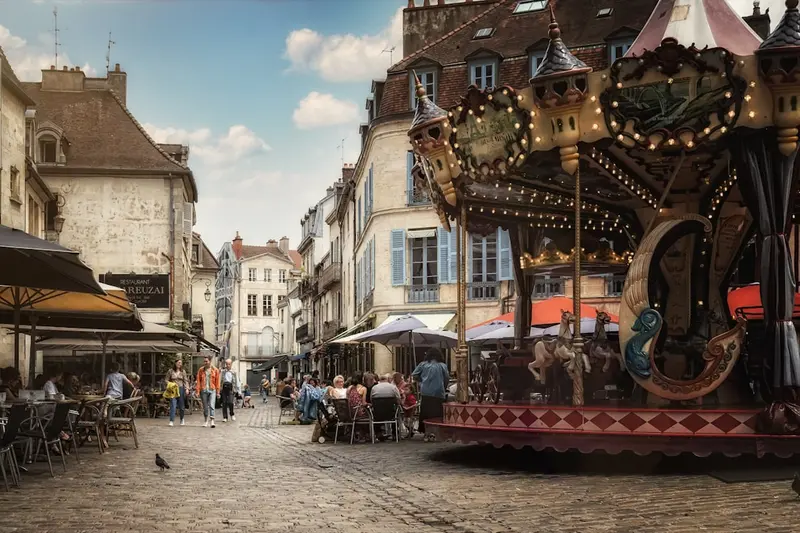
    Dijon, the historic capital of Burgundy, impresses with a rich cultural heritage and outstanding gastronomy. Here you'll discover magnificent architecture, especially in the Palais des Ducs et des États de Bourgogne, which now houses the renowned Musée des Beaux-Arts. The well-preserved Old Town, with its half-timbered houses and the impressive Saint-Bénigne Cathedral, invites exploration. Inseparably linked to the city is its famous Dijon mustard, whose variety you should sample in local shops. A visit to the lively market hall Les Halles, designed by Gustave Eiffel, offers deep insights into the region's diverse products and culinary scene. For a comprehensive exploration of the highlights, the 'Parcours de la Chouette' is recommended. The best time to visit is spring or autumn, to experience the city in pleasant temperatures and with fewer tourists.
    • Neighborhoods & highlights
    • Walking tours
    • Eat & drink
    • Culture
    • Nightlife
    • Getting around
    • Accommodation
    • Plan trip
    • Nearby
    • Neighborhoods & highlights
    • Walking tours
    • Eat & drink
    • Culture
    • Nightlife
    • Getting around
    • Accommodation
    • Plan trip
    • Nearby

    Overview

    Dijon, once the mighty capital of the Duchy of Burgundy, presents itself today as a city with significant historical heritage and a distinct culinary tradition. Here you discover impressive structures such as the Palais des Ducs et des États de Bourgogne, which houses the renowned Musée des Beaux-Arts, and the imposing Cathedral Saint-Bénigne. Its well-preserved old town, with characteristic half-timbered houses and cobbled alleys, invites extended explorations. Visiting the lively market hall Les Halles, a work by Gustave Eiffel, provides deep insights into the region's product variety and the city's culinary soul, where you can also sample the famous Dijon mustard in various forms. For a structured discovery of the main sights, the signposted 'Parcours de la Chouette' is recommended. May to June or September to October are ideal for a visit, as the weather is pleasant and crowds are more moderate.

    Places in Dijon

    Discover the most important sights and attractions

    Sights in Dijon

    1Musée des Beaux-Arts

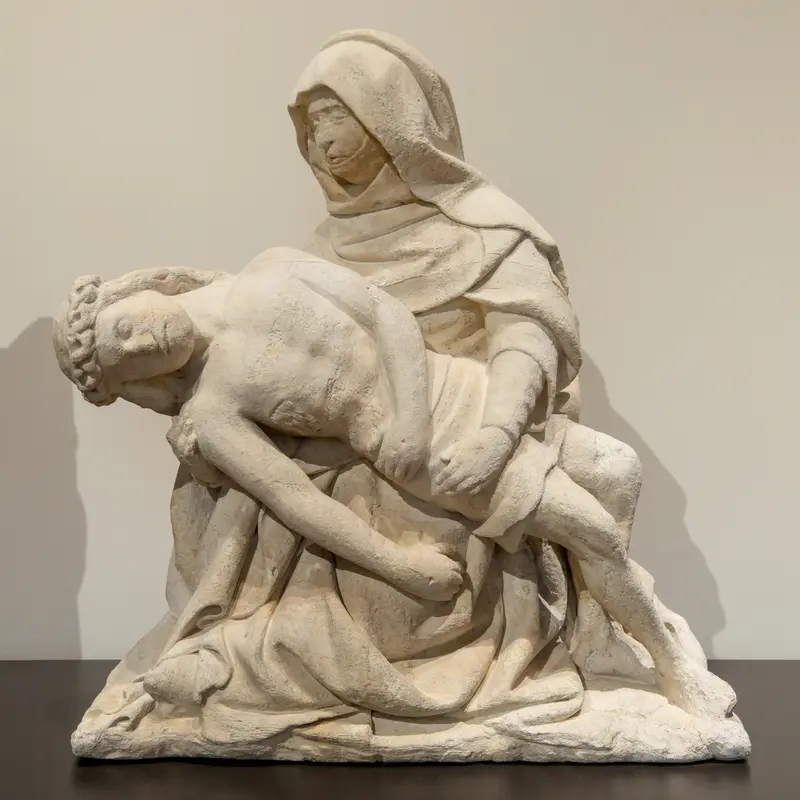
    The Musée des Beaux-Arts in Dijon is one of France’s oldest and most significant museums. It is located in the former Palace of the Dukes of Burgundy, a historic building that is an attraction in itself. Here you will find an impressive collection spanning from antiquity to modern art. A particular focus is on medieval and Renaissance art, especially works connected with the glorious history of the Burgundian Dukes. The famous Salle des Gardes houses the magnificent tombs of Philip the Bold and John the Fearless, masterpieces of late medieval sculpture that you absolutely must see. Besides these historic treasures, the museum also offers extensive collections of French and European paintings from the 17th to the 20th century. Our Tip: To avoid the crowds and enjoy the artworks in peace, we recommend a visit right after opening in the morning. Plan enough time to explore the various eras and the architectural splendor of the palace.
    Open in Google Maps

    2Notre-Dame de Dijon

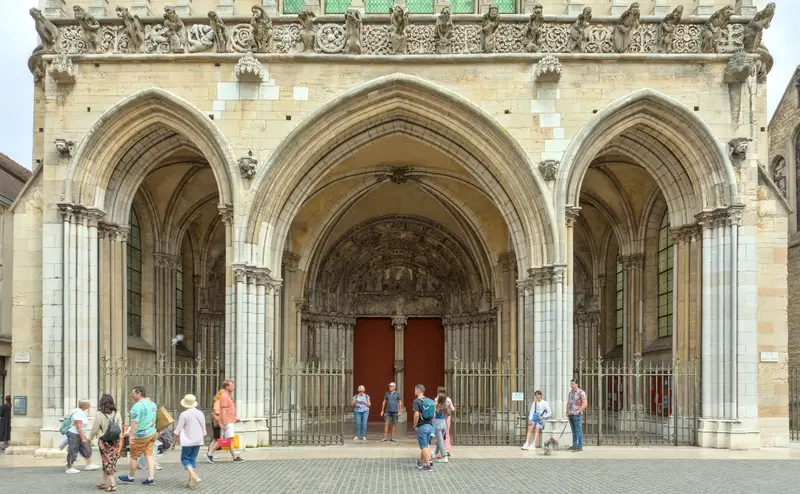
    The Notre-Dame de Dijon is an outstanding collegiate church and a masterpiece of Burgundian Gothic from the early 13th century. Its unique west facade, built between 1220 and 1240, features two rows of false gargoyles, giving it a distinctive appearance. Above the facade is crowned by the famous Jacquemart Clock, war booty from Courtrai from 1382, whose figures strike the bells every hour. Inside, you'll be impressed by the original 13th-century stained-glass windows, among the oldest in Burgundy, as well as the revered statue of Notre-Dame de Bon-Espoir, a Black Madonna. This church is a central testament to Dijon's medieval architecture and spirituality. Our Tip: Visit the church early in the morning to enjoy the tranquility and photograph the facade's details without large crowds. Pay special attention to the Jacquemart Clock on the hour. For a comprehensive experience, you can also explore the crypt.
    Open in Google Maps

    3Natural History Museum

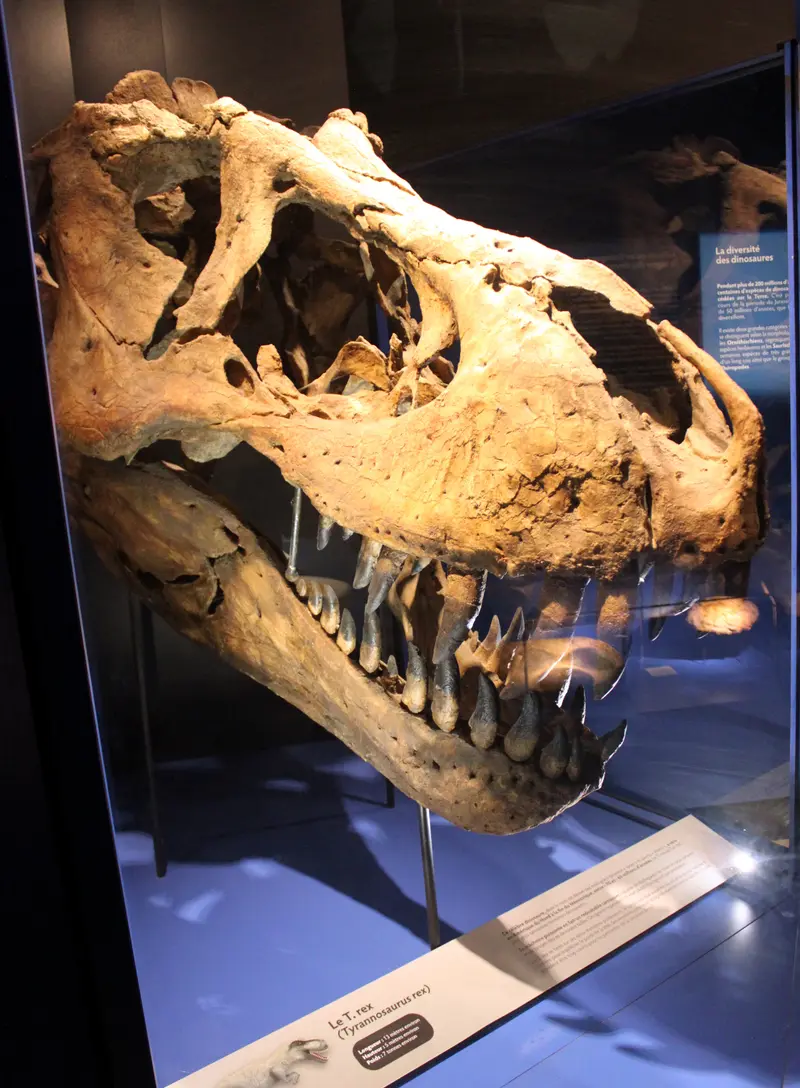
    The Dijon Natural History Museum, located in the heart of the Jardin de l'Arquebuse, offers a deep insight into the natural history of Burgundy and beyond. Its origins trace back to the late 18th century, when the first collections of natural specimens and curiosities were assembled. Today, the museum houses extensive zoological, botanical, and geological exhibits that vividly document the region's biodiversity. Here you'll find impressive skeletons of prehistoric animals, detailed herbariums, and a diverse insect collection. Particularly noteworthy is the permanent exhibition on regional fauna and flora, bringing you closer to Burgundy's unique landscape. The museum is housed in a historic building, whose architecture alone is worth a visit. A practical tip: Plan your visit to also allow time for a stroll through the adjacent Botanical Garden, which perfectly complements the indoor exhibits. To view the exhibits peacefully, a weekday morning visit is recommended to avoid the largest crowds.
    Open in Google Maps

    4Colombière Park

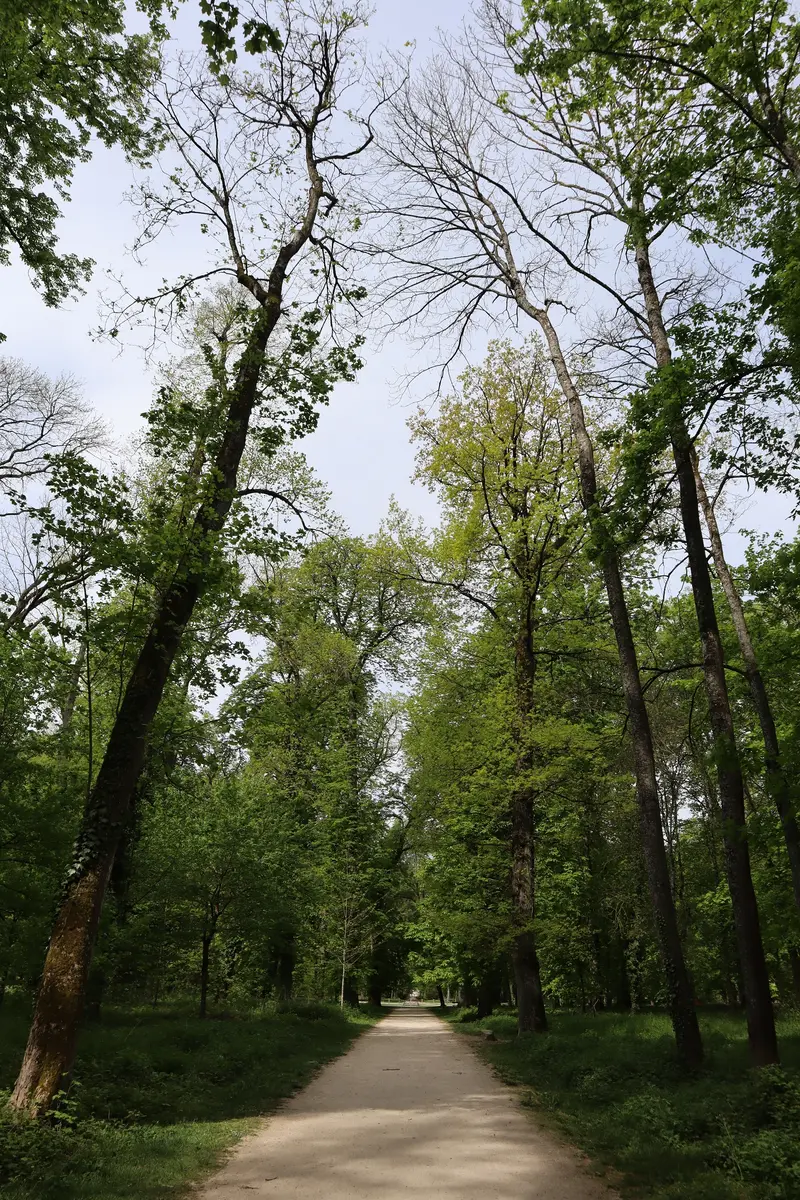
    The Parc de la Colombière in Dijon is a historical gem, with origins dating back to the 17th century. It was designed by Jules Hardouin-Mansart, a pupil of André Le Nôtre, the renowned landscape architect of Versailles. Here you'll find a classic French garden layout with strictly symmetrical avenues lined by majestic trees. A central water basin and numerous statues define its appearance and invite long walks. The park originally served as a hunting ground for the Dukes of Burgundy and is now a popular recreational spot for locals and visitors alike. Our Tip: Visit the park in the early morning to enjoy the tranquility and capture the special lighting. For an undisturbed experience, it's best to avoid weekend afternoons, when many families are out.
    Open in Google Maps

    5Herzogspalast von Dijon

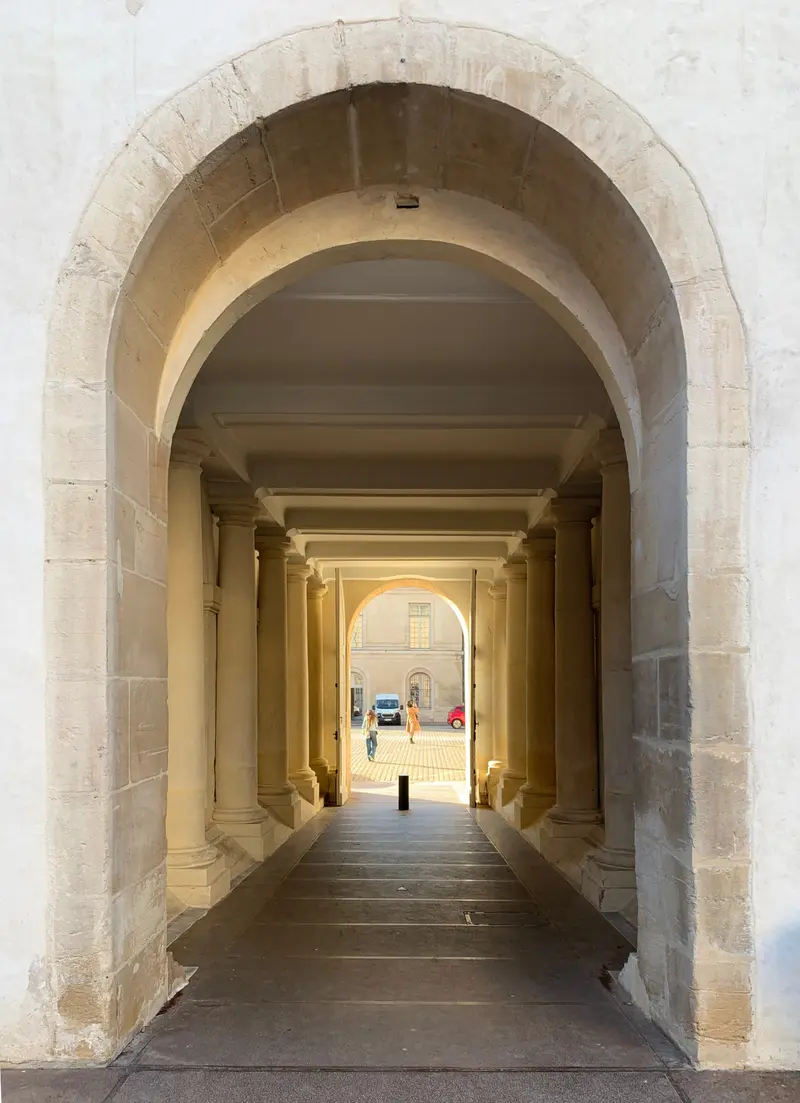
    The Dukes' Palace of Dijon, also known as the Palais des Ducs et des États de Bourgogne, is a monumental edifice that reflects Burgundy's rich history. Originally the residence of the powerful Dukes of Burgundy during the Middle Ages, it symbolizes their political influence and cultural wealth. Here you'll find an impressive blend of medieval and classical architecture, shaped over centuries.Today, the palace houses the Musée des Beaux-Arts, one of France's oldest and most significant museums. It presents an outstanding collection of artworks, including the tombs of Dukes Philip the Bold and John the Fearless. A highlight is the climb up the Tour Philippe le Bon. From its summit, you'll enjoy unparalleled panoramic views over Dijon and the surrounding landscape. The former Ducal kitchens are also accessible, offering insight into courtly life.Our tip: To avoid the crowds and enjoy the tower's view in peace, an early morning visit is recommended. Plan enough time for the museum, as the collections are very extensive. For the best photo of the palace itself, position yourself on the Place de la Libération, especially at sunset, when the light bathes the façade in gold.
    Open in Google Maps

    City walks in Dijon

    Curated walking tours through the city's highlights — handpicked by experienced travel journalists.

    Dijons Herzschlag: Ein Spaziergang durch Historie und Genuss

    Entdecken Sie die charmante Hauptstadt Burgunds auf einem gemütlichen 2-stündigen Spaziergang. Von den prächtigen Herzogsresidenzen bis zu versteckten Gassen mit Fachwerkhäusern – tauchen Sie ein in Dijons reiche Geschichte, beeindruckende Architektur und die berühmte burgundische Lebensart.

    In Google Maps öffnen
    Stopps (8)

    Food and Drink

    Dijon: Cultural and Historical Heritage

    Dijon, the historic capital of the Duchy of Burgundy, is deeply rooted in art and history. The city gained particular importance in the Middle Ages and early Renaissance under the Dukes of Burgundy, who were patrons of the arts and ruled a major European power. This era profoundly shaped the city as a center for education, art, and trade.Dijon's architecture bears witness to this glorious past. The imposing Palace of the Dukes and Estates of Burgundy, now home to the Musée des Beaux-Arts, is an outstanding example of Gothic and Neoclassical architecture. In addition, numerous well-preserved half-timbered houses, magnificent noble mansions, and religious buildings such as the Notre-Dame Church with its unique owl figure define the historic cityscape.Culturally, Dijon is closely linked to its gastronomic tradition, especially Dijon mustard, whose production has a long history here. The Burgundy wine region also strongly influences local culture. The “chouette” (owl) on the Notre-Dame Church is also a local symbol of luck; it is a popular tradition to stroke it with your left hand.The city preserves its rich heritage through numerous museums, galleries, and annual festivals that keep Burgundy's artistic diversity and history alive and make them tangible for visitors.

    Nightlife

    Dijon awakens to new life after sunset, offering a charming blend of cozy evenings and vibrant nights. Whether elegant wine bars in the city's historic heart, trendy cocktail lounges, or lively clubs – every traveler will find their perfect way to unwind.

    Getting around here

    Dijon is best explored on foot, especially its charming old town. For longer journeys and to venture beyond the city limits, efficient public transport, including trams and buses, is available. Cycling is also a popular and eco-friendly option for exploring the city and its surroundings.

    Accommodations in Dijon

    Accommodations in Dijon

    Find perfect stay in Dijon

    Booking.com
    Search Hotels
    Agoda
    Search Hotels
    Airbnb
    Vacation Rentals
    Hotels.com
    Hotels Worldwide
    Hostelworld
    Hostels

    Campgrounds in Dijon

    Find perfect campground in Dijon

    Search via Google Maps
    Campgrounds nearby (15km)
    Camping.info
    Find Campgrounds
    Park4Night
    RV Parks & Camping

    Plan your trip to Dijon

    Save places, build a route and plan your city trip — all in one place.

    Save places

    Bookmark sights, restaurants and neighborhoods you're interested in.

    Build your route

    Turn your bookmarks into a route — define order, days and budget.

    Refine with AI

    Let Mein Fernweh suggest experiences and put together a tailored daily plan.

    Start trip planningOpen bookmarks

    Locations nearby

    These places are nearby — perfect for additional days or a day trip.

    Burgundy (Bourgogne)

    Burgundy (Bourgogne)

    Burgundy (Bourgogne) is France's heartland for connoisseurs of wine, history, and gastronomy. This picturesque region entices with its world-renowned vineyards, Romanesque abbeys, and magnificent ducal palaces, which bear witness to a glorious past.Discover a landscape rich in cultural treasures, from medieval towns to idyllic canals, that invite you to linger and enjoy.
    Gevrey-Chambertin

    Gevrey-Chambertin

    Welcome to Gevrey-Chambertin, the heart of the Côte de Nuits and an icon of the Burgundy Wine Route. This charming village, surrounded by some of France's most prestigious Grand Cru vineyards, invites you to immerse yourself in the world of fine Pinot Noir and discover the region's rich history and exquisite gastronomy. Experience the authentic Burgundian way of life in this world-renowned wine mecca.
    Beaune

    Beaune

    Beaune, the historic heart of the Burgundy wine region, captivates with its charming medieval ambience. The world-famous Hôtel-Dieu, also known as Hospices de Beaune, with its colourful roof, is a masterpiece of Gothic architecture and the central landmark. Explore the well-preserved city walls and stroll through the narrow streets of the old town, where numerous traditional wine cellars and boutiques invite you to linger. Beaune is the ideal starting point to discover the renowned vineyards of the Côte d'Or and participate in tastings that delve deep into the local wine culture. Culturally, the city is closely linked to the history of viticulture and the Dukes of Burgundy. For a relaxed experience, a visit in spring or autumn is recommended to discover the Grand Crus in peace and avoid the crowds.
    Pommard

    Pommard

    Welcome to Pommard, a picturesque village in the heart of the Côte de Beaune in Burgundy! Here, you'll immerse yourself in the world of fine red wines that have established this place's reputation as one of France's most prestigious appellations. Discover the historic walls and sprawling vineyards, which offer a unique backdrop for unforgettable moments of indulgence.
    Dole

    Dole

    Dole, a charming city in Franche-Comté, is traversed by the Doubs River and rich in history. Here you'll discover picturesque canals, which give the city its nickname 'Venice of Franche-Comté,' and narrow alleyways. The imposing Collégiale Notre-Dame, with its bell tower, dominates the cityscape and is a striking example of Gothic architecture. Also particularly worth seeing is the birthplace of Louis Pasteur, which now houses a museum and offers insights into his life. Stroll along the Canal des Tanneurs to experience the former tanner's town, and enjoy the tranquil atmosphere on the banks of the Doubs. For an authentic glimpse into local life, a visit to the weekly market is recommended, where regional products are offered. The best time to visit is spring or autumn, when the weather is mild and tourist crowds are smaller.