Fernweh
    ExploreTravel GuidesMy Trips
    de|en
    All Places & RegionsAbout FernwehImprintFAQPrivacy Policy
    ExploreTravel GuidesMy Trips
    Porto (Corsica)
    Village

    Porto (Corsica)

    Porto is a small coastal village on Corsica's west coast, part of the Ota municipality. It lies at the end of the Gulf of Porto, which a Genoese watchtower on a rock above the river mouth overlooks.

    More
    1. Home
    2. Destinations
    3. France
    4. Corsica
    5. Porto (Corsica)
    Porto is a small coastal village on Corsica's west coast, part of the Ota municipality. It lies at the end of the Gulf of Porto, which a Genoese watchtower on a rock above the river mouth overlooks. The Gulf, with the Calanques de Piana, the Bay of Girolata, and the Scandola Nature Reserve, has been a UNESCO World Heritage site since 1983.Boat trips depart from the harbor along red porphyry cliffs to Scandola and Girolata, accessible only by water or on foot. Inland, hiking trails lead through the Spelunca Gorge; the Piana coastal road is deemed one of the island's most striking.
    Porto is a small village of only a few hundred inhabitants, living primarily from visitors to the Gulf. It consists of the quarter by the marina with a tower and pebble beach, and a street with hotels and restaurants in the river valley. Porto is an ideal base for two to three days to combine boat trips, the Calanques de Piana, and hikes. Outside of the main season, many businesses are closed.

    Sights in Porto (Corsica)

    Discover the most important sights and attractions

    Scandola Nature Reserve
    LySioS-wkp / Wikimedia Commons / CC BY-SA 4.0

    Scandola Nature Reserve

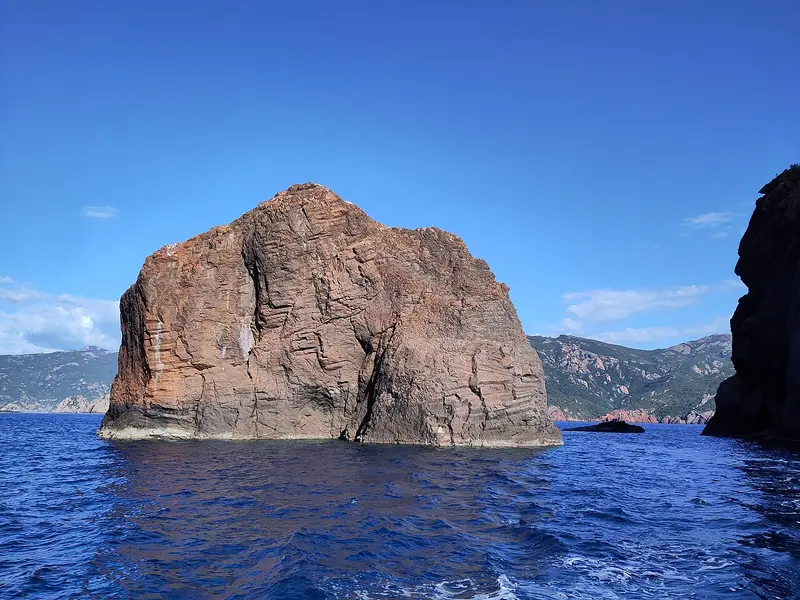
    The Scandola Peninsula Nature Reserve protects red volcanic rocks, grottos, and a rich underwater world. It can only be experienced from the sea: Excursion boats depart in season from Porto harbour.
    Open in Google Maps
    Genoese Tower of Porto
    Pierre Bona / Wikimedia Commons / CC BY-SA 3.0

    Genoese Tower of Porto

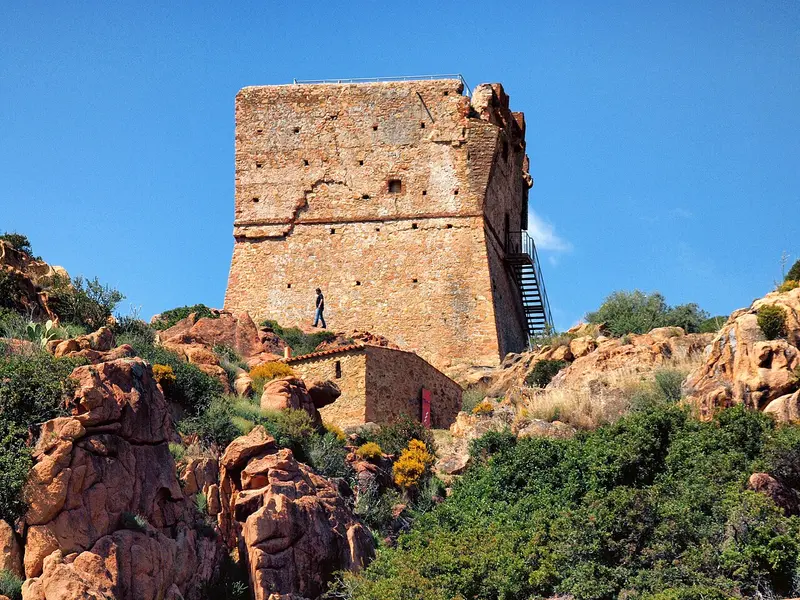
    The square 16th-century watchtower stands on a rock overlooking the mouth of the Porto River. From the top, you'll enjoy views over the Gulf, especially atmospheric at sunset.
    Open in Google Maps
    Girolata
    Guallendra / Wikimedia Commons / CC BY-SA 4.0

    Girolata

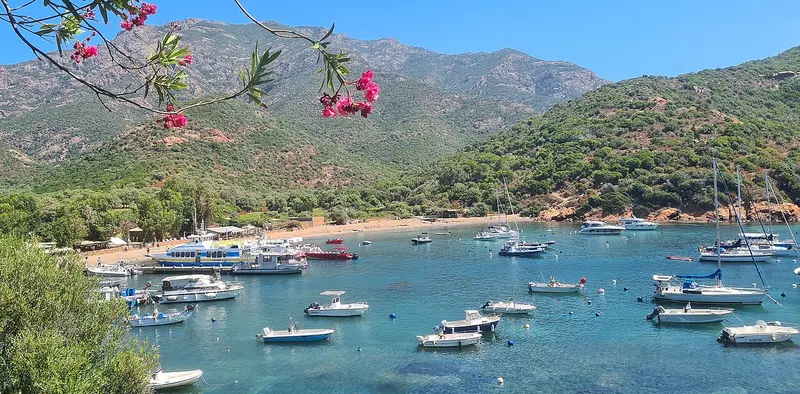
    The small fishing village with its Genoese fort is not accessible by road, but only by boat or via a footpath from the Col de la Croix. Many boat tours to Scandola make a stop here.
    Open in Google Maps

    Sights in Porto (Corsica)

    Discover the most important sights and attractions

    Scandola Nature Reserve
    LySioS-wkp / Wikimedia Commons / CC BY-SA 4.0

    1Scandola Nature Reserve

    The Scandola Peninsula Nature Reserve protects red volcanic rocks, grottos, and a rich underwater world. It can only be experienced from the sea: Excursion boats depart in season from Porto harbour.
    Open in Google Maps
    Genoese Tower of Porto
    Pierre Bona / Wikimedia Commons / CC BY-SA 3.0

    2Genoese Tower of Porto

    The square 16th-century watchtower stands on a rock overlooking the mouth of the Porto River. From the top, you'll enjoy views over the Gulf, especially atmospheric at sunset.
    Open in Google Maps
    Girolata
    Guallendra / Wikimedia Commons / CC BY-SA 4.0

    3Girolata

    The small fishing village with its Genoese fort is not accessible by road, but only by boat or via a footpath from the Col de la Croix. Many boat tours to Scandola make a stop here.
    Open in Google Maps

    Restaurants in Porto (Corsica)

    Food & Drink

    Fish from the Gulf

    The port restaurants offer freshly caught fish and seafood on their menus, often simply grilled with olive oil and herbs.

    Brocciu

    The Corsican fresh cheese, made from sheep's or goat's milk, fills omelets, cannelloni, and the Fiadone cheesecake.

    Culture

    Genoese TowersThe Tower of Porto is one of many watchtowers the Republic of Genoa built around Corsica in the 16th century against pirate raids. Dozens remain today.UNESCO World Heritage SiteThe Gulf of Porto, with the Calanques de Piana, the Gulf of Girolata, and the Scandola Nature Reserve, was designated a World Heritage site in 1983. The reserve is strictly protected; landing is prohibited there.

    On site exploring

    Porto is best reached by car, via the winding coastal road from Piana or Calvi. Allow plenty of time for short distances.The village itself is small and can be explored on foot; a path leads from the harbour up to the Genoese Tower.Boat trips to Scandola and Girolata depart from the harbour during the season.

    Day Trips

    Calanques de Piana

    Experience the bizarre red granite formations between Porto and Piana from the coastal road, hiking trails, or by boat.

    Gorges de Spelunca

    An old mule track leads through the gorge between Ota and Evisa, past Genoese bridges and swimming spots in the river.

    Girolata and Scandola

    The boat trip along the cliffs is the classic excursion from Porto and takes you to places that no road reaches.

    Accommodations in Porto (Corsica)

    Find perfect stay in Porto (Corsica)

    Booking.com
    Search Hotels
    Agoda
    Search Hotels
    Airbnb
    Vacation Rentals
    Hotels.com
    Hotels Worldwide
    Hostelworld
    Hostels

    Campgrounds in Porto (Corsica)

    Find perfect campground in Porto (Corsica)
    Search via Google Maps
    Campgrounds nearby (15km)
    Camping.info
    Find Campgrounds
    Park4Night
    RV Parks & Camping

    Nearby

    Calanques de Piana

    Calanques de Piana

    The Calanques de Piana on Corsica's west coast form an impressive natural setting of red porphyry rock. These dramatic rock formations, plunging steeply into the deep blue Mediterranean Sea, have been a UNESCO World Natural Heritage site since 1983. Here, you'll find bizarre sculptures shaped by erosion, resembling fantastic figures. A boat trip, often departing from Porto, offers the best perspective of the majestic cliffs and their caves. Alternatively, you can explore the Calanques on hiking trails like the Sentier des Muletiers, which provides spectacular views. Visit the area ideally in the early morning or late afternoon, when the light colors the red rocks most intensely.
    Restonica Valley

    Restonica Valley

    The Vallée de la Restonica, situated near the historic city of Corte, presents itself as one of Corsica's most striking natural experiences. Here, you traverse an impressive mountain landscape, shaped by the wild Restonica river, which meanders through deep gorges and forms crystal-clear pools. The absolute highlight are the two high-alpine glacial lakes, the Lac de Melo and the Lac de Capitello, which you reach via challenging hiking trails. These routes lead you through shady Corsican pine forests and over rocky terrain, allowing you to discover the region's unique flora and fauna. The starting point for hikes to the lakes is at the Bergeries de Grotelle; ideally, plan your visit in early summer or autumn to avoid the largest tourist crowds and potential access restrictions. Sturdy footwear and good physical condition are essential for the more demanding tours. Alternatively, the lower river sections offer more relaxed walks and swimming opportunities.
    Calvi

    Calvi

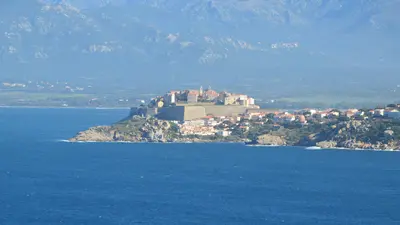
    Calvi is located on the northwest coast of Corsica in the Balagne region. The Genoese citadel on a headland above the bay dominates the townscape, and local tradition declares Calvi to be the birthplace of Christopher Columbus. During the British siege of 1794, Horatio Nelson lost the sight in one eye here.Below the fortress lie the harbour and lower town with quayside cafés, and to the east stretches a kilometre-long sandy beach backed by a pine forest. With its own airport and seasonal ferry connections, Calvi is a good starting point for the villages of Balagne and the coastal railway to L'Île-Rousse.
    Corte

    Corte

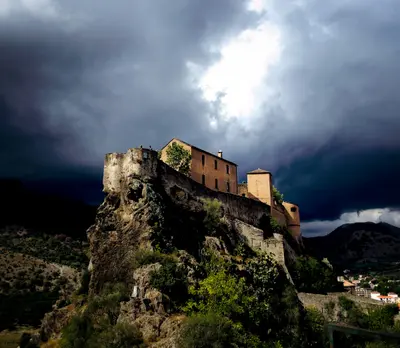
    Corte lies in the mountainous heart of Corsica, at the confluence of Tavignano and Restonica. Above the town, the citadel rises on a steep rock. From 1755 to 1769, under Pasquale Paoli, Corte was the capital of the independent Corsican Republic and is still considered the island's historical center.The Università di Corsica, the island's only university, gives the small town a youthful feel. In the citadel, the Museu di a Corsica showcases the island's folk culture. Corte is also a starting point for hikes into the gorges of Restonica and Tavignano and lies on the railway line between Bastia and Ajaccio.
    Ajaccio

    Ajaccio

    Ajaccio, Napoleon's birthplace, offers historical and cultural highlights. Visit the Maison Bonaparte and the Cathedral of Notre-Dame-de-l'Assomption. The Vieille Ville, with its market at Place Foch, invites you to stroll. The Musée Fesch presents a significant collection of Italian painting, bequeathed by Napoleon's uncle. The harbor promenade, with views of the Îles Sanguinaires, is particularly charming at sunset; avoid the summer high season.