Fernweh: Home
    ExploreTravel GuidesPlan a tripMy tripLast visited
    de|en
    All Places & RegionsAll highlightsAbout FernwehFAQPrivacy PolicyImprint
    ExploreTravel GuidesPlan a tripMy tripLast visited
    • Overview
    • Places in the region
    • Eat & drink
    • Food culture
    • Culture
    • Getting around
    • Round trips
    • Nearby
    Corsica

    France

    Corsica

    Region

    Corsica, the "Île de Beauté", is a mountainous Mediterranean island with its own administrative region within France, the Collectivité de Corse.

    by Felix Gillen

    1. Home
    2. Destinations
    3. France
    4. Corsica
    Corsica, the "Île de Beauté", is a mountainous Mediterranean island with its own administrative region within France, the Collectivité de Corse. It boasts rocky coasts, sandy coves, mountain villages, chestnut forests and high mountains with peaks over 2,700m. Featuring Genoese citadels, port cities like Ajaccio and Bastia, UNESCO World Heritage, Gulf of Porto, and a distinct culture with its own language.
    Corsica, the Île de Beauté, combines rugged mountain landscapes with idyllic coastlines and a distinct culture. You'll experience the dramatic red rock formations of the UNESCO-protected Calanques de Piana and the impressive clifftop town of Bonifacio in the south. In Ajaccio, discover Napoleon's birthplace. Corte, in the island's interior, forms the heart of Corsican identity, reflected in its language, traditions, and cuisine. For hikes outside peak season, spring or autumn is ideal.
    Porto (Corsica)
    Myrabella / Wikimedia Commons / CC BY-SA 3.0

    Place 1 of 4

    Porto (Corsica)

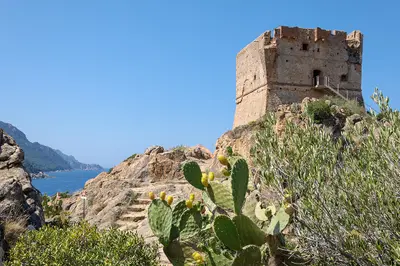
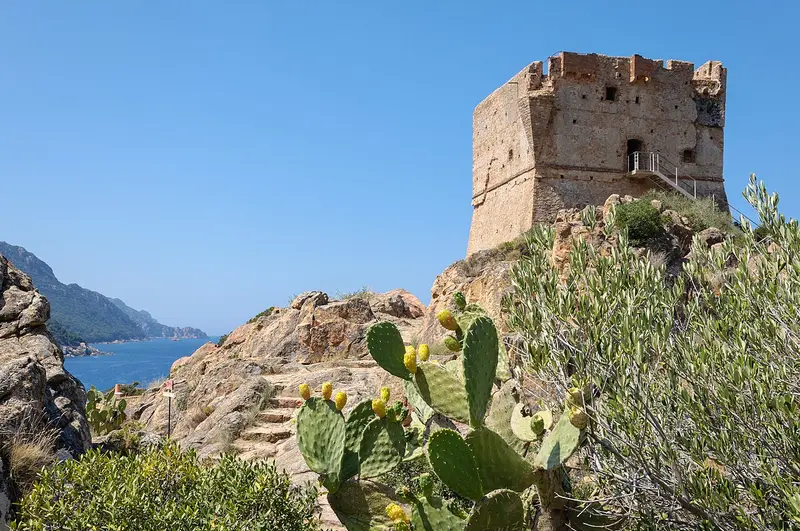
    Porto is a small coastal village on Corsica's west coast, part of the Ota municipality. It lies at the end of the Gulf of Porto, which a Genoese watchtower on a rock above the river mouth overlooks.

    Discover
    Corte

    Place 2 of 4

    Corte

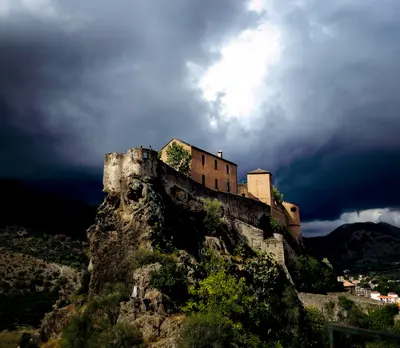
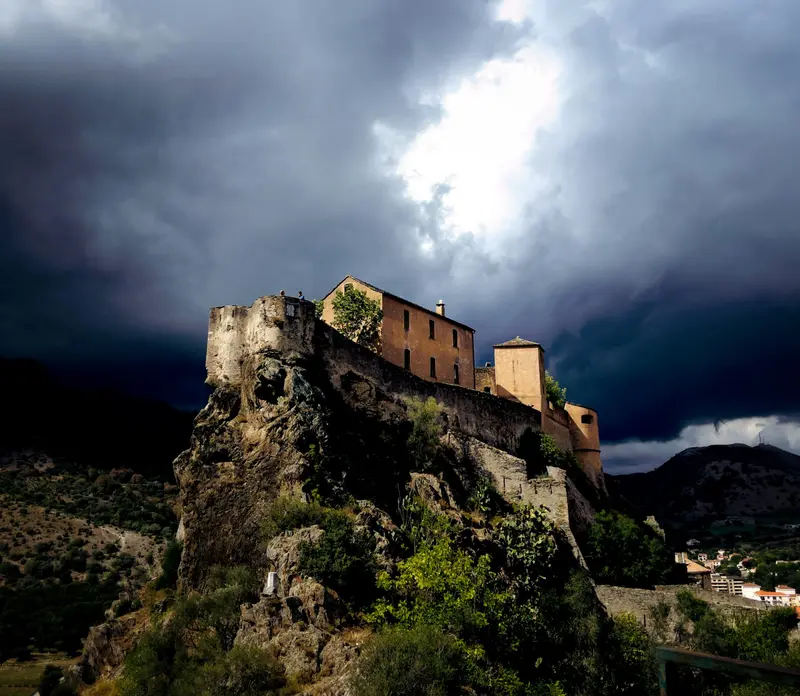
    Corte lies in the mountainous heart of Corsica, at the confluence of Tavignano and Restonica. Above the town, the citadel rises on a steep rock.

    Discover
    Ajaccio

    Place 3 of 4

    Ajaccio

    Ajaccio, Napoleon's birthplace, offers historical and cultural highlights. Visit the Maison Bonaparte and the Cathedral of Notre-Dame-de-l'Assomption.

    Discover
    Bastia

    Place 4 of 4

    Bastia

    Bastia, Corsica's second-largest city, captivates with maritime charm and rich Genoese history. You'll discover architecture, strongly shaped by the past, especially in the quarter around the **Citadel**.

    Discover

    More places in Corsica

    Bonifacio

    Bonifacio

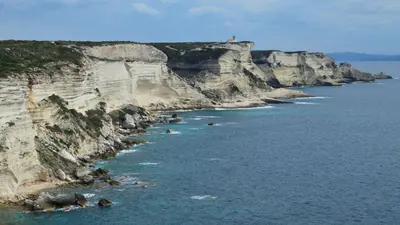
    The city of Bonifacio in Corsica captivates with its spectacular location on white limestone cliffs that rise steeply from the Mediterranean Sea. The medieval citadel majestically overlooks the sea, inviting exploration with its narrow streets and historic buildings. Particularly impressive is the rock-hewn Stairs of the King of Aragon, a testament to the town's eventful history. From the upper part of the town, you'll enjoy expansive views over the Strait of Bonifacio to Sardinia, while the sheltered natural harbor forms a lively center. For the best perspective on the steep cliffs and sea caves, a boat trip is highly recommended. Plan your visit in spring or autumn to experience Bonifacio's unique atmosphere without the summer crowds.
    Calanques de Piana

    Calanques de Piana

    The Calanche de Piana on Corsica's west coast is a landscape of red granite, dropping steeply into the sea. Together with the Gulf of Porto, Girolata, and the Scandola Reserve, they have been a UNESCO World Heritage site since 1983. Wind and water have eroded the rock into shapes where you can recognize many animal heads or faces. A boat trip from Porto shows the cliffs and grottoes from the sea. On foot, you can explore the Calanche on trails like the Sentier des Muletiers or to the Château Fort. In the early morning and late afternoon, the rock glows most intensely.
    Cap Corse

    Cap Corse

    Cap Corse in northern Corsica is a wild, authentic peninsula with rugged coasts and dense maquis.The D80 panoramic road offers spectacular views and passes historical Genoese towers.Discover charming fishing ports like Erbalunga in the east and Centuri in the west, known for their architecture and fresh seafood.The Sentier des Douaniers north of Macinaggio invites you to delightful coastal hikes.The peninsula is best explored by car; spring or autumn are ideal for mild weather and fewer visitors.
    Porto-Vecchio

    Porto-Vecchio

    This stylish seaside resort in southern Corsica is known for its chic marinas, the charming upper town, and proximity to the island's most beautiful beaches.
    Restonica Valley

    Restonica Valley

    The Vallée de la Restonica stretches about 15 kilometers into the mountains from Corte. The Restonica River has cut into the granite, forming clear pools, surrounded by Laricio pines. The destination for most hikers are the glacial lakes Lac de Melo (approx. 1,700 m) and Lac de Capitello (approx. 1,900 m) at the head of the valley. Important: Since the storms of November 2023, the road above Tragone has been destroyed and closed to cars; the former starting point at the Bergeries de Grotelle is now only accessible on foot, extending the tour by more than two hours. Sturdy shoes and good fitness are required. In the lower valley, there are shorter walks and swimming spots by the river.
    Calvi

    Calvi

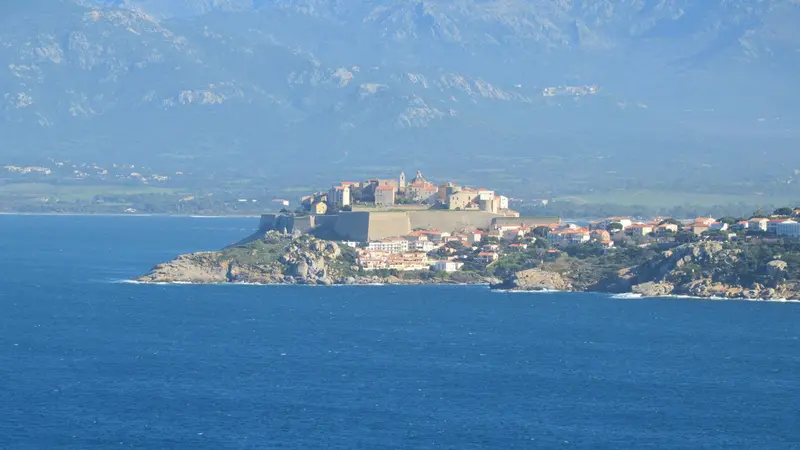
    Calvi is located on the northwest coast of Corsica in the Balagne region. The Genoese citadel on a headland above the bay dominates the townscape, and local tradition declares Calvi to be the birthplace of Christopher Columbus. During the British siege of 1794, Horatio Nelson lost the sight in one eye here.Below the fortress lie the harbour and lower town with quayside cafés, and to the east stretches a kilometre-long sandy beach backed by a pine forest. With its own airport and seasonal ferry connections, Calvi is a good starting point for the villages of Balagne and the coastal railway to L'Île-Rousse.

    Sights in Corsica

    Discover the most important sights and attractions

    Promenade en mer NAVE VA

    Promenade en mer NAVE VA

    Nave Va offers boat trips from Porto on the west coast. The tours lead to the red rocks of the Calanche de Piana, to Girolata, and to the Scandola Nature Reserve, which, along with the Gulf of Porto, has been a UNESCO World Heritage site since 1983. The rocks of volcanic origin drop steeply into the sea; along the way, you'll see grottoes and coves inaccessible from land. Scandola is a strictly protected marine reserve, and landing there is not permitted. Practical Tip: The sea is often calmer in the mornings. Bring sun protection and water, as some tours last several hours.
    Open in Google Maps
    Neptune Croisière

    Neptune Croisière

    Neptune Croisière offers boat trips from Ajaccio harbor. Typical destinations are the Îles Sanguinaires at the entrance to the Gulf of Ajaccio, glowing red at sunset, and in season, the coast further north to the Scandola Nature Reserve, a UNESCO World Heritage site. Our Tip: In summer, book ahead; departures are weather-dependent.
    Open in Google Maps
    NapoRama

    NapoRama

    The NapoRama is a small museum in Ajaccio's old town that retells the life of Napoleon Bonaparte with play figures. In over 20 dioramas, more than 800 hand-painted Playmobil figures recreate scenes, from his birth in Ajaccio in 1769 to the Egyptian campaign and his imperial coronation in 1804. This offers an entertaining introduction to history, especially for families with children, with hidden figures to discover within the scenes. Our tip: Plan about half an hour and check opening hours beforehand, as it's usually closed on Sundays and Mondays.
    Open in Google Maps

    Promenade en mer NAVE VA

    The NAVE VA sea excursion offers you the opportunity to explore Corsica's stunning coastal landscape from the sea. These boat tours often focus on the UNESCO World Heritage sites such as the Scandola Nature Reserve and the Calanques de Piana in the Gulf of Porto. You'll experience a unique perspective on the red granite cliffs that rise dramatically from the deep blue water, as well as hidden caves and coves that are inaccessible from land. The geological formations bear witness to millions of years of volcanic activity and erosion that have shaped this spectacular landscape. During the trip, you'll receive informative explanations about the flora and fauna, as well as the history of the region. Our tip: Book your tour for early morning to enjoy the calmest sea and light conditions and avoid the largest tourist crowds. Don't forget to bring sun protection and a camera to capture the breathtaking views.
    Open in Google Maps

    Dining & Drinks

    Maison Camedda

    Bakery in 7 Bd du Roi Jérôme.
    Show on Google Maps

    A Casetta produits corses

    Bar in 3 Av. du Premier Consul.
    Show on Google Maps

    Le Grisbi burger

    Restaurant in 8 Rue Dr Stephanopoli.
    Show on Google Maps

    Brasserie L'instant

    Restaurant in 1 Rue Emmanuel Arène.
    Show on Google Maps

    Food and Drink

    Corsica's cuisine comes from the mountains, not the sea. It is based on free-range pork, sheep and goat cheese, chestnuts, and the herbs of the maquis.

    Charcuterie Corse

    Coppa, Lonzu and Prizuttu come from semi-wild Corsican pigs and bear Protected Designations of Origin. Beware of cheap goods: Much is imported and only processed on the island.

    Brocciu

    Fresh whey cheese is the base of many dishes, from stuffed veg to Fiadone cheesecake. Made autumn-early summer only.

    Chestnut

    In Castagniccia, the chestnut replaced grain for centuries. From its flour, polenta, cakes, and beer are made.

    Honey of the Maquis

    The honey has a PDO and comes in six varieties, from light and floral to dark and resinous.

    Corsican Wines

    Patrimonio and Ajaccio are the best known appellations. They work with the indigenous grape varieties Nielluccio, Sciaccarellu and Vermentinu.

    Corsica's Cultural Heritage

    Corsica's culture is deeply rooted in its complex and often contested history. Even the **Megalithic culture** left prehistoric traces like the Filitosa menhirs. Over centuries, various powers shaped the island, from the Greeks and Romans to the decisive periods under Pisan and, above all, **Genoese rule** from the 13th century onwards.These eras are still evident in the architecture today: Genoese citadels and watchtowers line the coasts, while cities like Bastia boast Baroque churches and a dense historic old town. A brief but formative period of independence under Pasquale Paoli in the 18th century strengthened Corsican national identity, before the island became part of France and made history as the birthplace of **Napoleon Bonaparte**. The Corsican language, spoken alongside French, and its polyphonic singing tradition are living expressions of this distinct identity.

    While you're there

    ArrivalYou can reach Corsica by ferry from Marseille, Toulon, or Nice, as well as from Italian ports such as Livorno, Genoa, or Savona. Crossings take approximately four to twelve hours, depending on the ship and port. Four airports serve the island: Ajaccio, Bastia, Calvi, and Figari in the south.On the IslandA car is virtually essential. The roads are well-maintained but winding and narrow; for 100 kilometers, you should realistically allow two to three hours, and more in the mountains. Motorhomes and large vehicles reach their limits on some coastal roads, for example, between Piana and Porto.Train and BusThe narrow-gauge railway Chemins de fer de la Corse connects Ajaccio, Corte, Calvi, and Bastia and is a scenic attraction in itself, especially the section over the Vecchio Viaduct. Bus lines connect the larger towns, but run infrequently and barely outside of season.

    Round trips through this region

    Corsica Island Circuit

    Corsica Island Circuit

    From Bastia, drive to the mountain town Corte, then to Calvi on the northwest coast. Via the coastal road, reach Porto and Ajaccio, finally to Bonifacio in the south, from where Figari airport is half an hour away. Allow more time for the winding roads than the kilometers suggest.

    13 Days
    6 stops

    Nearby

    Ajaccio

    Ajaccio

    Ajaccio, Napoleon's birthplace, offers historical and cultural highlights. Visit the Maison Bonaparte and the Cathedral of Notre-Dame-de-l'Assomption. The Vieille Ville, with its market at Place Foch, invites you to stroll. The Musée Fesch presents a significant collection of Italian painting, bequeathed by Napoleon's uncle. The harbor promenade, with views of the Îles Sanguinaires, is particularly charming at sunset; avoid the summer high season.
    Calanques de Piana

    Calanques de Piana

    The Calanche de Piana on Corsica's west coast is a landscape of red granite, dropping steeply into the sea. Together with the Gulf of Porto, Girolata, and the Scandola Reserve, they have been a UNESCO World Heritage site since 1983. Wind and water have eroded the rock into shapes where you can recognize many animal heads or faces. A boat trip from Porto shows the cliffs and grottoes from the sea. On foot, you can explore the Calanche on trails like the Sentier des Muletiers or to the Château Fort. In the early morning and late afternoon, the rock glows most intensely.
    Porto (Corsica)

    Porto (Corsica)

    Porto is a small coastal village on Corsica's west coast, part of the Ota municipality. It lies at the end of the Gulf of Porto, which a Genoese watchtower on a rock above the river mouth overlooks. The Gulf, with the Calanques de Piana, the Bay of Girolata, and the Scandola Nature Reserve, has been a UNESCO World Heritage site since 1983.Boat trips depart from the harbor along red porphyry cliffs to Scandola and Girolata, accessible only by water or on foot. Inland, hiking trails lead through the Spelunca Gorge; the Piana coastal road is deemed one of the island's most striking.
    Restonica Valley

    Restonica Valley

    The Vallée de la Restonica stretches about 15 kilometers into the mountains from Corte. The Restonica River has cut into the granite, forming clear pools, surrounded by Laricio pines. The destination for most hikers are the glacial lakes Lac de Melo (approx. 1,700 m) and Lac de Capitello (approx. 1,900 m) at the head of the valley. Important: Since the storms of November 2023, the road above Tragone has been destroyed and closed to cars; the former starting point at the Bergeries de Grotelle is now only accessible on foot, extending the tour by more than two hours. Sturdy shoes and good fitness are required. In the lower valley, there are shorter walks and swimming spots by the river.
    Corte

    Corte

    Corte lies in the mountainous heart of Corsica, at the confluence of Tavignano and Restonica. Above the town, the citadel rises on a steep rock. From 1755 to 1769, under Pasquale Paoli, Corte was the capital of the independent Corsican Republic and is still considered the island's historical center.The Università di Corsica, the island's only university, gives the small town a youthful feel. In the citadel, the Museu di a Corsica showcases the island's folk culture. Corte is also a starting point for hikes into the gorges of Restonica and Tavignano and lies on the railway line between Bastia and Ajaccio.

    Sources & method

    • Photos: Unsplash, Pexels. Each photo carries its credit.
    • The content is based on web research from public, traceable sources. How the content is made · The role of AI