Fernweh
    ExploreTravel GuidesMy Trips
    de|en
    About FernwehImprintFAQPrivacy Policy
    ExploreTravel GuidesMy Trips
    Restonica Valley

    Restonica Valley

    City
    1. Home
    2. Destinations
    3. France
    4. Restonica Valley
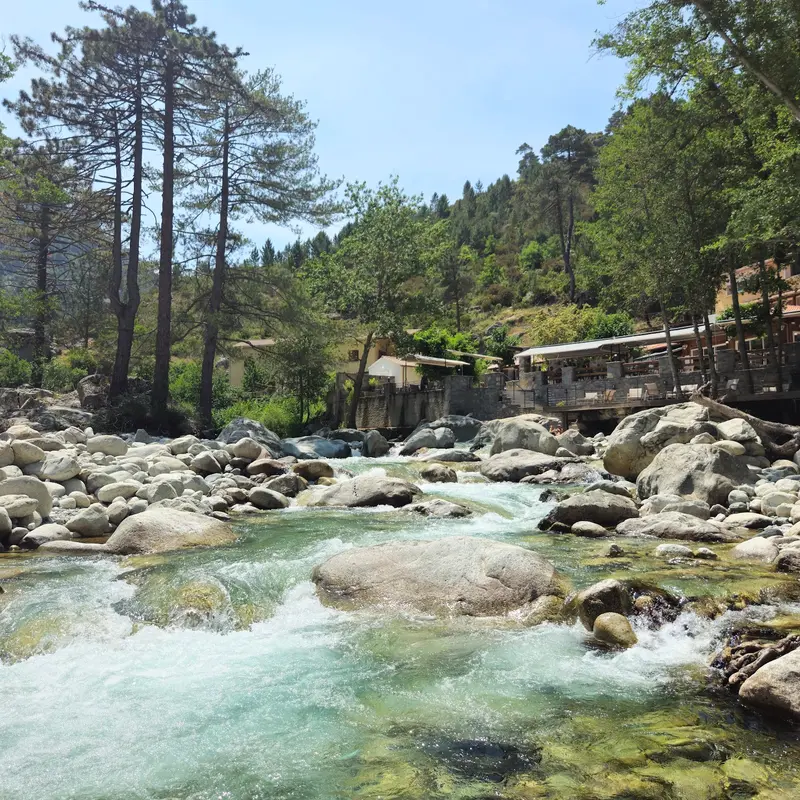
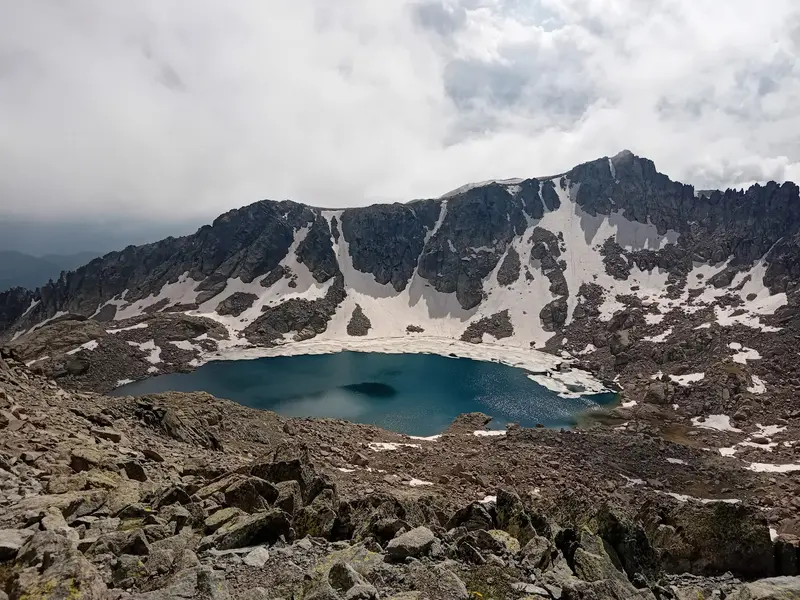
    The Vallée de la Restonica, situated near the historic city of Corte, presents itself as one of Corsica's most striking natural experiences. Here, you traverse an impressive mountain landscape, shaped by the wild Restonica river, which meanders through deep gorges and forms crystal-clear pools. The absolute highlight are the two high-alpine glacial lakes, the Lac de Melo and the Lac de Capitello, which you reach via challenging hiking trails. These routes lead you through shady Corsican pine forests and over rocky terrain, allowing you to discover the region's unique flora and fauna. The starting point for hikes to the lakes is at the Bergeries de Grotelle; ideally, plan your visit in early summer or autumn to avoid the largest tourist crowds and potential access restrictions. Sturdy footwear and good physical condition are essential for the more demanding tours. Alternatively, the lower river sections offer more relaxed walks and swimming opportunities.
    • Neighborhoods & highlights
    • Eat & drink
    • Culture
    • Getting around
    • Accommodation
    • Plan trip
    • Nearby
    • Neighborhoods & highlights
    • Eat & drink
    • Culture
    • Getting around
    • Accommodation
    • Plan trip
    • Nearby

    Overview

    The Vallée de la Restonica, a spectacular gorge in the heart of Corsica near the town of Corte, is a prime example of the island's wild beauty. Here, the crystal-clear Restonica river winds its way through deep granite rocks, forming numerous natural pools that invite you to refresh yourself. This region is your starting point for challenging hikes to the high-alpine glacial lakes Lac de Melo and Lac de Capitello, which impress with their clear waters and surrounding mountain scenery. These tours require sure-footedness and good physical condition. To fully experience nature's tranquility and avoid the largest crowds, an early morning start is recommended. The best time for hiking is between June and September, when the paths are snow-free.

    Places in Restonica Valley

    Discover the most important sights and attractions

    Sights in Restonica Valley

    1Bergerie de Tramizzole

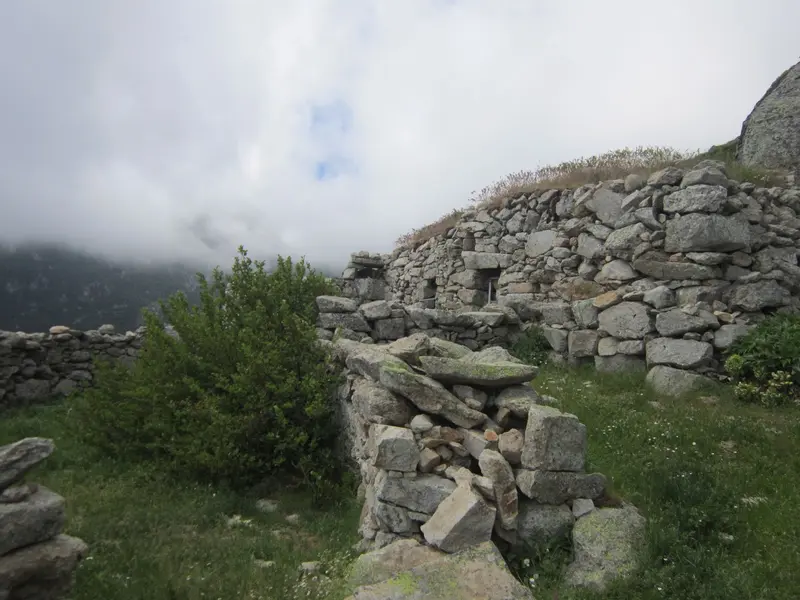
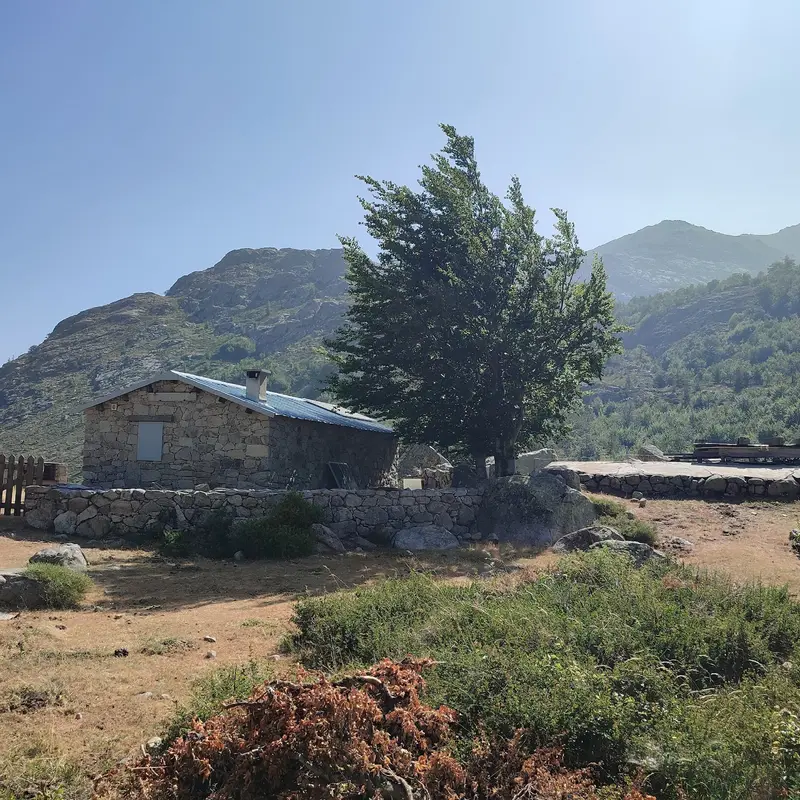
    The Bergerie de Tramizzole in the Vallée de la Restonica is an authentic testament to traditional Corsican pastoral culture. These rustic stone huts once served shepherds as shelter and protection for their flocks during seasonal transhumance. Here you'll find a piece of living history, reflecting the islanders' close connection to nature and agriculture. The architecture is simple but functional, perfectly integrated into the rugged mountain landscape. Visiting, you'll delve into a bygone era and can imagine the shepherds' tough, yet nature-bound life. Our Tip: Plan your visit for the early morning or late afternoon to capture the special light for photos and enjoy the tranquility of the place undisturbed. The Bergerie is often part of longer hiking routes; sturdy footwear is therefore essential.
    Open in Google Maps

    2Petit lac de Rinoso

    The Petit lac de Rinoso is located in the upper Vallée de la Restonica, one of Corsica's most renowned hiking areas. This picturesque mountain lake is a testament to glacial landscape formation, nestled amidst an impressive backdrop of granite cliffs and alpine vegetation. You reach it via a well-marked but challenging hiking trail that leads you through the wild nature of the Corsica Regional Natural Park. The lake itself is known for its clear, cool water and often serves as a welcome resting point on the way to the higher-lying Lac de Melo and Lac de Capitello. Here you can experience the tranquility of the high-mountain world and observe the unique flora and fauna. Our Tip: To avoid crowds and utilize the best light conditions for photos, an early morning visit is recommended. Plan enough time for the ascent and descent and wear sturdy footwear.
    Open in Google Maps

    3Stazzu di e Cavallerecce

    The Stazzu di e Cavallerecce in the Vallée de la Restonica is an authentic testament to traditional Corsican pastoral culture. These simple stone huts, also known as Stazzu, served shepherds as shelter and accommodation during transhumance. Here you will find an excellent example of robust, functional architecture that blends perfectly into the rugged mountain landscape. It offers a deep insight into the hard, yet self-sufficient life of Corsica's mountain farmers over centuries. Its construction from local stones without mortar demonstrates the adaptability and pragmatic spirit of the inhabitants. Our tip: Plan your visit as part of a hike to the lakes of Restonica. Morning hours often offer the best light for photos and fewer visitors on the trails. Look out for the surrounding rock formations, which form a dramatic backdrop for this historic structure.
    Open in Google Maps

    4Bassin d'eau de Ole

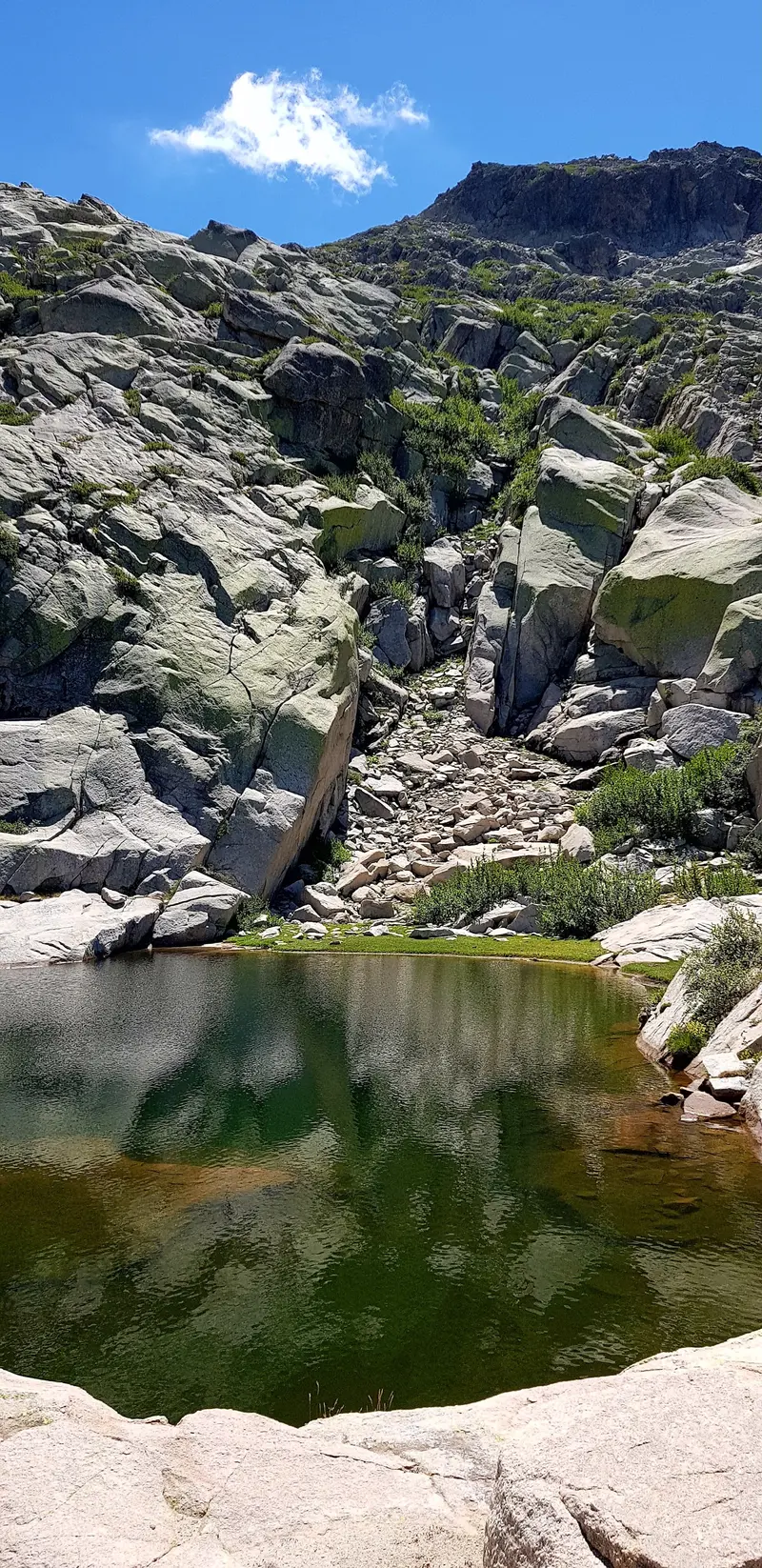
    The Bassin d'eau de Ole, nestled in the wild landscape of the Vallée de la Restonica, is a striking natural basin, shaped over millennia by granite erosion. It embodies the unspoiled beauty of the Corsican mountains and serves as a natural resting point along the region's challenging hiking trails. Here, you'll find crystal-clear, refreshingly cool water, flowing directly from the higher springs and meltwater streams of the Corsican peaks. The surroundings are marked by rugged rock formations and typical Macchia, guaranteeing an authentic natural experience.For visitors, the Bassin d'eau de Ole offers a welcome cool-down after a hike, especially during warmer months. Despite this, water temperatures remain cool even in high summer, promising an invigorating experience. Our Tip: To fully savour the tranquility of this place and avoid the crowds, an early morning or late afternoon visit is recommended. Be sure to wear sturdy footwear for access, as the path involves uneven terrain. The best photo opportunities often present themselves when the sun bathes the granite rocks in warm light.
    Open in Google Maps

    5Lac De Betaniella

    The Lac de Betaniella, embedded in the rugged landscape of Corsica's Restonica Valley, is a typical example of a high-alpine glacial lake. Its formation is due to the intense erosion by Ice Age glaciers, which shaped the island's granite rock and left deep basins. You reach this picturesque lake after a challenging hike that leads you through diverse mountain vegetation. Once you arrive at the top, a clear, cold mountain lake awaits you, surrounded by barren rock formations and an impressive silence broken only by the wind. The untouched nature and pure air make it an ideal spot for a break and for observing the local flora and fauna. Our Tip: Start your hike early in the morning to avoid the biggest crowds and fully savor the tranquility of the place. For the best photos of the lake with the surrounding peaks, we recommend positioning yourself on the slightly elevated rocks on the east bank.
    Open in Google Maps

    Food and Drink

    Culture & History in the Restonica Valley

    The culture and history of the Restonica Valley are closely linked to Corsica's resilient identity and traditional ways of life. Originally inhabited by prehistoric cultures, the region later reflects the influences of Genoese and French rule, though its deep roots in Corsican culture always remained.The valley's architecture is primarily functional, bearing witness to a rural way of life. One mainly finds simple stone houses here, known as bergeries, which served as seasonal shelters for shepherds and are still partly in use today. Historic bridges from the Genoese era in the surrounding area showcase the engineering achievements of earlier times.Culturally formative is the practice of Transhumance, the seasonal movement of livestock, which has shaped the landscape and local economy for centuries. This tradition is reflected in the local cuisine, especially in its cheeses and cured meats. The orally transmitted songs and stories are also an important part of the cultural heritage.

    Local Exploration

    The Restonica Valley is a natural paradise that demands a tailored approach to transportation. Urban transport methods like metro, bus, or tram are not available within the valley itself. Access is typically via the town of Corte, from where a narrow, winding road leads up to the Bergeries de Grotelle.A private vehicle or rental car is the most flexible option to reach the Restonica Valley and explore the surrounding region. Please note that the road can be very busy in summer, and parking at the endpoints is limited. During peak season, shuttle buses often operate from Corte or from a car park before the toll booth (Maison du Parc) up to the higher Bergeries de Grotelle, offering a relaxed alternative.Within the valley, the primary mode of transport is hiking. Countless well-marked trails lead to the famous mountain lakes and through the picturesque landscape, making the valley extremely pedestrian-friendly for outdoor activities. For cyclists, mountain bikes are recommended, as the roads and paths can be challenging; e-scooters are entirely unsuitable here. Taxis can be booked from Corte for transfer to the end of the valley, however, ride-sharing services play hardly any role in this rural area. Plan your journey carefully and remember sturdy footwear!

    Accommodations in Restonica Valley

    Accommodations in Restonica Valley

    Find perfect stay in Restonica Valley

    Booking.com
    Search Hotels
    Agoda
    Search Hotels
    Airbnb
    Vacation Rentals
    Hotels.com
    Hotels Worldwide
    Hostelworld
    Hostels

    Campgrounds in Restonica Valley

    Find perfect campground in Restonica Valley

    Search via Google Maps
    Campgrounds nearby (15km)
    Camping.info
    Find Campgrounds
    Park4Night
    RV Parks & Camping

    Plan your trip to Restonica Valley

    Save places, build a route and plan your city trip — all in one place.

    Save places

    Bookmark sights, restaurants and neighborhoods you're interested in.

    Build your route

    Turn your bookmarks into a route — define order, days and budget.

    Refine with AI

    Let Mein Fernweh suggest experiences and put together a tailored daily plan.

    Start trip planningOpen bookmarks

    Locations nearby

    These places are nearby — perfect for additional days or a day trip.

    Calanques de Piana

    Calanques de Piana

    The Calanques de Piana on Corsica's west coast form an impressive natural setting of red porphyry rock. These dramatic rock formations, plunging steeply into the deep blue Mediterranean Sea, have been a UNESCO World Natural Heritage site since 1983. Here, you'll find bizarre sculptures shaped by erosion, resembling fantastic figures. A boat trip, often departing from Porto, offers the best perspective of the majestic cliffs and their caves. Alternatively, you can explore the Calanques on hiking trails like the Sentier des Muletiers, which provides spectacular views. Visit the area ideally in the early morning or late afternoon, when the light colors the red rocks most intensely.
    Ajaccio

    Ajaccio

    Ajaccio, Napoleon's birthplace, offers historical and cultural highlights. Visit the Maison Bonaparte and the Cathedral of Notre-Dame-de-l'Assomption. The Vieille Ville, with its market at Place Foch, invites you to stroll. The Musée Fesch presents a significant collection of Italian painting, bequeathed by Napoleon's uncle. The harbor promenade, with views of the Îles Sanguinaires, is particularly charming at sunset; avoid the summer high season.
    Corsica

    Corsica

    Welcome to Corsica, the Île de Beauté! This rugged mountainous island in the Mediterranean, a French department, entices with a unique blend of breathtaking coastlines, picturesque mountain landscapes, and a distinctive culture. From charming port towns to UNESCO-protected nature reserves and deep green forests – Corsica is a paradise for nature lovers, adventurers, and culture seekers.
    Bastia

    Bastia

    Bastia, Corsica's second-largest city, captivates with maritime charm and rich Genoese history. You'll discover architecture, strongly shaped by the past, especially in the quarter around the **Citadel**. The Vieux Port with its colorful fishing boats and the imposing Église Saint-Jean-Baptiste forms the city's lively heart. The Citadel houses the former Governor's Palace and offers expansive views over Bastia. Stroll across the Place Saint-Nicolas and explore the alleys of Terra Vecchia for authentic Corsica. The ideal travel time is spring or autumn.
    Cap Corse

    Cap Corse

    Cap Corse in northern Corsica is a wild, authentic peninsula with rugged coasts and dense maquis.The D80 panoramic road offers spectacular views and passes historical Genoese towers.Discover charming fishing ports like Erbalunga in the east and Centuri in the west, known for their architecture and fresh seafood.The Sentier des Douaniers north of Macinaggio invites you to delightful coastal hikes.The peninsula is best explored by car; spring or autumn are ideal for mild weather and fewer visitors.