Fernweh
    ExploreTravel GuidesMy Trips
    de|en
    About FernwehImprintFAQPrivacy Policy
    ExploreTravel GuidesMy Trips
    Calanques de Piana

    Calanques de Piana

    CityFor Families
    1. Home
    2. Destinations
    3. France
    4. Corsica
    5. Calanques de Piana
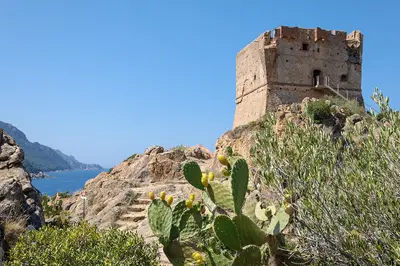
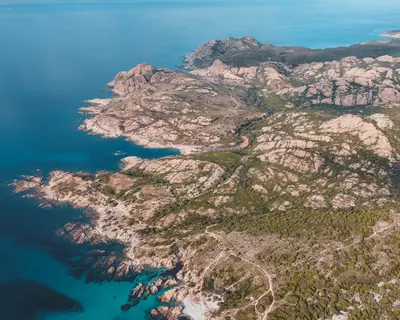
    The Calanques de Piana on Corsica's west coast form an impressive natural setting of red porphyry rock. These dramatic rock formations, plunging steeply into the deep blue Mediterranean Sea, have been a UNESCO World Natural Heritage site since 1983. Here, you'll find bizarre sculptures shaped by erosion, resembling fantastic figures. A boat trip, often departing from Porto, offers the best perspective of the majestic cliffs and their caves. Alternatively, you can explore the Calanques on hiking trails like the Sentier des Muletiers, which provides spectacular views. Visit the area ideally in the early morning or late afternoon, when the light colors the red rocks most intensely.
    • Neighborhoods & highlights
    • Eat & drink
    • Culture
    • Getting around
    • Accommodation
    • Plan trip
    • Nearby
    • Neighborhoods & highlights
    • Eat & drink
    • Culture
    • Getting around
    • Accommodation
    • Plan trip
    • Nearby

    Overview

    The Calanques de Piana, a UNESCO World Heritage site on Corsica's west coast, reveal themselves as an impressive natural landscape. Here you'll find bizarre rock formations of red granite, dramatically plunging into the turquoise Mediterranean Sea and forming a unique coastline. The area is known for its whimsical shapes, formed by erosion and often compared to fantastical figures. A boat trip from Porto or Cargèse offers the best perspective to admire the rock formations and caves from the water. Alternatively, you can explore the Calanques on well-marked hiking trails that lead through the maquis and offer breathtaking views. Early mornings or late afternoons are ideal for visits, as the light particularly accentuates the red hues of the rock. To avoid crowds, a visit outside the peak season of July and August is recommended.

    Places in Calanques de Piana

    Discover the most important sights and attractions

    Sights in Calanques de Piana

    1Tête d'homme

    Die Tête d'homme ist eine der markantesten Felsformationen in den beeindruckenden Calanques de Piana auf Korsika, einem UNESCO-Weltnaturerbe in Frankreich. Diese natürliche Skulptur, geformt aus rotem Porphyrgestein durch Jahrtausende der Erosion, erinnert unverkennbar an ein menschliches Profil, das aus der Küstenlinie ragt. Du findest sie entlang der spektakulären Küstenstraße D81, die sich durch die zerklüftete Landschaft schlängelt. Ihre Bedeutung liegt vor allem in ihrer ästhetischen Wirkung und ihrer Rolle als ikonisches Fotomotiv, das die wilde Schönheit der Region widerspiegelt. Die Calanques selbst sind bekannt für ihre dramatischen Klippen, versteckten Buchten und das intensive Farbspiel des Gesteins im Kontrast zum tiefblauen Mittelmeer.Unser Tipp: Um die Tête d'homme optimal zu betrachten und zu fotografieren, halte an den ausgewiesenen Aussichtspunkten entlang der D81. Der frühe Morgen oder der späte Nachmittag bieten das beste Licht, da die tiefstehende Sonne die roten Felsen zum Leuchten bringt und die Konturen des Gesichts besonders hervorhebt. Dies sind auch die besten Zeiten, um den größten Touristenmassen auf der schmalen Straße zu entgehen.
    Open in Google Maps

    2Calanques

    The Calanques de Piana, a UNESCO World Natural Heritage site on the west coast of Corsica, present themselves as a spectacular landscape of red granite rocks that dramatically plunge into the azure Mediterranean Sea. These unique rock formations, shaped by millions of years of erosion by wind and sea, form bizarre sculptures that allow imagination to run wild – from animal heads to human silhouettes. Here, you experience an impressive symbiosis of rugged nature and the gentle surf.The geological nature of the red porphyry, which reflects light with particular intensity, makes the Calanques an unforgettable sight, especially during sunrise and sunset, when the rocks glow in vibrant orange and red hues. A boat tour from Porto or Cargèse offers you the best perspective to admire the hidden grottoes and majestic cliffs from the water. Our Tip: For breathtaking photos and to avoid the largest tourist crowds, plan your visit either early in the morning or late in the afternoon. Hiking trails like the Sentier des Muletiers also offer spectacular views from land, but require sturdy footwear and good physical condition.
    Open in Google Maps

    3Calanques

    The Calanques de Piana, a UNESCO World Natural Heritage site on the west coast of Corsica, present themselves as a spectacular landscape of red granite rocks that dramatically plunge into the azure Mediterranean Sea. These unique rock formations, shaped by millions of years of erosion by wind and sea, form bizarre sculptures that allow imagination to run wild – from animal heads to human silhouettes. Here, you experience an impressive symbiosis of rugged nature and the gentle surf.The geological nature of the red porphyry, which reflects light with particular intensity, makes the Calanques an unforgettable sight, especially during sunrise and sunset, when the rocks glow in vibrant orange and red hues. A boat tour from Porto or Cargèse offers you the best perspective to admire the hidden grottoes and majestic cliffs from the water. Our Tip: For breathtaking photos and to avoid the largest tourist crowds, plan your visit either early in the morning or late in the afternoon. Hiking trails like the Sentier des Muletiers also offer spectacular views from land, but require sturdy footwear and good physical condition.
    Open in Google Maps

    4CORSICA QUAD

    CORSICA QUAD bietet geführte Touren durch die beeindruckenden Calanques de Piana an, ein UNESCO-Weltnaturerbe, bekannt für seine dramatischen roten Granitfelsen und die einzigartige Küstenlandschaft. Du erlebst die Region aus einer besonderen Perspektive, abseits der ausgetretenen Pfade, und entdeckst versteckte Aussichtspunkte. Die Touren führen dich durch felsiges Gelände und bieten spektakuläre Ausblicke auf das Meer und die bizarr geformten Felsformationen. Unser Tipp: Buche deine Tour unbedingt im Voraus, besonders in der Hochsaison, um dir einen Platz zu sichern. Für die besten Lichtverhältnisse und zum Vermeiden der größten Hitze empfiehlt sich eine Tour am frühen Morgen oder späten Nachmittag. Trage festes Schuhwerk und wettergerechte Kleidung.
    Open in Google Maps

    5Calanques

    The Calanques de Piana, a UNESCO World Natural Heritage site on the west coast of Corsica, present themselves as a spectacular landscape of red granite rocks that dramatically plunge into the azure Mediterranean Sea. These unique rock formations, shaped by millions of years of erosion by wind and sea, form bizarre sculptures that allow imagination to run wild – from animal heads to human silhouettes. Here, you experience an impressive symbiosis of rugged nature and the gentle surf.The geological nature of the red porphyry, which reflects light with particular intensity, makes the Calanques an unforgettable sight, especially during sunrise and sunset, when the rocks glow in vibrant orange and red hues. A boat tour from Porto or Cargèse offers you the best perspective to admire the hidden grottoes and majestic cliffs from the water. Our Tip: For breathtaking photos and to avoid the largest tourist crowds, plan your visit either early in the morning or late in the afternoon. Hiking trails like the Sentier des Muletiers also offer spectacular views from land, but require sturdy footwear and good physical condition.
    Open in Google Maps

    6Le cœur de la Corse

    Le cœur de la Corse is a striking rock formation within the stunning Calanques de Piana, a UNESCO World Heritage site on the west coast of Corsica. This natural sculpture, shaped by erosion from red granite, resembles a heart and is a popular photo opportunity. You can find it along the D81, the coastal road between Piana and Porto, which offers spectacular views. The Calanques themselves are known for their dramatic cliffs that drop steeply into the Mediterranean Sea, forming a unique landscape of bizarre rock needles and towers. Geologically, these formations are the result of millennia of weathering of the porphyritic granite, which glows here in various shades of red. Our Tip: Visit "Le cœur de la Corse" in the late afternoon, when the low-hanging sun bathes the red rocks in a warm light and makes the colors appear particularly intense. To get the best view and an undisturbed photo, stop at the designated viewpoints along the road, ideally outside of peak season to avoid crowds. A boat tour also offers a unique perspective from the sea on this impressive coastline.
    Open in Google Maps

    Dining & Drinks

    History and Inspiration of the Calanques

    Die Calanques de Piana sind primär ein Naturwunder, doch ihre Geschichte und ihr kultureller Einfluss reichen tief in die korsische Identität. Sie sind nicht nur geologische Formationen, sondern seit jeher Quelle der Inspiration für Kunst, Legenden und ein Zeugnis menschlicher Anpassung an eine einzigartige Landschaft. Diese dramatische Küstenlinie, geformt über Millionen von Jahren, hat die Menschen in ihrer Umgebung seit prähistorischer Zeit fasziniert und geprägt.Die Entstehung der roten Granitfelsen der Calanques ist ein Prozess von Jahrmillionen, geformt durch Erosion. Menschliche Spuren in der unmittelbaren Küstenlandschaft sind primär auf Anpassung und traditionelle Lebensweisen bezogen. Nahegelegene Dörfer wie Piana zeigen die typische korsische Architektur mit robusten Steinhäusern; auch Genuesertürme zeugen von der wechselvollen Geschichte Korsikas und seiner Verteidigungsstrategien.Kulturell sind die Calanques untrennbar mit Sagen und Legenden verbunden, deren bizarre Felsformen Geschichten über Riesen und mythische Wesen inspirierten. Diese mündlichen Überlieferungen sind ein integraler Bestandteil des lokalen Kulturguts. Darüber hinaus dienen die Calanques de Piana seit Jahrhunderten als bedeutendes künstlerisches Motiv für Maler, Schriftsteller und Fotografen, was ihre Rolle als Inspirationsquelle hervorhebt. Die tiefe Verbundenheit der Korsen mit ihrer Heimat, der korsischen Sprache (Corsu) und dem polyphonen Gesang findet auch in dieser dramatischen Naturkulisse ihren Ausdruck.

    Getting Around Here

    Getting around the picturesque Calanques de Piana is different from urban areas. Naturally, there's no subway or tram here. Instead, rental cars are the preferred choice to explore the spectacular coastal road D81 and enjoy the freedom to stop at numerous viewpoints. However, note that parking spaces, especially in summer, can be scarce and paid. Regional bus connections exist, but are often infrequent and primarily intended for reaching nearby towns like Porto or Piana; dedicated apps or digital ticketing options are rare.The Calanques are a paradise for hikers and pedestrians. Many of the most breathtaking paths and viewpoints are only accessible on foot, making sturdy footwear essential. For the adventurous, e-bikes are a great way to actively explore the hilly landscape, whereas e-scooters are less practical here. Taxi services are available in nearby towns like Porto, but ride-sharing services are uncommon in this region of Corsica. An absolute highlight and practical tip is a boat tour from Porto to experience the Calanques and the neighboring Réserve Naturelle de Scandola from the sea – a must for every visitor.

    Accommodations in Calanques de Piana

    Accommodations in Calanques de Piana

    Find perfect stay in Calanques de Piana

    Booking.com
    Search Hotels
    Agoda
    Search Hotels
    Airbnb
    Vacation Rentals
    Hotels.com
    Hotels Worldwide
    Hostelworld
    Hostels

    Campgrounds in Calanques de Piana

    Find perfect campground in Calanques de Piana

    Search via Google Maps
    Campgrounds nearby (15km)
    Camping.info
    Find Campgrounds
    Park4Night
    RV Parks & Camping

    Plan your trip to Calanques de Piana

    Save places, build a route and plan your city trip — all in one place.

    Save places

    Bookmark sights, restaurants and neighborhoods you're interested in.

    Build your route

    Turn your bookmarks into a route — define order, days and budget.

    Refine with AI

    Let Mein Fernweh suggest experiences and put together a tailored daily plan.

    Start trip planningOpen bookmarks

    Locations nearby

    These places are nearby — perfect for additional days or a day trip.

    Restonica Valley

    Restonica Valley

    The Vallée de la Restonica, situated near the historic city of Corte, presents itself as one of Corsica's most striking natural experiences. Here, you traverse an impressive mountain landscape, shaped by the wild Restonica river, which meanders through deep gorges and forms crystal-clear pools. The absolute highlight are the two high-alpine glacial lakes, the Lac de Melo and the Lac de Capitello, which you reach via challenging hiking trails. These routes lead you through shady Corsican pine forests and over rocky terrain, allowing you to discover the region's unique flora and fauna. The starting point for hikes to the lakes is at the Bergeries de Grotelle; ideally, plan your visit in early summer or autumn to avoid the largest tourist crowds and potential access restrictions. Sturdy footwear and good physical condition are essential for the more demanding tours. Alternatively, the lower river sections offer more relaxed walks and swimming opportunities.
    Ajaccio

    Ajaccio

    Ajaccio, Napoleon's birthplace, offers historical and cultural highlights. Visit the Maison Bonaparte and the Cathedral of Notre-Dame-de-l'Assomption. The Vieille Ville, with its market at Place Foch, invites you to stroll. The Musée Fesch presents a significant collection of Italian painting, bequeathed by Napoleon's uncle. The harbor promenade, with views of the Îles Sanguinaires, is particularly charming at sunset; avoid the summer high season.
    Corsica

    Corsica

    Welcome to Corsica, the Île de Beauté! This rugged mountainous island in the Mediterranean, a French department, entices with a unique blend of breathtaking coastlines, picturesque mountain landscapes, and a distinctive culture. From charming port towns to UNESCO-protected nature reserves and deep green forests – Corsica is a paradise for nature lovers, adventurers, and culture seekers.
    Bastia

    Bastia

    Bastia, Corsica's second-largest city, captivates with maritime charm and rich Genoese history. You'll discover architecture, strongly shaped by the past, especially in the quarter around the **Citadel**. The Vieux Port with its colorful fishing boats and the imposing Église Saint-Jean-Baptiste forms the city's lively heart. The Citadel houses the former Governor's Palace and offers expansive views over Bastia. Stroll across the Place Saint-Nicolas and explore the alleys of Terra Vecchia for authentic Corsica. The ideal travel time is spring or autumn.
    Cap Corse

    Cap Corse

    Cap Corse in northern Corsica is a wild, authentic peninsula with rugged coasts and dense maquis.The D80 panoramic road offers spectacular views and passes historical Genoese towers.Discover charming fishing ports like Erbalunga in the east and Centuri in the west, known for their architecture and fresh seafood.The Sentier des Douaniers north of Macinaggio invites you to delightful coastal hikes.The peninsula is best explored by car; spring or autumn are ideal for mild weather and fewer visitors.