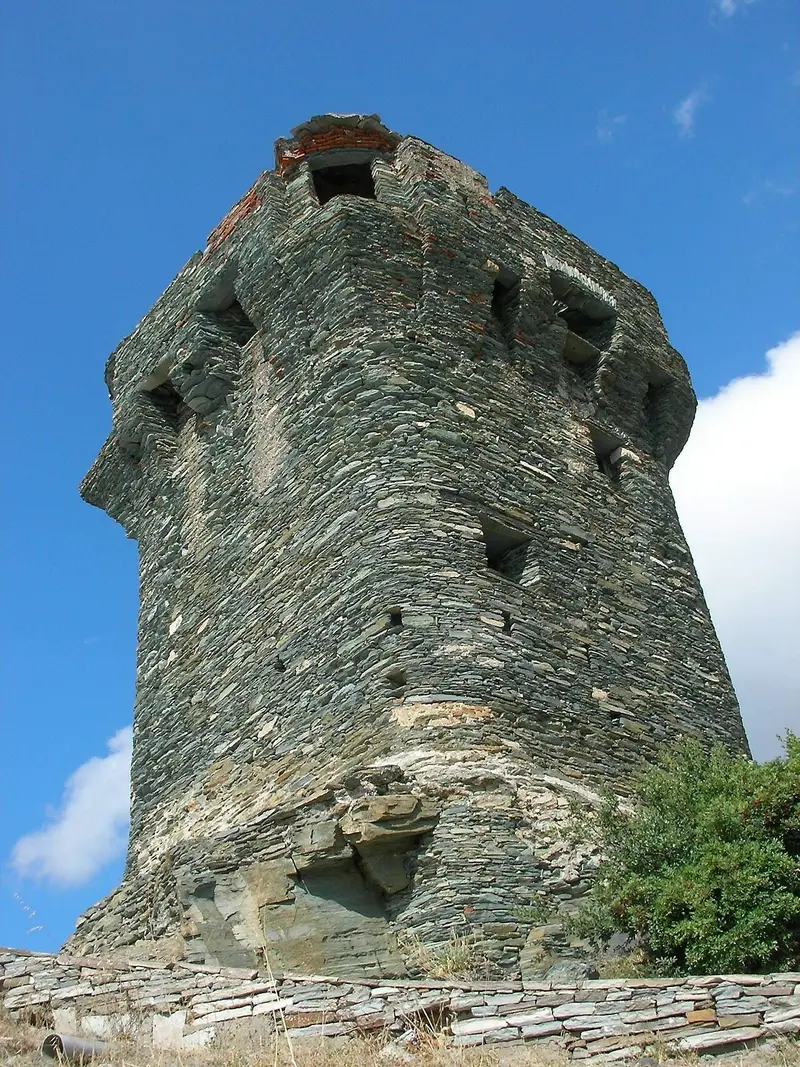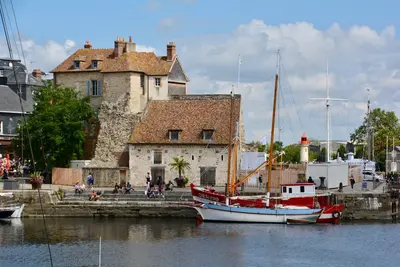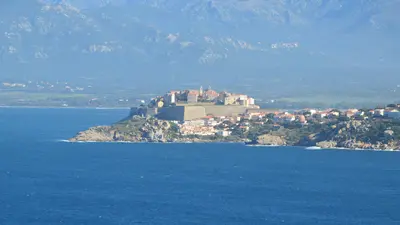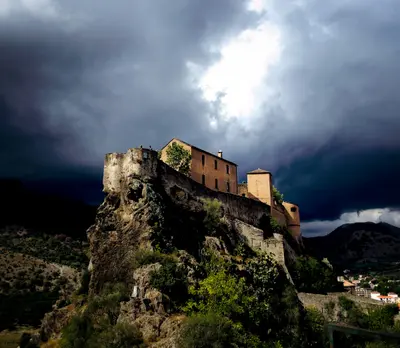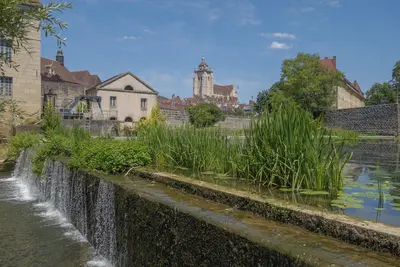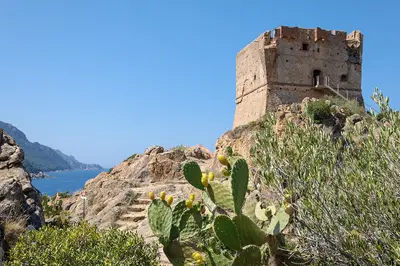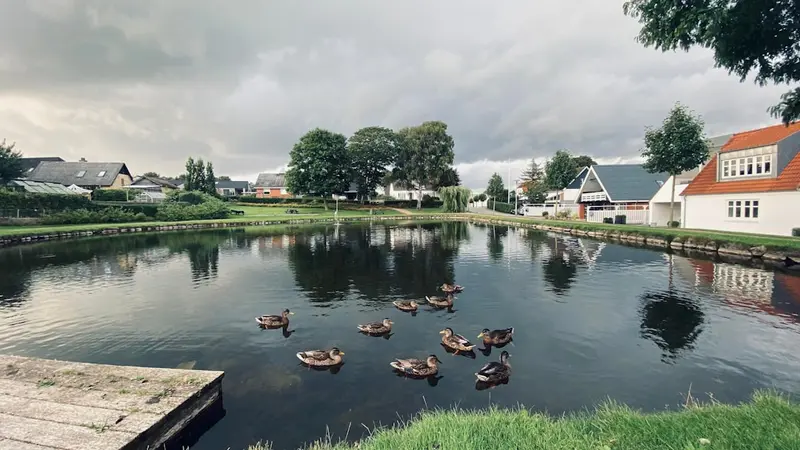
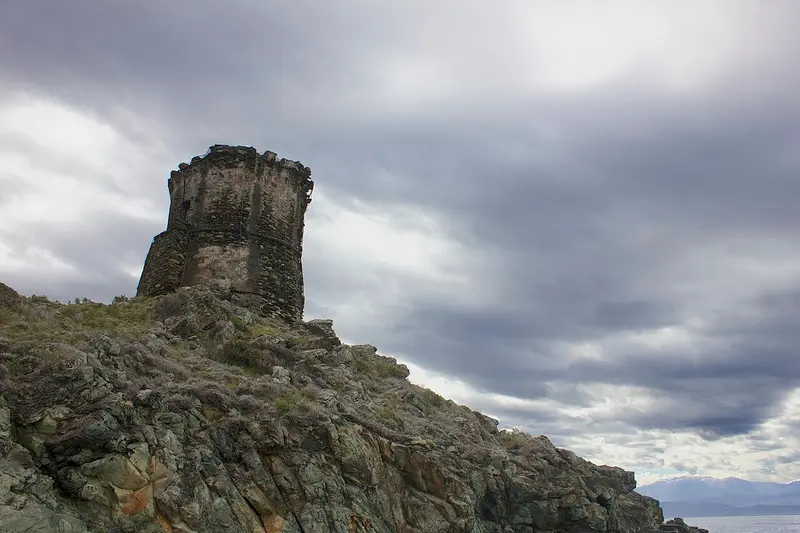
Cap Corse in northern Corsica is a wild, authentic peninsula with rugged coasts and dense maquis.The D80 panoramic road offers spectacular views and passes historical Genoese towers.Discover charming fishing ports like Erbalunga in the east and Centuri in the west, known for their architecture and fresh seafood.The Sentier des Douaniers north of Macinaggio invites you to delightful coastal hikes.The peninsula is best explored by car; spring or autumn are ideal for mild weather and fewer visitors.
Cap Corse, in northern Corsica, captivates with its unspoiled nature and dramatic coastal landscape. Here you'll find steep cliffs, coves, and fishing villages with an authentic character. Visit Nonza (Genoese tower, black pebble beach) and charming Erbalunga on the east coast. Genoese watchtowers bear witness to its historical significance; the D80 offers spectacular views. The Sentier des Douaniers provides unique insights into its untouched nature. Plan at least one day for exploration during the off-season to fully savor the tranquility.
Places in Cap Corse
Discover the most important sights and attractions
Plage de Baracataggio, located on Cap Corse's west coast, is a distinctive beach of the region. Here you'll find a mix of fine shingle and sand, surrounded by Corsica's typical Macchia vegetation. This stretch of coast is known for its clear, turquoise water and its relative seclusion, promising a tranquil atmosphere. Historically, such coves often served as landing sites for local fishermen or offered shelter from the Mediterranean's strong winds. Today, visitors appreciate the unspoiled nature and the chance to relax away from the more crowded beaches. Our Tip: Visit the beach in the morning to enjoy the greatest tranquility and capture the best light for photos. Access is via a short walk, so it's advisable to bring enough water and sun protection, as there's no infrastructure on site.
Cap Corse, the distinctive finger of Corsica, is a region of deep historical character and unique cultural heritage. Its eventful past is reflected in the architecture and living traditions that endure to this day. A visit here is a journey through centuries of Corsican history.The history of Cap Corse is closely linked to the strategic importance of its coastline. Already settled by Romans in antiquity, the Genoese rule from the 13th century onwards profoundly shaped the region. Numerous watchtowers, such as the Tour de Nonza or the Tour de Seneca, bear witness to this era and served to defend against pirates. These architectural testaments are characteristic of the entire peninsula.The villages on Cap Corse, often perched on hills, are characterised by their robust stone houses with dark slate roofs. They reflect a construction style that prioritised both protection and functionality. Culturally, a strong identity has been preserved here, manifesting itself in traditional customs and language. The polyphonic chanting, the Paghjella, is a UNESCO-recognised cultural heritage that is still nurtured in churches and at festivals today.
Exploring locally
Cap Corse, Corsica's wild peninsula, is a destination that invites its visitors to discover the picturesque landscape at their own pace. There is no metro or tram system here; instead, individual exploration is key. Public bus services connect the larger towns along the coast, but they are rather infrequent and often require careful planning. Timetables and ticket information are usually available locally, and prior research is recommended to avoid waiting times.For maximum flexibility, renting a car is recommended to explore the winding coastal roads and hidden villages. This is undoubtedly the best way to fully enjoy the beauty of Cap Corse. Cyclists will find challenging yet scenic routes here; e-scooters are less common and practical due to the topographical conditions.In the small villages, getting around on foot is excellent, as many alleys and paths are car-free and invite leisurely strolls. Taxis are available, especially in larger towns like Macinaggio or Erbalunga, but should be booked in advance due to distances and limited availability. Ride-sharing services play almost no role in this rural region. Plan your journeys proactively to make the most of your visit.
These places are nearby — perfect for additional days or a day trip.
Bastia
Bastia, Corsica's second-largest city, captivates with maritime charm and rich Genoese history. You'll discover architecture, strongly shaped by the past, especially in the quarter around the **Citadel**. The Vieux Port with its colorful fishing boats and the imposing Église Saint-Jean-Baptiste forms the city's lively heart. The Citadel houses the former Governor's Palace and offers expansive views over Bastia. Stroll across the Place Saint-Nicolas and explore the alleys of Terra Vecchia for authentic Corsica. The ideal travel time is spring or autumn.
Restonica Valley
The Vallée de la Restonica, situated near the historic city of Corte, presents itself as one of Corsica's most striking natural experiences. Here, you traverse an impressive mountain landscape, shaped by the wild Restonica river, which meanders through deep gorges and forms crystal-clear pools. The absolute highlight are the two high-alpine glacial lakes, the Lac de Melo and the Lac de Capitello, which you reach via challenging hiking trails. These routes lead you through shady Corsican pine forests and over rocky terrain, allowing you to discover the region's unique flora and fauna. The starting point for hikes to the lakes is at the Bergeries de Grotelle; ideally, plan your visit in early summer or autumn to avoid the largest tourist crowds and potential access restrictions. Sturdy footwear and good physical condition are essential for the more demanding tours. Alternatively, the lower river sections offer more relaxed walks and swimming opportunities.
Calanques de Piana
The Calanques de Piana on Corsica's west coast form an impressive natural setting of red porphyry rock. These dramatic rock formations, plunging steeply into the deep blue Mediterranean Sea, have been a UNESCO World Natural Heritage site since 1983. Here, you'll find bizarre sculptures shaped by erosion, resembling fantastic figures. A boat trip, often departing from Porto, offers the best perspective of the majestic cliffs and their caves. Alternatively, you can explore the Calanques on hiking trails like the Sentier des Muletiers, which provides spectacular views. Visit the area ideally in the early morning or late afternoon, when the light colors the red rocks most intensely.
Ajaccio
Ajaccio, Napoleon's birthplace, offers historical and cultural highlights. Visit the Maison Bonaparte and the Cathedral of Notre-Dame-de-l'Assomption. The Vieille Ville, with its market at Place Foch, invites you to stroll. The Musée Fesch presents a significant collection of Italian painting, bequeathed by Napoleon's uncle. The harbor promenade, with views of the Îles Sanguinaires, is particularly charming at sunset; avoid the summer high season.
Corsica
Welcome to Corsica, the Île de Beauté! This rugged mountainous island in the Mediterranean, a French department, entices with a unique blend of breathtaking coastlines, picturesque mountain landscapes, and a distinctive culture. From charming port towns to UNESCO-protected nature reserves and deep green forests – Corsica is a paradise for nature lovers, adventurers, and culture seekers.