Fernweh
    ExploreTravel GuidesMy Trips
    de|en
    About FernwehImprintFAQPrivacy Policy
    ExploreTravel GuidesMy Trips
    D-Day Landing Beaches

    D-Day Landing Beaches

    CityCulture
    1. Home
    2. Destinations
    3. France
    4. Normandy
    5. D-Day Landing Beaches
    The historic beaches of Operation Overlord are a moving testament to World War II, commemorating with museums, memorials, and military cemeteries the decisive Allied landing.
    • Neighborhoods & highlights
    • Eat & drink
    • Culture
    • Getting around
    • Accommodation
    • Plan trip
    • Nearby
    • Neighborhoods & highlights
    • Eat & drink
    • Culture
    • Getting around
    • Accommodation
    • Plan trip
    • Nearby

    Overview

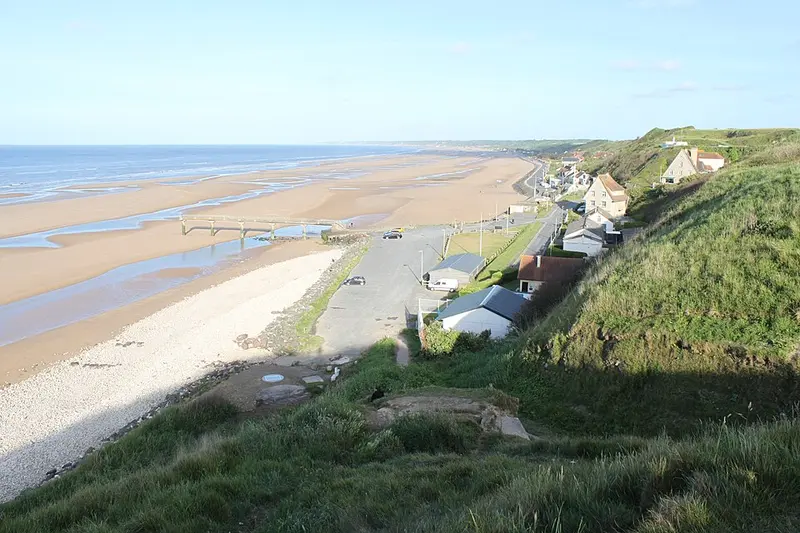
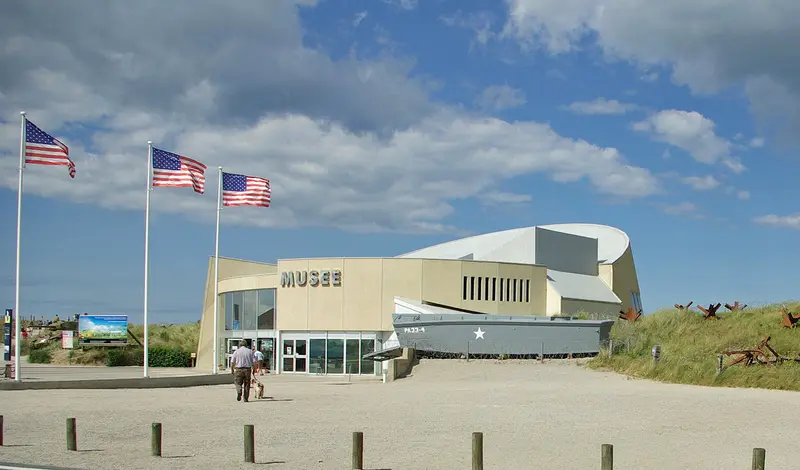
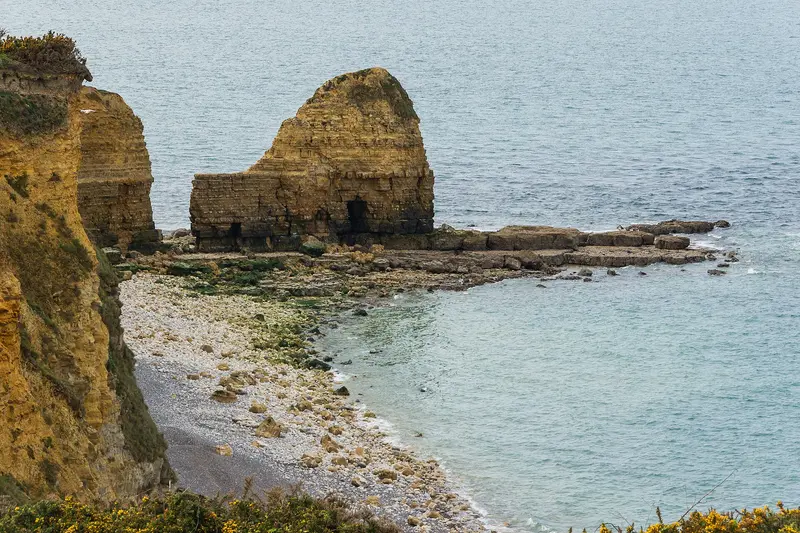
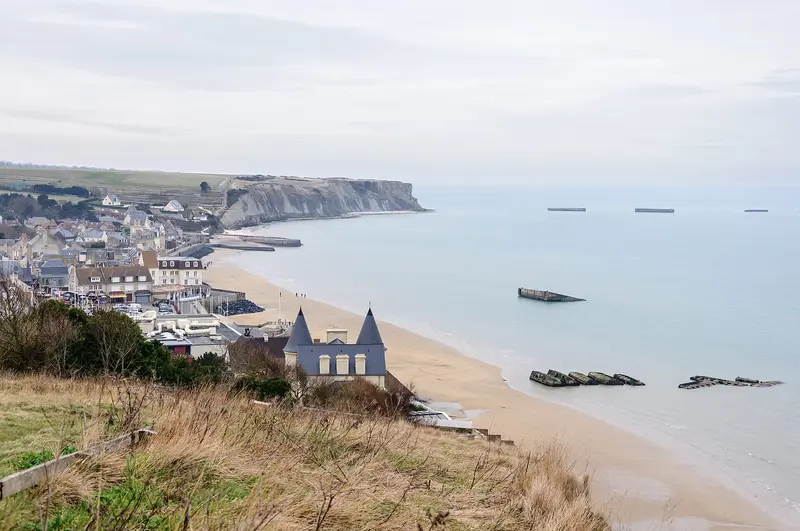
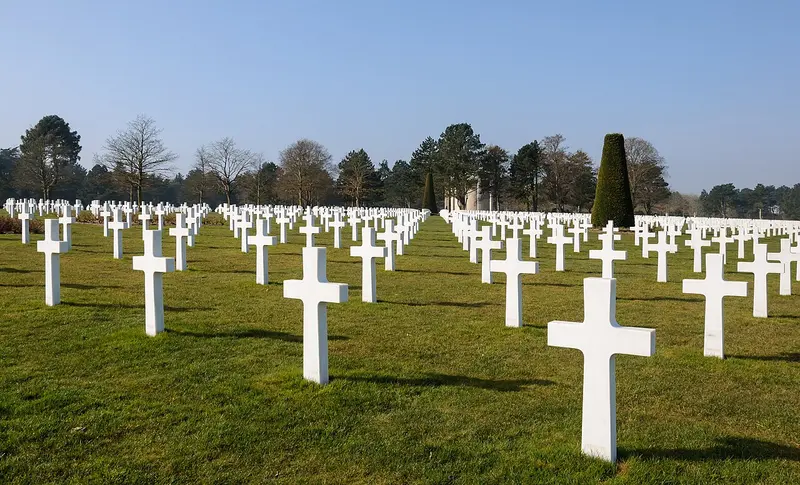
    Die D-Day Landungsstrände in der Normandie sind ein tief bewegendes historisches Areal, das an die entscheidende Operation Overlord im Zweiten Weltkrieg erinnert. Du findest hier ikonische Orte wie Omaha Beach und Utah Beach, wo die alliierten Truppen am 6. Juni 1944 landeten. Besuche die beeindruckende Klippenformation Pointe du Hoc, ein strategisch wichtiges Ziel, oder die Überreste des künstlichen Hafens in Arromanches-les-Bains. Zahlreiche Museen wie das Musée du Débarquement und die sorgfältig gepflegten Soldatenfriedhöfe, darunter der Amerikanische Friedhof in Colleville-sur-Mer, zeugen von den Ereignissen und dem Opfer der Soldaten. Diese Stätten bieten dir einen nüchternen Einblick in die militärische Planung und die menschlichen Kosten des Krieges, der hier eine entscheidende Wende nahm. Für ein umfassendes Verständnis solltest du dir mindestens zwei Tage Zeit nehmen, um die verschiedenen Sektoren zu erkunden. Ein Besuch außerhalb der Hauptsaison im Frühjahr oder Herbst ermöglicht eine ruhigere und intensivere Auseinandersetzung mit der Geschichte.

    Places in D-Day Landing Beaches

    Discover the most important sights and attractions

    Sights in D-Day Landing Beaches

    D-POINT

    Attraction in 8 Av. de la Libération.
    Open in Google Maps

    Blabla banc

    Attraction in 14710 Saint-Laurent-sur-Mer.
    Open in Google Maps

    Figura maryjna

    Attraction in 12 Rue de l'Église.
    Open in Google Maps

    Amerikanischer Normandiefriedhof

    Begräbnisstätte der im 2. Weltkrieg gefallenen Amerikaner und Besucherzentrum mit Filmen und Ausstellungen.

    Open in Google Maps

    Plage de Vierville-sur-mer

    Attraction in 2 Bd de Cauvigny.
    Open in Google Maps

    Food and Drink

    Historic Heritage and Remembrance

    The D-Day landing beaches in Normandy are a place of immense historical significance, inextricably linked to June 6, 1944, and the largest amphibious landing operation in history, Operation Overlord. Here began the liberation of Western Europe in World War II, an event that profoundly shaped the world and continues to resonate today.The culture and history of this region are dominated by the memory of that day. Numerous architectural testimonies, including preserved bunker systems of the Atlantic Wall, the remnants of the artificial harbour of Arromanches (Mulberry Harbour B), and impressive monuments, shape the landscape. These sites serve not only as silent witnesses to the past but also as essential learning places.The local population maintains a deep culture of remembrance and reconciliation. Every year, extensive commemorative ceremonies and parades take place, honouring veterans and acknowledging the sacrifice of the Allies. These traditions help to keep history alive and highlight the importance of peace and freedom for future generations.

    On the go locally

    The sprawling nature of the D-Day landing beaches and their memorials requires advance planning for your transportation. A metro or tram system is not available in this rural region. Public transport is limited to regional bus routes connecting larger towns like Caen or Bayeux, but these operate less frequently and less flexibly to the individual memorial sites. To explore the historical sites, a rental car is the most recommended option to ensure maximum independence and flexibility.Numerous bike rental services also allow you to experience sections of the coast or special routes on two wheels, while e-scooters are more commonly found in larger towns. Taxis and ride-sharing services are available but can become expensive for longer distances and are less common outside urban centers. As the sites are far apart, the region is not pedestrian-friendly in terms of getting *between* locations, although individual memorial sites themselves can be easily explored on foot. Plan your routes in advance and take the distances into account.

    Accommodations in D-Day Landing Beaches

    Accommodations in D-Day Landing Beaches

    Find perfect stay in D-Day Landing Beaches

    Booking.com
    Search Hotels
    Agoda
    Search Hotels
    Airbnb
    Vacation Rentals
    Hotels.com
    Hotels Worldwide
    Hostelworld
    Hostels

    Campgrounds in D-Day Landing Beaches

    Find perfect campground in D-Day Landing Beaches
    Search via Google Maps
    Campgrounds nearby (15km)
    Camping.info
    Find Campgrounds
    Park4Night
    RV Parks & Camping

    Plan your trip to D-Day Landing Beaches

    Save places, build a route and plan your city trip — all in one place.

    Save places

    Bookmark sights, restaurants and neighborhoods you're interested in.

    Build your route

    Turn your bookmarks into a route — define order, days and budget.

    Refine with AI

    Let Mein Fernweh suggest experiences and put together a tailored daily plan.

    Start trip planningOpen bookmarks

    Locations nearby

    These places are nearby — perfect for additional days or a day trip.

    Bayeux

    Bayeux

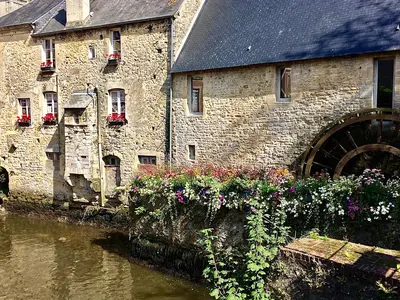
    Bayeux, a charming town in Normandy, transports you straight into the Middle Ages with its cobblestone streets and impressive cathedral. Famous for its UNESCO-listed Bayeux Tapestry and as an ideal starting point for the D-Day beaches, it offers a perfect blend of history, culture, and Norman charm.
    Caen

    Caen

    Caen in Normandy combines a rich medieval history with an impressive capacity for renewal after the devastations of World War II. You should explore the imposing Château de Caen, a fortress of William the Conqueror, which today houses museums and offers insight into Norman history. Equally significant are the Romanesque abbeys: the Abbaye aux Hommes with William's tomb and the Abbaye aux Dames, both architectural masterpieces. A visit to the Mémorial de Caen is essential to understand the impacts of D-Day and the importance of peace; plan at least half a day for this. Discover the charming Vaugueux district with its traditional half-timbered houses, where you can enjoy authentic Norman cuisine. The best time to visit is spring or autumn, to experience the city at more pleasant temperatures and with fewer tourists.
    Normandy

    Normandy

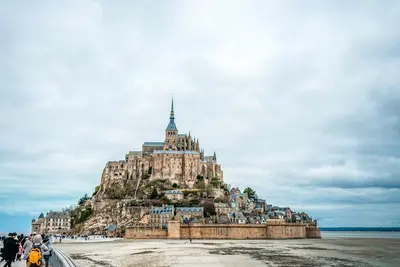
    The Normandy, a region full of contrasts, charms visitors with its breathtaking coastal landscape, deep green pastures, and rich historical heritage. From the mystical heights of Mont Saint-Michel to the poignant D-Day landing beaches, Normandy offers an unforgettable journey through culture, history, and picturesque beauty.
    Honfleur

    Honfleur

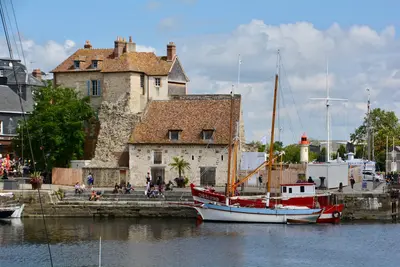
    The charming port town of Honfleur in Normandy captivates with its unique maritime flair. At its heart lies the Vieux Bassin, surrounded by characteristic tall houses with slate facades that define the townscape. The **Sainte-Catherine Church**, built entirely of wood by shipwrights, is an architectural gem and unique in France. Honfleur was an important port and inspired numerous *Impressionists* like Monet and Boudin, whose works you can discover at the Musée Eugène Boudin. Stroll through the narrow cobblestone streets, which host a variety of art galleries and small boutiques. For a more relaxed experience, visiting in late spring or early autumn is recommended to avoid the largest tourist crowds. Also explore the side streets away from the harbor to find hidden studios and charming squares.
    Étretat

    Étretat

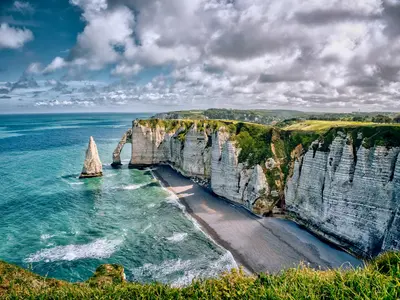
    Étretat, on Normandy's Alabaster Coast, is renowned for its striking chalk cliffs and natural rock arches. Here you'll discover the iconic Falaises d'Étretat, including the Porte d'Aval, the Porte d'Amont, and the impressive Manneporte. Of particular note is the freestanding rock needle, Aiguille Creuse, which gained cultural significance through Maurice Leblanc's Arsène Lupin novels. This unique landscape already inspired artists like Claude Monet and Gustave Courbet. A walk along the cliff paths offers spectacular views. The Jardins d'Étretat combine art and botany with panoramic views of the rock formations. To explore the rock arches on the beach, a visit at low tide is essential. The off-season in spring or autumn is ideal for a quieter experience.