
Fernweh
    ExploreTravel GuidesMy Trips
    de|en
    About FernwehImprintFAQPrivacy Policy
    ExploreTravel GuidesMy Trips
    Normandy

    Normandy

    Region
    1. Home
    2. Destinations
    3. France
    4. Normandy
    The Normandy, a region full of contrasts, charms visitors with its breathtaking coastal landscape, deep green pastures, and rich historical heritage. From the mystical heights of Mont Saint-Michel to the poignant D-Day landing beaches, Normandy offers an unforgettable journey through culture, history, and picturesque beauty.
    • Overview
    • Places in the region
    • Eat & drink
    • Culture
    • Nearby
    • Overview
    • Places in the region
    • Eat & drink
    • Culture
    • Nearby
    Normandy, in northwestern France, presents itself as a region of impressive scenic diversity, shaped by rugged coastlines and gentle rolling hills with apple orchards. Here you'll discover iconic landmarks like Mont Saint-Michel, a UNESCO World Heritage site, as well as the historic D-Day landing beaches, which commemorate the events of World War II. Historic cities like Rouen with its Gothic cathedral and picturesque coastal towns like Honfleur with its old harbor bear witness to a rich past and artistic inspiration. Culinarily, Normandy spoils you with regional specialties such as Camembert, Cider, and Calvados, which you can enjoy at local markets or directly from producers. The best time to visit is late spring or early autumn, to experience the impressive chalk cliffs of Étretat and the blossoming landscape at pleasant temperatures and with fewer crowds.

    Places in Normandy

    Bayeux

    Bayeux

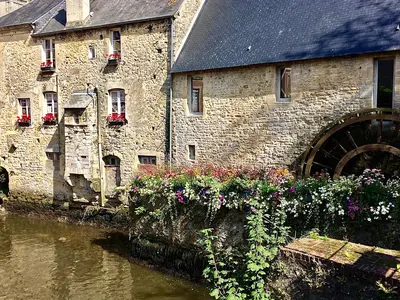
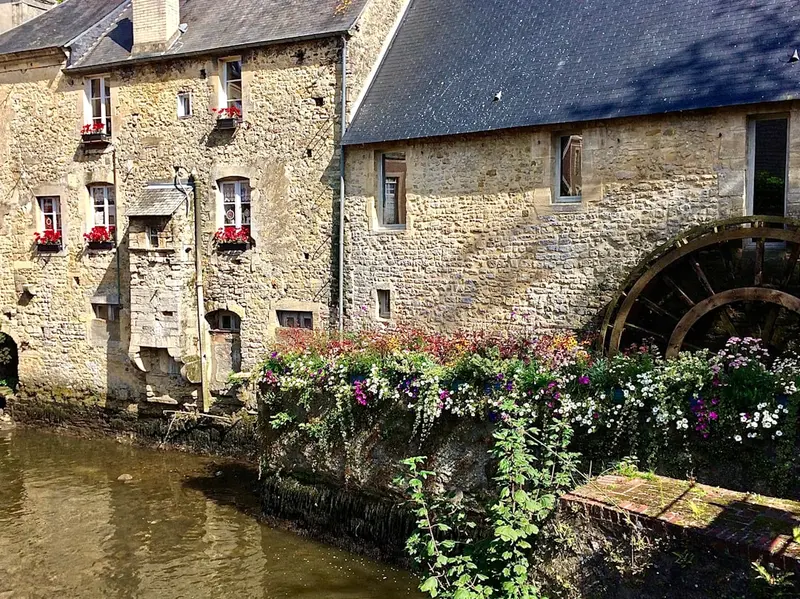
    Bayeux, a charming town in Normandy, transports you straight into the Middle Ages with its cobblestone streets and impressive cathedral. Famous for its UNESCO-listed Bayeux Tapestry and as an ideal starting point for the D-Day beaches, it offers a perfect blend of history, culture, and Norman charm.
    Caen

    Caen

    Caen in Normandy combines a rich medieval history with an impressive capacity for renewal after the devastations of World War II. You should explore the imposing Château de Caen, a fortress of William the Conqueror, which today houses museums and offers insight into Norman history. Equally significant are the Romanesque abbeys: the Abbaye aux Hommes with William's tomb and the Abbaye aux Dames, both architectural masterpieces. A visit to the Mémorial de Caen is essential to understand the impacts of D-Day and the importance of peace; plan at least half a day for this. Discover the charming Vaugueux district with its traditional half-timbered houses, where you can enjoy authentic Norman cuisine. The best time to visit is spring or autumn, to experience the city at more pleasant temperatures and with fewer tourists.
    D-Day Landing Beaches

    D-Day Landing Beaches

    The historic beaches of Operation Overlord are a moving testament to World War II, commemorating with museums, memorials, and military cemeteries the decisive Allied landing.
    Giverny

    Giverny

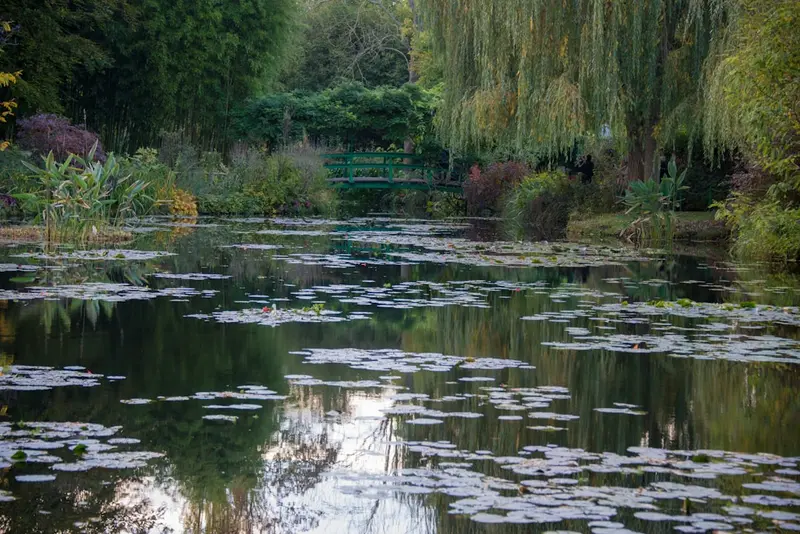
    Giverny, a picturesque village in Normandy, is inextricably linked to the life and work of the Impressionist Claude Monet. Here you'll find the famous House and Gardens of Claude Monet, where the artist lived for over 40 years and created his iconic Water Lilies paintings. The meticulously preserved gardens, especially the Water Garden with its Japanese bridge and water lily ponds, reflect Monet's artistic vision and served as direct inspiration for his masterpieces. The neighboring Musée des Impressionnismes Giverny complements your visit with rotating exhibitions on the history of the Impressionist movement. To fully enjoy the floral splendor and avoid larger crowds, a visit in late spring or early summer is recommended. Be sure to book tickets for Monet's House and Gardens online in advance, especially on weekends and public holidays.
    Honfleur

    Honfleur

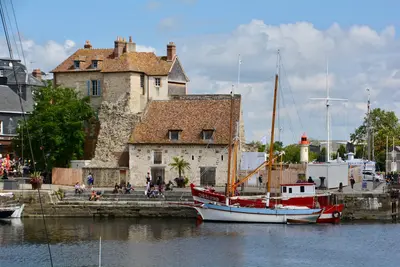
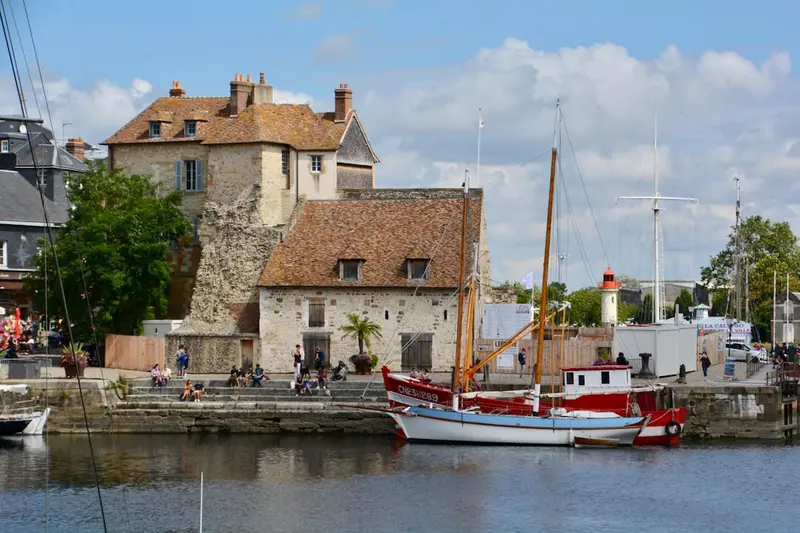
    The charming port town of Honfleur in Normandy captivates with its unique maritime flair. At its heart lies the Vieux Bassin, surrounded by characteristic tall houses with slate facades that define the townscape. The **Sainte-Catherine Church**, built entirely of wood by shipwrights, is an architectural gem and unique in France. Honfleur was an important port and inspired numerous *Impressionists* like Monet and Boudin, whose works you can discover at the Musée Eugène Boudin. Stroll through the narrow cobblestone streets, which host a variety of art galleries and small boutiques. For a more relaxed experience, visiting in late spring or early autumn is recommended to avoid the largest tourist crowds. Also explore the side streets away from the harbor to find hidden studios and charming squares.
    Mont Saint-Michel

    Mont Saint-Michel

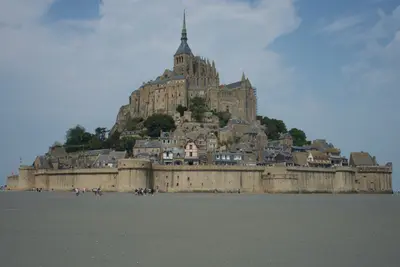
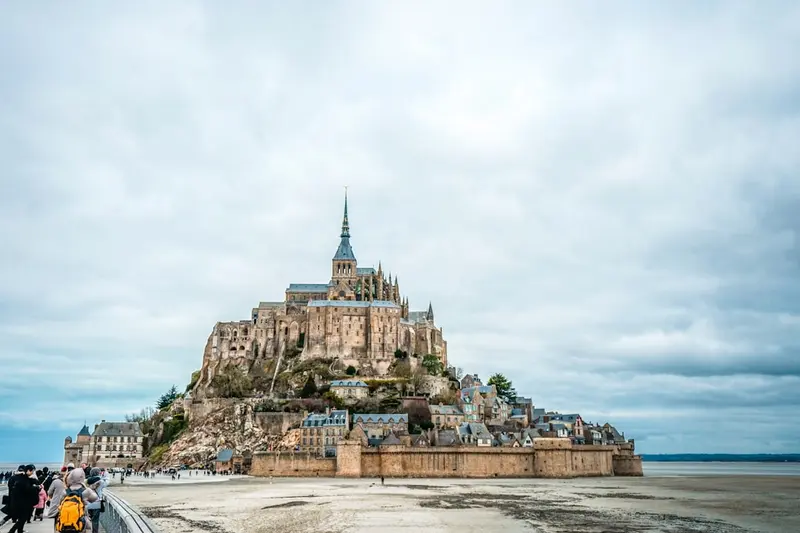
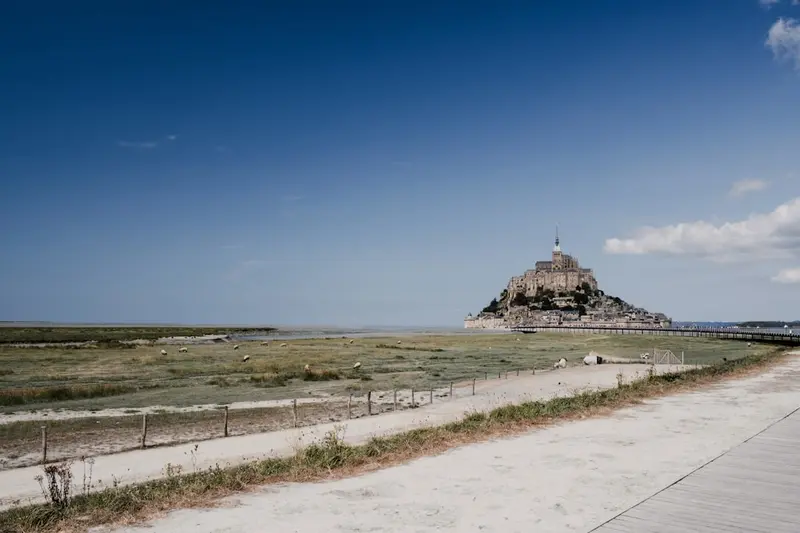
    Mont Saint-Michel rises majestically as an imposing rocky island from the tidal flats of Normandy, creating an unforgettable panorama. This UNESCO World Heritage site is primarily known for its medieval abbey, which developed over centuries into a significant pilgrimage destination. The Benedictine Abbey, a masterpiece of Gothic architecture, crowns the summit and offers you a deep insight into religious architecture and history. You can explore the narrow, cobblestone streets of the village, which spiral around the rock and lead to the abbey. Be mindful of the tides, as they can affect access to the island and represent a unique natural phenomenon. For a more relaxed experience and to avoid larger crowds, a visit in the early morning or late afternoon outside of peak season is recommended.
    Rouen

    Rouen

    The capital of Normandy captivates with its Gothic cathedral, its historic district of half-timbered houses, and the moving story of Joan of Arc.
    Étretat

    Étretat

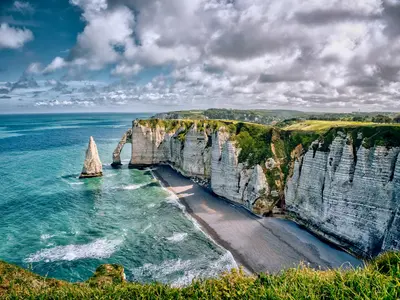
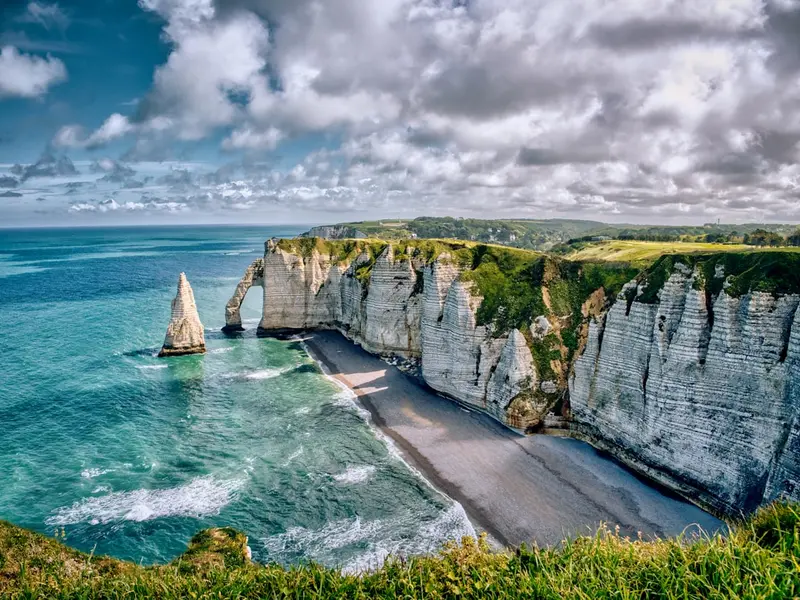
    Étretat, on Normandy's Alabaster Coast, is renowned for its striking chalk cliffs and natural rock arches. Here you'll discover the iconic Falaises d'Étretat, including the Porte d'Aval, the Porte d'Amont, and the impressive Manneporte. Of particular note is the freestanding rock needle, Aiguille Creuse, which gained cultural significance through Maurice Leblanc's Arsène Lupin novels. This unique landscape already inspired artists like Claude Monet and Gustave Courbet. A walk along the cliff paths offers spectacular views. The Jardins d'Étretat combine art and botany with panoramic views of the rock formations. To explore the rock arches on the beach, a visit at low tide is essential. The off-season in spring or autumn is ideal for a quieter experience.

    Sights in Normandy

    Discover the most important sights and attractions

    Stephensabtei

    The Abbey of Saint-Étienne (Abbaye aux Hommes) in Caen, Normandy, is an outstanding example of Romanesque architecture and closely linked to the history of William the Conqueror. He founded the abbey in the 11th century as penance for his marriage to Matilda of Flanders and was buried here in 1087. You can find his tomb in the choir of the abbey church of Saint-Étienne. The church impresses with its clear, powerful Romanesque style, particularly evident in the long, three-aisled basilica and the imposing west towers. Later Gothic additions are harmoniously integrated.During your visit, you can enjoy the tranquil atmosphere of the cloister and explore the former monastic buildings, which today house Caen's City Hall. Notice the fine details of the capitals and the proportions of the nave, which reflect the architectural mastery of that era. Our Tip: Visit the abbey in the morning to experience the peace and special light before larger groups of visitors arrive. An excellent photo spot for the entire west façade is available from the forecourt, especially when the sun is low.
    Open in Google Maps

    Mémorial de Caen

    The Mémorial de Caen is a significant museum and memorial in Normandy, dedicated to the history of the 20th century, particularly World War II, the Allied D-Day Landings, and the Cold War. It was built on a former German bunker and serves as a center for peace and reconciliation. Here, you'll find comprehensive exhibitions that illuminate the causes and consequences of conflicts from World War II to the Cold War. The chronologically structured presentations utilize historical documents, personal testimonies, and impressive film footage. During your visit, you'll delve deep into the events of the Battle of Normandy, which heavily devastated Caen itself. The museum offers detailed insights into military operations, the role of the civilian population, and the atrocities of the Holocaust. It is a place of reflection that encourages contemplation on the importance of peace. Our Tip: Plan at least half a day for your visit to properly appreciate the extensive exhibits. To avoid the largest crowds, it's advisable to visit right after opening in the morning. The Gardens of Remembrance in the outdoor area also offer a tranquil opportunity for contemplation.
    Open in Google Maps

    Colline aux Oiseaux Park

    The Colline aux Oiseaux Park in Caen, Normandy, is an outstanding example of successful urban renewal. It was built on the site of a former landfill and transformed into a diverse green space, which was opened in 1988 to mark the 20th anniversary of the twinning between Caen and Portsmouth. Here you'll find a series of thematic gardens, including a rose garden, a garden of the senses, and a water garden, each showcasing different plant worlds. A central element is the large aviary, which gives the park its name and houses a variety of native and exotic bird species. The expansive paths invite you for long walks and offer numerous opportunities to observe the flora and fauna. From the slightly elevated areas of the park, you can also enjoy wide views over the city of Caen. Our Tip: Plan your visit in late spring or early summer, when the gardens are in full bloom. To fully savour the tranquility of the area and capture the best photo opportunities, a weekday morning visit is recommended.
    Open in Google Maps

    Stephensabtei

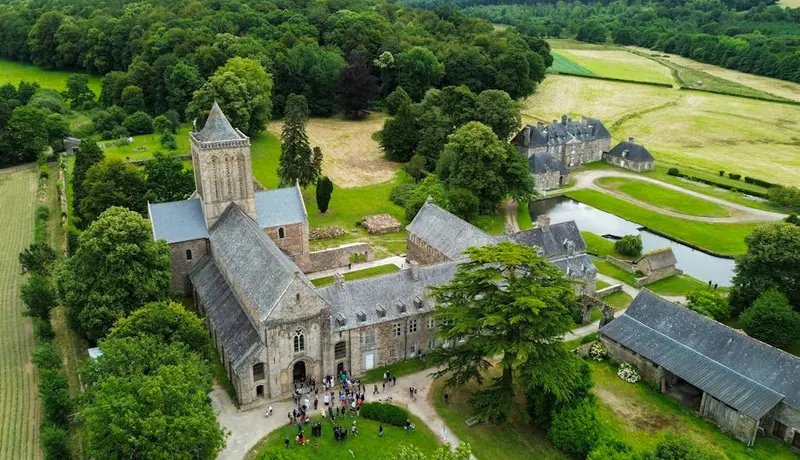
    The Abbey of Saint-Étienne (Abbaye aux Hommes) in Caen, Normandy, is an outstanding example of Romanesque architecture and closely linked to the history of William the Conqueror. He founded the abbey in the 11th century as penance for his marriage to Matilda of Flanders and was buried here in 1087. You can find his tomb in the choir of the abbey church of Saint-Étienne. The church impresses with its clear, powerful Romanesque style, particularly evident in the long, three-aisled basilica and the imposing west towers. Later Gothic additions are harmoniously integrated.During your visit, you can enjoy the tranquil atmosphere of the cloister and explore the former monastic buildings, which today house Caen's City Hall. Notice the fine details of the capitals and the proportions of the nave, which reflect the architectural mastery of that era. Our Tip: Visit the abbey in the morning to experience the peace and special light before larger groups of visitors arrive. An excellent photo spot for the entire west façade is available from the forecourt, especially when the sun is low.
    Open in Google Maps

    Musée d'initiation à la nature

    The Nature Awareness Museum in Normandy offers you a deep insight into the regional flora and fauna. It serves as an educational center that introduces visitors of all ages to the importance of the local ecosystem. Here you'll find interactive exhibitions that showcase the region's biodiversity, its landscapes, and the challenges of nature conservation. The presentations are designed to foster an understanding of the environment and inspire active protection. Often, specific habitats like forests, coastal areas, or wetlands of Normandy are also explored. Our Tip: Plan your visit in the morning hours to explore the interactive stations at your leisure before larger groups arrive. Also look out for special workshops or guided tours, which are often offered and allow for an even deeper insight.
    Open in Google Maps

    St-Étienne de Caen

    The St-Étienne de Caen, also known as Abbaye aux Hommes, is an outstanding example of Romanesque architecture in Normandy and closely linked to William the Conqueror. He founded the abbey in 1063 and was buried here in 1087; his simple tomb is located in the choir. The church, consecrated in 1077, impresses with its monumental facade featuring two tall towers, whose upper parts and spires were later added in the Gothic style. Inside, a spacious, bright nave awaits you, reflecting Romanesque austerity and elegance. Pay attention to the finely crafted capitals and harmonious proportions that characterize 11th-century construction. The abbey church served as an important model for numerous other religious buildings in the region. Our tip: Visit St-Étienne in the morning to make the most of the light for interior photos and experience the atmosphere in peace before larger tour groups arrive. The forecourt offers an impressive overall view of the facade.
    Open in Google Maps

    Dining & Drinks

    History, Culture and Art of Normandy

    Normandy is deeply rooted in a rich history, shaped by the Vikings who settled here in the 9th and 10th centuries and gave the duchy its name. This era culminated in William the Conqueror's conquest of England in 1066, a defining period that leaves its mark on Anglo-Norman architecture to this day.Gothic cathedrals, such as those in Rouen and Bayeux, along with numerous castles, bear witness to its medieval splendor. Later, the region became the scene of decisive events of World War II, particularly the Allied landings on D-Day, whose memorials and museums stand as important historical witnesses today.Culturally, Normandy is inextricably linked with Impressionism; artists like Claude Monet found inspiration in the region's light conditions and coastal landscapes. Local traditions include the production of regional specialties such as Camembert cheese, cider, and Calvados, which shape its gastronomic heritage and are deeply embedded in Norman identity.

    Locations nearby

    These places are nearby — perfect for additional days or a day trip.

    Caen

    Caen

    Caen in Normandy combines a rich medieval history with an impressive capacity for renewal after the devastations of World War II. You should explore the imposing Château de Caen, a fortress of William the Conqueror, which today houses museums and offers insight into Norman history. Equally significant are the Romanesque abbeys: the Abbaye aux Hommes with William's tomb and the Abbaye aux Dames, both architectural masterpieces. A visit to the Mémorial de Caen is essential to understand the impacts of D-Day and the importance of peace; plan at least half a day for this. Discover the charming Vaugueux district with its traditional half-timbered houses, where you can enjoy authentic Norman cuisine. The best time to visit is spring or autumn, to experience the city at more pleasant temperatures and with fewer tourists.
    Bayeux

    Bayeux

    Bayeux, a charming town in Normandy, transports you straight into the Middle Ages with its cobblestone streets and impressive cathedral. Famous for its UNESCO-listed Bayeux Tapestry and as an ideal starting point for the D-Day beaches, it offers a perfect blend of history, culture, and Norman charm.
    D-Day Landing Beaches

    D-Day Landing Beaches

    The historic beaches of Operation Overlord are a moving testament to World War II, commemorating with museums, memorials, and military cemeteries the decisive Allied landing.
    Honfleur

    Honfleur

    The charming port town of Honfleur in Normandy captivates with its unique maritime flair. At its heart lies the Vieux Bassin, surrounded by characteristic tall houses with slate facades that define the townscape. The **Sainte-Catherine Church**, built entirely of wood by shipwrights, is an architectural gem and unique in France. Honfleur was an important port and inspired numerous *Impressionists* like Monet and Boudin, whose works you can discover at the Musée Eugène Boudin. Stroll through the narrow cobblestone streets, which host a variety of art galleries and small boutiques. For a more relaxed experience, visiting in late spring or early autumn is recommended to avoid the largest tourist crowds. Also explore the side streets away from the harbor to find hidden studios and charming squares.
    Étretat

    Étretat

    Étretat, on Normandy's Alabaster Coast, is renowned for its striking chalk cliffs and natural rock arches. Here you'll discover the iconic Falaises d'Étretat, including the Porte d'Aval, the Porte d'Amont, and the impressive Manneporte. Of particular note is the freestanding rock needle, Aiguille Creuse, which gained cultural significance through Maurice Leblanc's Arsène Lupin novels. This unique landscape already inspired artists like Claude Monet and Gustave Courbet. A walk along the cliff paths offers spectacular views. The Jardins d'Étretat combine art and botany with panoramic views of the rock formations. To explore the rock arches on the beach, a visit at low tide is essential. The off-season in spring or autumn is ideal for a quieter experience.