Fernweh
    ExploreTravel GuidesMy Trips
    de|en
    About FernwehImprintFAQPrivacy Policy
    ExploreTravel GuidesMy Trips
    Caen

    Caen

    CityCulture
    1. Home
    2. Destinations
    3. France
    4. Normandy
    5. Caen
    Caen in Normandy combines a rich medieval history with an impressive capacity for renewal after the devastations of World War II. You should explore the imposing Château de Caen, a fortress of William the Conqueror, which today houses museums and offers insight into Norman history. Equally significant are the Romanesque abbeys: the Abbaye aux Hommes with William's tomb and the Abbaye aux Dames, both architectural masterpieces. A visit to the Mémorial de Caen is essential to understand the impacts of D-Day and the importance of peace; plan at least half a day for this. Discover the charming Vaugueux district with its traditional half-timbered houses, where you can enjoy authentic Norman cuisine. The best time to visit is spring or autumn, to experience the city at more pleasant temperatures and with fewer tourists.
    • Neighborhoods & highlights
    • Walking tours
    • Eat & drink
    • Culture
    • Nightlife
    • Getting around
    • Accommodation
    • Plan trip
    • Nearby
    • Neighborhoods & highlights
    • Walking tours
    • Eat & drink
    • Culture
    • Nightlife
    • Getting around
    • Accommodation
    • Plan trip
    • Nearby

    Overview

    Caen in Normandy combines deeply rooted medieval history with a remarkable capacity for renewal after the devastation of World War II. Be sure to explore the imposing Château de Caen, a fortress built by William the Conqueror, now home to several museums, offering comprehensive insights into Norman history. Equally significant are the Romanesque abbeys: the Abbaye aux Hommes, housing William's tomb, and the Abbaye aux Dames, both striking examples of Norman sacred architecture. A visit to the Mémorial de Caen is essential for understanding the impact of D-Day and the significance of peace; allow at least half a day. Discover the charming Vaugueux district with its traditional half-timbered houses, where you can savour authentic Norman cuisine in cozy restaurants. The ideal time to visit is spring or autumn, allowing you to experience the city in more pleasant temperatures with fewer tourists, and explore the historical sites at leisure.

    Places in Caen

    Discover the most important sights and attractions

    Sights in Caen

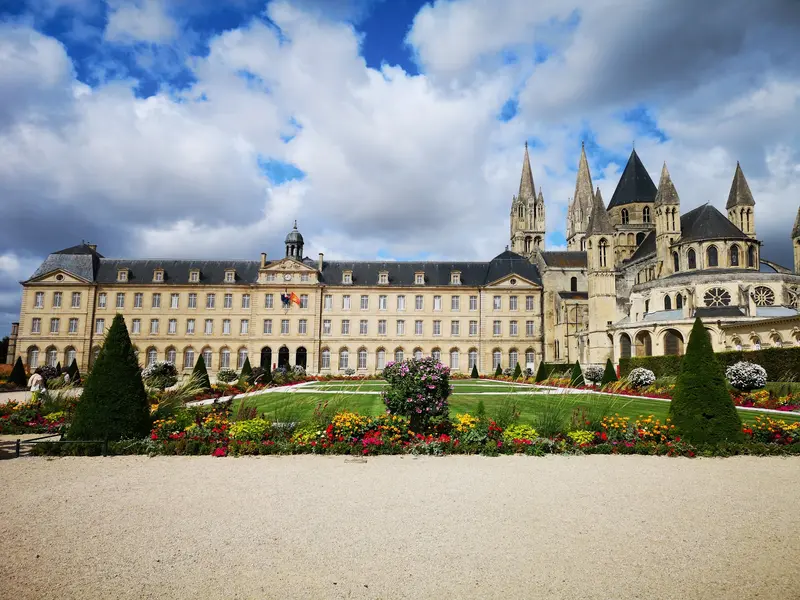
    Stephensabtei

    The Abbey Church of St-Étienne de Caen, also known as Abbaye aux Hommes, is a monumental testament to Norman history and architecture. Its founding in 1063 dates back to William the Conqueror, who was buried here in 1087. You will find his simple tomb in the church's choir, a place of great historical significance. The church is an outstanding example of Romanesque architecture, recognizable by its long, majestic nave and robust pillars. Later Gothic additions, particularly the elegant towers and the bright choir, add another architectural dimension and showcase the evolution of building styles over centuries. Upon entering, you will perceive the impressive spaciousness and the simple elegance of the Romanesque capitals. Our Tip: To explore the architecture in peace and capture the best light for photos of the west façade, an early morning visit is recommended. This way, you also avoid the largest crowds and can fully soak in the atmosphere of this historic place.
    Open in Google Maps

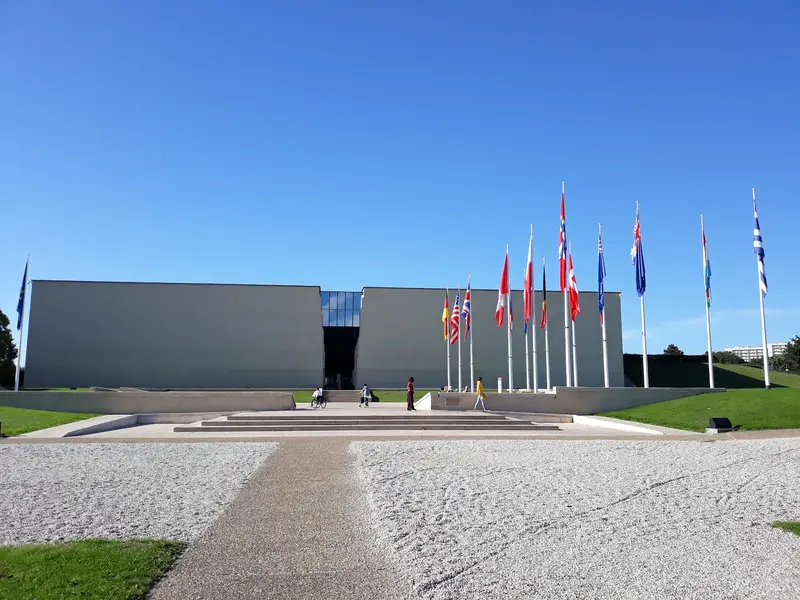
    Mémorial de Caen

    The Mémorial de Caen is a significant museum and peace center dedicated to the history of the 20th century. It illuminates the causes and consequences of World War II, particularly the Allied landings in Normandy and the subsequent battle. Here, you'll find comprehensive exhibitions that guide you through the period of German occupation, the Resistance, and the Liberation. Another focus is on the Cold War and the question of peace in the world. The museum presents authentic documents, artifacts, and impressive multimedia installations that make the events tangible. It is not merely a war museum, but a place for reflection on human history and the necessity of reconciliation. Plan at least half a day for your visit to fully grasp the depth of the exhibitions. To avoid the largest crowds, a visit right after opening in the morning or in the late afternoon is recommended.
    Open in Google Maps

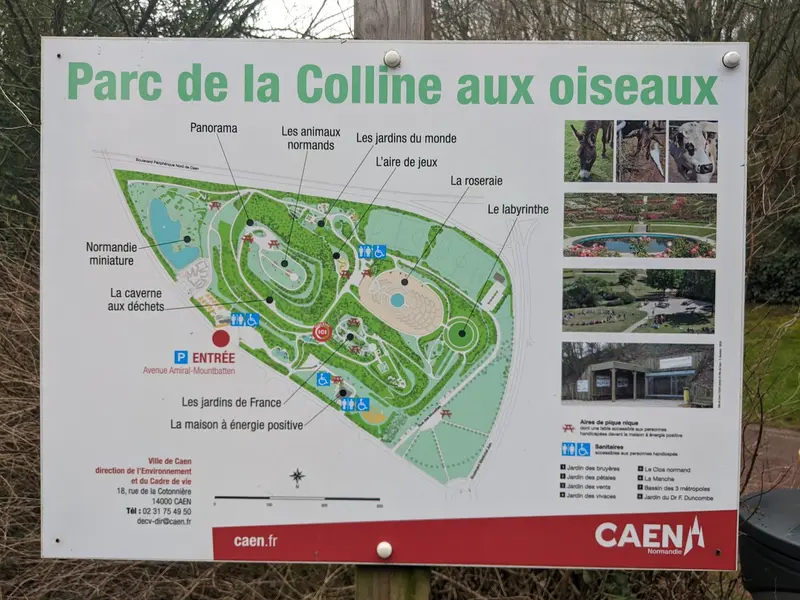
    Colline aux Oiseaux Park

    description\": \"Der Parc de la Colline aux Oiseaux in Caen ist ein bemerkenswertes Beispiel für die Transformation einer ehemaligen Deponie in eine blühende Grünanlage. Er wurde 1990 anlässlich des 50. Jahrestages des Zweiten Weltkriegs eröffnet und symbolisiert die Erneuerung und das ökologische Engagement der Stadt. Hier findest du auf über 17 Hektar eine vielfältige Landschaft mit Themengärten, darunter eine beeindruckende Roseraie mit über 15.000 Rosensträuchern, sowie weitläufige Rasenflächen und Wasserbecken. Der Park ist, wie der Name andeutet, auch ein Zuhause für zahlreiche Vogelarten, die in großzügigen Volieren beobachtet werden können. Von den erhöhten Punkten des Parks genießt du zudem einen schönen Ausblick über Caen. Unser Tipp: Besuche den Park im späten Frühling oder frühen Sommer, wenn die Rosen in voller Blüte stehen, um das Farbenspiel optimal zu erleben. Für Ruhe und um die Vogelwelt ungestört zu beobachten, empfiehlt sich ein Besuch am frühen Morgen unter der Woche.\"
    Open in Google Maps

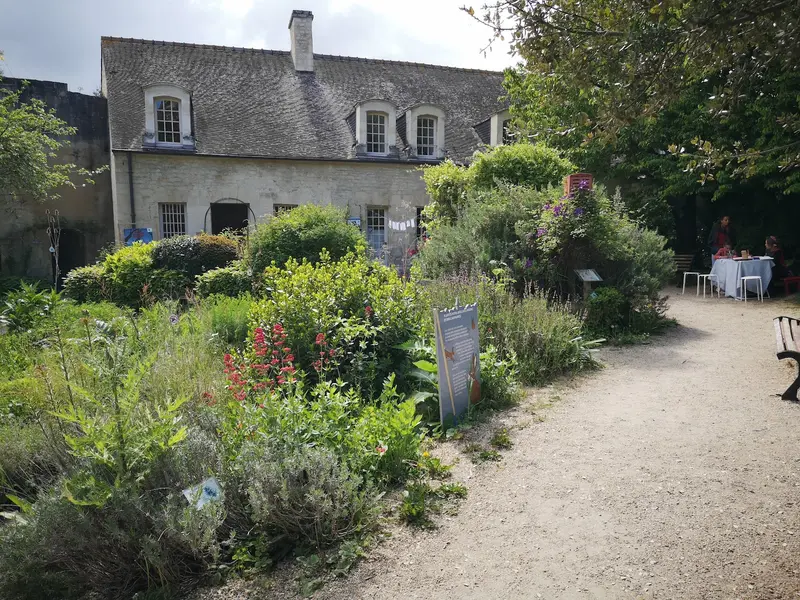
    Musée d'initiation à la nature

    Das Musée d'initiation à la nature in Caen bietet dir einen fundierten Einblick in die lokale Biodiversität und die Ökosysteme der Normandie. Es wurde mit dem Ziel gegründet, Besuchern jeden Alters die Natur näherzubringen und ein Bewusstsein für den Umweltschutz zu schaffen. Hier findest du didaktisch aufbereitete Ausstellungen, die sich mit der Flora und Fauna der Region, den Auswirkungen menschlicher Aktivitäten und den Prinzipien nachhaltigen Handelns auseinandersetzen. Die Präsentationen sind darauf ausgelegt, komplexe ökologische Zusammenhänge verständlich zu machen und zum Nachdenken anzuregen.Du kannst hier verschiedene Lebensräume der Normandie erkunden, von Küstenlandschaften bis zu Wäldern und Feuchtgebieten, und die typischen Arten kennenlernen, die sie bewohnen. Das Museum legt Wert auf eine interaktive Vermittlung, die besonders auch jüngere Besucher anspricht. Unser Tipp: Plane deinen Besuch in den Vormittagsstunden unter der Woche, um die Ruhe zu genießen und die Exponate in aller Ausführlichkeit zu studieren. Kombiniere den Museumsbesuch idealerweise mit einem Spaziergang in einem der nahegelegenen Parks oder Gärten von Caen, um die vorgestellten Naturthemen direkt im Freien zu erleben.
    Open in Google Maps

    City walks in Caen

    Curated walking tours through the city's highlights — handpicked by experienced travel journalists.

    Auf den Spuren Wilhelms des Eroberers: Caens Charme entdecken

    Entdecken Sie das Herz von Caen auf diesem 2-stündigen Rundgang. Von der majestätischen Festung bis zu den charmanten Gassen des alten Viertels und der beeindruckenden Abbaye aux Hommes tauchen Sie ein in die reiche Geschichte und das einzigartige Flair dieser normannischen Stadt.

    In Google Maps öffnen
    Stopps (5)

    Dining & Drinks

    Culture, Art & History of Caen

    Caen, capital of the Duchy of Normandy under William the Conqueror, is deeply rooted in French history. The city's founding and its heyday in the Middle Ages are inextricably linked to him, visible in the impressive Romanesque abbeys Abbaye aux Hommes and Abbaye aux Dames, which he and his wife Mathilde founded. These sacred buildings bear witness to an architectural era that significantly shaped Caen and still defines its skyline today.The city experienced massive destruction during World War II, particularly during the Battle of Caen in 1944, which destroyed large parts of its historic fabric. The subsequent reconstruction was carried out carefully and integrated modern elements, while important monuments were restored. Today, the Mémorial de Caen symbolizes the lessons learned from the war and, as a peace museum, actively engages with 20th-century history, representing an important cultural contribution.Caen is also a vibrant university city with a strong intellectual heritage that enriches the local culture. In addition to historical sites, art galleries, theaters, and various festivals shape its cultural life. This mix of medieval history, the processing of its recent past, and a dynamic present makes Caen a place of particular cultural interest.

    Nightlife

    Caen comes alive after sunset with a diverse and welcoming nightlife scene that attracts students, locals, and visitors alike. From traditional bars in the historic center to modern music clubs, the city has something for everyone. Especially around the Château de Caen and in the Quartier Vaugueux, you'll find numerous cozy pubs and lively venues.

    Exploring Caen: Getting around locally

    Caen is easy to explore thanks to an efficient public transport network and its compact city centre. The tram and buses operated by Twisto are the main public transport options, conveniently bringing visitors to all major sights. For shorter distances or exploring the charming districts, the city is also excellently experienced on foot or by bike.

    Accommodations in Caen

    Accommodations in Caen

    Find perfect stay in Caen

    Booking.com
    Search Hotels
    Agoda
    Search Hotels
    Airbnb
    Vacation Rentals
    Hotels.com
    Hotels Worldwide
    Hostelworld
    Hostels

    Campgrounds in Caen

    Find perfect campground in Caen

    Search via Google Maps
    Campgrounds nearby (15km)
    Camping.info
    Find Campgrounds
    Park4Night
    RV Parks & Camping

    Plan your trip to Caen

    Save places, build a route and plan your city trip — all in one place.

    Save places

    Bookmark sights, restaurants and neighborhoods you're interested in.

    Build your route

    Turn your bookmarks into a route — define order, days and budget.

    Refine with AI

    Let Mein Fernweh suggest experiences and put together a tailored daily plan.

    Start trip planningOpen bookmarks

    Locations nearby

    These places are nearby — perfect for additional days or a day trip.

    Normandy

    Normandy

    The Normandy, a region full of contrasts, charms visitors with its breathtaking coastal landscape, deep green pastures, and rich historical heritage. From the mystical heights of Mont Saint-Michel to the poignant D-Day landing beaches, Normandy offers an unforgettable journey through culture, history, and picturesque beauty.
    Bayeux

    Bayeux

    Bayeux, a charming town in Normandy, transports you straight into the Middle Ages with its cobblestone streets and impressive cathedral. Famous for its UNESCO-listed Bayeux Tapestry and as an ideal starting point for the D-Day beaches, it offers a perfect blend of history, culture, and Norman charm.
    D-Day Landing Beaches

    D-Day Landing Beaches

    The historic beaches of Operation Overlord are a moving testament to World War II, commemorating with museums, memorials, and military cemeteries the decisive Allied landing.
    Honfleur

    Honfleur

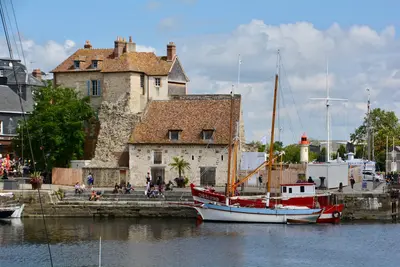
    The charming port town of Honfleur in Normandy captivates with its unique maritime flair. At its heart lies the Vieux Bassin, surrounded by characteristic tall houses with slate facades that define the townscape. The **Sainte-Catherine Church**, built entirely of wood by shipwrights, is an architectural gem and unique in France. Honfleur was an important port and inspired numerous *Impressionists* like Monet and Boudin, whose works you can discover at the Musée Eugène Boudin. Stroll through the narrow cobblestone streets, which host a variety of art galleries and small boutiques. For a more relaxed experience, visiting in late spring or early autumn is recommended to avoid the largest tourist crowds. Also explore the side streets away from the harbor to find hidden studios and charming squares.
    Étretat

    Étretat

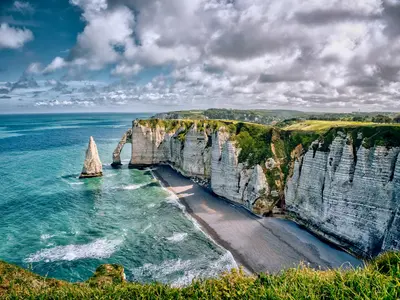
    Étretat, on Normandy's Alabaster Coast, is renowned for its striking chalk cliffs and natural rock arches. Here you'll discover the iconic Falaises d'Étretat, including the Porte d'Aval, the Porte d'Amont, and the impressive Manneporte. Of particular note is the freestanding rock needle, Aiguille Creuse, which gained cultural significance through Maurice Leblanc's Arsène Lupin novels. This unique landscape already inspired artists like Claude Monet and Gustave Courbet. A walk along the cliff paths offers spectacular views. The Jardins d'Étretat combine art and botany with panoramic views of the rock formations. To explore the rock arches on the beach, a visit at low tide is essential. The off-season in spring or autumn is ideal for a quieter experience.