Fernweh: Home
    ExploreTravel GuidesPlan a tripMy tripLast visited
    de|en
    All Places & RegionsAll highlightsAbout FernwehFAQPrivacy PolicyImprint
    ExploreTravel GuidesPlan a tripMy tripLast visited
    • Neighborhoods & highlights
    • Walking tours
    • Eat & drink
    • Food culture
    • Culture
    • Getting around
    • Accommodation
    • Plan trip
    • Nearby
    Orléans

    France

    Orléans

    City

    Orléans is located at the northernmost point of the Loire bend and is closely associated with Jeanne d'Arc, who ended the city's siege in 1429.

    by Felix Gillen

    1. Home
    2. Destinations
    3. France
    4. Centre-Val de Loire
    5. Orléans
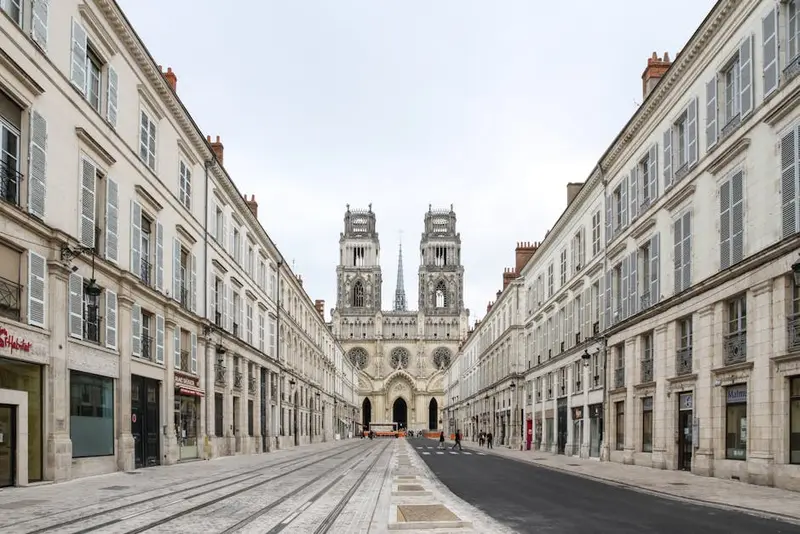
    Orléans is located at the northernmost point of the Loire bend and is closely associated with Jeanne d'Arc, who ended the city's siege in 1429. The old town features restored half-timbered houses, a Gothic cathedral, and quays along the Loire. The city makes an ideal base for the eastern part of the Loire Valley, which is a UNESCO World Heritage site here.

    Sights in Orléans

    Discover the most important sights and attractions

    Cathédrale Sainte-Croix d'Orléans

    1Cathédrale Sainte-Croix d'Orléans

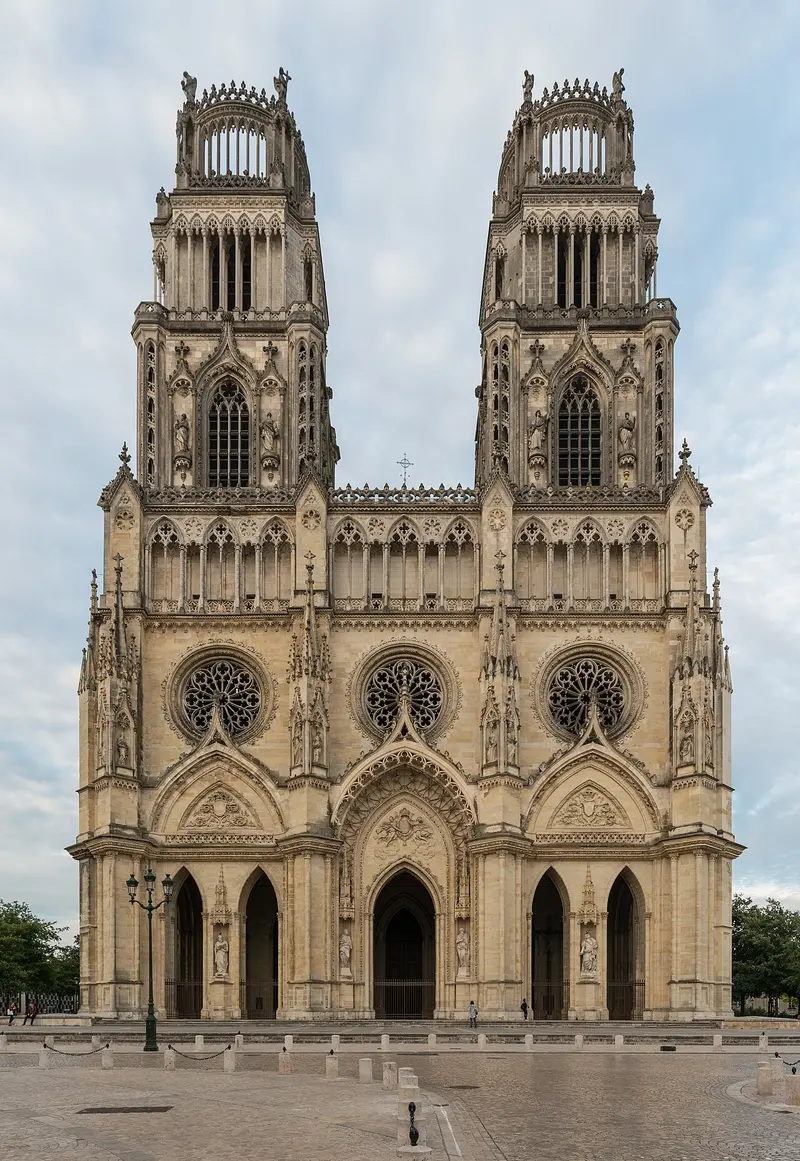
    The Gothic Cathedral dominates the skyline of Orléans. After its destruction by Huguenots in 1568, it was rebuilt in the Gothic style from the 17th to the 19th century. In the nave, late 19th-century stained-glass windows depict the life of Joan of Arc.
    Open in Google Maps
    Maison de Jeanne d'Arc

    2Maison de Jeanne d'Arc

    The house stands where Jeanne d'Arc stayed with Treasurer Jacques Boucher during the city's liberation in 1429. The original was destroyed in World War II; today's building is a reconstruction. Exhibitions and multimedia presentations tell the story of the Maid of Orléans' life.
    Open in Google Maps

    3Hôtel Groslot

    Direkt neben der Kathedrale findest du das prachtvolle Hôtel Groslot, ein ehemaliges Herrenhaus aus der Renaissance, das einst Königen und Königinnen als Residenz diente. Bewundere die reich verzierte Fassade und die eleganten Innenräume, die heute als Standesamt und Museum dienen und einen Einblick in die reiche Geschichte der Stadt geben.
    Open in Google Maps
    Musée des Beaux-Arts d'Orléans

    4Musée des Beaux-Arts d'Orléans

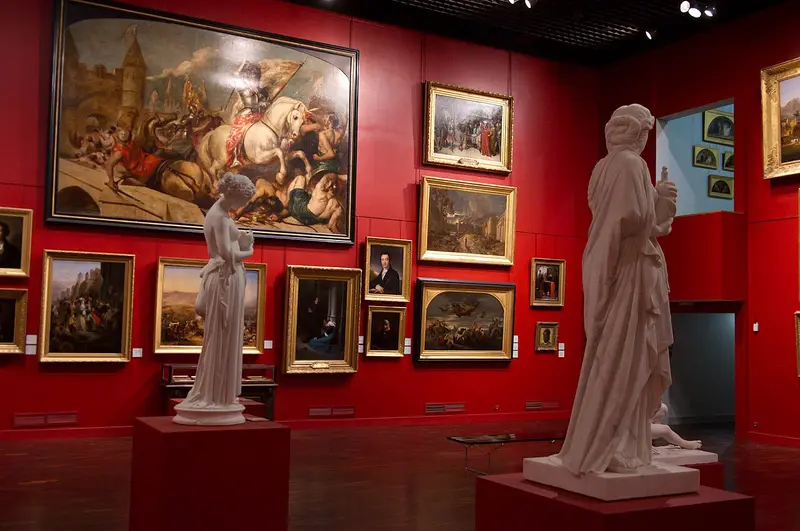
    The Musée des Beaux-Arts, opposite the Cathedral, displays European painting, sculpture, and graphic arts from the 15th to the 20th century, including a large collection of 18th-century French pastels.
    Open in Google Maps

    City walks in Orléans

    Curated walking tours through the city's highlights, handpicked by experienced travel journalists.

    Orléans: In the Footsteps of the Maid of Orléans

    Discover Orléans, the historic town on the Loire, on a two-hour tour. Follow the traces of the legendary Joan of Arc, admire magnificent architecture and enjoy the charming ambience of the old town. A perfect walk for history lovers and anyone who wants to experience the heart of Orléans.

    Open in Google Maps
    Stops (6)

    Restaurants & Cafés

    La Dariole

    Für ein authentisches französisches Esserlebnis bist du bei La Dariole genau richtig. Dieses charmante Restaurant serviert klassische Gerichte aus der Region, zubereitet mit frischen, saisonalen Zutaten, in einer warmen und einladenden Atmosphäre. Ein Muss für Liebhaber der traditionellen Küche!
    Show on Google Maps

    Aux Trois Coups

    Wenn du eine modernere Interpretation der französischen Küche suchst, dann probiere Aux Trois Coups. Hier erwarten dich kreative Gerichte und eine elegante, aber entspannte Bistro-Atmosphäre. Ideal für ein stilvolles Abendessen mit Freunden oder Familie.
    Show on Google Maps

    Le Bateau Lavoir

    Genieße ein einzigartiges Dinnererlebnis an Bord des "Bateau Lavoir", einem Restaurantschiff auf der Loire. Hier werden dir raffinierte Gerichte der modernen französischen Küche serviert, während du den malerischen Blick auf den Fluss und die Stadt genießt – besonders romantisch am Abend.
    Show on Google Maps

    Crêperie Le Lancelot

    Für eine entspannte Mahlzeit oder eine süße Leckerei zwischendurch ist die Crêperie Le Lancelot eine ausgezeichnete Wahl. Hier findest du eine große Auswahl an herzhaften Galettes und süßen Crêpes, zubereitet nach bretonischer Art, in einem gemütlichen Ambiente.
    Show on Google Maps

    Eating & Drinking

    Orléans has a long trade history with vinegar and wine. Also available are products from the surrounding Sologne and Gâtinais.

    Vinegar of Orléans

    For centuries, the city was a hub of French vinegar production, as wine shipments arrived here by river. A local manufactory continues this tradition.

    Cotignac

    A quince jelly in small round wooden boxes, which has been made in Orléans for centuries. According to tradition, it was gifted to passing kings.

    Saffron from Gâtinais

    Northeast of the city, saffron was grown for centuries. Following a long break, some farms resumed its cultivation.

    Wines from Orléans

    The small growing region by the river received its own appellation in 2006. It uses Pinot Meunier, among others.

    Les Halles Châtelet

    In the market hall in the center, vendors sell products from the Beauce, Sologne, and Loire Valley.

    Orléans: A Rich Heritage of Culture and History

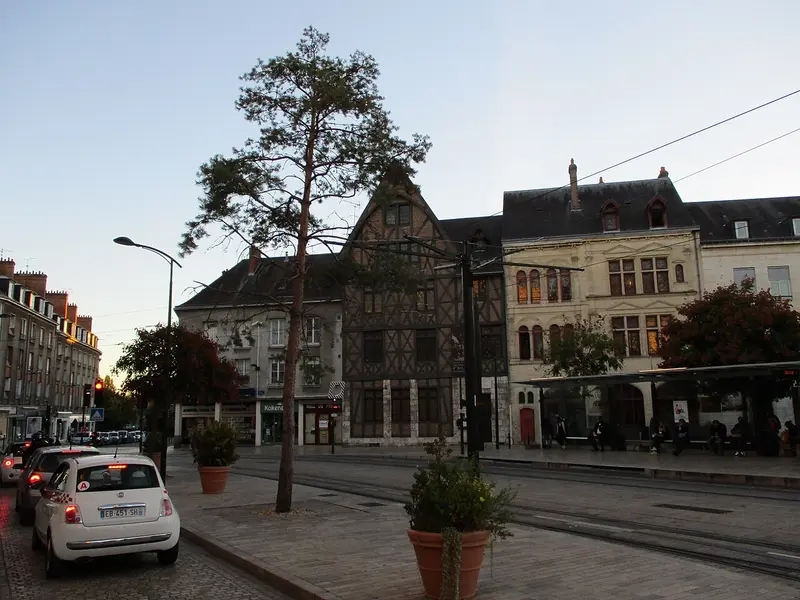
    Orléans boasts a history dating back to Roman times as Cenabum. Its location on the Loire made it an important trading hub for centuries. Its identity is still shaped today by its liberation during the 1429 siege by Jeanne d'Arc.The city's skyline is dominated by the Cathédrale Sainte-Croix. After Huguenots largely destroyed it in 1568, it was rebuilt in the Gothic style from the 17th to the 19th century. In the old town, numerous half-timbered houses (maisons à colombages) have been restored and brought to light. Each year in late April and early May, Orléans celebrates the Fêtes johanniques in honour of Jeanne d'Arc, with parades and historical reenactments until May 8th, the anniversary of its liberation. Additionally, the city has museums such as the Musée des Beaux-Arts and a centre for contemporary art, the Frac Centre-Val de Loire.

    Out & About Locally

    Orléans' Old Town and its pedestrian zones are best explored on foot. Two tram lines and TAO network buses cover longer distances. Bike paths and a rental system make cycling easy; the Loire à Vélo runs along the Loire.

    Accommodations in Orléans

    Find perfect stay in Orléans

    Booking.com* (Affiliate link)
    Search Hotels
    Agoda* (Affiliate link)
    Search Hotels
    Airbnb
    Vacation Rentals

    * Affiliate link: if you book through it, we earn a small commission. The price stays the same for you.

    Campgrounds in Orléans

    Find perfect campground in Orléans

    Search via Google Maps
    Campgrounds nearby (15km)
    Camping.info
    Find Campgrounds
    Park4Night
    RV Parks & Camping

    Plan your trip to Orléans

    Save places, build a route and plan your city trip, all in one place.

    1. 1
      Sunrise over alpine peaks and a sea of clouds
      1234

      Round trip

      12 days · 4 stops

      Saved

      Pick a route

      Pick a ready-made one or save places and plan your own.

      Open bookmarks
    2. 2

      Trip to Orléans

      Live
      • 1Cathédrale Sainte-Croix d'Orléans3 days
      • 2Maison de Jeanne d'Arc4 days
      • 3Hôtel Groslot5 days
      Budget

      Plan your trip

      The planner sorts stops, days and budget. Plan together in real time.

      Start trip planning
    3. 3
      9:41 No signal
      Orléans
      Available offline

      Use it on the road

      Download the guide to your phone and use it on site, even offline.

    Nearby

    Chambord

    Chambord

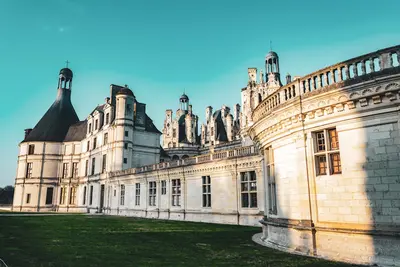
    Chambord is the largest castle in the Loire Valley and a masterpiece of the French Renaissance. Francis I had it built as a hunting lodge from 1519. See the double-helix staircase, the rooftop landscape with its towers, and a walled forest park. The castle and estate are UNESCO World Heritage.
    Blois

    Blois

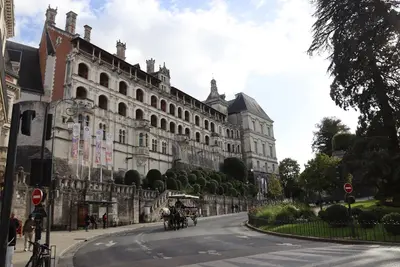
    Blois is located on the north bank of the Loire and was one of the most important residences of the French kings in the 15th and 16th centuries.The central Château Royal de Blois combines Gothic, Renaissance, and Classicism around one courtyard.The winding old town features half-timbered houses and the Cathédrale Saint-Louis, which was largely rebuilt after a storm at the end of the 17th century.Opposite the castle, the Maison de la Magie Robert-Houdin is dedicated to the history of magic.April, May, or September are ideal for the old town, when fewer visitors are around.
    Centre-Val de Loire

    Centre-Val de Loire

    The Centre-Val de Loire region stretches from Chartres in the north to Berry in the south. Its heart is the Loire Valley with its châteaux and gardens, the section of which between Sully-sur-Loire and Chalonnes is a UNESCO World Heritage site. It also features forests like the Sologne, wine regions from Sancerre to Vouvray, and a cuisine with goat cheese, game, and river fish.
    Fontainebleau

    Fontainebleau

    In Fontainebleau, royal history and expansive nature converge. The Château de Fontainebleau, a UNESCO World Heritage site since 1981, served as a residence for French rulers for around eight centuries, from the Capetians in the 12th century to Napoleon III. Here you will find a blend of Renaissance and classical architecture, surrounded by expansive gardens. The Forêt de Fontainebleau stretches around the town and is a popular area for hiking, climbing, and bouldering, known for its sandstone formations. Spring and autumn are especially good times to visit. Plan enough time to explore both the interiors of the palace and the forest trails.
    Amboise

    Amboise

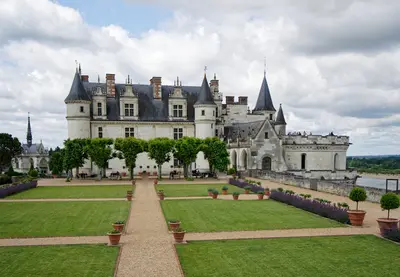
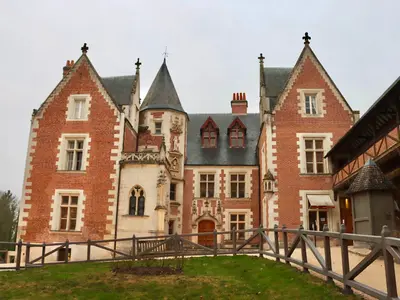
    The old royal town of Amboise is situated on the south bank of the Loire, below the Château d'Amboise. It is known as the burial place of Leonardo da Vinci, who spent his final years in the nearby Clos Lucé.

    Sources & method

    • Photos: Wikimedia Commons, Pexels. Each photo carries its credit.
    • The content is based on web research from public, traceable sources. How the content is made · The role of AI