Fernweh
    ExploreTravel GuidesMy Trips
    de|en
    About FernwehImprintFAQPrivacy Policy
    ExploreTravel GuidesMy Trips
    Centre-Val de Loire

    Centre-Val de Loire

    RegionCultureNatureCulinaryFor Families
    1. Home
    2. Destinations
    3. France
    4. Centre-Val de Loire
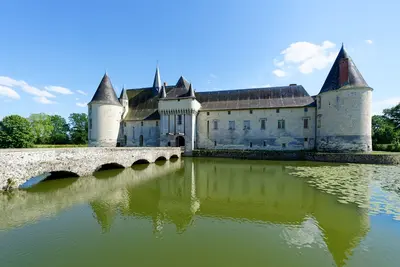
    Welcome to Centre-Val de Loire, a region that will captivate you with its unrivaled beauty and history. Here, where the majestic Loire gently flows through verdant landscapes, you'll discover a collection of magnificent châteaux and gardens, witnesses to a glorious past, which will transport you back in time. Let yourself be enchanted by the gentle way of life, the rich culture, and the culinary delights of this UNESCO World Heritage site.
    • Overview
    • Places in the region
    • Eat & drink
    • Culture
    • Nearby
    • Overview
    • Places in the region
    • Eat & drink
    • Culture
    • Nearby
    The region Centre-Val de Loire, traversed by the majestic Loire, is a defining center of French Renaissance architecture and part of the UNESCO World Heritage. Along the river, hundreds of magnificent châteaux are strung, testifying to France's royal history. Among the most famous are the imposing Château de Chambord, the elegant Château de Chenonceau, which hovers over the water, and the ornate gardens of Villandry. Historic cities like Tours and Orléans invite exploration with their old towns, while the vineyards of the Loire Valley, such as in Vouvray or Sancerre, invite tastings. The region can be perfectly explored using the well-developed long-distance cycle path "Loire à Vélo". For a relaxed trip, a visit in spring or autumn is recommended to bypass the largest tourist crowds and enjoy the mild climate.

    Places in Centre-Val de Loire

    Chambord

    Chambord

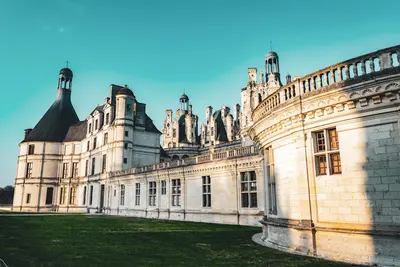
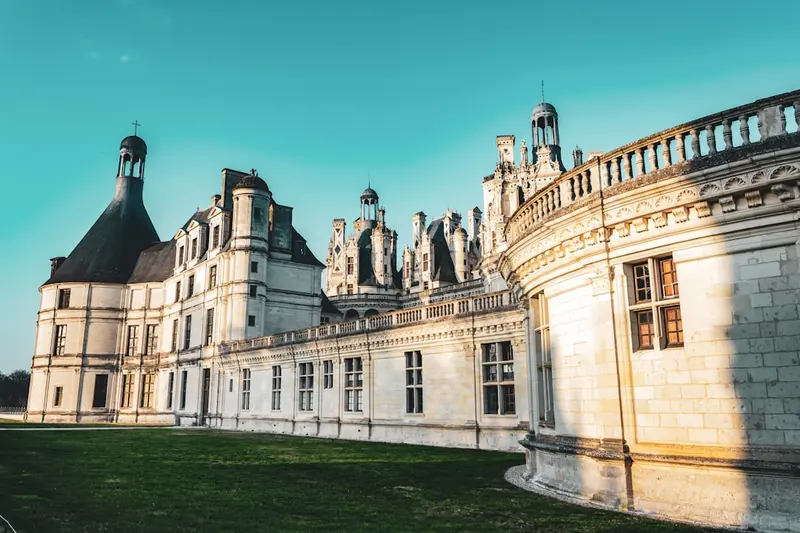
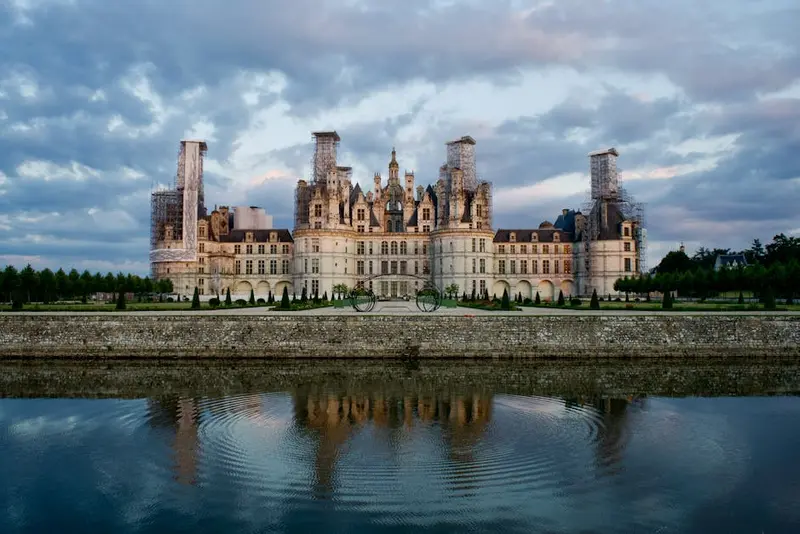
    Chambord is not just a castle, but a bold statement of the French Renaissance and an absolute masterpiece that will awe you with its sheer size and splendor. Immerse yourself in the world of Francis I. and discover the legendary double-helix staircase, the imposing towers, and the extensive, nature-surrounded estate, which is a **UNESCO World Heritage site**.
    Orléans

    Orléans

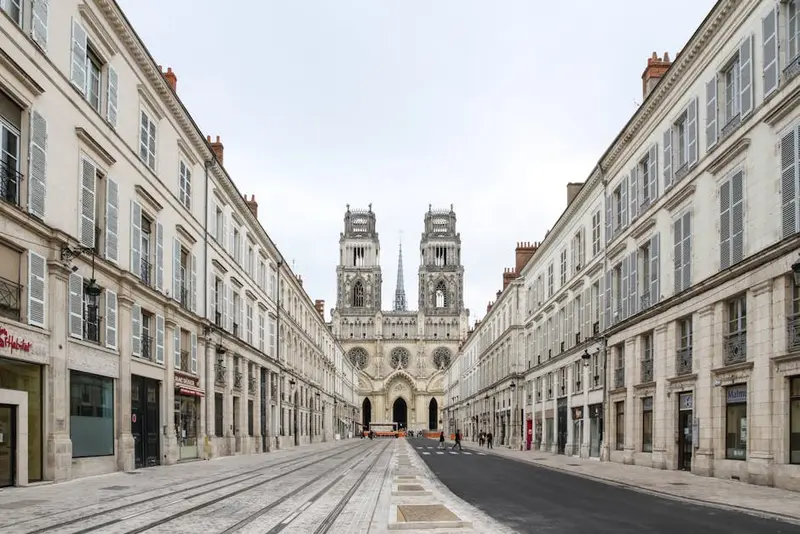
    Welcome to Orléans, a city full of history and charm on the banks of the majestic Loire. Immerse yourself in the legend of Jeanne d'Arc, who wrote a glorious chapter here, and discover a vibrant city with a beautiful old town, impressive architecture, and a relaxed atmosphere. Orléans is the perfect starting point to explore the UNESCO World Heritage Loire Valley and enjoy its unique facets.

    Sights in Centre-Val de Loire

    Discover the most important sights and attractions

    Château de Chambord

    The Château de Chambord, an architectural masterpiece of the French Renaissance, is the largest and most imposing château in the Loire Valley. King Francis I commissioned its construction from 1519 as a prestigious hunting lodge, though it was never permanently inhabited. You will be impressed by its sheer size and the unique details often attributed to Leonardo da Vinci, particularly the famous double-helix staircase at its center. This innovative design allows two people to ascend and descend without ever meeting.The château boasts 440 rooms, 282 fireplaces, and an impressive rooftop terrace offering sweeping views over its enormous park, which, at over 5,400 hectares, is Europe's largest enclosed forest. Our Tip: To avoid the crowds and enjoy the majestic atmosphere in peace, visit Chambord right at opening time in the morning. For an iconic photo of the entire château, the view from the opposite bank of the River Cosson is recommended, especially at sunrise or in the early evening hours.
    Open in Google Maps

    Château de Chenonceau

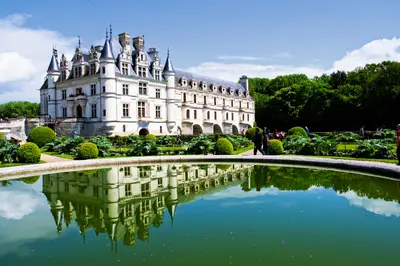
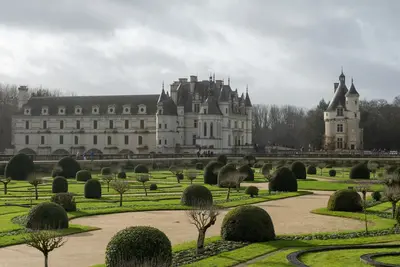
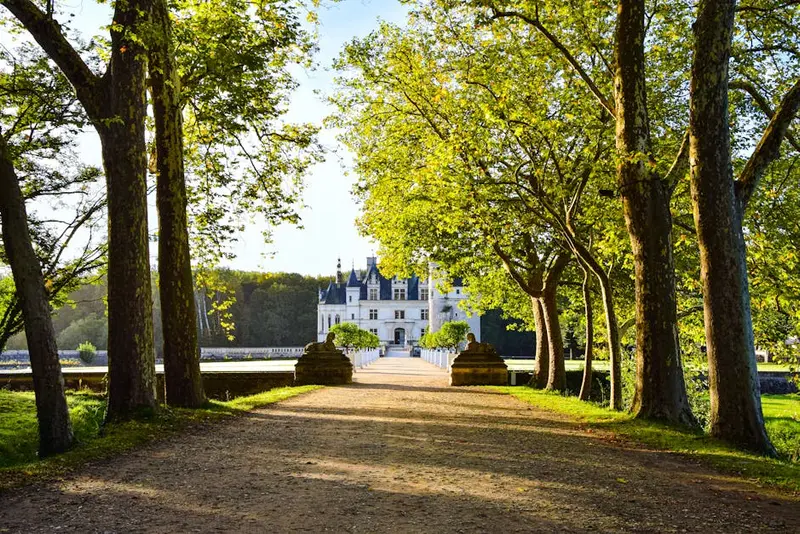
    The Château de Chenonceau, often called the “Château des Dames,” is an architectural jewel of the Renaissance that elegantly spans the River Cher. Its unique location on bridge arches makes it one of the most picturesque châteaux in the Loire Valley. The château's history is closely intertwined with influential women like Diane de Poitiers and Catherine de' Medici, who significantly shaped and expanded it. Inside, you'll discover an impressive collection of furniture, tapestries, and artworks from various epochs, offering deep insights into courtly life. Particularly worth seeing are the long gallery spanning the river and the artfully landscaped gardens, which invite visitors to stroll and offer diverse perspectives of the structure. Our Tip: To avoid the largest crowds, plan your visit early in the morning or late in the afternoon. For the classic postcard motif of the château over the water, the view from the opposite river bank or from the gardens is ideal.
    Open in Google Maps

    Gärten von Villandry

    The Gardens of Villandry in Centre-Val de Loire are an outstanding example of French Renaissance garden art. They were meticulously restored in the early 20th century by Joachim Carvallo and his wife Ann Coleman, following historical models, and are today a UNESCO World Heritage site. You will find six different gardens here, spread across several terraces, each with its own theme.Expect precise geometric forms, accurately clipped boxwood hedges, and an impressive variety of flowers, herbs, and even vegetables, all ornamentally arranged. The Ornamental Garden symbolizes love in four facets, while the Water Garden offers peace and contemplation. The Ornamental Vegetable Garden is particularly colorful and changes its appearance with the seasons.For the best overall view of the gardens, we recommend climbing to the upper terraces of the château. The morning hours are ideal for exploring the gardens in peace and avoiding the crowds. In spring, you will experience the full floral splendor, while autumn, with its changing colors in the vegetable garden, is also appealing.
    Open in Google Maps

    Cathédrale Notre-Dame de Chartres

    The Cathédrale Notre-Dame de Chartres, a UNESCO World Heritage site in Centre-Val de Loire, is a paramount French High Gothic masterpiece. Its construction in the 12th and 13th centuries, following a fire, marked a turning point in architecture. You'll be fascinated by its nearly complete original stained-glass windows, depicting biblical narratives in vibrant colors, creating a unique play of light inside. Of particular note is the famous Chartres Blue. In the choir lies the 'Sancta Camisa', a relic attributed to the Virgin Mary, making the cathedral an important pilgrimage site. The impressive floor labyrinth in the nave, often uncovered only on Fridays, invites quiet contemplation. Our Tip: Visit the cathedral in the morning or late afternoon to best experience the changing light of the windows and avoid large crowds. For a quieter look at details, a visit outside peak season is advised.
    Open in Google Maps

    Château de Chambord

    Das Château de Chambord, ein Meisterwerk der französischen Renaissance, wurde im frühen 16. Jahrhundert unter König Franz I. als Jagdschloss errichtet. Obwohl es nie dauerhaft bewohnt war, symbolisiert es den Höhepunkt königlicher Macht und architektonischer Innovation. Du findest hier eine einzigartige Mischung aus traditionellen französischen Festungselementen und italienischen Renaissance-Strukturen, die sich in seiner beeindruckenden Fassade und den zahlreichen Türmen widerspiegelt.Im Inneren erwartet dich die berühmte doppelläufige Wendeltreppe, deren Entwurf oft Leonardo da Vinci zugeschrieben wird. Sie ermöglicht es zwei Personen, gleichzeitig auf- und abzusteigen, ohne sich zu begegnen. Von den Dachterrassen genießt du einen spektakulären Blick über den weitläufigen Park und die kunstvoll gestalteten Schornsteine und Laternen. Der Schlosspark, das größte umzäunte Waldgebiet Europas, lädt zu Spaziergängen oder Fahrradtouren ein.Unser Tipp: Besuche Chambord direkt zur Öffnung am Morgen oder am späten Nachmittag, um die größten Menschenmassen zu umgehen und die Ruhe der Anlage besser auf dich wirken zu lassen. Für das beste Foto der gesamten Schlossanlage positioniere dich am besten am gegenüberliegenden Ufer des Cosson-Flusses.
    Open in Google Maps

    Château de Chenonceau

    Das Château de Chenonceau, oft als "Schloss der Damen" bezeichnet, ist ein architektonisches Juwel im Loiretal, das sich elegant über den Fluss Cher spannt. Seine Geschichte ist untrennbar mit einflussreichen Frauen wie Diane de Poitiers und Katharina von Medici verbunden, die das Schloss maßgeblich prägten und erweiterten. Du wirst die prunkvoll eingerichteten Räume erkunden, die eine reiche Sammlung von Kunstwerken, Wandteppichen und historischen Möbeln beherbergen und dir einen tiefen Einblick in das Leben am französischen Hof geben. Besonders beeindruckend ist die lange Galerie, die sich über den Fluss erstreckt und einst für Feste genutzt wurde. Die kunstvoll gestalteten Gärten, darunter der Garten von Diane de Poitiers und der von Katharina von Medici, laden zu ausgedehnten Spaziergängen ein und bieten malerische Ausblicke auf das Schloss. Unser Tipp: Um die Menschenmassen zu vermeiden und die Ruhe des Ortes zu genießen, plane deinen Besuch idealerweise direkt zur Öffnung am Morgen oder am späten Nachmittag. Für das ikonische Foto der Flussfassade empfiehlt sich ein Spaziergang entlang des Ufers des Cher, etwas abseits der Hauptwege.
    Open in Google Maps

    Restaurants & Cafés

    Culture, Art, and History

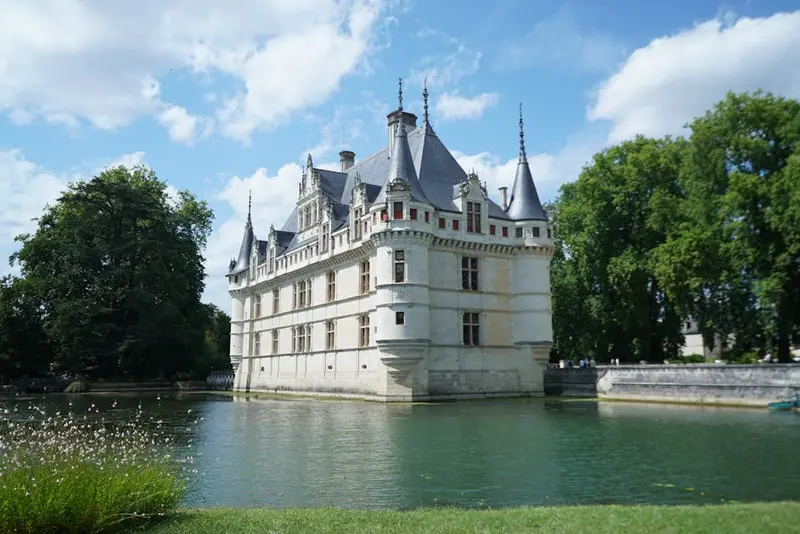
    The Centre-Val de Loire is a region whose cultural and historical profile was significantly shaped by the presence of the Loire. Its history spans from Celtic settlements and Roman presence to its crucial role in the Middle Ages, particularly during the Hundred Years' War, when Joan of Arc was a central figure in Orléans. However, the region truly flourished during the Renaissance. In the 15th and 16th centuries, French kings established their residences here, leading to an unprecedented building boom and transforming the region into a hub for art and innovation, strongly influenced by Italian currents.The architecture is dominated by the world-famous Loire Châteaux, which represent a unique blend of medieval fortress structures and elegant Renaissance palaces, as can be admired in Chambord, Chenonceau, or Azay-le-Rideau. In addition to these secular buildings, Gothic cathedrals like those of Chartres and Bourges attest to deep-rooted religious artistry. Cultural highlights include the traditional wine culture along the Loire, abundant river fishing, and the elaborate French gardens that often surround the châteaux.

    Locations nearby

    These places are nearby — perfect for additional days or a day trip.

    Blois

    Blois

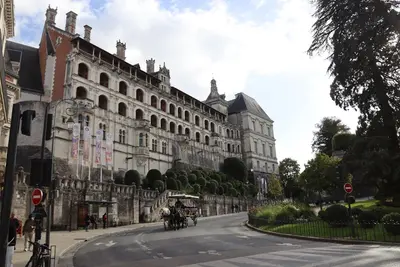
    Blois, nestled on the banks of the Loire, captivates with its royal past and impressive architectural diversity.The central *Château Royal de Blois* seamlessly blends Gothic, Renaissance, and Classicism, a living testament to the French monarchy.The winding old town beckons with its half-timbered houses and the majestic *Cathédrale Saint-Louis*.Opposite the castle, the unique *Maison de la Magie Robert-Houdin* sheds light on the history of magic.For a relaxed exploration of the historic alleys and sights, the months of April, May, or September are ideal.Take your time to experience the city on foot, venturing off the main paths, to fully absorb its charming atmosphere.
    Amboise

    Amboise

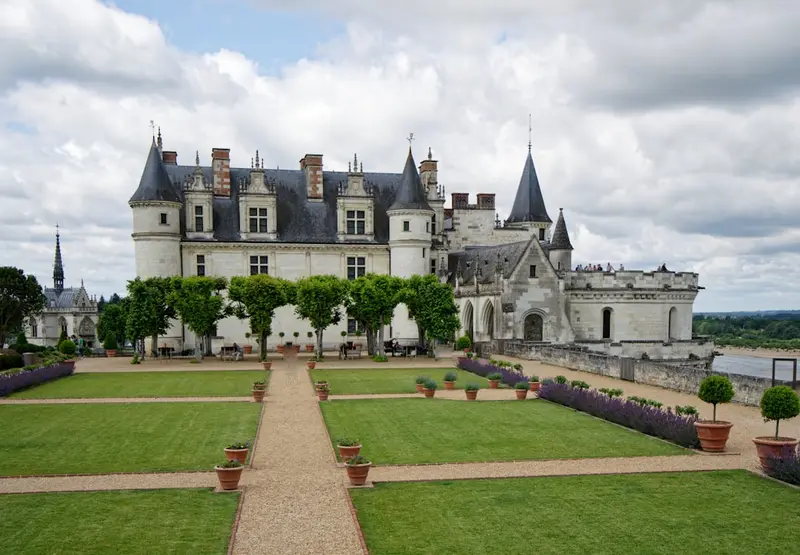
    The royal city of Amboise, dominated by the majestic Château d'Amboise and known as Leonardo da Vinci's final resting place, exudes historical grandeur and offers a picturesque riverside setting.
    Loire Valley (Vallée de la Loire)

    Loire Valley (Vallée de la Loire)

    The Loire Valley, a UNESCO World Heritage site, is a fairytale region of France, famous for its over 300 magnificent châteaux, elegant gardens, and picturesque river landscape.This royal garden of France entices with a unique blend of history, culture, and excellent gastronomy, particularly its world-renowned wines.
    Loire Valley

    Loire Valley

    Welcome to the **Loire Valley**, where a fairytale landscape of majestic castles, gentle rivers, and lush gardens awaits you. As a UNESCO World Heritage site, this region is known for its impressive architecture, excellent wines, and a relaxed way of life that uniquely reflects the heart of France. Discover here the history and beauty of one of France's most fascinating regions, often affectionately referred to as the “Garden of France.”
    Chenonceau

    Chenonceau

    Welcome to Chenonceau, a true jewel in the heart of the Loire Valley! Here you'll discover a fairytale castle that elegantly floats over the River Cher and whose history is closely intertwined with France's most powerful women. Immerse yourself in a world full of beauty, intrigue, and royal splendor that will captivate you with its unique architecture and magnificent gardens.