Fernweh: Home
    ExploreTravel GuidesPlan a tripMy tripLast visited
    de|en
    All Places & RegionsAll highlightsAbout FernwehFAQPrivacy PolicyImprint
    ExploreTravel GuidesPlan a tripMy tripLast visited
    Chenonceau

    France

    Chenonceau

    Point of Interest

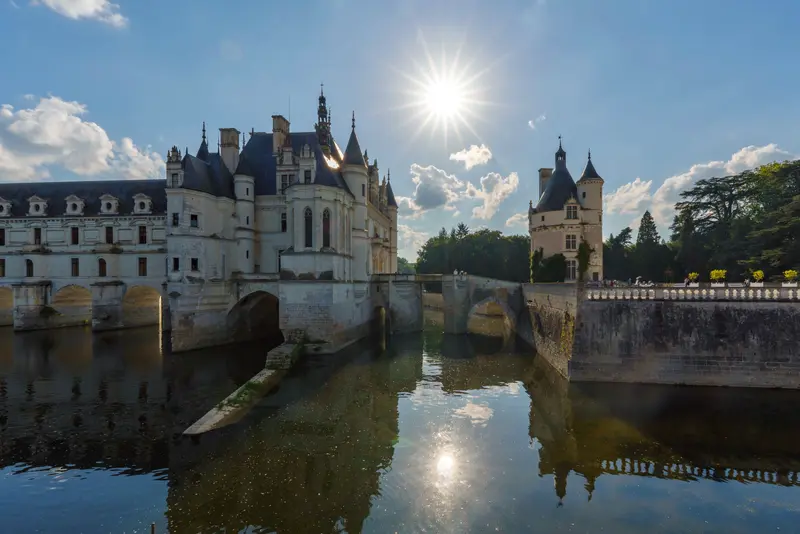
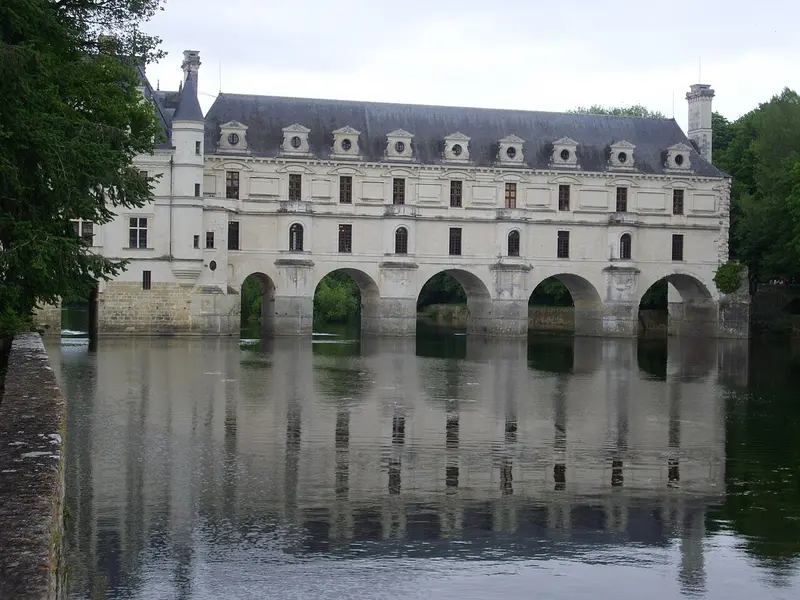
    The Château de Chenonceau in the Loire Valley spans the River Cher with its gallery. Its history is closely linked to influential women like Diane de Poitiers and Catherine de' Medici, hence its nickname "Château des Dames".

    by Felix Gillen

    1. Home
    2. Destinations
    3. France
    4. Loire Valley (Vallée de la Loire)
    5. Chenonceau
    The Château de Chenonceau in the Loire Valley spans the River Cher with its gallery. Its history is closely linked to influential women like Diane de Poitiers and Catherine de' Medici, hence its nickname "Château des Dames". A visit includes the furnished rooms, the gallery over the water, and several gardens.

    Sehenswürdigkeiten

    Discover the most important sights and attractions

    Château de Chenonceau (Das "Château des Dames")

    1Château de Chenonceau (Das "Château des Dames")

    The castle itself, often called the “Château des Dames,” is the heart of the visit. In its furnished rooms, such as those of Diane de Poitiers and Catherine de' Medici, hang paintings by, among others, Tintoretto, Rubens, Van Dyck, and Murillo, alongside tapestries and furniture spanning several centuries.
    Open in Google Maps
    The Gallery over the Cher

    2The Gallery over the Cher

    Catherine de' Medici had the 60-meter gallery built in 1576 on Diane de Poitiers' bridge. It was inaugurated with a celebration in 1577, serving as a ballroom. During the First World War, it housed a military hospital. Through 18 windows, you gaze upon the Cher on both sides.
    Open in Google Maps
    The Gardens of Diane de Poitiers and Catherine de' Medici

    3The Gardens of Diane de Poitiers and Catherine de' Medici

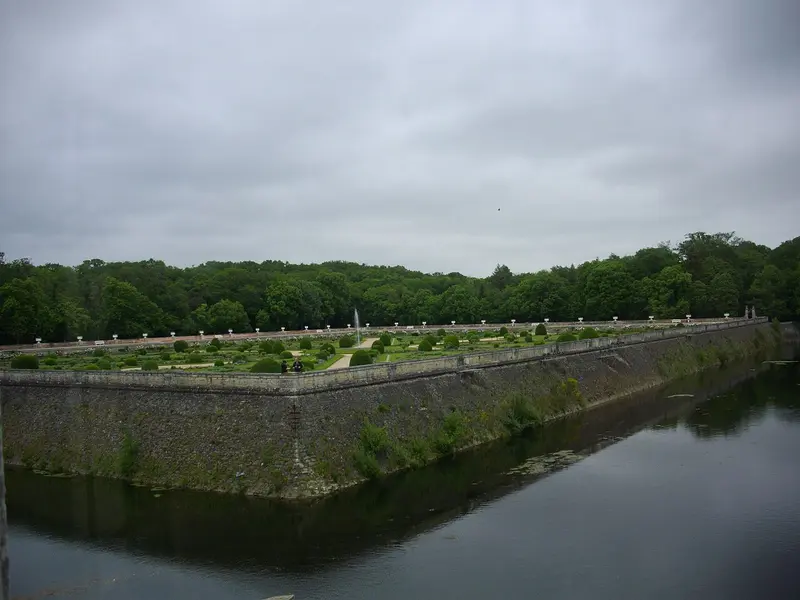
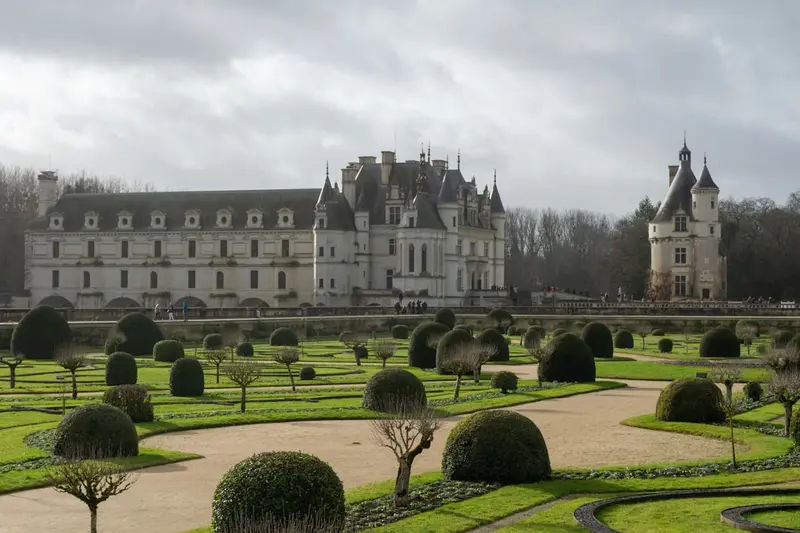
    Two gardens flank the château, named after its most famous residents. The Parterre of Diane de Poitiers spans approx. 12,000 square meters with geometric lawn and boxwood fields, while the smaller garden of Catherine de' Medici covers about 5,500 square meters. Also featured are a labyrinth, a kitchen garden, and the flower garden, supplying the château's bouquets.
    Open in Google Maps
    The Historic Kitchens and Cellars

    4The Historic Kitchens and Cellars

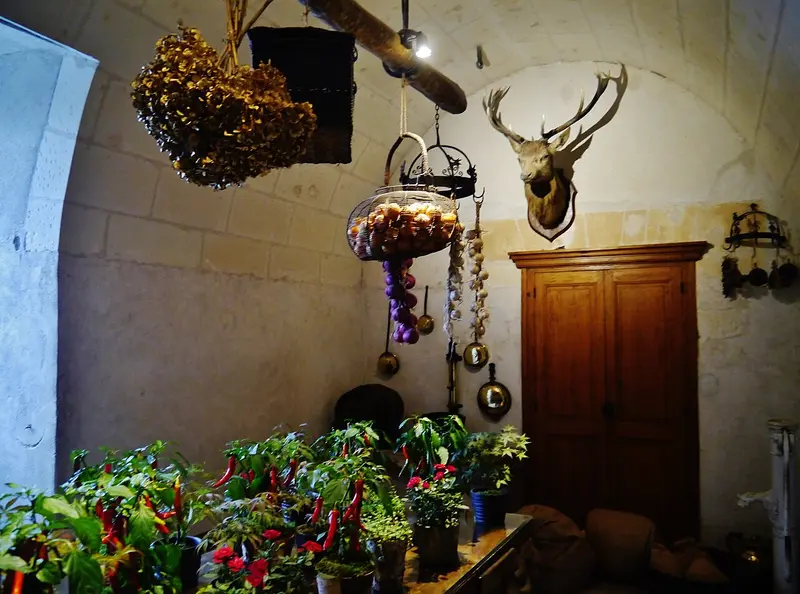
    The kitchens are situated within the foundations of the first two bridge piers in the Cher riverbed. Visible are a butcher shop with game hooks and chopping blocks, a larder, an oven, and the castle's largest 16th-century fireplace under a cross-ribbed vault. The rooms provide an impression of the provisioning of a Renaissance household.
    Open in Google Maps

    Restaurants & Cafés

    L'Orangerie

    Für ein gehobenes kulinarisches Erlebnis direkt auf dem Gelände des Schlosses empfehlen wir dir das Restaurant L'Orangerie, untergebracht in den ehemaligen Stallungen. Hier genießt du raffinierte französische Küche mit regionalen Produkten in einem eleganten Ambiente. Perfekt für eine stilvolle Mittagspause nach der Schlossbesichtigung.
    Show on Google Maps

    Auberge du Bon Laboureur

    Wenige Schritte vom Schloss entfernt findest du die charmante Auberge du Bon Laboureur, ein historisches Gasthaus, das seit Generationen für seine traditionelle Küche bekannt ist. Freue dich auf authentische Loire-Spezialitäten und eine herzliche, rustikale Atmosphäre. Ein echter Klassiker in Chenonceaux!
    Show on Google Maps

    Crêperie du Jardin

    Für eine entspannte und unkomplizierte Mahlzeit ist die Crêperie du Jardin eine ausgezeichnete Wahl. Hier erwarten dich süße und herzhafte Crêpes sowie Galettes, die perfekt für einen schnellen Snack oder ein leichtes Mittagessen sind. Ideal, um die regionale Küche auf legere Art zu genießen.
    Show on Google Maps

    Food and Drinks

    Chenonceaux is located in Touraine, which has considered itself the Garden of France since Rabelais. Food here is accordingly traditional and hearty – pork, goat cheese, fruit, accompanied by Chenin blanc from the tufa slopes.

    Rillettes of Tours

    Slow-braised pork, darker and richer in flavor than the Le Mans variant, bearing a Protected Geographical Indication since 2013.

    Sainte-Maure-de-Touraine

    Goat cheese with ash rind, recognisable by the straw running lengthwise through its center. AOC protected since 1990, available in all stages of ripeness, from creamy to chalky.

    Fouace and Fouée

    Small hollow wood-fired flatbreads, sliced and filled, classically with Rillettes or goat cheese. Rabelais mentions the Fouace in Gargantua.

    Poires tapées de Rivarennes

    Pears are peeled, dried for days in the oven, and then flattened with a Platissoire. They are eaten as dried fruit or soaked in red wine.

    Vouvray and Montlouis

    The vineyards on both banks of the Loire work almost exclusively with Chenin blanc: dry, semi-dry, nobly sweet, and as bottle-fermented sparkling wine. The cellars are driven horizontally into the tuff stone.

    Tarte Tatin

    The Tarte Tatin comes from Lamotte-Beuvron in the neighboring Sologne and is on menus throughout the region. A semi-dry Vouvray pairs well with it.

    History & Character

    The Ladies' ChâteauBuilt, rebuilt, and preserved by women over centuries, Chenonceau earned its nickname Château des Dames. Katherine Briçonnet oversaw the initial construction, Diane de Poitiers had the bridge built, and Catherine de' Medici added the gallery and her own garden. According to tradition, one of France's first fireworks displays was held here in 1560 for the entry of her son, François II. Later, Madame Dupin guided the château through the Revolution without it being plundered.The rivalry of its two most famous residents is still visible in the gardens: Diane's parterre covers around 12,000 square meters, while Catherine's garden is about 5,500. Both are accessible today, along with a labyrinth, a kitchen garden, and a flower garden.Two Wars in One BuildingDuring World War I, owner Gaston Menier financed a military hospital in the château, where over 2,000 wounded were treated until 1919. The hospital wards were located in the two galleries, and the kitchens were equipped with modern facilities. In World War II, the demarcation line ran along the Cher: The entrance was in the occupied zone, while the south door of the gallery led to the free bank, aiding the Résistance in bringing people to the free zone.

    Directions & On-site

    Getting ThereChenonceaux is located in the Indre-et-Loire department, about half an hour from Tours and a good 230 road kilometers from Paris. Chenonceaux station is a few hundred meters from the castle entrance and can be reached by regional trains from Tours, or from Paris with a change. This makes Chenonceau one of the few Loire châteaux you can easily reach without a car.By car, the route is via the A10 and Amboise. The village is small, and parking is available at the entrance to the plane tree avenue that leads to the castle.On the GroundsFrom the entrance to the building, you walk along the avenue; after that, everything is accessible on foot. The grounds are significantly larger than the castle itself: gardens, a labyrinth, a kitchen garden, and the 16th-century farm. For the gallery over the Cher, it's worth coming early or late, as it's the bottleneck everyone has to pass through.In summer, you can rent rowing boats on the Cher. From the water, you can see the arch construction of the bridge from below.

    Accommodations in Chenonceau

    Find perfect stay in Chenonceau

    Booking.com* (Affiliate link)
    Search Hotels
    Agoda* (Affiliate link)
    Search Hotels
    Airbnb
    Vacation Rentals

    * Affiliate link: if you book through it, we earn a small commission. The price stays the same for you.

    Campgrounds in Chenonceau

    Find perfect campground in Chenonceau

    Search via Google Maps
    Campgrounds nearby (15km)
    Camping.info
    Find Campgrounds
    Park4Night
    RV Parks & Camping

    Nearby

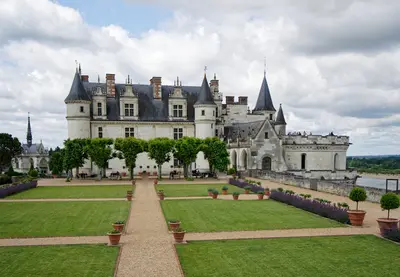
    Amboise

    Amboise

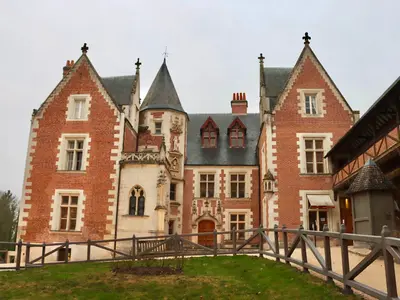
    The old royal town of Amboise is situated on the south bank of the Loire, below the Château d'Amboise. It is known as the burial place of Leonardo da Vinci, who spent his final years in the nearby Clos Lucé.
    Loire Valley (Vallée de la Loire)

    Loire Valley (Vallée de la Loire)

    The Loire Valley, between Sully-sur-Loire and Chalonnes-sur-Loire, has been on the UNESCO World Heritage List since 2000. The region is known for its châteaux (often numbering over 300), its gardens, and its wide river landscapes.Its moniker, the "Garden of France," points to its fruit and vegetable cultivation, along with wine regions from Sancerre to Muscadet, and a cuisine heavily reliant on regional products.
    Centre-Val de Loire

    Centre-Val de Loire

    The Centre-Val de Loire region stretches from Chartres in the north to Berry in the south. Its heart is the Loire Valley with its châteaux and gardens, the section of which between Sully-sur-Loire and Chalonnes is a UNESCO World Heritage site. It also features forests like the Sologne, wine regions from Sancerre to Vouvray, and a cuisine with goat cheese, game, and river fish.
    Tours

    Tours

    Tours is a vibrant university city on the Loire and an excellent starting point for exploring the châteaux of the Touraine. Experience the city's history in the Old Town, especially around Place Plumereau with its half-timbered houses and café terraces. The Gothic Saint-Gatien Cathedral is known for its stained-glass windows. The Musée des Beaux-Arts is located right next door in the former Bishop's Palace. In the evenings, the terraces at Place Plumereau fill up. Spring and autumn are ideal for exploring the Old Town without large crowds.
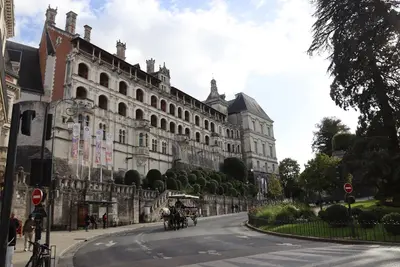
    Blois

    Blois

    Blois is located on the north bank of the Loire and was one of the most important residences of the French kings in the 15th and 16th centuries.The central Château Royal de Blois combines Gothic, Renaissance, and Classicism around one courtyard.The winding old town features half-timbered houses and the Cathédrale Saint-Louis, which was largely rebuilt after a storm at the end of the 17th century.Opposite the castle, the Maison de la Magie Robert-Houdin is dedicated to the history of magic.April, May, or September are ideal for the old town, when fewer visitors are around.

    Sources & method

    • Photos: Wikimedia Commons, Unsplash, Pexels. Each photo carries its credit.
    • The content is based on web research from public, traceable sources. How the content is made · The role of AI