Fernweh: Home
    ExploreTravel GuidesPlan a tripMy tripLast visited
    de|en
    All Places & RegionsAll highlightsAbout FernwehFAQPrivacy PolicyImprint
    ExploreTravel GuidesPlan a tripMy tripLast visited
    • Overview
    • Places in the region
    • Eat & drink
    • Food culture
    • Culture
    • Getting around
    • Round trips
    • Nearby
    Loire Valley (Vallée de la Loire)

    France

    Loire Valley (Vallée de la Loire)

    Region

    The Loire Valley, between Sully-sur-Loire and Chalonnes-sur-Loire, has been on the UNESCO World Heritage List since 2000. The region is known for its châteaux (often numbering over 300), its gardens, and its wide river landscapes.

    by Felix Gillen

    1. Home
    2. Destinations
    3. France
    4. Loire Valley (Vallée de la Loire)
    The Loire Valley, between Sully-sur-Loire and Chalonnes-sur-Loire, has been on the UNESCO World Heritage List since 2000. The region is known for its châteaux (often numbering over 300), its gardens, and its wide river landscapes.Its moniker, the "Garden of France," points to its fruit and vegetable cultivation, along with wine regions from Sancerre to Muscadet, and a cuisine heavily reliant on regional products.
    The Loire Valley, a UNESCO World Heritage site, is renowned for its rich history and impressive river landscape, shaped by the Loire River. Here you'll find over 300 châteaux, including the magnificent estates of Chambord with its unique architecture, and Chenonceau, elegantly spanning the Cher River. The region is also famous for its artfully designed gardens, such as those of Villandry, and its role as the 'Garden of France' during the Renaissance. Culturally, the Valley boasts excellent gastronomy, characterized by regional products and the world-renowned wines from appellations like Vouvray or Sancerre. Ideally, explore the region by bike on the well-maintained paths along the Loire, to experience the landscape and the châteaux. The best time to visit is in spring or autumn, when visitor numbers are more moderate and the climate is pleasant for sightseeing.
    Amboise

    Place 1 of 4

    Amboise

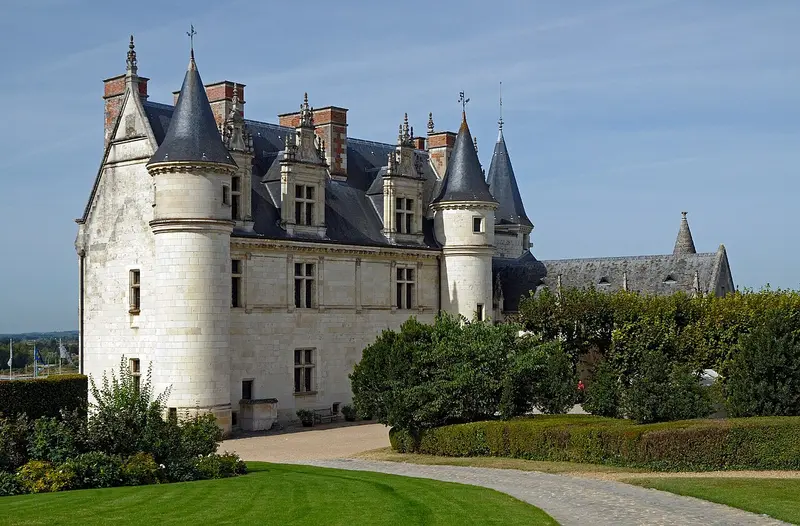
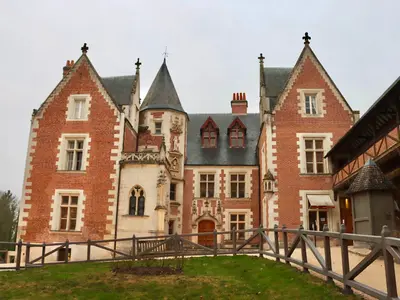
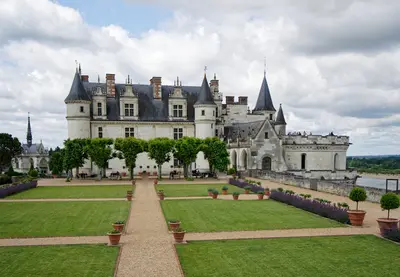
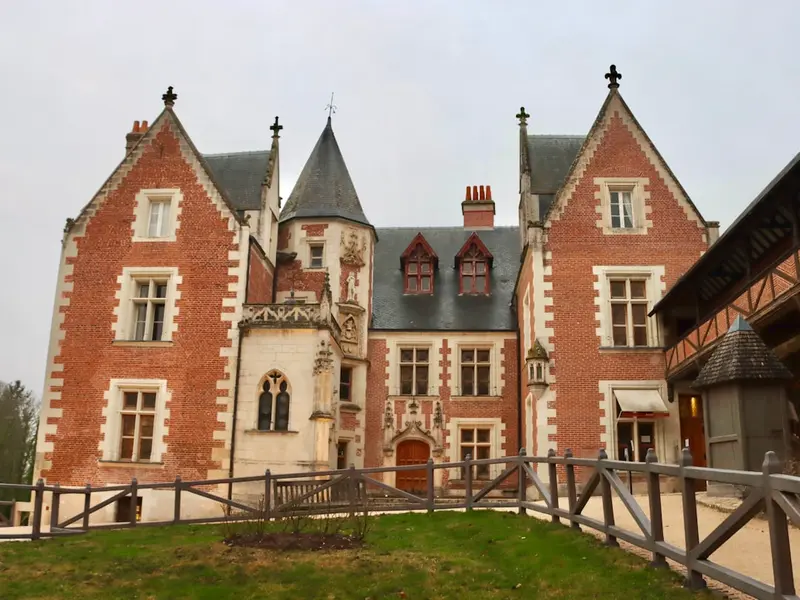
    The old royal town of Amboise is situated on the south bank of the Loire, below the Château d'Amboise. It is known as the burial place of Leonardo da Vinci, who spent his final years in the nearby Clos Lucé.

    Discover
    Blois

    Place 2 of 4

    Blois

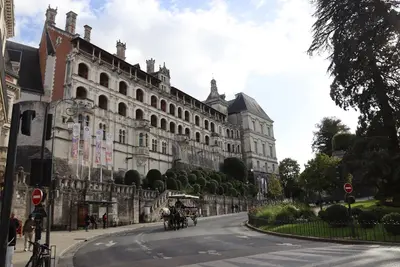
    Blois is located on the north bank of the Loire and was one of the most important residences of the French kings in the 15th and 16th centuries. The central Château Royal de Blois combines Gothic, Renaissance, and Classicism around one courtyard.

    Discover
    Chinon

    Place 3 of 4

    Chinon

    Chinon lies on the Vienne in western Touraine. The Forteresse Royale de Chinon stands on a rocky spur above the town, famous for the 1429 meeting between Joan of Arc and Dauphin Charles VII.

    Discover
    Tours

    Place 4 of 4

    Tours

    Tours is a vibrant university city on the Loire and an excellent starting point for exploring the châteaux of the Touraine. Experience the city's history in the Old Town, especially around Place Plumereau with its half-timbered houses and café terraces.

    Discover

    More places in Loire Valley (Vallée de la Loire)

    Chenonceau

    Chenonceau

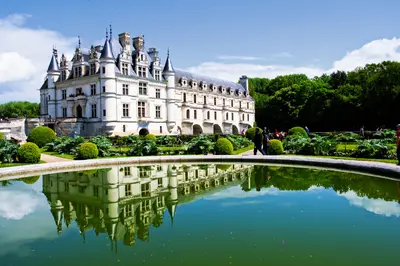
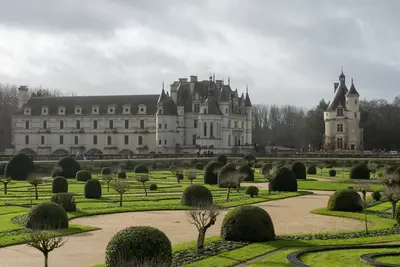
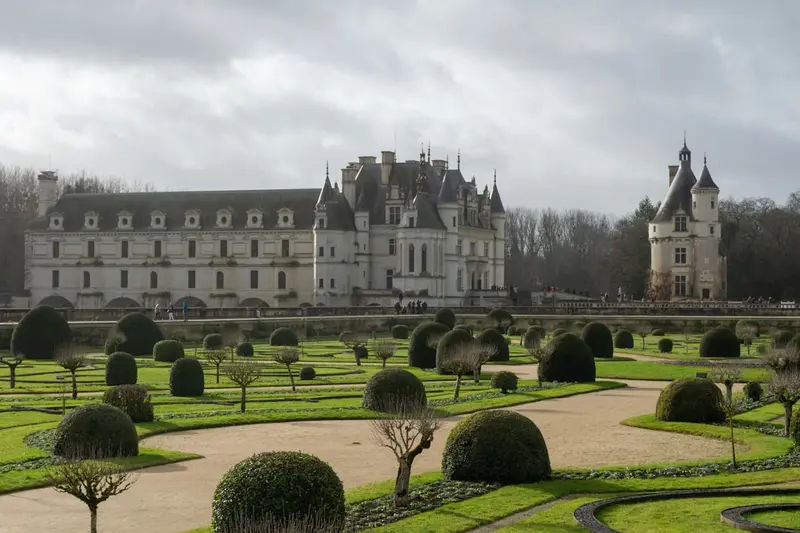
    The Château de Chenonceau in the Loire Valley spans the River Cher with its gallery. Its history is closely linked to influential women like Diane de Poitiers and Catherine de' Medici, hence its nickname "Château des Dames". A visit includes the furnished rooms, the gallery over the water, and several gardens.

    Sights in Loire Valley (Vallée de la Loire)

    Discover the most important sights and attractions

    Tour Garçonnet

    Tour Garçonnet

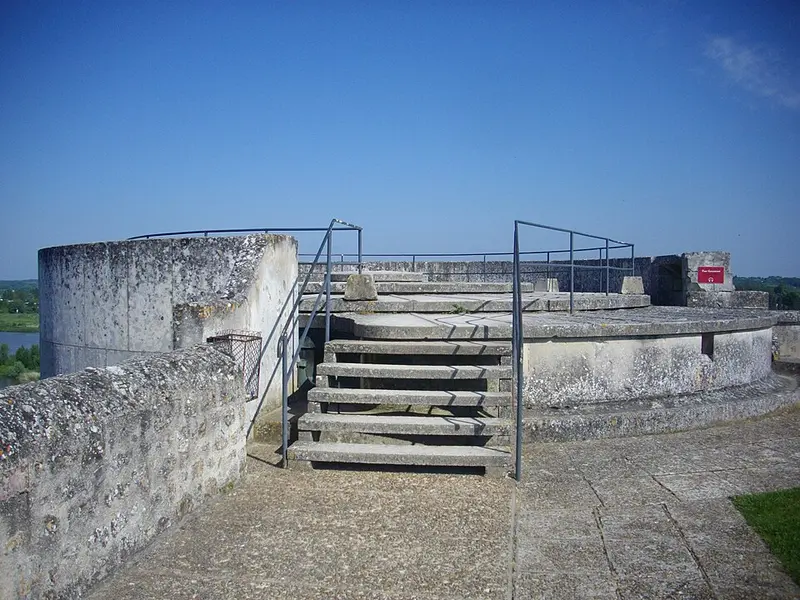
    The Tour Garçonnet belongs to the Château royal d'Amboise, standing on the complex's west side above the Loire. In the 18th century, the Duke of Penthièvre commissioned an octagonal Chinese-style pavilion atop the tower, then a fashionable trend at the French noble court.The tower is part of the castle tour; there is no separate ticket. From the castle terraces, you can see it, along with the river and Amboise's old town.
    Open in Google Maps

    Guillaume and Mathieu PLOU

    Plou et Fils is a family winery in Chargé, a few kilometres east of Amboise, currently run by Guillaume and Mathieu Plou. The family boasts a winemaking tradition dating back to 1508. They produce wines from the Touraine Amboise appellation, such as single-varietal Côt (Malbec) and Chenin Blanc, along with Touraine wines from Gamay, Cabernet, and Sauvignon, as well as Crémant de Loire.In the tasting room, you can sample the wines, and on request, visit the cellar carved into the tufa stone. A marked circular path of about an hour leads through the vineyards above the estate, featuring information panels.
    Open in Google Maps
    Hubertus-Kapelle

    Hubertus-Kapelle

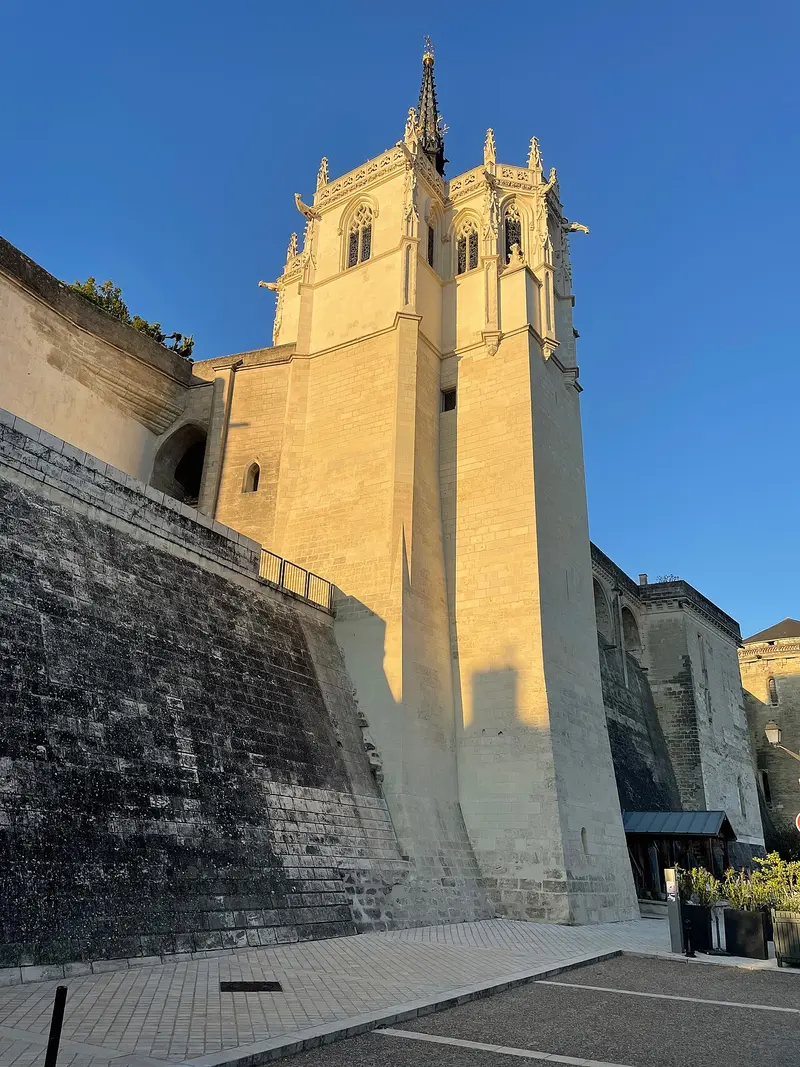
    The Hubertus Chapel (Chapelle Saint-Hubert) stands on a terrace of the Château d'Amboise in the Loire Valley and is primarily known as the burial place of Leonardo da Vinci. It is a small example of Flamboyant Gothic architecture. Its delicate stonework, especially the hunting scene of Saint Hubert above the portal, dates from the late 15th century. Inside lies the simple tomb of the Renaissance artist, whose presumed remains were transferred here in 1874, after the original burial church Saint-Florentin had been demolished. The chapel is located on the castle grounds and is only accessible with a castle ticket. Our tip: Arrive right at opening time in the morning or in the late afternoon, when it's quieter and the light on the facade is softer. From the castle gardens, you also have a view of the chapel and the Loire.
    Open in Google Maps
    Amboise

    Amboise

    Attraction in Parc des minis châteaux.
    Open in Google Maps

    Amboise

    The Château d'Amboise majestically overlooks the Loire and is a central testament to the French Renaissance. Here you enter a former royal residence that experienced its heyday particularly under Charles VIII and Francis I. Its architecture combines Gothic elements with early Renaissance forms, reflected in the royal chambers and the impressive Saint-Hubert Chapel. In this chapel, you will find the tomb of Leonardo da Vinci, who spent his final years at nearby Clos Lucé and was closely associated with the court of Amboise. From the castle's terraces, you can enjoy a sweeping view of the Loire Valley and the town of Amboise. Our Tip: It's best to visit the castle right at opening in the morning to avoid the crowds and experience the tranquility of the gardens. For a panoramic photo of the castle, the view from the opposite bank of the Loire is recommended.
    Open in Google Maps
    Château de Chambord

    Château de Chambord

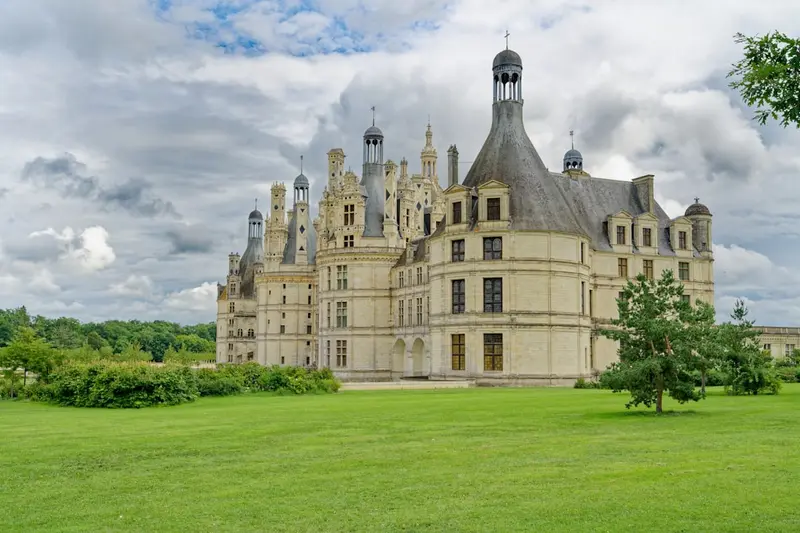
    The Château de Chambord is the largest castle in the Loire Valley and a masterpiece of the French Renaissance. Francis I had it built from 1519. It is known for its double-helix staircase, whose design is often associated with Leonardo da Vinci, and for its roofline of turrets and chimneys. Surrounding the castle is a walled park, which was once a royal hunting ground.
    Open in Google Maps

    Dining & Drinks

    Deletang Stéphane

    Restaurant in 17 Quai Charles Guinot.
    Show on Google Maps

    La Fourchette

    Café in 9 Rue Malebranche.
    Show on Google Maps

    La Breche

    Restaurant in 26 Rue Jules Ferry rive droite.
    Show on Google Maps

    Restaurant Le Clos d'Amboise

    Restaurant in 27 Rue Rabelais.
    Show on Google Maps

    La Scaleta Restaurant Pizzeria

    Restaurant in 6-7 Quai du Général de Gaulle.
    Show on Google Maps

    L'Auberge du Bon Laboureur

    Right near the Château de Chenonceau, you'll find L'Auberge du Bon Laboureur, a charming restaurant serving traditional French cuisine with local products. Try the region's classic dishes in a cozy atmosphere, perfect after a visit to the castle.
    Show on Google Maps

    La Maison d'à Côté

    For an upscale culinary experience, I recommend La Maison d'à Côté in Montlivault, a Michelin-starred restaurant offering modern and creative French cuisine. Chef Christophe Hay enchants you with seasonal regional ingredients, often directly from his own garden or from local producers.
    Show on Google Maps

    Les Caves Voltaire

    In Chinon awaits you Les Caves Voltaire, a restaurant with a unique atmosphere located in the region's ancient cave dwellings (troglodytes). Here, you can enjoy hearty, traditional French dishes and local wines in an unforgettable, rustic ambiance that perfectly complements the city's history.
    Show on Google Maps

    Restaurant La Licorne

    In Amboise, **Restaurant La Licorne** offers an excellent selection of traditional French dishes with a modern twist. With its central location near the castle and pleasant ambiance, it is ideal for enjoying a delicious meal after exploring the city.
    Show on Google Maps

    Food and Drink

    The Touraine has been known as the Garden of France since Rabelais. Vegetables, goat cheese, river fish, and an unusually diverse wine region define its cuisine.

    The Loire Goat Cheese

    Sainte-Maure de Touraine with a straw, Selles-sur-Cher, Valençay, and Crottin de Chavignol all hold PDO status.

    Loire Valley Wines

    Chenin Blanc in Vouvray and Savennières, Cabernet Franc in Chinon and Bourgueil, Sauvignon in Sancerre. White, red, rosé and sparkling wines are produced along the river.

    Rillettes and Rillons

    Pulled and diced pork cooked in its own fat, darker and toastier in Tours than elsewhere.

    Fish with Beurre blanc

    Pike-perch and pike from the Loire are served with the butter sauce from the Nantais region.

    Tarte Tatin

    The upside-down apple cake hails from Lamotte-Beuvron in the Sologne and is a standard dessert across the region.

    Culture, Art & Historical Heritage

    The Loire Valley is deeply rooted in French history, its significance growing already in the Middle Ages thanks to its strategic riverside location. The region experienced its heyday during the Renaissance in the 15th and 16th centuries, when French kings established their courts here. This era transformed defensive fortresses into residences and pleasure palaces, an architectural shift from medieval castles to grand châteaux.The architecture in the Loire Valley combines French medieval elements with forms of the Italian Renaissance. Castles such as Chambord, Chenonceau and Villandry demonstrate this with their designs, elaborate facades, and interiors. Each Château reflects the cultural development of its construction period.Beyond the structures, local traditions shape the cultural landscape. Wine production, with roots tracing back to Roman times and further developed by monasteries, is a central component of the regional identity. The “Douceur de vivre,” the proverbial sweet way of life, is evident in the appreciation for fine food, wine, and the river landscape.

    Exploring locally

    By TrainFrom Paris, you can reach Tours (via Saint-Pierre-des-Corps) by TGV in just over an hour, and Blois and Amboise by regional train in about an hour and a half. The railway line follows the river and connects the larger château towns, from Orléans via Blois and Amboise to Tours and Saumur.To the ChâteauxSome châteaux are within walking distance of a train station, such as Amboise, Blois, and Chenonceau. Chambord, Villandry, Chaumont, and Azay-le-Rideau, however, require a car, bike, or one of the shuttle buses that operate from Tours and Blois in summer.By BikeThe Loire à Vélo follows the river for about 900 kilometers from Cuffy near Nevers to the Atlantic, mostly flat and on dedicated paths. Between Blois and Tours, the châteaux are so close that daily stages of 30 to 50 kilometers are easy to plan. Regional trains along the route carry bikes.

    Round trips through this region

    Loire Châteaux

    Loire Châteaux

    From Orléans, head downstream along the Loire via Chambord and Blois to Amboise, with a detour along the Cher to Chenonceau. Via Tours, you end up in Chinon on the Vienne; stages are usually under an hour.

    14 Days
    7 stops

    Nearby

    Amboise

    Amboise

    The old royal town of Amboise is situated on the south bank of the Loire, below the Château d'Amboise. It is known as the burial place of Leonardo da Vinci, who spent his final years in the nearby Clos Lucé.
    Chenonceau

    Chenonceau

    The Château de Chenonceau in the Loire Valley spans the River Cher with its gallery. Its history is closely linked to influential women like Diane de Poitiers and Catherine de' Medici, hence its nickname "Château des Dames". A visit includes the furnished rooms, the gallery over the water, and several gardens.
    Centre-Val de Loire

    Centre-Val de Loire

    The Centre-Val de Loire region stretches from Chartres in the north to Berry in the south. Its heart is the Loire Valley with its châteaux and gardens, the section of which between Sully-sur-Loire and Chalonnes is a UNESCO World Heritage site. It also features forests like the Sologne, wine regions from Sancerre to Vouvray, and a cuisine with goat cheese, game, and river fish.
    Tours

    Tours

    Tours is a vibrant university city on the Loire and an excellent starting point for exploring the châteaux of the Touraine. Experience the city's history in the Old Town, especially around Place Plumereau with its half-timbered houses and café terraces. The Gothic Saint-Gatien Cathedral is known for its stained-glass windows. The Musée des Beaux-Arts is located right next door in the former Bishop's Palace. In the evenings, the terraces at Place Plumereau fill up. Spring and autumn are ideal for exploring the Old Town without large crowds.
    Blois

    Blois

    Blois is located on the north bank of the Loire and was one of the most important residences of the French kings in the 15th and 16th centuries.The central Château Royal de Blois combines Gothic, Renaissance, and Classicism around one courtyard.The winding old town features half-timbered houses and the Cathédrale Saint-Louis, which was largely rebuilt after a storm at the end of the 17th century.Opposite the castle, the Maison de la Magie Robert-Houdin is dedicated to the history of magic.April, May, or September are ideal for the old town, when fewer visitors are around.

    Sources & method

    • Photos: Wikimedia Commons, Unsplash. Each photo carries its credit.
    • The content is based on web research from public, traceable sources. How the content is made · The role of AI