Fernweh
    ExploreTravel GuidesMy Trips
    de|en
    About FernwehImprintFAQPrivacy Policy
    ExploreTravel GuidesMy Trips
    Sarlat-la-Canéda

    Sarlat-la-Canéda

    CityCulture
    1. Home
    2. Destinations
    3. France
    4. Sarlat-la-Canéda
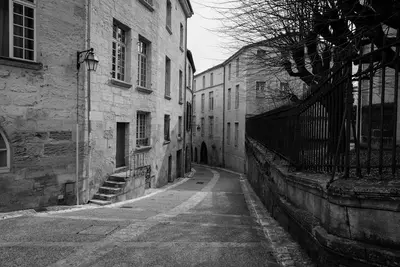
    Sarlat-la-Canéda, the capital of the Périgord Noir, captivates with its exceptionally well-preserved medieval and Renaissance architecture. Here you'll find an abundance of golden stone buildings, winding alleys, and charming squares that reflect the region's history. Highlights include the Place de la Liberté with its bustling market activity, especially on Saturdays, and the impressive Cathédrale Saint-Sacerdos. Explore the narrow passages leading to hidden courtyards, and discover historic buildings such as the birthplace of Étienne de La Boétie. The city is also a hub for regional gastronomy, renowned for truffles, foie gras, and walnuts, which you can find in the local markets. To experience the authentic atmosphere without large crowds, a visit during the off-season is recommended, ideally in spring or autumn. For a comprehensive impression of the old town, you should take your time to appreciate the architectural details and sample the local specialties.
    • Neighborhoods & highlights
    • Walking tours
    • Eat & drink
    • Culture
    • Getting around
    • Accommodation
    • Plan trip
    • Nearby
    • Neighborhoods & highlights
    • Walking tours
    • Eat & drink
    • Culture
    • Getting around
    • Accommodation
    • Plan trip
    • Nearby

    Overview

    Sarlat-la-Canéda, the historic heart of the Périgord Noir, impresses with its exceptionally well-preserved medieval and Renaissance architecture. Here you'll find a labyrinth of golden sandstone buildings, winding alleys, and picturesque squares that bring the city's rich history to life. Particular attention should be paid to the lively Place de la Liberté, known for its weekly market, as well as the striking Cathédrale Saint-Sacerdos, whose origins date back to the Middle Ages. Explore the narrow passages leading to hidden courtyards and historic buildings, including the birthplace of the philosopher Étienne de La Boétie. The city is also a significant center of regional gastronomy, famous for specialties such as truffles, foie gras, and walnuts, which you can discover at the local markets. To experience the authentic atmosphere without the largest crowds, a visit during the off-season is recommended, ideally in spring or autumn. Take your time to appreciate the architectural details and leisurely sample local products to experience Sarlat in its full splendor.

    Places in Sarlat-la-Canéda

    Discover the most important sights and attractions

    Sights in Sarlat-la-Canéda

    Under Escape

    In Sarlat-la-Canéda, you'll find **Under Escape**, a modern interactive experience that challenges your teamwork and detective skills. This leisure activity, popular worldwide, is rooted in digital adventure games and translates the concept of puzzle-solving into the real world. You and your team dive into thematically designed rooms, where, within a given timeframe, you must solve a series of puzzles and find hidden clues to complete a mission or escape the room. The focus is on logical thinking, creativity, and effective communication among participants, making it a popular activity for groups. A practical tip: To avoid disappointment, be sure to book your session online in advance, especially on weekends or during high season. Additionally, plan to arrive about 15 minutes before the game starts to receive a brief introduction and mentally prepare for the upcoming challenge.
    Open in Google Maps

    Ella and Pitr / "Notre linge", installation.

    Ella & Pitr are a French artist duo known for their large-scale, often temporary artworks in public spaces. Their installation "Notre linge" in Sarlat-la-Canéda is a fascinating example of how they reinterpret the historic cityscape. Here you'll discover huge, painted fabric panels hanging like laundry between the old buildings. These artworks, often depicting sleeping figures or abstract patterns, create a surprising and delightful contrast to Sarlat's medieval architecture. The temporary installation invites you to reflect on the connection between everyday life and art in public space, and to experience the city from a new perspective. Our Tip: Take your time to examine the intricate details of the paintings and grasp their interaction with the historic facades. For impressive photos, early morning is recommended, when the light is soft and the alleys are still quiet, to capture the unique atmosphere.
    Open in Google Maps

    Déline Sarlat

    Déline Sarlat offers you an authentic encounter with the culinary and artisanal traditions of the Périgord. Here you'll find a careful selection of regional products that reflect Sarlat's rich culture and heritage. From local specialties such as duck products and walnut liqueurs to handmade souvenirs – each piece tells a story of the region. The owners prioritize quality and origin, so you can be sure to acquire genuine Périgord products. This is no ordinary shop, but a showcase of local craftsmanship and gastronomy. Our tip: Take your time to sample the various products and get advice to find the perfect memory of Sarlat. It's best to visit Déline weekday mornings to enjoy the relaxed atmosphere without the largest tourist crowds.
    Open in Google Maps

    City walks in Sarlat-la-Canéda

    Curated walking tours through the city's highlights — handpicked by experienced travel journalists.

    Sarlat au Vert: Panoramen, Gärten und neue Perspektiven

    Dieser Spaziergang entführt Sie abseits der ausgetretenen Pfade des historischen Zentrums von Sarlat. Entdecken Sie atemberaubende Panoramablicke über die Stadt und die umliegende Landschaft, schlendern Sie durch grüne Oasen und ruhige Wohnviertel und erhalten Sie Einblicke in Sarlats Entwicklung jenseits seiner mittelalterlichen Mauern. Eine perfekte Ergänzung, um die 'Goldene Stadt' aus einer neuen Perspektive zu erleben und ihre entspanntere, naturnähere Seite kennenzulernen.

    ~1 Std. 45 Min.
    In Google Maps öffnen
    Stopps (7)

    Dining & Drinks

    Sarlat: A Heritage of Stone and History

    Sarlat-la-Canéda is deeply rooted in the history of the Dordogne. Originally developed around a Benedictine abbey in Carolingian times, the town experienced its golden age during the Middle Ages and the Renaissance. Its unique preservation is due to a combination of the absence of major war destruction and the lack of significant industrialization, which later led to extensive restoration under the Malraux legislation.The architecture of Sarlat-la-Canéda is a prime example of the region's golden age. Characteristic are the buildings constructed from yellow limestone with their steep slate roofs, winding through narrow streets and hidden courtyards. Gothic elements and Renaissance facades define the townscape, visible in structures such as the Hôtel de Gisson or the birthplace of Étienne de La Boétie.Culturally, Sarlat is strongly shaped by its medieval roots as a trading hub. The weekly market, especially on Saturdays, is a central meeting point and reflects this tradition. The town is also inextricably linked with the rich gastronomy of the Périgord, which highlights truffles and foie gras as cultural pillars. Sarlat officially holds the title Ville d'Art et d'Histoire, which underscores its cultural significance.

    Exploring Locally

    The historic Old Town of Sarlat-la-Canéda is best explored on foot, as many alleys are car-free. For arrival and to discover the picturesque surroundings of the Périgord Noir, a rental car is the most flexible option. There are also regional bus connections and a train station for trains from larger cities like Bordeaux.

    Accommodations in Sarlat-la-Canéda

    Accommodations in Sarlat-la-Canéda

    Find perfect stay in Sarlat-la-Canéda

    Booking.com
    Search Hotels
    Agoda
    Search Hotels
    Airbnb
    Vacation Rentals
    Hotels.com
    Hotels Worldwide
    Hostelworld
    Hostels

    Campgrounds in Sarlat-la-Canéda

    Find perfect campground in Sarlat-la-Canéda

    Search via Google Maps
    Campgrounds nearby (15km)
    Camping.info
    Find Campgrounds
    Park4Night
    RV Parks & Camping

    Plan your trip to Sarlat-la-Canéda

    Save places, build a route and plan your city trip — all in one place.

    Save places

    Bookmark sights, restaurants and neighborhoods you're interested in.

    Build your route

    Turn your bookmarks into a route — define order, days and budget.

    Refine with AI

    Let Mein Fernweh suggest experiences and put together a tailored daily plan.

    Start trip planningOpen bookmarks

    Locations nearby

    These places are nearby — perfect for additional days or a day trip.

    Dordogne (Périgord)

    Dordogne (Périgord)

    The Dordogne (Périgord), a gem in Southwest France, enchants with a unique blend of prehistoric art, medieval castles, and picturesque villages. Immerse yourself in a landscape rich in history and savor the world-renowned cuisine that makes this region an unforgettable travel destination.
    Castelnaud-la-Chapelle

    Castelnaud-la-Chapelle

    Castelnaud-la-Chapelle, in the heart of the Périgord Noir, is renowned for its imposing fortress, which majestically overlooks the Dordogne River. The Château de Castelnaud, a perfectly preserved medieval castle, served as an English bastion during the Hundred Years' War and was in constant rivalry with the opposing French Château de Beynac. Inside, it houses the Musée de la Guerre au Moyen Âge, which presents an impressive collection of weapons and war machines and offers insights into medieval military history. The picturesque village itself nestles against the castle rock and invites exploration with its stone houses and narrow alleys. Ideally, plan your visit to include Château de Beynac, to experience the strategic importance of both fortresses in their historical context. For a quieter experience, a visit during the off-season is recommended, as the region is heavily frequented in summer.
    Domme

    Domme

    Domme, a 13th-century bastide, perches on a rocky plateau with expansive views over the Dordogne Valley. Its golden stone houses define the town's character, which you can explore through its narrow streets and the central Place de la Halle, where the Porte des Tours features historical Templar graffiti. A highlight is the Grottes de Domme, a cave system beneath the town, accessible by elevator. The Belvédère de la Barre offers panoramic views of the river's meanders and surrounding villages. Visit Domme in the early morning or late afternoon to savour its special atmosphere in peace.
    Montignac-Lascaux

    Montignac-Lascaux

    Nestled in the heart of the Périgord Noir, Montignac-Lascaux is your gateway to prehistoric art. Here, you can visit the Centre International de l'Art Pariétal, also known as Lascaux IV, which presents a detailed and didactically prepared replica of the original cave. The discovery of the first cave in 1940 was a milestone in the exploration of human history. The town itself, picturesquely situated on the Vézère, invites you to stroll through its medieval alleys and charming half-timbered houses. You'll find a relaxed atmosphere here along the river, which is perfect for walks. To avoid wait times, you should book tickets for Lascaux IV online in advance. A visit in the early morning or late afternoon also allows for a calmer experience of this significant site.
    Périgueux

    Périgueux

    Périgueux, the capital of Périgord, unites Roman history with medieval charm. Discover the impressive Cathédrale Saint-Front, a UNESCO World Heritage site whose Byzantine-inspired domes evoke Venice. The winding streets of the medieval old town reveal half-timbered houses and Renaissance palaces. Experience the city's Roman origins as Vesunna at the Musée Gallo-Romain de Vesunna, built around the remains of a Roman villa. The lively weekly markets (Wednesdays and Saturdays are best) are ideal for sampling regional specialties like truffles and foie gras. For a relaxed visit, spring or autumn is recommended to avoid the crowds.