Fernweh
    ExploreTravel GuidesMy Trips
    de|en
    About FernwehImprintFAQPrivacy Policy
    ExploreTravel GuidesMy Trips
    Domme

    Domme

    CityCulture
    1. Home
    2. Destinations
    3. France
    4. Dordogne (Périgord)
    5. Domme
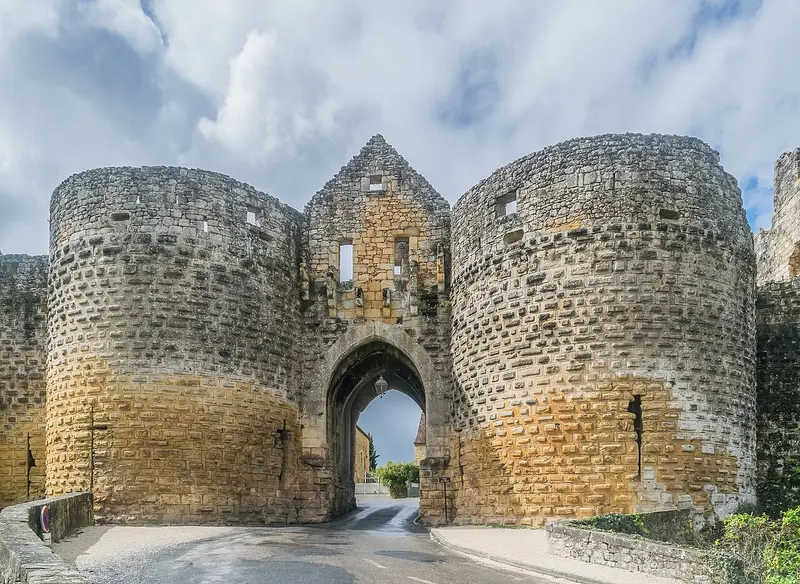
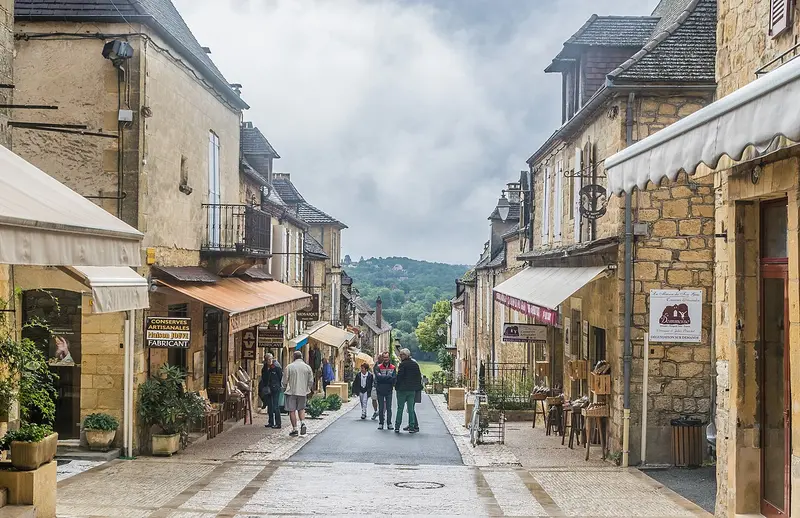
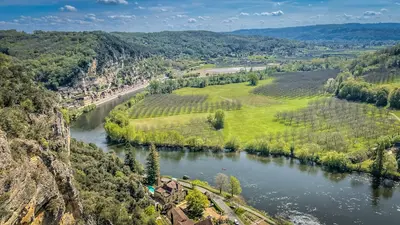
    Domme, a 13th-century bastide, perches on a rocky plateau with expansive views over the Dordogne Valley. Its golden stone houses define the town's character, which you can explore through its narrow streets and the central Place de la Halle, where the Porte des Tours features historical Templar graffiti. A highlight is the Grottes de Domme, a cave system beneath the town, accessible by elevator. The Belvédère de la Barre offers panoramic views of the river's meanders and surrounding villages. Visit Domme in the early morning or late afternoon to savour its special atmosphere in peace.
    • Neighborhoods & highlights
    • Walking tours
    • Eat & drink
    • Culture
    • Getting around
    • Accommodation
    • Plan trip
    • Nearby
    • Neighborhoods & highlights
    • Walking tours
    • Eat & drink
    • Culture
    • Getting around
    • Accommodation
    • Plan trip
    • Nearby

    Overview

    Domme, a 13th-century bastide, perches on a rocky plateau, offering sweeping views over the Dordogne Valley. Its golden stone houses characterize the townscape, which you can explore through narrow streets and around the central Place de la Halle. The Porte des Tours holds historic 14th-century Templar graffiti, a fascinating testament to the past. Beneath the town, the Grottes de Domme extend, an impressive cave system accessible by panoramic lift. The Belvédère de la Barre also offers unparalleled panoramic views of the river bends and surrounding villages. Visit Domme in the early morning or late afternoon to experience its unique atmosphere without the biggest tourist crowds.

    Places in Domme

    Discover the most important sights and attractions

    Sights in Domme

    Panorama

    Domme is one of France's most beautiful bastide towns, majestically perched on a rocky plateau above the Dordogne Valley. The panorama you experience here offers an unparalleled view of the picturesque river landscape, gently winding through the region. From this strategically important vantage point, used since the Middle Ages for the town's defense, you overlook vast parts of the valley with its numerous castles and charming villages. You'll see the meanders of the Dordogne, the green hills, and the typical ochre-colored roofs of the surrounding settlements. The view is particularly impressive in the early morning, when fog lies over the river and bathes the landscape in a soft light, or in the late afternoon at sunset. Our Tip: To avoid the crowds and fully enjoy the tranquility of the landscape, ideally visit the panorama before 10 AM or after 6 PM. For an undisturbed photo, a walk along the city walls is recommended, where you'll find additional perspectives.
    Open in Google Maps

    Chute Libre Dordogne

    Chute Libre Dordogne in Domme offers you the unique opportunity to experience the picturesque landscape of the Dordogne from a bird's-eye view. You'll jump from a great height and enjoy breathtaking panoramic views over the river bends, green valleys, and historic castles of the region. The facility is renowned for its professional support and highest safety standards, guaranteeing you an unforgettable and secure experience. After a detailed briefing and accompanied by an experienced tandem master, you'll experience freefall, followed by a gentle glide under the open parachute. This allows you to admire the stunning geography of the area, including the famous Bastide Domme, in all its glory. Our tip: Book your jump well in advance, especially during peak season, as spots are limited. Also, keep an eye on the weather forecast, as jumps may be rescheduled in unfavorable conditions. Plan half a day for the entire experience and wear comfortable clothing.
    Open in Google Maps

    La Maison De La Noix

    The Maison De La Noix in Domme is dedicated to the deeply rooted walnut tradition of the Périgord, a region known for centuries for its high-quality walnuts. Here, you gain a comprehensive insight into the history of walnut cultivation, its cultural significance, and the development of processing techniques. The museum showcases various walnut varieties and their uses, from harvest to the finished product.A central feature is the functional traditional oil mill, which is often in operation. You can experience the fascinating process of walnut oil production live, from the nut to the fragrant oil. The adjoining farm shop offers a wide range of regional specialties, including fresh walnut oil, liqueurs, jams, and pastries, all reflecting the quality of local products.Our Tip: Before your visit, inquire about the demonstration times for the oil mill so you don't miss the production of the walnut oil. This is the highlight of the visit and very educational. For the best shopping experience and to avoid crowds, a visit in the morning or late afternoon is recommended, especially outside peak season.
    Open in Google Maps

    La Porte des Tours

    The Porte des Tours is one of the most striking remnants of Domme's medieval fortifications, a well-preserved 13th-century bastide. This imposing double gate complex served not only as the main entrance to the town, but also as a prison. Particularly noteworthy are the two massive round towers that flank the gate and give it its name. Inside the towers, you can still see the graffiti carved into the stone by the Templars, who were imprisoned here after their arrest in the early 14th century. This lends the place a dark, yet fascinating historical depth. Passing through the gate, you step directly into the heart of Domme's historic old town. From here, you have an excellent starting point to explore the alleys and the marketplace. Our tip: Visit the Porte des Tours in the early morning to photograph its impressive architecture in peace, before the tourist crowds arrive. For a unique perspective on the towers and the town wall, a short walk along the outer ramparts is recommended.
    Open in Google Maps

    Village de Domme

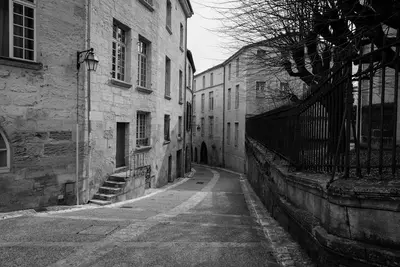
    Domme Village is one of the best-preserved bastides in the Périgord Noir, majestically perched on a rocky outcrop overlooking the Dordogne Valley. Founded in 1281 by Philip III of France, this fortified town strategically served to defend the region. Here, you'll encounter impressive medieval architecture, reflected in the narrow streets and characteristic honey-colored stone houses.Particularly noteworthy are the imposing town gates, including the Porte des Tours, which still displays its original defensive features. From the Esplanade at the Belvedere, you'll enjoy a breathtaking panoramic view over the meanders of the Dordogne and the surrounding landscape – an ideal spot for photographers. Beneath the historic market hall (Halle) is also the Grotte de Domme, a fascinating cave system with stalactites and stalagmites that you can visit.Our tip: Visit Domme in the early morning or late afternoon to avoid the largest crowds and capture the special light for photos. For the best view of the village itself, a vantage point from the opposite side of the valley is recommended.
    Open in Google Maps

    City walks in Domme

    Curated walking tours through the city's highlights — handpicked by experienced travel journalists.

    Panoramawege der Dordogne: Domme von Aussen entdecken

    Dieser Spaziergang führt Sie abseits der belebten Gassen von Domme in die umgebende Natur und bietet spektakuläre neue Perspektiven auf die Bastide und das malerische Dordogne-Tal. Erleben Sie die majestätische Lage Dommes von unten, entdecken Sie verborgene Pfade und tauchen Sie in die Flusslandschaft ein.

    ~1 Std. 45 Min.
    In Google Maps öffnen
    Stopps (7)

    Food and Drink

    Cultural Heritage and History

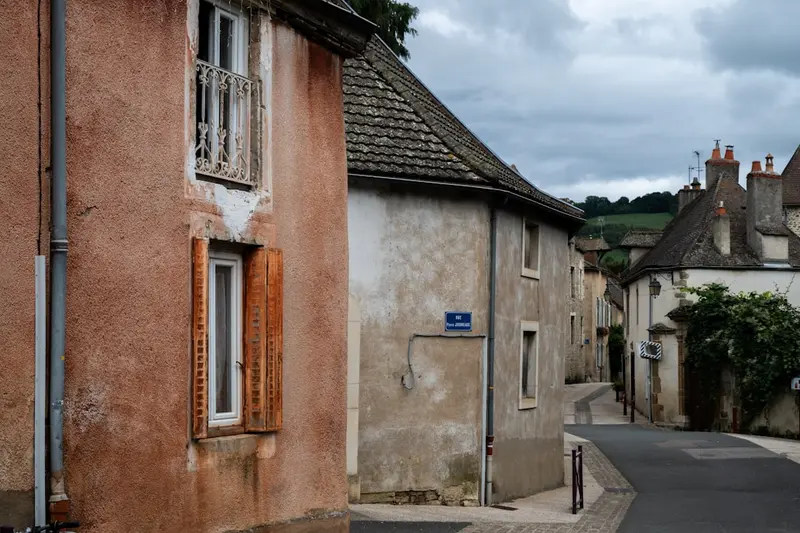
    Domme, one of the "Plus Beaux Villages de France," is a medieval bastide founded in 1281 by King Philip III the Bold. Its strategic location on a rocky promontory above the Dordogne made it an important fortress during the Hundred Years' War, underscoring its deep historical significance.The architecture of the town is typical of a bastide: a strict, grid-like street network converging on a central market square. Preserved fortifications, including the imposing city gates such as the Porte des Tours with its unique Templar graffiti, bear witness to its military past and are excellent examples of medieval defensive architecture made from local golden stone.Culturally, Domme is deeply rooted in the history of the Périgord Noir. Besides the architectural evidence, nearby prehistoric sites also influence the regional consciousness. The local way of life is characterized by traditional craftsmanship and an appreciation for the region's authentic gastronomy, which is an integral part of its cultural identity.

    Getting There & Around in Domme

    Domme is a charming bastide perched on a hill, whose compact center is ideally explored on foot. Within the city walls, it is best to move leisurely through the historic alleys. For arrival and exploring the picturesque Dordogne region, your own vehicle is the most flexible and recommended option, as public transport directly to Domme is limited.

    Accommodations in Domme

    Accommodations in Domme

    Find perfect stay in Domme

    Booking.com
    Search Hotels
    Agoda
    Search Hotels
    Airbnb
    Vacation Rentals
    Hotels.com
    Hotels Worldwide
    Hostelworld
    Hostels

    Campgrounds in Domme

    Find perfect campground in Domme

    Search via Google Maps
    Campgrounds nearby (15km)
    Camping.info
    Find Campgrounds
    Park4Night
    RV Parks & Camping

    Plan your trip to Domme

    Save places, build a route and plan your city trip — all in one place.

    Save places

    Bookmark sights, restaurants and neighborhoods you're interested in.

    Build your route

    Turn your bookmarks into a route — define order, days and budget.

    Refine with AI

    Let Mein Fernweh suggest experiences and put together a tailored daily plan.

    Start trip planningOpen bookmarks

    Locations nearby

    These places are nearby — perfect for additional days or a day trip.

    Castelnaud-la-Chapelle

    Castelnaud-la-Chapelle

    Castelnaud-la-Chapelle, in the heart of the Périgord Noir, is renowned for its imposing fortress, which majestically overlooks the Dordogne River. The Château de Castelnaud, a perfectly preserved medieval castle, served as an English bastion during the Hundred Years' War and was in constant rivalry with the opposing French Château de Beynac. Inside, it houses the Musée de la Guerre au Moyen Âge, which presents an impressive collection of weapons and war machines and offers insights into medieval military history. The picturesque village itself nestles against the castle rock and invites exploration with its stone houses and narrow alleys. Ideally, plan your visit to include Château de Beynac, to experience the strategic importance of both fortresses in their historical context. For a quieter experience, a visit during the off-season is recommended, as the region is heavily frequented in summer.
    Sarlat-la-Canéda

    Sarlat-la-Canéda

    Sarlat-la-Canéda, the capital of the Périgord Noir, captivates with its exceptionally well-preserved medieval and Renaissance architecture. Here you'll find an abundance of golden stone buildings, winding alleys, and charming squares that reflect the region's history. Highlights include the Place de la Liberté with its bustling market activity, especially on Saturdays, and the impressive Cathédrale Saint-Sacerdos. Explore the narrow passages leading to hidden courtyards, and discover historic buildings such as the birthplace of Étienne de La Boétie. The city is also a hub for regional gastronomy, renowned for truffles, foie gras, and walnuts, which you can find in the local markets. To experience the authentic atmosphere without large crowds, a visit during the off-season is recommended, ideally in spring or autumn. For a comprehensive impression of the old town, you should take your time to appreciate the architectural details and sample the local specialties.
    Dordogne (Périgord)

    Dordogne (Périgord)

    The Dordogne (Périgord), a gem in Southwest France, enchants with a unique blend of prehistoric art, medieval castles, and picturesque villages. Immerse yourself in a landscape rich in history and savor the world-renowned cuisine that makes this region an unforgettable travel destination.
    Montignac-Lascaux

    Montignac-Lascaux

    Nestled in the heart of the Périgord Noir, Montignac-Lascaux is your gateway to prehistoric art. Here, you can visit the Centre International de l'Art Pariétal, also known as Lascaux IV, which presents a detailed and didactically prepared replica of the original cave. The discovery of the first cave in 1940 was a milestone in the exploration of human history. The town itself, picturesquely situated on the Vézère, invites you to stroll through its medieval alleys and charming half-timbered houses. You'll find a relaxed atmosphere here along the river, which is perfect for walks. To avoid wait times, you should book tickets for Lascaux IV online in advance. A visit in the early morning or late afternoon also allows for a calmer experience of this significant site.
    Périgueux

    Périgueux

    Périgueux, the capital of Périgord, unites Roman history with medieval charm. Discover the impressive Cathédrale Saint-Front, a UNESCO World Heritage site whose Byzantine-inspired domes evoke Venice. The winding streets of the medieval old town reveal half-timbered houses and Renaissance palaces. Experience the city's Roman origins as Vesunna at the Musée Gallo-Romain de Vesunna, built around the remains of a Roman villa. The lively weekly markets (Wednesdays and Saturdays are best) are ideal for sampling regional specialties like truffles and foie gras. For a relaxed visit, spring or autumn is recommended to avoid the crowds.