Fernweh
    ExploreTravel GuidesMy Trips
    de|en
    About FernwehImprintFAQPrivacy Policy
    ExploreTravel GuidesMy Trips
    Montignac-Lascaux

    Montignac-Lascaux

    CityCulture
    1. Home
    2. Destinations
    3. France
    4. Dordogne (Périgord)
    5. Montignac-Lascaux
    Nestled in the heart of the Périgord Noir, Montignac-Lascaux is your gateway to prehistoric art. Here, you can visit the Centre International de l'Art Pariétal, also known as Lascaux IV, which presents a detailed and didactically prepared replica of the original cave. The discovery of the first cave in 1940 was a milestone in the exploration of human history. The town itself, picturesquely situated on the Vézère, invites you to stroll through its medieval alleys and charming half-timbered houses. You'll find a relaxed atmosphere here along the river, which is perfect for walks. To avoid wait times, you should book tickets for Lascaux IV online in advance. A visit in the early morning or late afternoon also allows for a calmer experience of this significant site.
    • Neighborhoods & highlights
    • Walking tours
    • Eat & drink
    • Culture
    • Getting around
    • Accommodation
    • Plan trip
    • Nearby
    • Neighborhoods & highlights
    • Walking tours
    • Eat & drink
    • Culture
    • Getting around
    • Accommodation
    • Plan trip
    • Nearby

    Overview

    Nestled in the heart of the Périgord Noir, Montignac-Lascaux serves as a central gateway to prehistoric art. Here, you can visit the Centre International de l'Art Pariétal, known as Lascaux IV, a scientifically accurate replica of the original cave, impressively conveying the art of the Paleolithic era. The discovery of the original Lascaux Cave in 1940 marked a significant turning point in the exploration of early human history. The town picturesquely hugs the Vézère and invites exploration with its narrow medieval alleys and distinctive half-timbered houses. Along the river, you'll find a peaceful atmosphere, ideal for strolls and enjoying the local architecture. For Lascaux IV, it's advisable to book tickets online in advance to avoid waiting times. Visiting early in the morning or late in the afternoon also allows for a more relaxed experience of this globally significant site.

    Places in Montignac-Lascaux

    Discover the most important sights and attractions

    Sights in Montignac-Lascaux

    1Château de la Petite Filolie

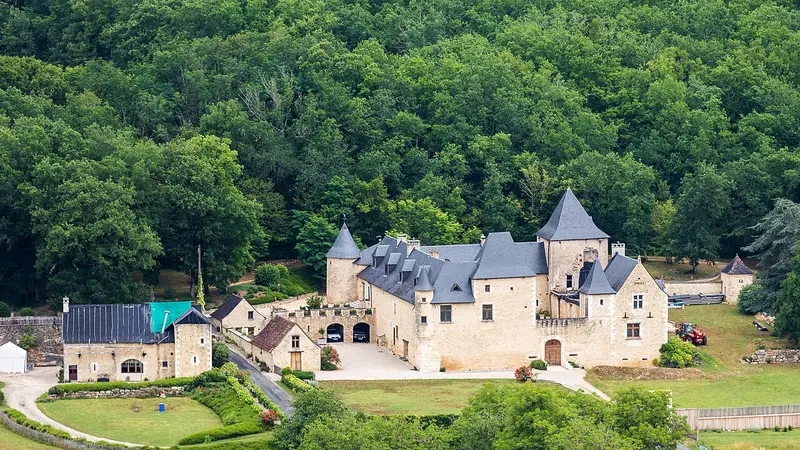
    The Château de la Petite Filolie, picturesquely situated near Montignac-Lascaux, is a remarkable example of regional aristocratic architecture in the Périgord. Its origins often date back to the Middle Ages, even though later alterations, particularly from the Renaissance and the 17th century, significantly shaped its current appearance. Here you will find a fascinating blend of historical defensiveness and later residential comfort, typical for the evolution of rural aristocratic residences in this region. Note the meticulously restored stone facades, the often still-preserved towers, and the elegant windows, which tell the long history of the estate. Inside, the rooms offer an authentic glimpse into life in past centuries. Our Tip: For the best exterior photos and to experience the peaceful atmosphere of the gardens undisturbed, a late morning visit is recommended. Avoid the afternoon high season to escape crowds and explore the details at your leisure.
    Open in Google Maps

    2Lascaux International Center of Parietal Art

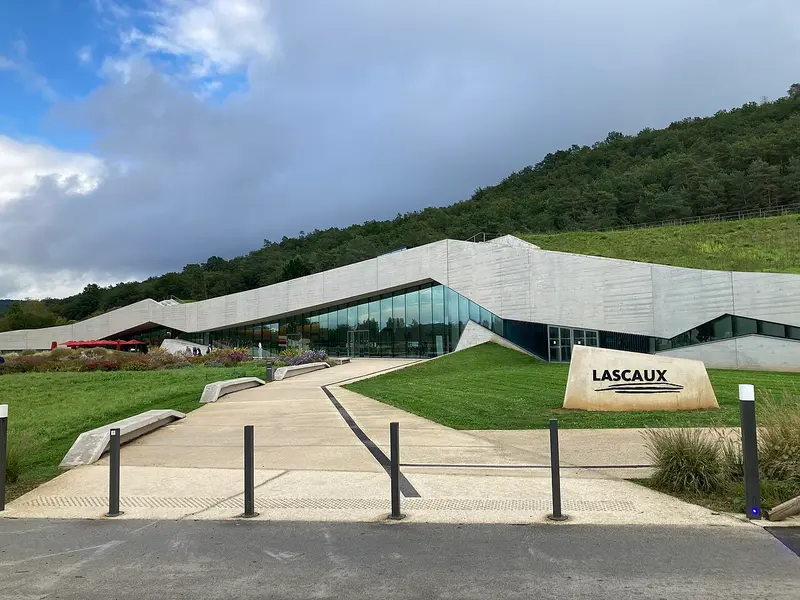
    The Lascaux International Center of Parietal Art, often referred to as Lascaux IV, is an impressive replica of the prehistoric Lascaux Cave. The original cave, discovered in 1940, houses some of the world's most significant Paleolithic artworks, dating back approximately 17,000 years. To protect these invaluable wall paintings, the original cave was closed to the public, and the center now offers you the chance to experience these masterpieces in faithful detail. Here, you immerse yourself in a perfectly reproduced environment that faithfully recreates the atmosphere and art of the original cave. The exhibition not only includes the cave replica but also modern interactive areas that comprehensively explain the techniques, significance, and cultural context of cave art. A practical tip: Be sure to book your tickets in advance, especially during high season, to avoid waiting times. For a more immersive experience, it's recommended to visit the cave in the early morning or late afternoon when there are fewer visitors, allowing you to appreciate the details in peace.
    Open in Google Maps

    3Fontaine des Pères

    The Fontaine des Pères in Montignac-Lascaux is a historic fountain, its name indicating the former presence of a religious community, likely monks, in the vicinity. For centuries, it served as a vital drinking water source for the local population, testifying to water's significance for urban life. You'll find it picturesquely located on the banks of the Vézère, near the historic bridge that shapes the townscape. Its simple yet robust stone architecture blends seamlessly into its surroundings, inviting a brief moment of pause.The spot radiates a remarkable tranquility, perfect for quiet reflection. Our Tip: Visit the fountain in the early morning or late afternoon to experience the soft light and peaceful atmosphere without the crowds. For a particularly atmospheric photo, consider the perspective from the opposite riverbank, where you can capture the fountain together with the Vézère and the old bridge.
    Open in Google Maps

    4The Thot Park

    The Thot Park in Montignac-Lascaux is an essential complement to your visit to the world-famous Lascaux Caves. It offers a profound insight into the lifeworld of the Cro-Magnon people, who created the impressive cave paintings some 17,000 years ago. Here, you'll encounter life-sized reconstructions of ice age megafauna, including mammoths, woolly rhinoceroses, and giant deer, which once populated the region and inspired many cave paintings. Through interactive exhibitions and practical demonstrations, you'll learn more about the hunting techniques, tool making, and daily life of our prehistoric ancestors. The park highlights the close connection between humans, animals, and art in the Stone Age, deepening the understanding of the cultural significance of cave art. Our Tip: Ideally, combine your visit to the Thot Park with Lascaux IV to gain a comprehensive understanding of prehistoric culture. For a more relaxed experience without large crowds, a visit in the early morning or during the off-season is recommended.
    Open in Google Maps

    5Höhle von Lascaux

    The Lascaux Cave in Montignac-Lascaux is one of the world's most significant sites of prehistoric art. Here, you'll experience a fascinating journey into the Upper Paleolithic period, approximately 17,000 years ago. Since the original cave was closed to the public in 1963 to protect the delicate paintings, you will visit Lascaux IV, an impressive and scientifically precise replica. This modern replica allows you to admire over 600 animal depictions – including horses, aurochs, and deer – as well as numerous abstract signs in their original splendor. Particularly noteworthy is the "Hall of Bulls," whose monumental wall paintings impressively demonstrate the artistic mastery of the Cro-Magnon people. The detailed reproduction, supported by state-of-the-art technology, conveys an authentic impression of the original cave. Our Tip: Be sure to book your tickets online and in advance to avoid long waiting times, especially during the summer months. Also, allow ample time for the entire visitor center, which offers additional exhibitions on prehistoric culture.
    Open in Google Maps

    6Höhle von Lascaux

    The Lascaux Cave, near Montignac-Lascaux in France, houses some of the most significant prehistoric cave paintings in the world. Discovered in 1940, these artworks from the Upper Paleolithic, approximately 17,000 years old, depict impressive representations of animals such as bulls, horses, and deer. To protect the original cave, which has been closed to the public since 1963, you visit Lascaux IV today, a faithful replica. Here, you can experience the artworks in an authentically recreated environment that captures the atmosphere of the original. The precise reproduction allows you to study the fine details and coloring of the paintings without impairment. Our tip: A visit in the early morning or late afternoon helps avoid larger crowds and better absorb the quiet, contemplative atmosphere. Plan enough time to explore the various sections and the accompanying exhibitions on Stone Age art.
    Open in Google Maps

    City walks in Montignac-Lascaux

    Curated walking tours through the city's highlights — handpicked by experienced travel journalists.

    Auf den Spuren der Höhlenmaler: Das Lascaux-Erlebnis

    Tauchen Sie ein in die Welt der prähistorischen Kunst und entdecken Sie das Herzstück von Montignac-Lascaux: Das Centre International de l'Art Pariétal. Dieser Spaziergang führt Sie direkt zum berühmten Lascaux IV, erkundet die Umgebung, die zur Entdeckung der Originalhöhle führte, und bietet tiefe Einblicke in die Eiszeitkunst und ihre Entdeckung. Erleben Sie die Magie der prähistorischen Meisterwerke, umgeben von der Natur des Vézère-Tals.

    ~2 Std. 30 Min.
    In Google Maps öffnen
    Stopps (6)

    Dining & Drinks

    Art, Culture and History of Montignac-Lascaux

    Montignac-Lascaux is a place where human history and art converge in a remarkable way.The region is world-renowned for its prehistoric cave paintings, which are considered masterpieces of Stone Age art and offer profound insights into the lives of our ancestors.Discover a rich cultural heritage that spans from ancient civilizations to vibrant local traditions.

    Getting around here

    Montignac-Lascaux lässt sich am besten zu Fuß erkunden, um die charmanten Gassen und Flussufer optimal zu erleben. Für Ausflüge in die malerische Umgebung und zu den zahlreichen Sehenswürdigkeiten der Dordogne ist ein Mietwagen empfehlenswert, um maximale Flexibilität zu genießen. Fahrradverleihe bieten zudem eine umweltfreundliche Option, um die idyllische Landschaft auf zwei Rädern zu entdecken.

    Accommodations in Montignac-Lascaux

    Accommodations in Montignac-Lascaux

    Find perfect stay in Montignac-Lascaux

    Booking.com
    Search Hotels
    Agoda
    Search Hotels
    Airbnb
    Vacation Rentals
    Hotels.com
    Hotels Worldwide
    Hostelworld
    Hostels

    Campgrounds in Montignac-Lascaux

    Find perfect campground in Montignac-Lascaux

    Search via Google Maps
    Campgrounds nearby (15km)
    Camping.info
    Find Campgrounds
    Park4Night
    RV Parks & Camping

    Plan your trip to Montignac-Lascaux

    Save places, build a route and plan your city trip — all in one place.

    Save places

    Bookmark sights, restaurants and neighborhoods you're interested in.

    Build your route

    Turn your bookmarks into a route — define order, days and budget.

    Refine with AI

    Let Mein Fernweh suggest experiences and put together a tailored daily plan.

    Start trip planningOpen bookmarks

    Locations nearby

    These places are nearby — perfect for additional days or a day trip.

    Dordogne (Périgord)

    Dordogne (Périgord)

    The Dordogne (Périgord), a gem in Southwest France, enchants with a unique blend of prehistoric art, medieval castles, and picturesque villages. Immerse yourself in a landscape rich in history and savor the world-renowned cuisine that makes this region an unforgettable travel destination.
    Sarlat-la-Canéda

    Sarlat-la-Canéda

    Sarlat-la-Canéda, the capital of the Périgord Noir, captivates with its exceptionally well-preserved medieval and Renaissance architecture. Here you'll find an abundance of golden stone buildings, winding alleys, and charming squares that reflect the region's history. Highlights include the Place de la Liberté with its bustling market activity, especially on Saturdays, and the impressive Cathédrale Saint-Sacerdos. Explore the narrow passages leading to hidden courtyards, and discover historic buildings such as the birthplace of Étienne de La Boétie. The city is also a hub for regional gastronomy, renowned for truffles, foie gras, and walnuts, which you can find in the local markets. To experience the authentic atmosphere without large crowds, a visit during the off-season is recommended, ideally in spring or autumn. For a comprehensive impression of the old town, you should take your time to appreciate the architectural details and sample the local specialties.
    Castelnaud-la-Chapelle

    Castelnaud-la-Chapelle

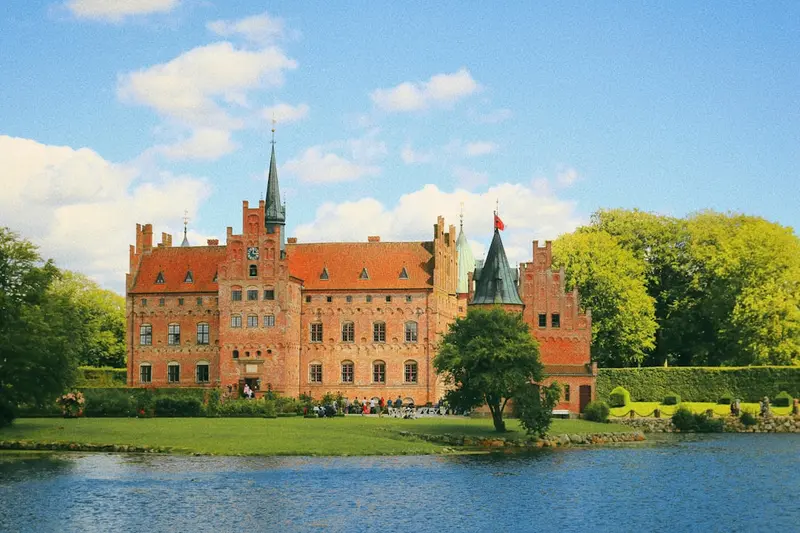
    Castelnaud-la-Chapelle, in the heart of the Périgord Noir, is renowned for its imposing fortress, which majestically overlooks the Dordogne River. The Château de Castelnaud, a perfectly preserved medieval castle, served as an English bastion during the Hundred Years' War and was in constant rivalry with the opposing French Château de Beynac. Inside, it houses the Musée de la Guerre au Moyen Âge, which presents an impressive collection of weapons and war machines and offers insights into medieval military history. The picturesque village itself nestles against the castle rock and invites exploration with its stone houses and narrow alleys. Ideally, plan your visit to include Château de Beynac, to experience the strategic importance of both fortresses in their historical context. For a quieter experience, a visit during the off-season is recommended, as the region is heavily frequented in summer.
    Domme

    Domme

    Domme, a 13th-century bastide, perches on a rocky plateau with expansive views over the Dordogne Valley. Its golden stone houses define the town's character, which you can explore through its narrow streets and the central Place de la Halle, where the Porte des Tours features historical Templar graffiti. A highlight is the Grottes de Domme, a cave system beneath the town, accessible by elevator. The Belvédère de la Barre offers panoramic views of the river's meanders and surrounding villages. Visit Domme in the early morning or late afternoon to savour its special atmosphere in peace.
    Périgueux

    Périgueux

    Périgueux, the capital of Périgord, unites Roman history with medieval charm. Discover the impressive Cathédrale Saint-Front, a UNESCO World Heritage site whose Byzantine-inspired domes evoke Venice. The winding streets of the medieval old town reveal half-timbered houses and Renaissance palaces. Experience the city's Roman origins as Vesunna at the Musée Gallo-Romain de Vesunna, built around the remains of a Roman villa. The lively weekly markets (Wednesdays and Saturdays are best) are ideal for sampling regional specialties like truffles and foie gras. For a relaxed visit, spring or autumn is recommended to avoid the crowds.