Fernweh
    ExploreTravel GuidesMy Trips
    de|en
    About FernwehImprintFAQPrivacy Policy
    ExploreTravel GuidesMy Trips
    Périgueux

    Périgueux

    CityCulture
    1. Home
    2. Destinations
    3. France
    4. Dordogne (Périgord)
    5. Périgueux
    Périgueux, the capital of Périgord, unites Roman history with medieval charm. Discover the impressive Cathédrale Saint-Front, a UNESCO World Heritage site whose Byzantine-inspired domes evoke Venice. The winding streets of the medieval old town reveal half-timbered houses and Renaissance palaces. Experience the city's Roman origins as Vesunna at the Musée Gallo-Romain de Vesunna, built around the remains of a Roman villa. The lively weekly markets (Wednesdays and Saturdays are best) are ideal for sampling regional specialties like truffles and foie gras. For a relaxed visit, spring or autumn is recommended to avoid the crowds.
    • Neighborhoods & highlights
    • Walking tours
    • Eat & drink
    • Culture
    • Getting around
    • Accommodation
    • Plan trip
    • Nearby
    • Neighborhoods & highlights
    • Walking tours
    • Eat & drink
    • Culture
    • Getting around
    • Accommodation
    • Plan trip
    • Nearby

    Overview

    Périgueux, capital of Périgord, blends Roman history with a well-preserved medieval townscape. Discover the Cathédrale Saint-Front, a UNESCO World Heritage site, whose Byzantine-inspired domes are architecturally unique. The winding alleys of the medieval old town lead you past half-timbered houses and Renaissance palaces. Experience its Roman origins as Vesunna at the Musée Gallo-Romain de Vesunna, built over the remains of a Roman villa. Its lively weekly markets, especially on Wednesdays and Saturdays, offer excellent opportunities to sample regional specialties like truffles and foie gras. For a relaxed exploration, a visit in spring or autumn is recommended to avoid crowds.

    Places in Périgueux

    Discover the most important sights and attractions

    Sights in Périgueux

    Quartier de l'Aubergerie, Périgueux

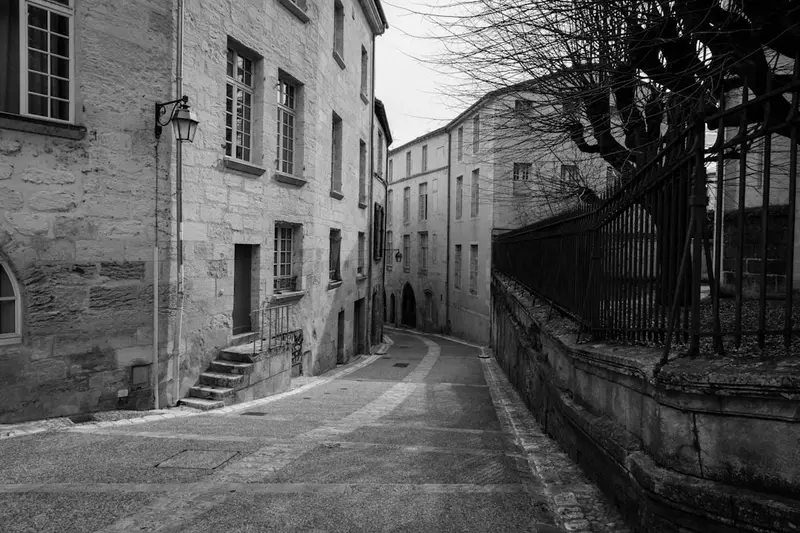
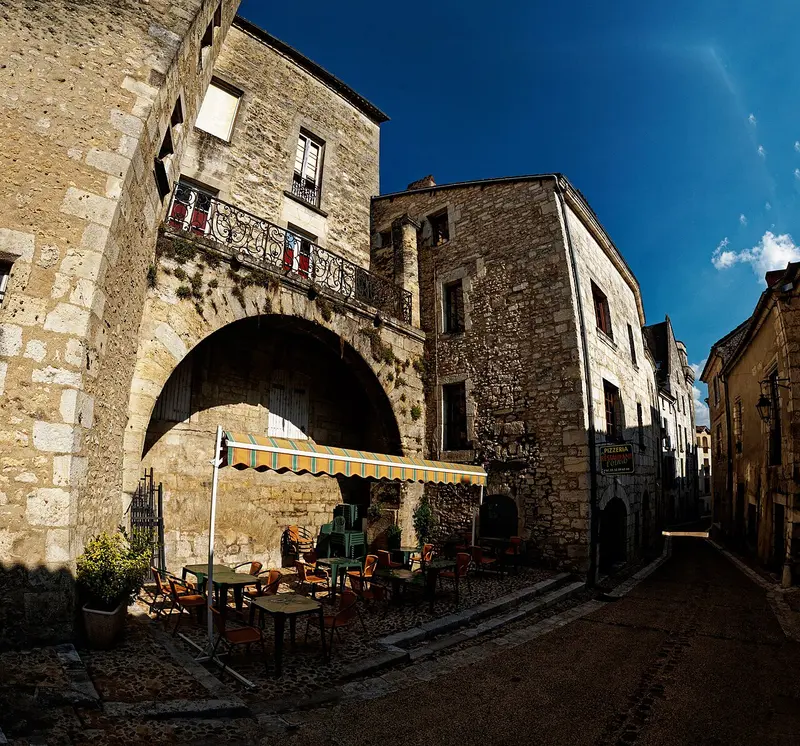
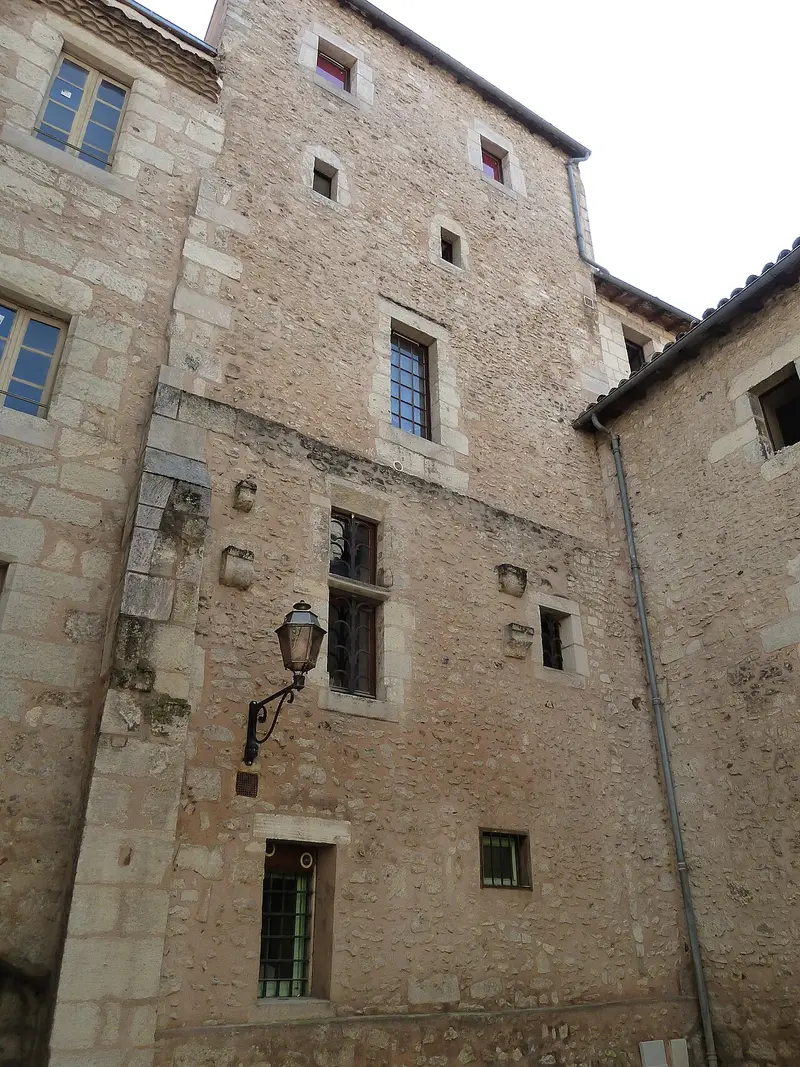
    The Quartier de l'Aubergerie in Périgueux forms an essential part of the historic old town, characterized by its medieval and Renaissance architecture. Here you'll find a dense network of narrow, cobblestone streets, lined with well-preserved buildings that document the city's development over centuries. Many of the characteristic houses, often dating from the 15th and 16th centuries, showcase regional features like half-timbered structures and facades of light limestone. Historically, the quarter was a hub for crafts and trade. As you wander through, you'll discover small squares and specialty shops. Our Tip: The best time to visit the quarter is in the early morning hours, allowing you to quietly admire the architectural details and experience the special atmosphere without large crowds. The winding passages and often flower-adorned windows are perfect for atmospheric photos.
    Open in Google Maps

    GALERIE DAUMESNIL, PÉRIGUEUX

    The Galerie Daumesnil in Périgueux is a remarkable example of 19th-century urban architecture. Originally designed to connect different city districts and foster trade, it now offers you a unique shopping experience within a historic setting. Here you'll find a series of small boutiques and artisan shops, arranged beneath an elegant glass roof. Its delicate iron structures and carefully restored facades bear testament to the era's architectural artistry. Our Tip: Visit the gallery in the morning to best capture the unique light filtering through its glass roof and to enjoy the tranquility before the midday rush. A stroll through the gallery provides you with insight into the city's bourgeois life at the turn of the century.
    Open in Google Maps

    Place de Navarre

    The Place de Navarre in Périgueux is a picturesque square in the heart of the historic old town that transports you to a bygone era. Surrounded by well-preserved buildings from the Middle Ages and the Renaissance, including impressive half-timbered houses and stone facades, it offers an authentic insight into the region's architecture. The square's name commemorates its historical connection to the Navarra region, which once played a significant role in the history of Southwest France. Here you can feel the city's long history, spanning from Gallo-Roman origins to its flourishing period in the Middle Ages.Here, you can linger in one of the small cafés and observe the bustling activity or admire the architectural details of the surrounding buildings. The square often serves as a backdrop for local events and markets that reflect Périgueux's cultural life. Our tip: Visit the Place de Navarre in the morning to enjoy the tranquility and photograph the facade details in the best light before most visitors arrive. From here, you can also quickly reach the impressive Cathédrale Saint-Front and Rue Limogeanne with its boutiques.
    Open in Google Maps

    Kathedrale von Périgueux

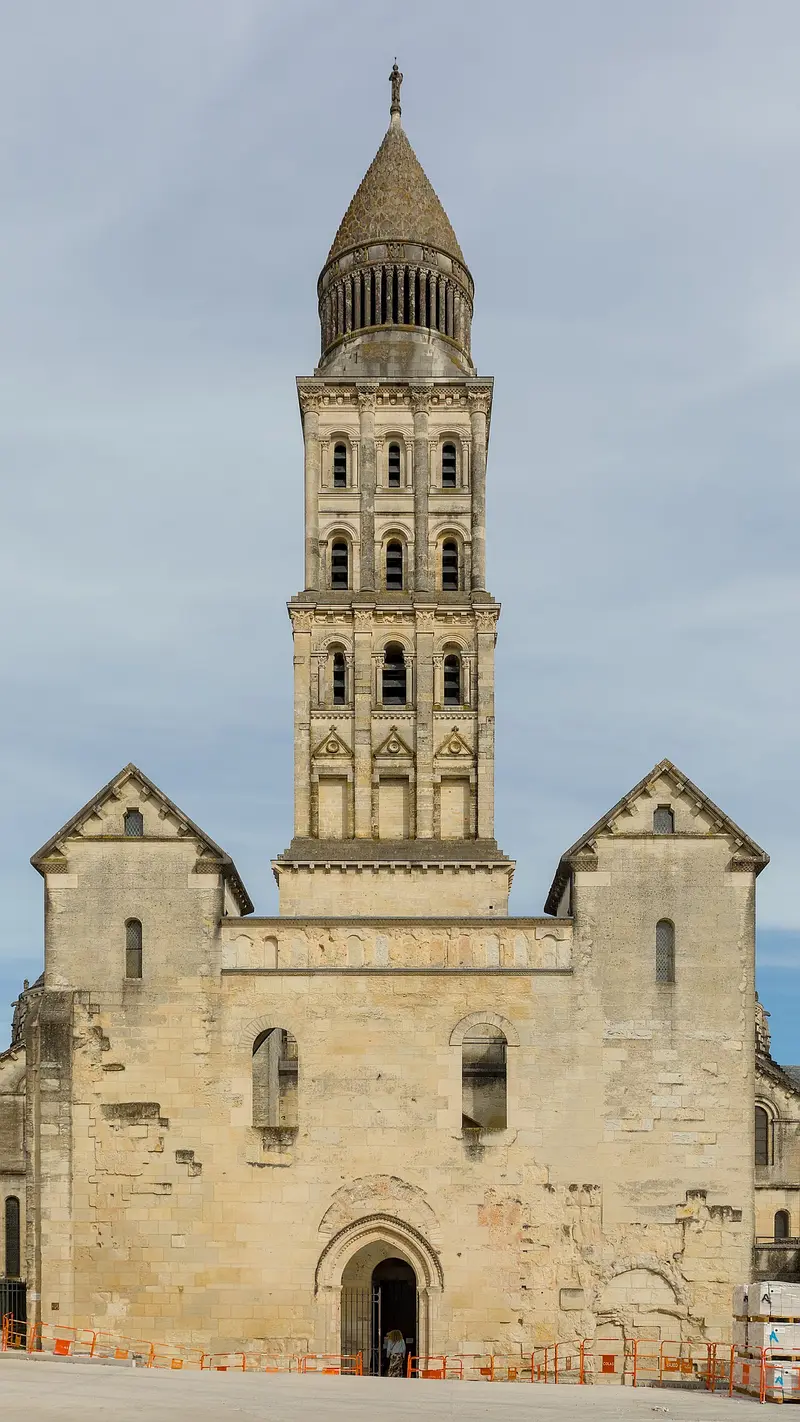
    The Cathedral of Périgueux, officially Cathédrale Saint-Front, is an outstanding example of Byzantine-Romanesque architecture in France and has been a UNESCO World Heritage site since 1998, as a stop on the Routes of Santiago de Compostela. Here you'll find a unique architectural style, strongly reminiscent of St. Mark's Basilica in Venice, with its five domes forming a Greek cross. Originally consecrated in the 12th century, the cathedral underwent extensive restoration in the 19th century by Paul Abadie, whose distinctive style is also evident in the Sacré-Cœur Basilica in Paris.Inside, an impressive spaciousness awaits you beneath the high domes, creating a special atmosphere. Pay attention to the details of the capitals and the play of light through the windows, which emphasize the historical depth of the structure. The cathedral is not only a religious center but also a testament to the region's architectural evolution.Our Tip: The best time to visit the cathedral is in the morning to enjoy the tranquility and special light before larger tour groups arrive. For a spectacular exterior view of all five domes, we recommend a stroll along the River Isle or from the opposite bank, where you can fully appreciate the building's grandeur.
    Open in Google Maps

    VESUNNA, Gallo-Roman Museum

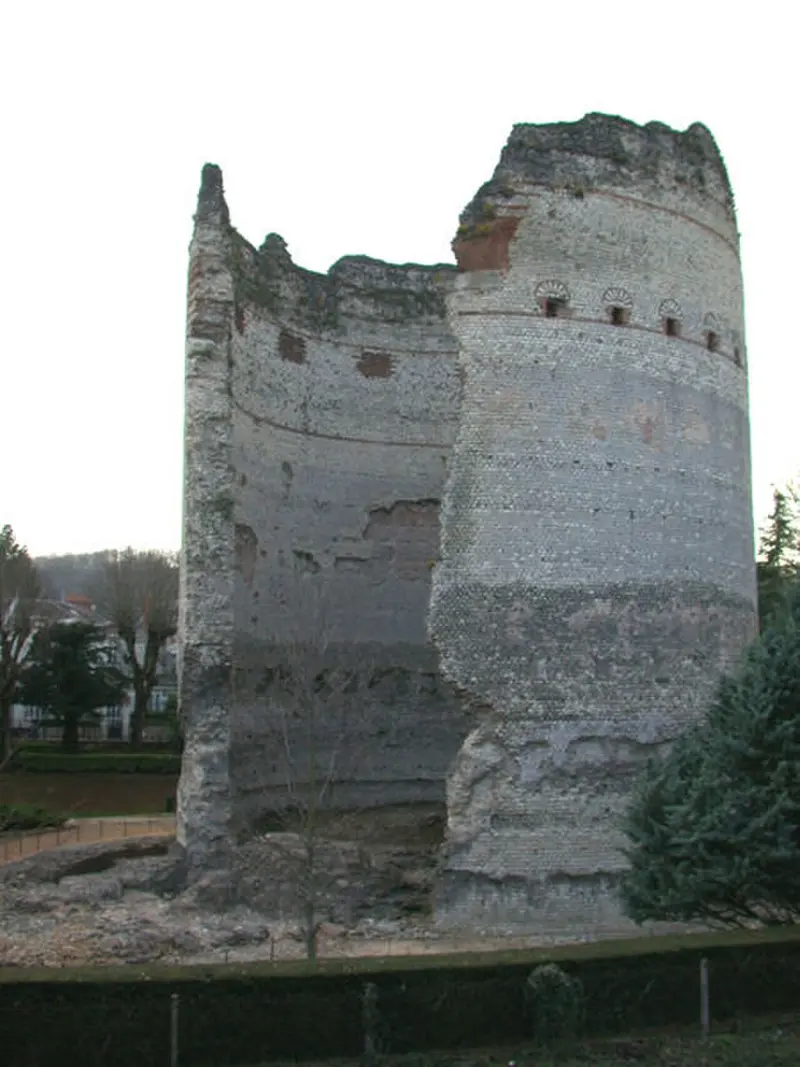
    The VESUNNA, Gallo-Roman Museum in Périgueux offers you a deep insight into the city's Roman past, once known as Vesunna Petrucoriorum. It is built directly over the remains of a large Gallo-Roman villa, the so-called Domus of Vésone, impressively integrating these archaeological finds. Here, you can explore the foundations and parts of the ancient villa, cleverly showcased by the modern architecture of Jean Nouvel. The transparent construction allows you to view the excavations from above before descending to ground level to discover the details.Inside, numerous artifacts await you, shedding light on the daily life of the Romans in Aquitaine: magnificent mosaics, fresco fragments, pottery, tools, and sculptures. These exhibits tell the story of the Roman settlement and the local Gallic culture that merged here, painting a vivid picture of the era.Practical Tip: Plan your visit for the morning to enjoy the tranquility and examine the details of the excavations at your leisure. An excellent photo spot is the museum's upper level, from where you have a comprehensive view of the Domus and the surrounding gardens. Also look out for the remains of the Tour de Vésone, an ancient temple located in the immediate vicinity.
    Open in Google Maps

    City walks in Périgueux

    Curated walking tours through the city's highlights — handpicked by experienced travel journalists.

    Périgueux: Gründerzeit, Grüne Oasen und das Leben am Westufer der Isle

    Entdecken Sie ein anderes Gesicht von Périgueux abseits der bekannten historischen Pfade. Dieser Spaziergang führt Sie durch die grünen Lungen der Stadt, entlang der ruhigeren Ufer der Isle und vorbei an beeindruckender Architektur der Gründerzeit und des frühen 20. Jahrhunderts, die das Wachstum und die Entwicklung der Stadt im 19. Jahrhundert prägte. Erleben Sie ein Périgueux, das vom pulsierenden Alltag und entspannten Flusslandschaften erzählt.

    ~2 Std.
    In Google Maps öffnen
    Stopps (7)

    Food & Drinks

    Périgueux: A Journey Through Art and History

    Périgueux, capital of the Dordogne department, is a city whose history dates back to the Gallo-Roman era. Its cultural identity is deeply rooted in the various epochs that shaped the cityscape and local traditions. Visitors will discover a remarkable architectural diversity and evidence of a long past, reflected in every corner of the city.

    Getting around here

    Périgueux's charming historic center is wonderful to explore on foot. For longer distances and exploring the surrounding area, a reliable local bus network, the Péribus, is available, efficiently connecting the city districts. Additionally, taxis offer a convenient option for individual journeys, and Périgueux train station serves as a crucial hub for rail travelers looking to explore the Dordogne region and beyond.

    Accommodations in Périgueux

    Accommodations in Périgueux

    Find perfect stay in Périgueux

    Booking.com
    Search Hotels
    Agoda
    Search Hotels
    Airbnb
    Vacation Rentals
    Hotels.com
    Hotels Worldwide
    Hostelworld
    Hostels

    Campgrounds in Périgueux

    Find perfect campground in Périgueux

    Search via Google Maps
    Campgrounds nearby (15km)
    Camping.info
    Find Campgrounds
    Park4Night
    RV Parks & Camping

    Plan your trip to Périgueux

    Save places, build a route and plan your city trip — all in one place.

    Save places

    Bookmark sights, restaurants and neighborhoods you're interested in.

    Build your route

    Turn your bookmarks into a route — define order, days and budget.

    Refine with AI

    Let Mein Fernweh suggest experiences and put together a tailored daily plan.

    Start trip planningOpen bookmarks

    Locations nearby

    These places are nearby — perfect for additional days or a day trip.

    Montignac-Lascaux

    Montignac-Lascaux

    Nestled in the heart of the Périgord Noir, Montignac-Lascaux is your gateway to prehistoric art. Here, you can visit the Centre International de l'Art Pariétal, also known as Lascaux IV, which presents a detailed and didactically prepared replica of the original cave. The discovery of the first cave in 1940 was a milestone in the exploration of human history. The town itself, picturesquely situated on the Vézère, invites you to stroll through its medieval alleys and charming half-timbered houses. You'll find a relaxed atmosphere here along the river, which is perfect for walks. To avoid wait times, you should book tickets for Lascaux IV online in advance. A visit in the early morning or late afternoon also allows for a calmer experience of this significant site.
    Dordogne (Périgord)

    Dordogne (Périgord)

    The Dordogne (Périgord), a gem in Southwest France, enchants with a unique blend of prehistoric art, medieval castles, and picturesque villages. Immerse yourself in a landscape rich in history and savor the world-renowned cuisine that makes this region an unforgettable travel destination.
    Sarlat-la-Canéda

    Sarlat-la-Canéda

    Sarlat-la-Canéda, the capital of the Périgord Noir, captivates with its exceptionally well-preserved medieval and Renaissance architecture. Here you'll find an abundance of golden stone buildings, winding alleys, and charming squares that reflect the region's history. Highlights include the Place de la Liberté with its bustling market activity, especially on Saturdays, and the impressive Cathédrale Saint-Sacerdos. Explore the narrow passages leading to hidden courtyards, and discover historic buildings such as the birthplace of Étienne de La Boétie. The city is also a hub for regional gastronomy, renowned for truffles, foie gras, and walnuts, which you can find in the local markets. To experience the authentic atmosphere without large crowds, a visit during the off-season is recommended, ideally in spring or autumn. For a comprehensive impression of the old town, you should take your time to appreciate the architectural details and sample the local specialties.
    Castelnaud-la-Chapelle

    Castelnaud-la-Chapelle

    Castelnaud-la-Chapelle, in the heart of the Périgord Noir, is renowned for its imposing fortress, which majestically overlooks the Dordogne River. The Château de Castelnaud, a perfectly preserved medieval castle, served as an English bastion during the Hundred Years' War and was in constant rivalry with the opposing French Château de Beynac. Inside, it houses the Musée de la Guerre au Moyen Âge, which presents an impressive collection of weapons and war machines and offers insights into medieval military history. The picturesque village itself nestles against the castle rock and invites exploration with its stone houses and narrow alleys. Ideally, plan your visit to include Château de Beynac, to experience the strategic importance of both fortresses in their historical context. For a quieter experience, a visit during the off-season is recommended, as the region is heavily frequented in summer.
    Domme

    Domme

    Domme, a 13th-century bastide, perches on a rocky plateau with expansive views over the Dordogne Valley. Its golden stone houses define the town's character, which you can explore through its narrow streets and the central Place de la Halle, where the Porte des Tours features historical Templar graffiti. A highlight is the Grottes de Domme, a cave system beneath the town, accessible by elevator. The Belvédère de la Barre offers panoramic views of the river's meanders and surrounding villages. Visit Domme in the early morning or late afternoon to savour its special atmosphere in peace.