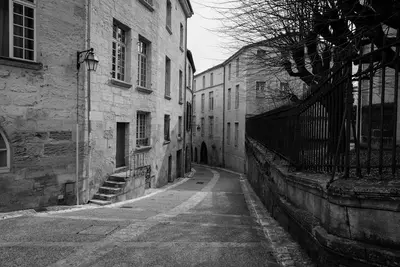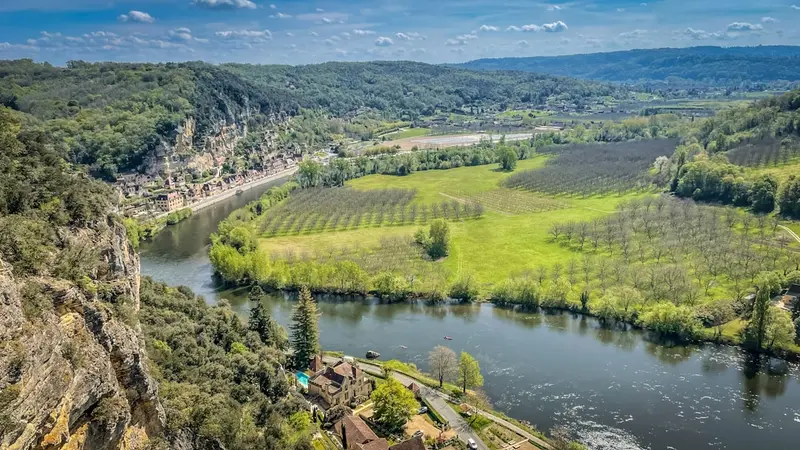
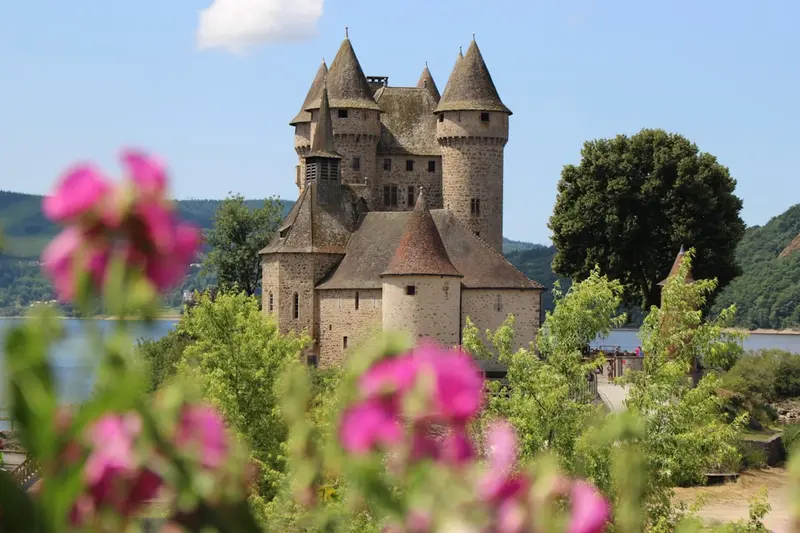
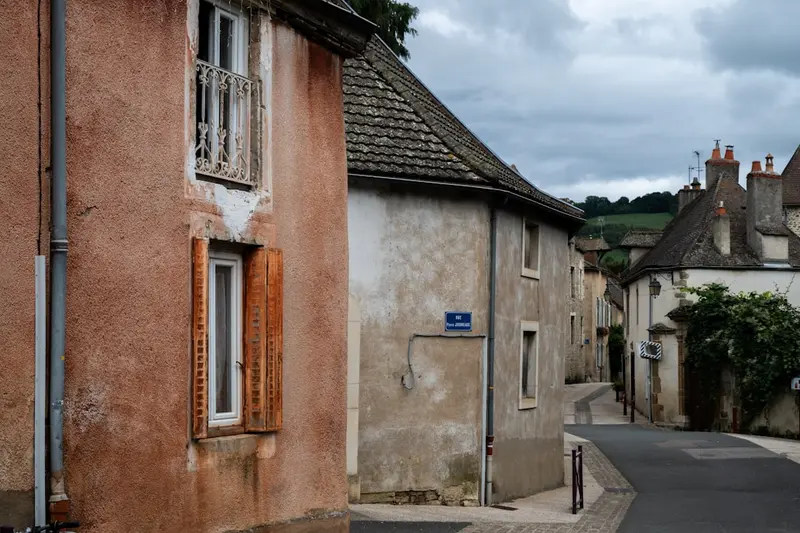
The Dordogne (Périgord), a gem in Southwest France, enchants with a unique blend of prehistoric art, medieval castles, and picturesque villages. Immerse yourself in a landscape rich in history and savor the world-renowned cuisine that makes this region an unforgettable travel destination.
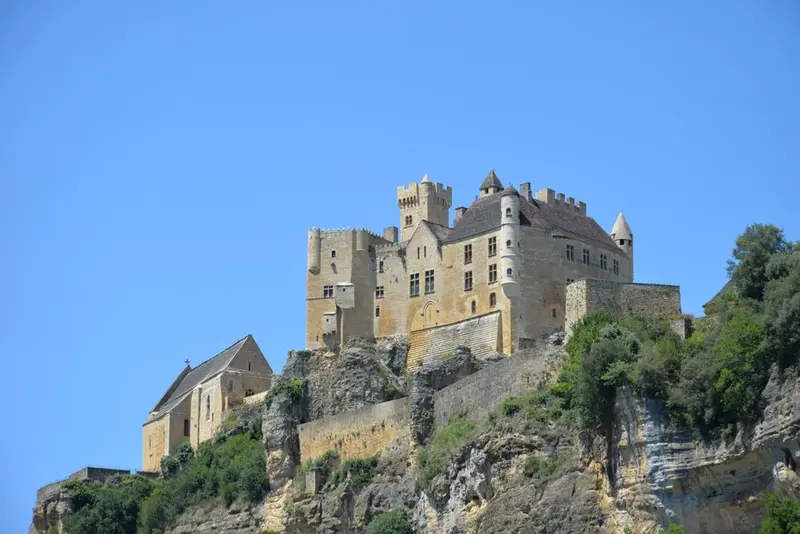
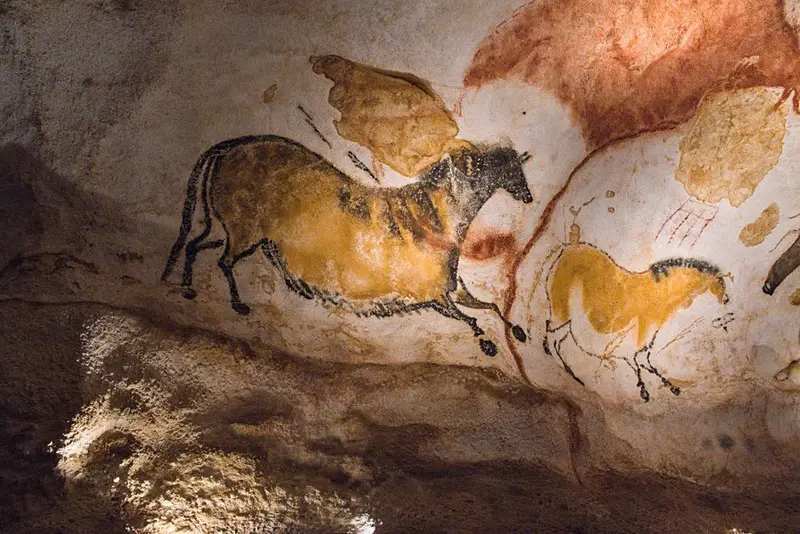
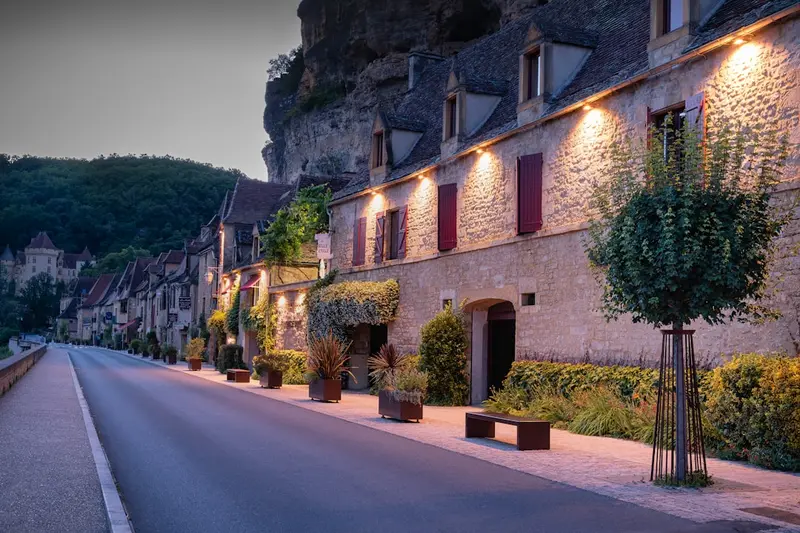
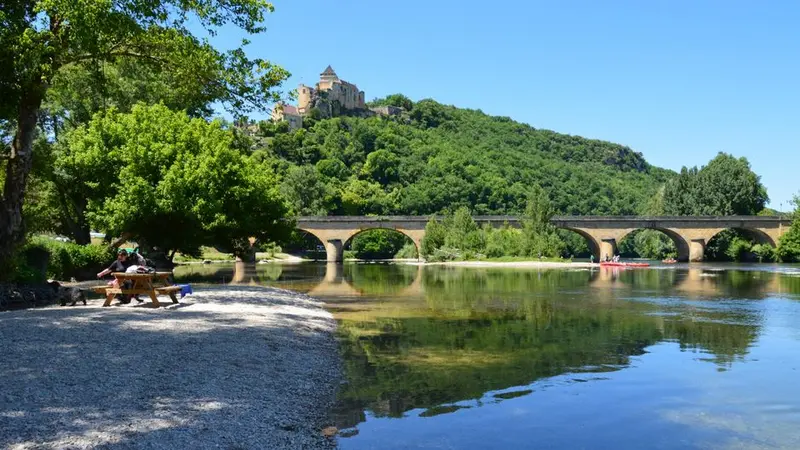
The Dordogne, also known as the Périgord, is a historically rich region in southwestern France, characterized by prehistoric sites, medieval castles, and picturesque river landscapes. Here you'll discover significant evidence of human history in caves like Lascaux IV, a faithful replica. The Périgord Noir impresses with over a thousand fortresses, including the impressive castles of Beynac and Castelnaud, which tower high above the Dordogne river. Picturesque villages like La Roque-Gageac and the medieval town of Sarlat-la-Canéda are perfect for a stroll. Culinary, the region is famous for truffles, foie gras, and walnuts, which you'll find at the weekly markets. For a relaxed exploration, a visit in spring or autumn is recommended to avoid the main season. A canoe trip on the Dordogne also offers a unique perspective on the castles.
Places in Dordogne (Périgord)
Castelnaud-la-Chapelle
Castelnaud-la-Chapelle, in the heart of the Périgord Noir, is renowned for its imposing fortress, which majestically overlooks the Dordogne River. The Château de Castelnaud, a perfectly preserved medieval castle, served as an English bastion during the Hundred Years' War and was in constant rivalry with the opposing French Château de Beynac. Inside, it houses the Musée de la Guerre au Moyen Âge, which presents an impressive collection of weapons and war machines and offers insights into medieval military history. The picturesque village itself nestles against the castle rock and invites exploration with its stone houses and narrow alleys. Ideally, plan your visit to include Château de Beynac, to experience the strategic importance of both fortresses in their historical context. For a quieter experience, a visit during the off-season is recommended, as the region is heavily frequented in summer.
Domme
Domme, a 13th-century bastide, perches on a rocky plateau with expansive views over the Dordogne Valley. Its golden stone houses define the town's character, which you can explore through its narrow streets and the central Place de la Halle, where the Porte des Tours features historical Templar graffiti. A highlight is the Grottes de Domme, a cave system beneath the town, accessible by elevator. The Belvédère de la Barre offers panoramic views of the river's meanders and surrounding villages. Visit Domme in the early morning or late afternoon to savour its special atmosphere in peace.
Montignac-Lascaux
Nestled in the heart of the Périgord Noir, Montignac-Lascaux is your gateway to prehistoric art. Here, you can visit the Centre International de l'Art Pariétal, also known as Lascaux IV, which presents a detailed and didactically prepared replica of the original cave. The discovery of the first cave in 1940 was a milestone in the exploration of human history. The town itself, picturesquely situated on the Vézère, invites you to stroll through its medieval alleys and charming half-timbered houses. You'll find a relaxed atmosphere here along the river, which is perfect for walks. To avoid wait times, you should book tickets for Lascaux IV online in advance. A visit in the early morning or late afternoon also allows for a calmer experience of this significant site.
Périgueux
Périgueux, the capital of Périgord, unites Roman history with medieval charm. Discover the impressive Cathédrale Saint-Front, a UNESCO World Heritage site whose Byzantine-inspired domes evoke Venice. The winding streets of the medieval old town reveal half-timbered houses and Renaissance palaces. Experience the city's Roman origins as Vesunna at the Musée Gallo-Romain de Vesunna, built around the remains of a Roman villa. The lively weekly markets (Wednesdays and Saturdays are best) are ideal for sampling regional specialties like truffles and foie gras. For a relaxed visit, spring or autumn is recommended to avoid the crowds.
Sights in Dordogne (Périgord)
Discover the most important sights and attractions
Under Escape
Under Escape in the Dordogne offers a modern, interactive experience that deliberately sets itself apart from the region's historic sites. Immerse yourself in meticulously designed themed worlds where you and your team must solve puzzles and find hidden clues to escape within a set time. The scenarios are often inspired by local legends or the rich history of the Périgord, creating a unique connection to the surroundings. You'll be challenged to think logically and communicate effectively as a team to successfully complete your mission. Our Tip: Be sure to book your slot in advance, especially during peak season, as capacity is limited. For the best experience, we recommend a group of four to six people to optimally distribute the various tasks and fully enjoy the immersion.
The installation 'Notre linge' by French artist duo Ella & Pitr in the Dordogne is a striking example of their monumental land art. Known for their giant, often sleeping figures painted on rooftops, fields, or other large surfaces, Ella & Pitr create works that reinterpret the landscape. This specific piece features a gigantic figure seemingly blending into the natural environment, often adorned with elements like clotheslines or garments, depicting an everyday scene in oversized form. Here, you experience an art form that only reveals its full impact from a distance or an elevated perspective, requiring a unique way of viewing. The duo's works are often temporary and interact directly with the location where they are created, forming a special connection to the local geography. Our Tip: To grasp the full dimension of 'Notre linge', seek out a nearby elevated viewpoint or inform yourself in advance about its precise location, which is often optimally visible only from the air or certain hills. Plan your visit during daylight and clear skies to best perceive the colors and details.
Déline Sarlat is a premier destination in Sarlat-la-Canéda, authentically showcasing the rich culinary heritage of the Périgord. Nestled amidst the historic alleys of the Dordogne, this establishment embodies a profound appreciation for regional products and traditional craftsmanship. Here you'll discover a carefully curated selection of local specialties, including exquisite truffle products, finest foie gras, aromatic walnut oil, and choice wines from the Bergerac region. More than just a shopping destination, it's an experience offering deep insight into the gastronomy and culture of the Périgord. Tastings are frequently available, allowing you to directly experience the complex flavors and quality of the products. Our Tip: Ideally, plan your visit on one of the market days (Wednesday or Saturday) to fully soak in Sarlat's lively atmosphere and complement your culinary discoveries. Allow time for a personal consultation to learn about the stories and origin of the products.
The Dordogne, historically known as Périgord, is a region of profound cultural and historical significance, with roots stretching back to the Stone Age. The world-famous caves of Lascaux and Font-de-Gaume bear witness to the artistry of our Palaeolithic ancestors and offer unique insights into prehistoric ways of life.Over millennia, Romans, Franks, and medieval kingdoms shaped the landscape and its people. The Middle Ages, in particular, left behind a wealth of architectural evidence due to the Hundred Years' War. Impressive fortresses like Château de Beynac and Château de Castelnaud perch on rocky outcrops, while the unique bastide towns, such as Monpazier or Domme, illustrate medieval urban planning as purposeful foundations of that era. Romanesque church architecture can be found in numerous charming villages.The region also preserves a rich intangible cultural heritage. Local festivals and markets continue to reflect the strong connection to agriculture and craftsmanship. Although not primarily art, the deeply rooted culinary traditions foster an authentic identity of the Périgord, closely linked to its history.
Locations nearby
These places are nearby — perfect for additional days or a day trip.
Sarlat-la-Canéda
Sarlat-la-Canéda, the capital of the Périgord Noir, captivates with its exceptionally well-preserved medieval and Renaissance architecture. Here you'll find an abundance of golden stone buildings, winding alleys, and charming squares that reflect the region's history. Highlights include the Place de la Liberté with its bustling market activity, especially on Saturdays, and the impressive Cathédrale Saint-Sacerdos. Explore the narrow passages leading to hidden courtyards, and discover historic buildings such as the birthplace of Étienne de La Boétie. The city is also a hub for regional gastronomy, renowned for truffles, foie gras, and walnuts, which you can find in the local markets. To experience the authentic atmosphere without large crowds, a visit during the off-season is recommended, ideally in spring or autumn. For a comprehensive impression of the old town, you should take your time to appreciate the architectural details and sample the local specialties.
Castelnaud-la-Chapelle
Castelnaud-la-Chapelle, in the heart of the Périgord Noir, is renowned for its imposing fortress, which majestically overlooks the Dordogne River. The Château de Castelnaud, a perfectly preserved medieval castle, served as an English bastion during the Hundred Years' War and was in constant rivalry with the opposing French Château de Beynac. Inside, it houses the Musée de la Guerre au Moyen Âge, which presents an impressive collection of weapons and war machines and offers insights into medieval military history. The picturesque village itself nestles against the castle rock and invites exploration with its stone houses and narrow alleys. Ideally, plan your visit to include Château de Beynac, to experience the strategic importance of both fortresses in their historical context. For a quieter experience, a visit during the off-season is recommended, as the region is heavily frequented in summer.
Domme
Domme, a 13th-century bastide, perches on a rocky plateau with expansive views over the Dordogne Valley. Its golden stone houses define the town's character, which you can explore through its narrow streets and the central Place de la Halle, where the Porte des Tours features historical Templar graffiti. A highlight is the Grottes de Domme, a cave system beneath the town, accessible by elevator. The Belvédère de la Barre offers panoramic views of the river's meanders and surrounding villages. Visit Domme in the early morning or late afternoon to savour its special atmosphere in peace.
Montignac-Lascaux
Nestled in the heart of the Périgord Noir, Montignac-Lascaux is your gateway to prehistoric art. Here, you can visit the Centre International de l'Art Pariétal, also known as Lascaux IV, which presents a detailed and didactically prepared replica of the original cave. The discovery of the first cave in 1940 was a milestone in the exploration of human history. The town itself, picturesquely situated on the Vézère, invites you to stroll through its medieval alleys and charming half-timbered houses. You'll find a relaxed atmosphere here along the river, which is perfect for walks. To avoid wait times, you should book tickets for Lascaux IV online in advance. A visit in the early morning or late afternoon also allows for a calmer experience of this significant site.
Périgueux
Périgueux, the capital of Périgord, unites Roman history with medieval charm. Discover the impressive Cathédrale Saint-Front, a UNESCO World Heritage site whose Byzantine-inspired domes evoke Venice. The winding streets of the medieval old town reveal half-timbered houses and Renaissance palaces. Experience the city's Roman origins as Vesunna at the Musée Gallo-Romain de Vesunna, built around the remains of a Roman villa. The lively weekly markets (Wednesdays and Saturdays are best) are ideal for sampling regional specialties like truffles and foie gras. For a relaxed visit, spring or autumn is recommended to avoid the crowds.