Fernweh
    ExploreTravel GuidesMy Trips
    de|en
    About FernwehImprintFAQPrivacy Policy
    ExploreTravel GuidesMy Trips
    Arras

    Arras

    CityCulture
    1. Home
    2. Destinations
    3. France
    4. Hauts-de-France
    5. Arras
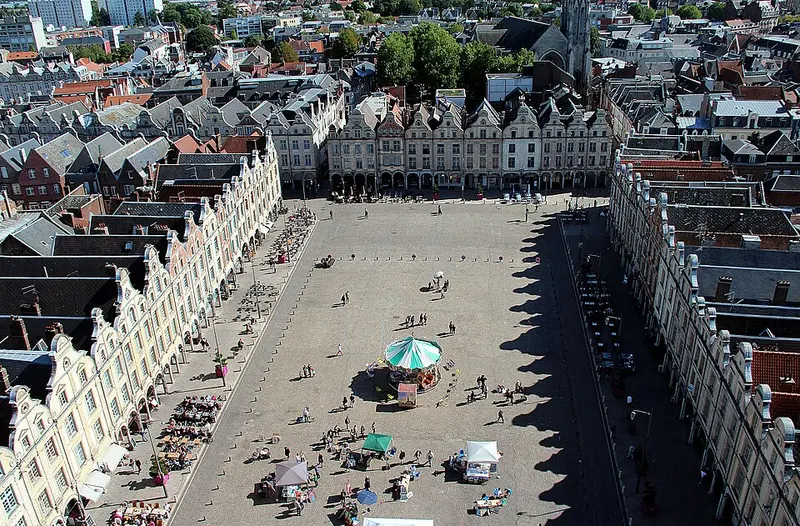
    The city of Arras impresses with its magnificent Flemish gable facades on two UNESCO-protected squares, the Grand'Place and the Petite Place, as well as a deep connection to the history of World War I.
    • Neighborhoods & highlights
    • Walking tours
    • Eat & drink
    • Culture
    • Getting around
    • Accommodation
    • Plan trip
    • Nearby
    • Neighborhoods & highlights
    • Walking tours
    • Eat & drink
    • Culture
    • Getting around
    • Accommodation
    • Plan trip
    • Nearby

    Overview

    In Arras, you'll discover a city that combines its rich history with impressive architecture. The UNESCO-protected squares, the Grand'Place and the Petite Place (Place des Héros), captivate with their magnificent Flemish gable facades and characteristic arcades. The Town Hall's Belfry, also a UNESCO World Heritage site, offers expansive views over the city. Deep beneath the surface, the Boves, an extensive network of medieval tunnels, tell of their strategic importance in World War I; the Wellington Quarry illuminates the Battle of Arras. For an authentic experience, a visit to the weekly markets on the squares is recommended to sample regional specialties. Explore the arcades and alleyways, preferably in the morning hours, to peacefully enjoy the special atmosphere.

    Places in Arras

    Discover the most important sights and attractions

    Sights in Arras

    1Place des Héros

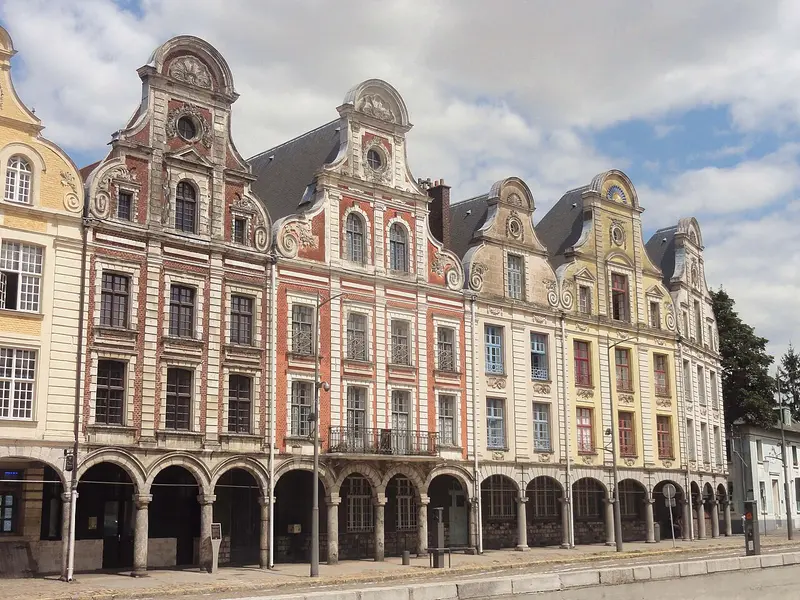
    Der Place des Héros bildet zusammen mit der angrenzenden Grand'Place das Herzstück von Arras und ist ein beeindruckendes Zeugnis flämisch-barocker Architektur. Umgeben von 155 giebelständigen Häusern, deren Fassaden nach der Zerstörung im Ersten Weltkrieg detailgetreu wiederaufgebaut wurden, strahlt der Platz eine einzigartige Atmosphäre aus. Hier findest du auch das prächtige Rathaus mit seinem imposanten Belfried, der seit 2005 zum UNESCO-Weltkulturerbe gehört. Die Arkaden unter den Häusern beherbergen zahlreiche Geschäfte und Cafés, die zum Verweilen einladen. Vom Belfried aus bietet sich dir ein hervorragender Panoramablick über die Stadt und die umliegende Region. Unser Tipp: Besuche den Platz an einem Mittwoch- oder Samstagmorgen, um den traditionellen Markt zu erleben. Für ein ungestörtes Foto der Architektur lohnt sich ein Besuch in den frühen Morgenstunden.
    Open in Google Maps

    2Carrière Wellington

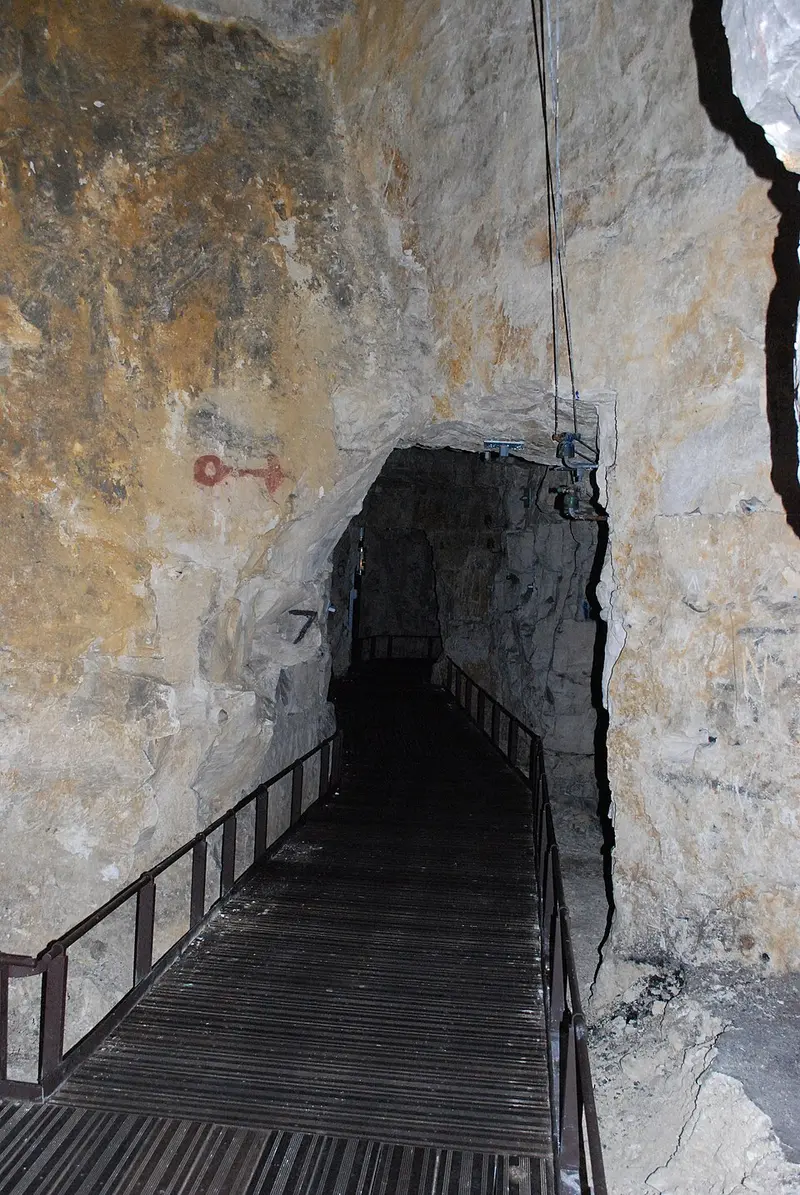
    Die Carrière Wellington in Arras ist ein tief unter der Stadt liegendes, ehemaliges Kreidebruchsystem, das im Ersten Weltkrieg eine entscheidende Rolle spielte. Hier, 20 Meter unter der Erde, bauten britische und neuseeländische Pioniere das weitläufige Netzwerk zu einer geheimen Untergrundstadt aus. Vor der Schlacht von Arras im April 1917 diente es als Versteck für rund 24.000 alliierte Soldaten, die von hier aus unbemerkt an die Front gebracht wurden. Du tauchst bei einem geführten Rundgang in diese beeindruckende Geschichte ein und erlebst die beengten Verhältnisse und die strategische Bedeutung dieses Ortes. Multimedia-Installationen und Originalartefakte vermitteln einen lebendigen Eindruck vom Alltag der Soldaten. Praktischer Tipp: Die Temperatur unter Tage liegt konstant bei etwa 11°C, zieh dich also warm an. Buche deine Tour unbedingt im Voraus, besonders in der Hochsaison, um Wartezeiten zu vermeiden.
    Open in Google Maps

    3Grand' Place

    Die Grand' Place in Arras ist ein beeindruckendes Beispiel flämischer Architektur und ein zentraler Punkt der Stadtgeschichte. Ursprünglich ein mittelalterlicher Marktplatz, zeugt sie heute von der wirtschaftlichen Blütezeit der Region. Nach der Zerstörung im Ersten Weltkrieg wurde der Platz detailgetreu im Stil der flämischen Barockarchitektur wiederaufgebaut. Du findest hier eine Vielzahl von Giebelhäusern, die sich harmonisch aneinanderreihen, viele davon mit den charakteristischen Arkadengängen im Erdgeschoss, die zum Flanieren und Verweilen einladen. Diese Arkaden bieten Schutz vor Wetter und beherbergen zahlreiche Geschäfte und Cafés. Der rechteckige Platz vermittelt ein Gefühl von historischer Kontinuität und architektonischer Einheit. Unser Tipp: Besuche die Grand' Place am frühen Vormittag, um die besondere Atmosphäre und die architektonischen Details ohne große Menschenmassen in Ruhe auf dich wirken zu lassen. Ein hervorragender Fotospot ist die Mitte des Platzes, um die Symmetrie der Fassaden einzufangen. Kombiniere den Besuch mit einem Abstecher zur angrenzenden Place des Héros, um das Rathaus und den Belfried zu sehen.
    Open in Google Maps

    4Belfried von Arras

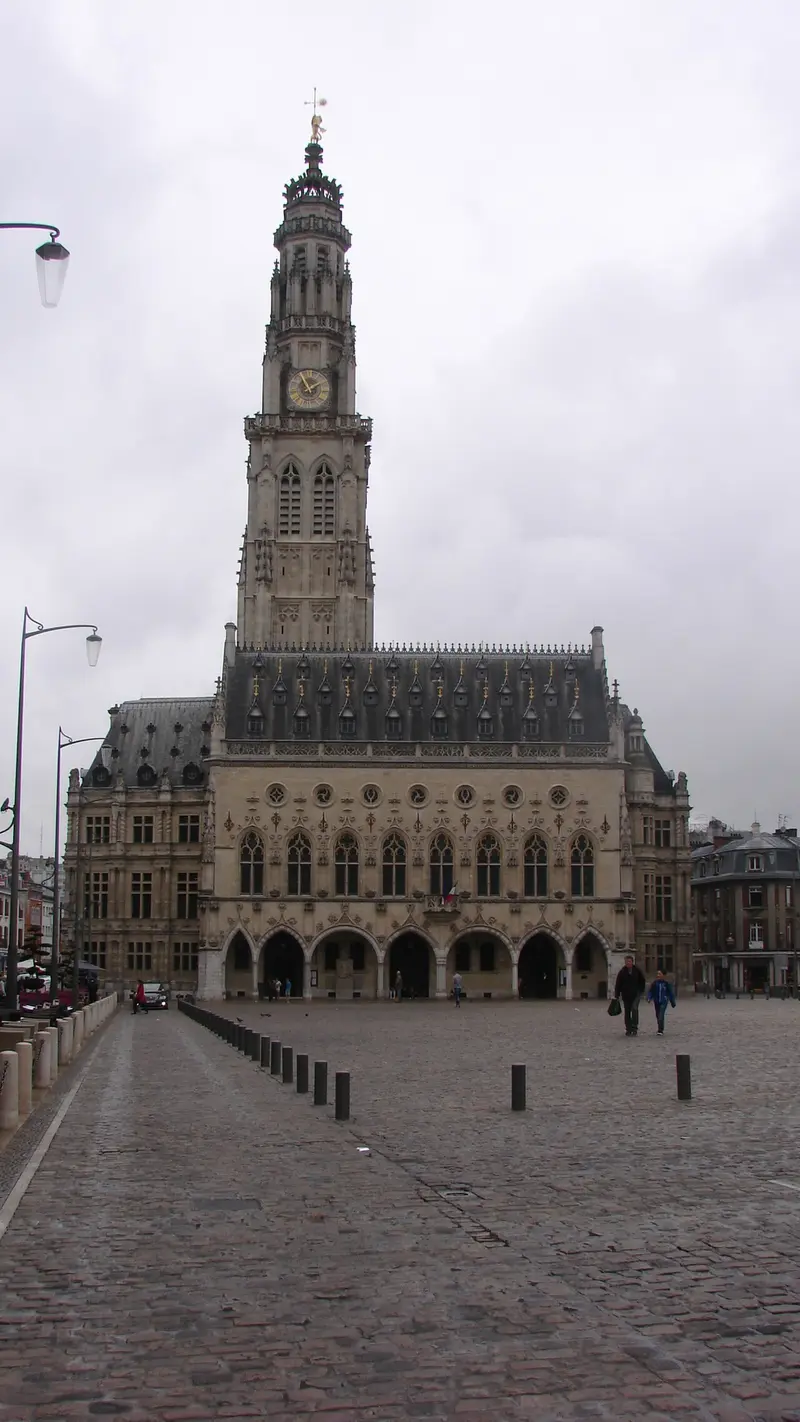
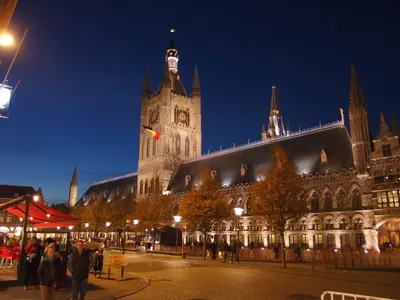
    The Belfry of Arras, an impressive Gothic structure, is a central landmark of the city and has been a UNESCO World Heritage site since 2005, as part of the Belfries of Belgium and France. It is directly connected to the historic Town Hall on the Place des Héros and, with its height, dominates the two main squares of Arras. Originally erected in the 15th century, the tower was meticulously rebuilt after its destruction in the First World War, preserving its original splendor and architectural integrity.When you ascend the Belfry, whether by stairs or elevator, a spectacular 360-degree view awaits you over the red rooftops of Arras, the sprawling squares, and the surrounding Artois landscape. You can admire the unique architecture of the gabled houses on the Grand'Place and Place des Héros from a bird's-eye perspective. For the best photos and to avoid the largest crowds, an early morning or late afternoon visit is recommended. Also, plan time to explore the adjacent Boves, the underground tunnels beneath the city, which can often be visited in combination with the Belfry and offer a fascinating insight into Arras's history.
    Open in Google Maps

    5Église Saint Jean-Baptiste

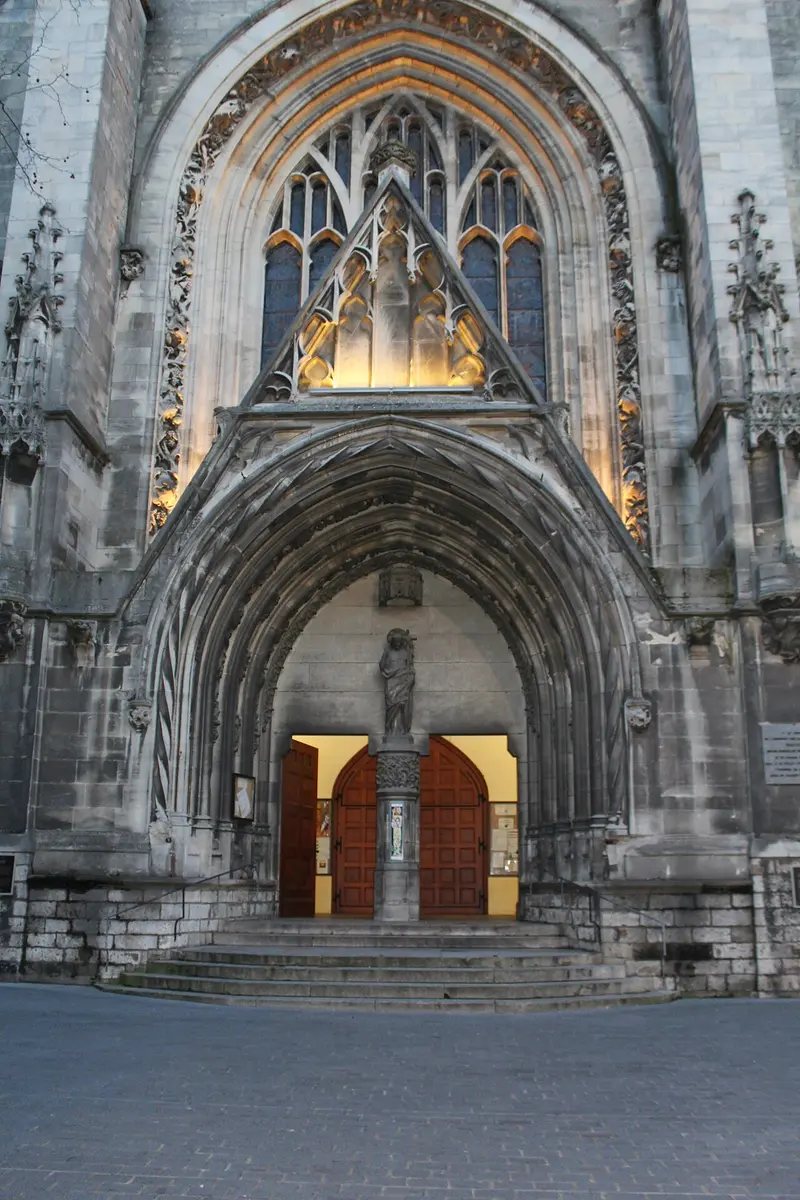
    Die Église Saint Jean-Baptiste in Arras ist ein markantes Beispiel für die Wiederaufbauarchitektur nach dem Ersten Weltkrieg. Ursprünglich eine mittelalterliche Kirche, wurde sie während der verheerenden Schlachten des Ersten Weltkriegs vollständig zerstört. Zwischen 1922 und 1930 erfolgte der Wiederaufbau im charakteristischen Stil des Neo-Romanik und Art Déco. Du erlebst hier eine einzigartige Synthese aus traditionellen Formen und den modernen, oft funktionalistischen Elementen der Zwischenkriegszeit. Die klaren Linien und die robusten Materialien spiegeln die Resilienz der Stadt wider. Das Innere ist schlicht, aber eindrucksvoll und zeugt von der spirituellen Erneuerung der Gemeinde nach dem Krieg. Unser Tipp: Besuche die Kirche am Vormittag, wenn das sanfte Licht durch die Fenster fällt und die architektonischen Details des Innenraums besonders gut zur Geltung bringt. Für eine ungestörte Besichtigung empfiehlt es sich, die Zeiten der Gottesdienste zu meiden.
    Open in Google Maps

    City walks in Arras

    Curated walking tours through the city's highlights — handpicked by experienced travel journalists.

    Arras: Spuren des Großen Krieges & Vaubans Festung

    Dieser Spaziergang führt Sie abseits der barocken Plätze in die jüngere Geschichte von Arras, geprägt durch die Schrecken des Ersten Weltkriegs und die beeindruckende Militärarchitektur Vaubans. Entdecken Sie unterirdische Gänge, die im Krieg eine entscheidende Rolle spielten, ehrenvolle Gedenkstätten und die imposante Zitadelle, ein UNESCO-Welterbe mit grünen Oasen.

    ~2 Std. 30 Min.
    In Google Maps öffnen
    Stopps (5)

    Dining & Drinks

    Arras: History, Architecture, and Traditions

    Arras, a city deeply rooted in history in the heart of Northern France, stands as an impressive testament to tumultuous European eras. Its origins trace back to Roman times, but it truly flourished in the Middle Ages as a significant center for trade and the production of the renowned Arras tapestries.The city's architectural identity was profoundly shaped by its affiliation with the Spanish Netherlands in the 17th century. The Grand'Place and the Petite Place showcase uniform gabled facades in the Flemish Baroque style. The Belfry of Arras, a UNESCO World Heritage site, is a magnificent symbol of civic freedom and past prosperity.A unique cultural feature is the „Boves“, an extensive network of underground chalk tunnels and cellars, utilized since the Middle Ages as storage and shelters. The city also bears the scars of World War I, which almost completely destroyed it and necessitated a meticulous reconstruction based on historical models, impressively highlighting its resilience.

    Getting around here

    Arras is a wonderfully compact city that is excellent for exploring on foot, especially the historic centre with its impressive squares. For longer distances or exploring the surrounding areas, efficient public transport is available. Cycling is also a popular and eco-friendly option for discovering the city and its green spaces.

    Accommodations in Arras

    Accommodations in Arras

    Find perfect stay in Arras

    Booking.com
    Search Hotels
    Agoda
    Search Hotels
    Airbnb
    Vacation Rentals
    Hotels.com
    Hotels Worldwide
    Hostelworld
    Hostels

    Campgrounds in Arras

    Find perfect campground in Arras

    Search via Google Maps
    Campgrounds nearby (15km)
    Camping.info
    Find Campgrounds
    Park4Night
    RV Parks & Camping

    Plan your trip to Arras

    Save places, build a route and plan your city trip — all in one place.

    Save places

    Bookmark sights, restaurants and neighborhoods you're interested in.

    Build your route

    Turn your bookmarks into a route — define order, days and budget.

    Refine with AI

    Let Mein Fernweh suggest experiences and put together a tailored daily plan.

    Start trip planningOpen bookmarks

    Locations nearby

    These places are nearby — perfect for additional days or a day trip.

    Hauts-de-France

    Hauts-de-France

    The Hauts-de-France region in northern France is a fascinating mix of rich history, impressive coastal landscapes, and vibrant cities. It is deeply shaped by its role in the First World War and its industrial heritage, but also offers charming architecture, culinary delights, and miles of sandy beaches, and is an important gateway to Europe.
    Lille

    Lille

    The dynamic capital of the Hauts-de-France region boasts Flemish architecture, vibrant squares and a rich cultural scene, making it a major hub in Northern France.
    Amiens

    Amiens

    Famous for its majestic Notre-Dame Cathedral, a UNESCO World Heritage site, and the picturesque floating gardens of Hortillonnages, Amiens is a city full of charm and history.
    Dunkerque (Dunkirk)

    Dunkerque (Dunkirk)

    Dunkerque, a significant port city on the northern French coast, is deeply connected to its maritime history and the events of the Second World War. The city is internationally renowned for "Operation Dynamo" in 1940, its history comprehensively documented at the Musée Dunkerque 1940 Opération Dynamo. You can visit the Port Museum to learn more about the port's development and seafaring, or climb the historic Leughenaer Tower, a former 15th-century lighthouse. The long sandy beach of Malo-les-Bains invites you for walks and offers a contrast to the industrial port area. Culturally, the lively Dunkerque Carnival shapes the city, an annual event of great importance to locals. To explore the history and coastal landscape at your leisure, a visit outside the main season in spring or autumn is recommended. For an authentic insight into the local cuisine, try the regional fish dishes in the harbor restaurants.
    Côte d'Opale (Opal Coast)

    Côte d'Opale (Opal Coast)

    The stunning Opale Coast stretches along the English Channel and enchants with dramatic chalk cliffs, wide sandy beaches, and charming coastal towns, perfect for hiking and relaxation.