Fernweh: Home
    ExploreTravel GuidesPlan a tripMy tripLast visited
    de|en
    All Places & RegionsAll highlightsAbout FernwehFAQPrivacy PolicyImprint
    ExploreTravel GuidesPlan a tripMy tripLast visited
    • Overview
    • Places in the region
    • Eat & drink
    • Food culture
    • Culture
    • Getting around
    • Nearby
    Hauts-de-France

    France

    Hauts-de-France

    Region

    The Hauts-de-France region in northern France combines Gothic cathedrals, Flemish-influenced cities, and long sandy beaches along the Opal Coast.

    by Felix Gillen

    1. Home
    2. Destinations
    3. France
    4. Hauts-de-France
    The Hauts-de-France region in northern France combines Gothic cathedrals, Flemish-influenced cities, and long sandy beaches along the Opal Coast. It is shaped by its role in both World Wars and its mining heritage, and is conveniently located between Paris, Brussels, and London.
    Hauts-de-France, im Norden Frankreichs gelegen, präsentiert sich als eine Region mit tiefgreifender Geschichte und abwechslungsreichen Landschaften. Du findest hier eine einzigartige Mischung aus flämisch geprägter Architektur in Städten wie Lille, dem dynamischen Kulturzentrum der Region. Die Opalküste lockt mit eindrucksvollen Kreidefelsen wie dem Cap Blanc-Nez und dem Cap Gris-Nez sowie weitläufigen Sandstränden. Das Erbe des Ersten Weltkriegs ist an den Gedenkstätten und Schlachtfeldern der Somme und um Arras allgegenwärtig und bietet wichtige Einblicke in die europäische Geschichte. Zudem prägt das industrielle Erbe, sichtbar im UNESCO-Welterbe der Bergbauregion Nord-Pas-de-Calais, das kulturelle Bild. Kulinarisch erwarten dich herzhafte Spezialitäten wie Maroilles-Käse und lokale Biere, die du in authentischen Brasserien genießen kannst. Für eine umfassende Erkundung der Küste und der historischen Stätten ist die Nebensaison im Frühjahr oder Herbst ideal, um Menschenmassen zu vermeiden.
    Amiens

    Place 1 of 4

    Amiens

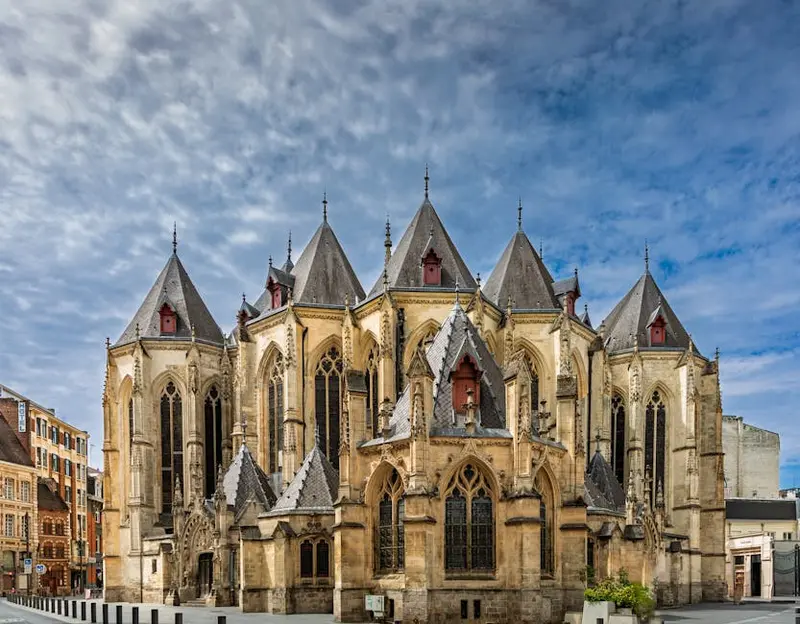
    Amiens, capital of Picardy on the Somme, is known for its waterways and its Gothic cathedral. The Cathédrale Notre-Dame is UNESCO World Heritage and, by volume, France's largest cathedral.

    Discover
    Arras

    Place 2 of 4

    Arras

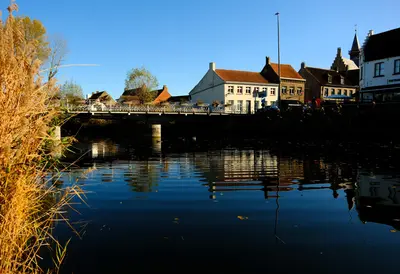
    Arras is known for its two squares lined with Flemish gable facades, the Grand'Place and the Petite Place, for the Belfry, a UNESCO World Heritage site, and for its close connection to the history of World War I.

    Discover
    Chantilly

    Place 3 of 4

    Chantilly

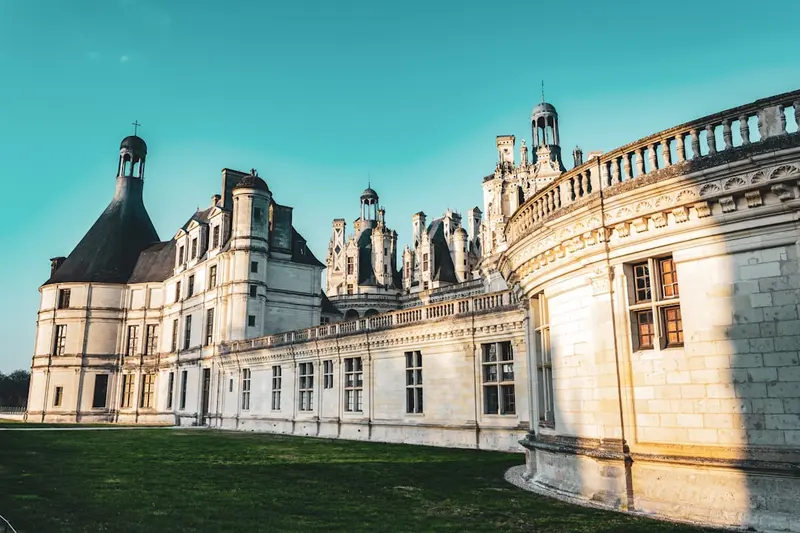
    Chantilly, approximately 40 kilometers north of Paris, is closely associated with its castle and equestrian tradition.

    Discover
    Côte d'Opale (Opal Coast)

    Place 4 of 4

    Côte d'Opale (Opal Coast)

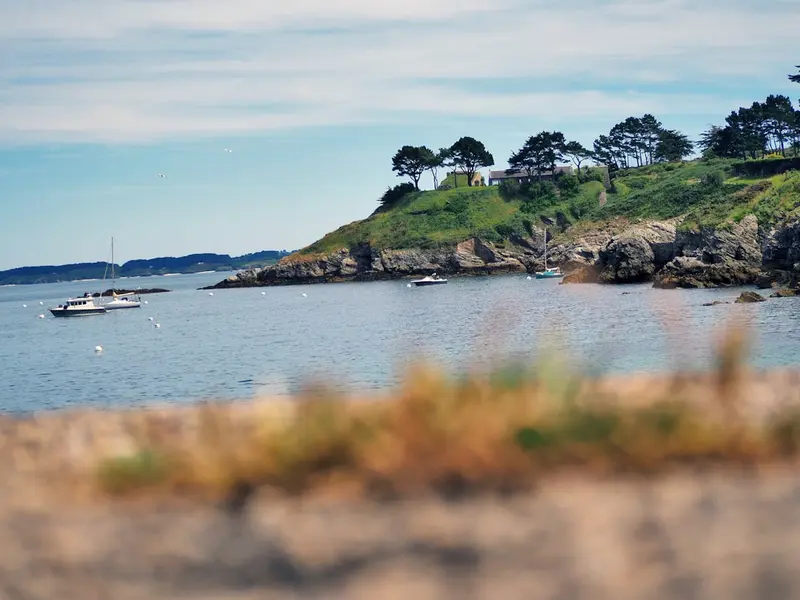
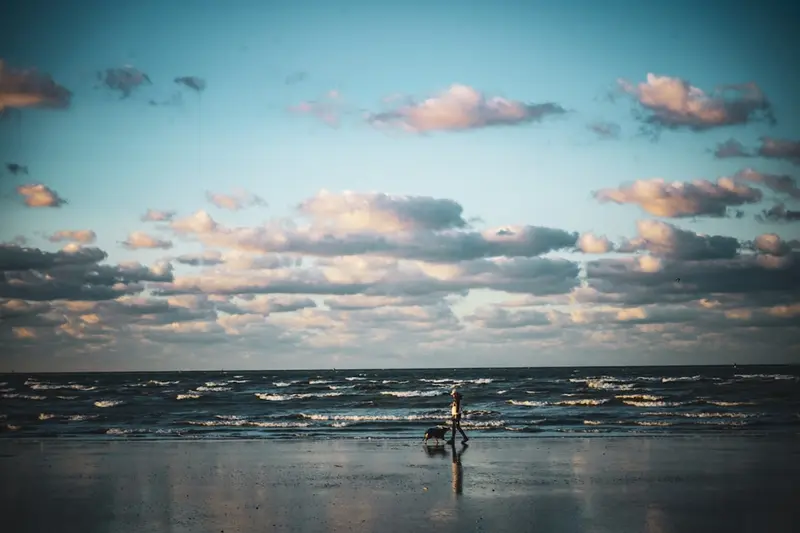
    The Opal Coast stretches some 120 kilometers along the English Channel, from the Belgian border to the Bay of Authie.

    Discover

    More places in Hauts-de-France

    Dunkerque (Dunkirk)

    Dunkerque (Dunkirk)

    Dunkerque, a significant port city on the northern French coast, is deeply connected to its maritime history and the events of the Second World War. The city is internationally renowned for "Operation Dynamo" in 1940, its history comprehensively documented at the Musée Dunkerque 1940 Opération Dynamo. You can visit the Port Museum to learn more about the port's development and seafaring, or climb the historic Leughenaer Tower, a former 15th-century lighthouse. The long sandy beach of Malo-les-Bains invites you for walks and offers a contrast to the industrial port area. Culturally, the lively Dunkerque Carnival shapes the city, an annual event of great importance to locals. To explore the history and coastal landscape at your leisure, a visit outside the main season in spring or autumn is recommended. For an authentic insight into the local cuisine, try the regional fish dishes in the harbor restaurants.
    Lille

    Lille

    The dynamic capital of the Hauts-de-France region boasts Flemish architecture, vibrant squares and a rich cultural scene, making it a major hub in Northern France.

    Sights in Hauts-de-France

    Discover the most important sights and attractions

    Le Sentier du Chimonobambusa

    Le Sentier du Chimonobambusa

    The Sentier du Chimonobambusa is a private Japanese garden in Hellemmes, a district in eastern Lille. Behind a residential building, the owner has created a garden of over 350 square meters, featuring koi ponds, terraces, bamboo, a Japanese cherry tree, and a small tea pavilion, with a total of around 320 Japanese plant species. Important: Visits are only possible by prior phone appointment.
    Open in Google Maps

    Laser Game Evolution Lille Solférino - Deux labyrinthes multiniveaux

    The Laser Game Evolution Lille Solférino offers you a modern and dynamic leisure activity in the heart of Hauts-de-France. Unlike traditional sights, an interactive experience awaits, demanding skill and strategic thinking. The center features two separate, multi-level labyrinths, creating an immersive atmosphere in a darkened environment with special light effects and fog. Equipped with a sensor vest and a laser phaser, your task is to hit your opponents' vests while protecting your own. This promotes teamwork and quick reactions in an exciting competition, ideal for groups or families. A practical tip: To avoid crowds and ensure an undisturbed gaming experience, ideally visit Laser Game Evolution during the week in the late afternoon or early evening. For optimal comfort during the game, wearing comfortable clothing and athletic shoes is recommended, as the activity can be physically demanding.
    Open in Google Maps
    Catholic Church of Saint-Étienne, Lille

    Catholic Church of Saint-Étienne, Lille

    The Church of Saint-Étienne in Lille was originally the chapel of the Jesuit College. After a fire in 1740, it was rebuilt from 1743 according to plans by Dominique Delesalle and consecrated in 1750. It received its current name in 1796, after the old parish church of Saint-Étienne on the Grand'Place had burned down during the Austrian siege of Lille in 1792. The facade features classical forms with Ionic columns on the lower and Corinthian on the upper floor; inside, a spacious, bright church interior awaits you. Our Tip: The church is less visited than other sights in the Old Town; in the morning, beautiful light streams through the windows.
    Open in Google Maps
    La Vieille Bourse

    La Vieille Bourse

    The Vieille Bourse in Lille, a masterpiece of Flemish Renaissance, was built from 1652 to 1653 according to plans by Julien Destrée. Originally conceived as a stock exchange, it reflects Lille's economic prosperity in the 17th century. It consists of 24 identical houses enclosing an inner courtyard. The facades are richly adorned with sculptures, garlands, and herms.Today, the inner courtyard is a popular meeting point. From Tuesday to Sunday, a second-hand book market is held here, where you'll also find chess players and, on summer evenings, tango dancers. Our Tip: Get good photos of the facades from Place du Général-de-Gaulle.
    Open in Google Maps

    Dining & Drinks

    Melting-Pot

    Restaurantkette für Fondueoptionen mit Käse, Schokolade und Brühe zum Dippen und Kochen.
    Show on Google Maps

    Le Lion Bossu

    Kreativ angerichtete französische Klassiker zu Burgunder- und Bordeauxweinen in stilvoll-rustikalem Restaurant.
    Show on Google Maps

    Estaminet Au Vieux De La Vieille

    Café in 2 Rue des Vieux Murs.
    Show on Google Maps

    Le Porthos

    Bar in 53 Rue de la Monnaie.
    Show on Google Maps

    IL RISTORANTE - Le restaurant Italien de Lille

    Bar in 51 Rue des Tanneurs.
    Show on Google Maps

    Dining & Drinks

    The North cooks Flemish: beer instead of wine, potatoes, endives, and hearty stews. On the coast, North Sea fish is added.

    Carbonade flamande

    Beef, slow-braised in dark beer with onions, gingerbread, and mustard. Served with fries, which are a craft in themselves here.

    Maroilles

    The robust red smear cheese from Thiérache carries a Protected Designation of Origin. It is eaten plain or baked into a Tarte au maroilles.

    Beer and Genever

    The region is one of France's most traditional beer regions and known for top-fermented bières de garde. Juniper spirit is distilled in Houlle and Wambrechies.

    Fish from Boulogne

    Boulogne-sur-Mer is France's most important fishing port. Smoked herring is the coast's classic specialty.

    Ficelle picarde and Gaufre

    The filled, gratinated pancake from Amiens and the vanilla cream-filled waffle from Lille are regional classics.

    The rich cultural heritage of Hauts-de-France

    The **Hauts-de-France** region was for centuries a border and transit land. Its location on important trade routes shaped its development from Roman times to the modern era, particularly through influences from Flanders and Burgundy.Architecturally, **Gothic cathedrals** define the region, including Amiens, France's largest Gothic church building and a UNESCO World Heritage site since 1981, as well as Beauvais with the world's highest Gothic choir, and Laon. They bear witness to the region's wealth and religious significance in the Middle Ages. In addition, numerous belfries, symbols of civic power and urban autonomy, are a UNESCO World Heritage site alongside those in Belgium.The cultural heritage is also marked by the World Wars, their traces visible in memorials and museums such as those along the **Somme**. Local traditions include the Carnival of Dunkerque with its Flemish roots and lace-making in Calais and Caudry. The region thus offers a multifaceted landscape from medieval splendor to the scars of the 20th century.

    Exploring the area

    By TrainLille is an hour from Paris, 35 minutes from Brussels, and a good hour and a half from London. Amiens, Arras, and Dunkerque are connected by regional or high-speed trains, making the region one of the best-connected in France.To the CoastThe Côte d'Opale, stretching between Calais and Le Touquet, is accessible by train via Boulogne-sur-Mer and Calais, but the cliffs and dunes in between can only be reached by car or bike. The GR 120 coastal path runs between the capes.Memorial SitesThe battlefields and cemeteries of the First World War are scattered across the region, particularly around Arras, Albert, and the Somme. Without a car, guided half-day tours from Arras or Albert are the most practical solution.

    Nearby

    Lille

    Lille

    The dynamic capital of the Hauts-de-France region boasts Flemish architecture, vibrant squares and a rich cultural scene, making it a major hub in Northern France.
    Tournai

    Tournai

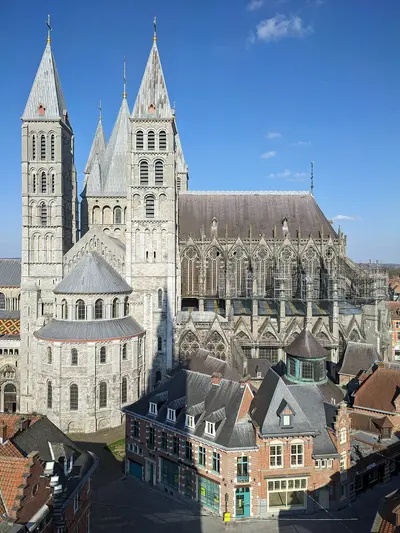
    Tournai on the Scheldt, about 85 kilometers southwest of Brussels near the French border, is one of Belgium's oldest cities. Its cathedral with five towers and the belfry, considered the country's oldest, are both UNESCO World Heritage sites.Today you'll discover a peaceful bishop's city with a triangular Grand-Place, an art museum designed by Victor Horta, and the medieval Pont des Trous over the Scheldt.
    Ypres

    Ypres

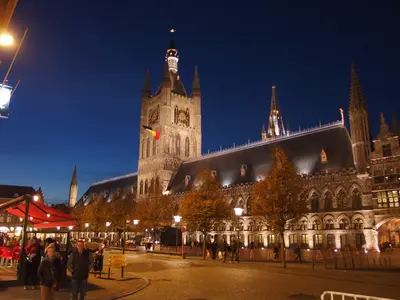
    Ypres (Ieper) in West Flanders, near the French border, is Belgium's central place of remembrance for the First World War. Every evening at 8 PM, the Last Post sounds under the Menin Gate for the fallen of the Commonwealth armies, and war cemeteries like Tyne Cot lie around the city.The old town with its Cloth Halls and Cathedral was almost completely destroyed in the war and then faithfully rebuilt. Those staying for a day combine the In Flanders Fields Museum, a walk on the Vauban ramparts, and the evening ceremony.
    West Flanders

    West Flanders

    West Flanders is Belgium's coastal province, situated between the North Sea and the French border, about an hour's drive west of Brussels. Here, medieval trading cities, vast polders, and the battlefields of the First World War lie close together.Beyond Bruges, Ypres, and Ostend, the hinterland is well worth exploring: the old port town of Damme on the canal, the white village of Lissewege, the hop fields around Poperinge, and the Sint-Sixtus Trappist Abbey. Along the Yser, memorials and military cemeteries commemorate the front from 1914 to 1918.
    Arras

    Arras

    Arras is known for its two squares lined with Flemish gable facades, the Grand'Place and the Petite Place, for the Belfry, a UNESCO World Heritage site, and for its close connection to the history of World War I.

    Sources & method

    • Photos: Unsplash, Pexels. Each photo carries its credit.
    • The content is based on web research from public, traceable sources. How the content is made · The role of AI