Fernweh
    ExploreTravel GuidesMy Trips
    de|en
    About FernwehImprintFAQPrivacy Policy
    ExploreTravel GuidesMy Trips
    Dunkerque (Dunkirk)

    Dunkerque (Dunkirk)

    CityCulture
    1. Home
    2. Destinations
    3. France
    4. Hauts-de-France
    5. Dunkerque (Dunkirk)
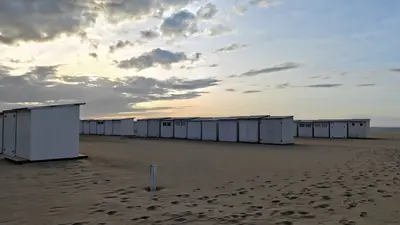
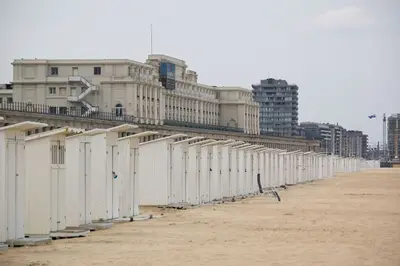
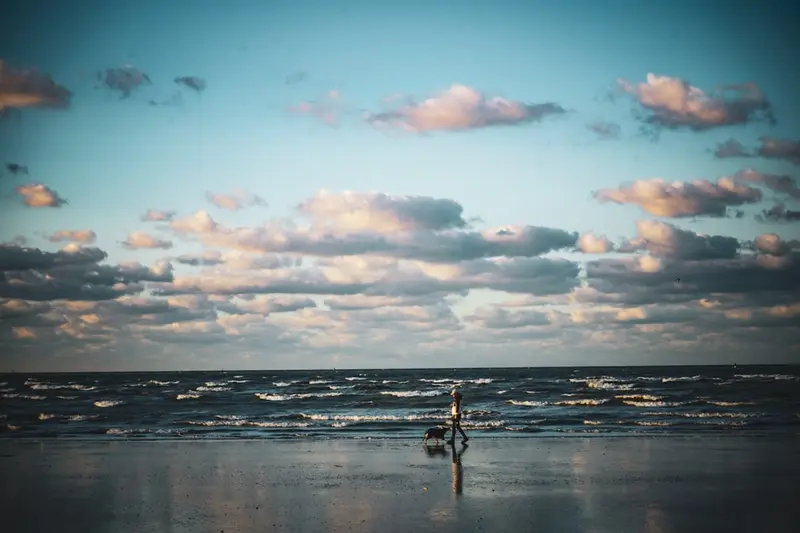
    Dunkerque, a significant port city on the northern French coast, is deeply connected to its maritime history and the events of the Second World War. The city is internationally renowned for "Operation Dynamo" in 1940, its history comprehensively documented at the Musée Dunkerque 1940 Opération Dynamo. You can visit the Port Museum to learn more about the port's development and seafaring, or climb the historic Leughenaer Tower, a former 15th-century lighthouse. The long sandy beach of Malo-les-Bains invites you for walks and offers a contrast to the industrial port area. Culturally, the lively Dunkerque Carnival shapes the city, an annual event of great importance to locals. To explore the history and coastal landscape at your leisure, a visit outside the main season in spring or autumn is recommended. For an authentic insight into the local cuisine, try the regional fish dishes in the harbor restaurants.
    • Neighborhoods & highlights
    • Walking tours
    • Eat & drink
    • Culture
    • Getting around
    • Accommodation
    • Plan trip
    • Nearby
    • Neighborhoods & highlights
    • Walking tours
    • Eat & drink
    • Culture
    • Getting around
    • Accommodation
    • Plan trip
    • Nearby

    Overview

    Dunkerque, a significant port city on the northern French coast, is deeply connected to its maritime history and the events of World War II. The city is internationally renowned for "Operation Dynamo" in 1940, its history extensively documented at the Musée Dunkerque 1940 Opération Dynamo. You can visit the Port Museum to learn more about the port's development and seafaring, or climb the historic Leughenaer Tower, a former 15th-century lighthouse. The long sandy beach of Malo-les-Bains invites you for walks and offers a contrast to the industrial port area. Culturally, the lively Dunkerque Carnival shapes the city, an annual event of great importance to the locals. To explore the history and coastal landscape at your leisure, a visit outside the main season in spring or autumn is recommended. For an authentic insight into the local cuisine, try the regional fish dishes in the portside restaurants.

    Places in Dunkerque (Dunkirk)

    Discover the most important sights and attractions

    Sights in Dunkerque (Dunkirk)

    History Game Dunkerque

    The History Game Dunkerque lets you dive into the key days of Operation Dynamo, May 1940. Experience the dramatic Allied troop evacuation from Dunkirk from a new, interactive angle. It's not a museum, but an immersive experience with puzzles and tasks that bring historical significance to life. Learn the challenges and vital role of civilian ships rescuing over 300,000 soldiers. This format offers deep insight into the human dimension of this military operation. Our Tip: Book ahead, especially weekends or high season, to avoid waits. Combine with a visit to the Musée Dunkerque 1940 to deepen knowledge of this historical episode.
    Open in Google Maps

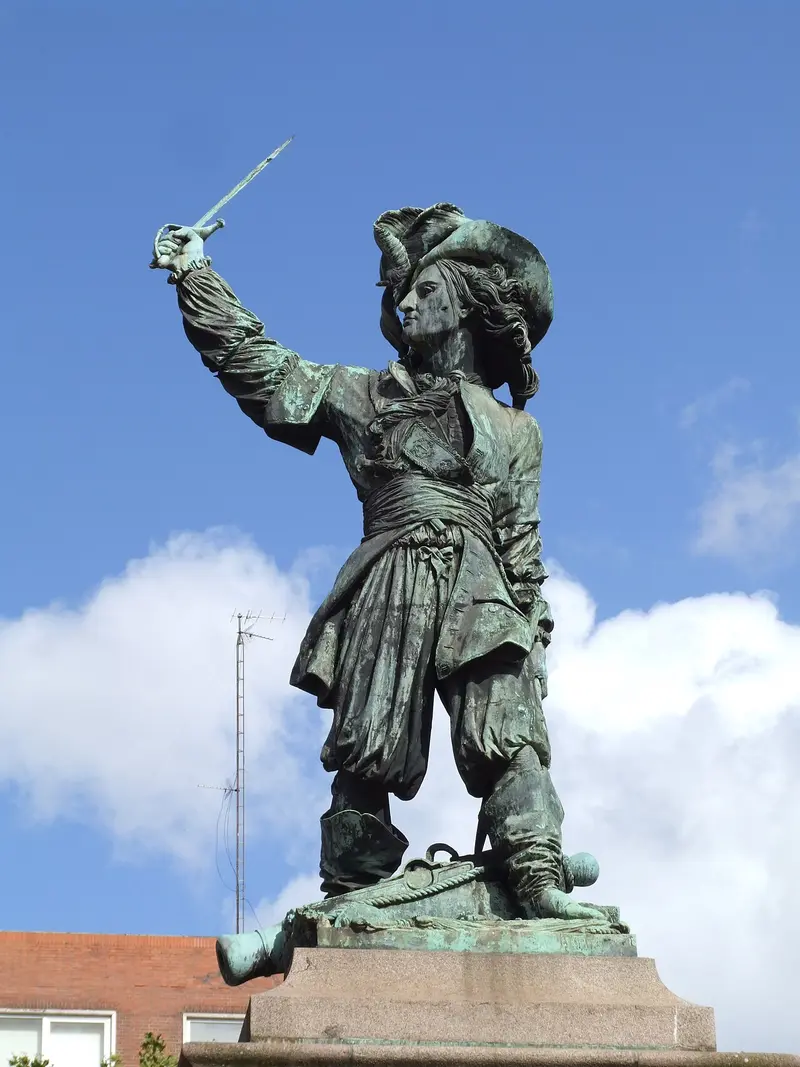
    Statue of Jean Bart

    The Statue of Jean Bart in Dunkirk honors one of France's most famous privateers and naval heroes. Jean Bart (1650-1702) was a corsair from Dunkirk who served Louis XIV in the 17th century and became renowned for his daring victories against the Dutch and English fleets. The imposing bronze statue, created by David d'Angers and unveiled in 1845, dominates the central Place Jean Bart. You'll see Bart in a heroic pose, his gaze fixed resolutely into the distance, symbolizing his unwavering connection to the sea. The statue's pedestal is adorned with reliefs depicting scenes from his life and military triumphs, offering insight into his significance for French maritime history. A practical tip: Visit the statue in the early morning to experience the square's special atmosphere without large crowds and to take advantage of the soft light for impressive photos. The square itself is a vibrant meeting point, offering you the opportunity to observe local life.
    Open in Google Maps

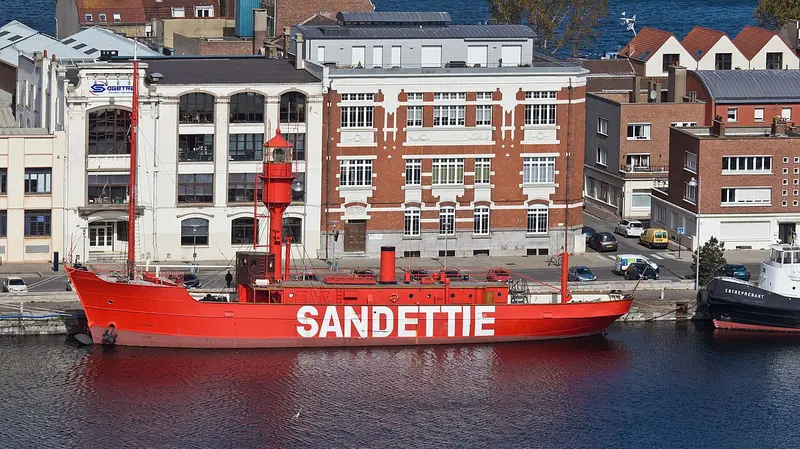
    Sandettié

    The Sandettié Lightship in Dunkerque is a significant maritime monument and the last of its kind in France. From 1937 to 1989, it served as a vital navigation aid on the perilous Sandettié Bank in the North Sea, warning ships of treacherous shallows. Today, it's moored in Dunkerque's harbour and forms part of the Musée Portuaire, offering an authentic glimpse into the crew's life and work at sea. You can explore the cramped quarters, engine rooms, and the bridge, vividly reflecting the harsh conditions experienced on the open sea. The ship's technical equipment and the stories of the sailors who served here are truly fascinating. Our Tip: Visit the ship in the morning to avoid peak crowds and better absorb its tranquil onboard atmosphere. For a striking perspective of the ship and the harbour, we recommend a stroll along the Quai de la Citadelle.
    Open in Google Maps

    Museum Dunkerque 1940 Operation Dynamo

    The Museum Dunkerque 1940 Operation Dynamo, located in historic Bastion 32, the former Allied headquarters, commemorates the evacuation of over 338,000 soldiers in May/June 1940. This Operation Dynamo was a turning point of World War II, symbolizing resistance and solidarity.The exhibitions showcase authentic uniforms, weapons, maps, and personal belongings. Multimedia presentations and eyewitness accounts illuminate the course of the battle and the dramatic evacuation, presented factually.Our Tip: Visit the museum in the morning to avoid crowds. Prior research into the Battle of Dunkirk will deepen your understanding of this poignant episode.
    Open in Google Maps

    Belfried von Dünkirchen

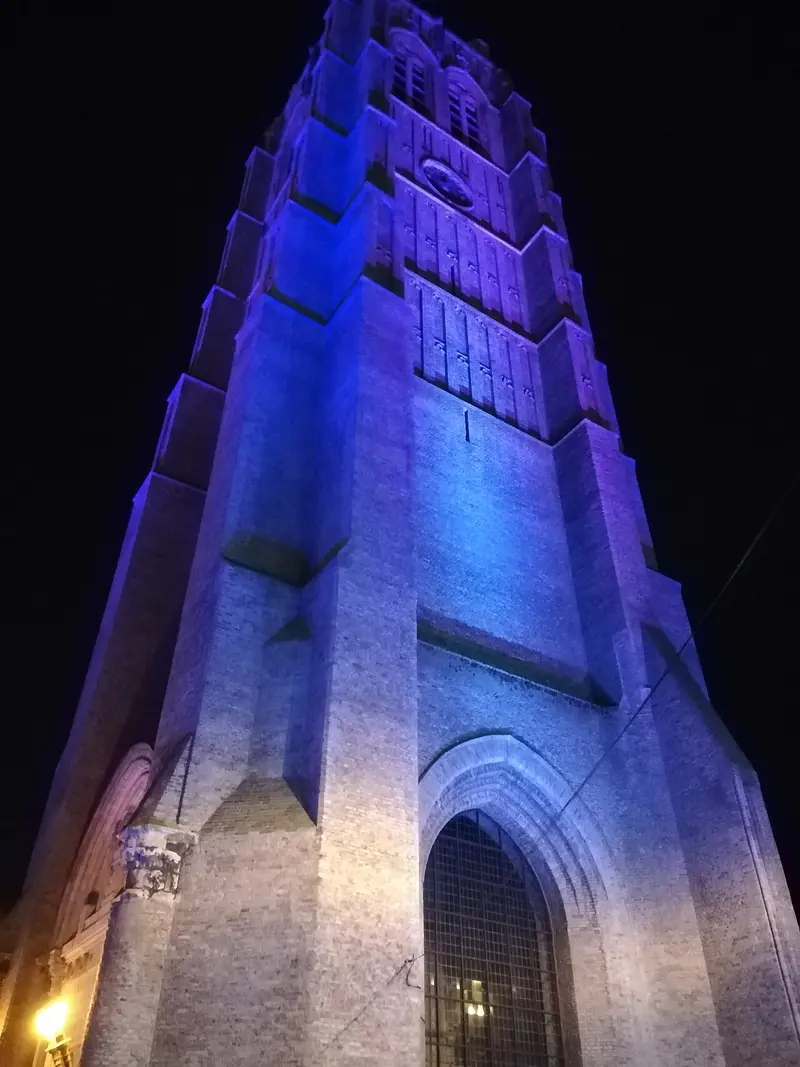
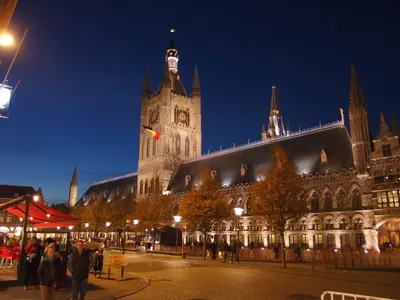
    The Belfry of Dunkirk, a UNESCO World Heritage site since 2005, is a central landmark of the city. Originally built in the 15th century as the bell tower for Saint-Éloi Church, it was later separated, symbolizing civil liberty. Its Flemish-Gothic architecture bears witness to a turbulent history, marked by reconstruction. After ascending (by lift/stairs), you can enjoy a 360-degree view over Dunkirk, its port, and the coast. Inside the tower, there is a carillon with 48 bells. Our Tip: Visit in the late morning for good light and fewer crowds. The square in front of Saint-Éloi Church offers the best exterior view.
    Open in Google Maps

    City walks in Dunkerque (Dunkirk)

    Curated walking tours through the city's highlights — handpicked by experienced travel journalists.

    Dünkirchen: Historie, Hafen und Strandflair

    Erleben Sie Dünkirchen auf einem zweistündigen Spaziergang, der Sie von der historischen Innenstadt über den geschäftigen Hafen bis zum weitläufigen Strand von Malo-les-Bains führt. Tauchen Sie ein in die maritime Geschichte, gedenken Sie der Ereignisse von 1940 und genießen Sie die frische Meeresbrise an der Küste. Eine perfekte Mischung aus Kultur, Geschichte und Küstenlandschaft.

    In Google Maps öffnen
    Stopps (6)

    Dining & Drinks

    Dunkirk's Cultural-Historic Legacy

    The history of Dunkerque is inextricably linked to its strategic location on the North Sea coast. Originally a fishing village, the city developed into a significant port and for centuries was a coveted prize for various powers such as Spain, England, and France. This turbulent past not only shaped its defenses but also its maritime identity, which is revered to this day through figures like the privateer captain Jean Bart.Dunkerque's architecture is a reflection of its wartime past and subsequent reconstruction. While World War II destroyed large parts of the city, today the Belfry of Saint-Éloi, a UNESCO World Heritage site, and some preserved buildings testify to the original architectural substance. Alongside these, modern post-war architecture and functionalist port structures characterize the cityscape, reflecting the rebuilding efforts after 1945.Culturally, Dunkerque is primarily known for its lively and unique Carnival, which is considered an intangible cultural heritage of France and is deeply rooted in the local identity. This tradition, spanning several weeks, reflects the special cohesion and humor of the Dunkerquois and is a highlight of the annual cultural calendar. Maritime customs and fishing culture also shape the region's heritage.

    Getting around town

    In Dunkerque, getting around is especially convenient and eco-friendly, thanks to a free public bus network. The city is also perfect for exploring on foot or by bike, allowing you to relax and soak up its maritime atmosphere and historic sites. For longer distances or excursions into the surrounding area, a rental car is also a good option.

    Accommodations in Dunkerque (Dunkirk)

    Accommodations in Dunkerque (Dunkirk)

    Find perfect stay in Dunkerque (Dunkirk)

    Booking.com
    Search Hotels
    Agoda
    Search Hotels
    Airbnb
    Vacation Rentals
    Hotels.com
    Hotels Worldwide
    Hostelworld
    Hostels

    Campgrounds in Dunkerque (Dunkirk)

    Find perfect campground in Dunkerque (Dunkirk)

    Search via Google Maps
    Campgrounds nearby (15km)
    Camping.info
    Find Campgrounds
    Park4Night
    RV Parks & Camping

    Plan your trip to Dunkerque (Dunkirk)

    Save places, build a route and plan your city trip — all in one place.

    Save places

    Bookmark sights, restaurants and neighborhoods you're interested in.

    Build your route

    Turn your bookmarks into a route — define order, days and budget.

    Refine with AI

    Let Mein Fernweh suggest experiences and put together a tailored daily plan.

    Start trip planningOpen bookmarks

    Locations nearby

    These places are nearby — perfect for additional days or a day trip.

    Côte d'Opale (Opal Coast)

    Côte d'Opale (Opal Coast)

    The stunning Opale Coast stretches along the English Channel and enchants with dramatic chalk cliffs, wide sandy beaches, and charming coastal towns, perfect for hiking and relaxation.
    Hauts-de-France

    Hauts-de-France

    The Hauts-de-France region in northern France is a fascinating mix of rich history, impressive coastal landscapes, and vibrant cities. It is deeply shaped by its role in the First World War and its industrial heritage, but also offers charming architecture, culinary delights, and miles of sandy beaches, and is an important gateway to Europe.
    Lille

    Lille

    The dynamic capital of the Hauts-de-France region boasts Flemish architecture, vibrant squares and a rich cultural scene, making it a major hub in Northern France.
    Arras

    Arras

    The city of Arras impresses with its magnificent Flemish gable facades on two UNESCO-protected squares, the Grand'Place and the Petite Place, as well as a deep connection to the history of World War I.
    Amiens

    Amiens

    Famous for its majestic Notre-Dame Cathedral, a UNESCO World Heritage site, and the picturesque floating gardens of Hortillonnages, Amiens is a city full of charm and history.