ExploreTravel GuidesPlan a trip
    de|en
    All Places & RegionsAbout FernwehFAQPrivacy PolicyImprint
    ExploreTravel GuidesPlan a trip
    • Places in the region
    • Nearby
    West Flanders

    Belgium

    West Flanders

    Region

    Belgium's westernmost province stretches from the North Sea to the French border. Inland lie medieval Bruges, whose Old Town is a UNESCO World Heritage site, and Ypres with its cemeteries and memorials from the Western Front of World War I.
    1. Home
    2. Destinations
    3. Belgium
    4. West Flanders
    Belgium's westernmost province stretches from the North Sea to the French border. Inland lie medieval Bruges, whose Old Town is a UNESCO World Heritage site, and Ypres with its cemeteries and memorials from the Western Front of World War I.
    Bruges

    Place 1 of 2

    Bruges

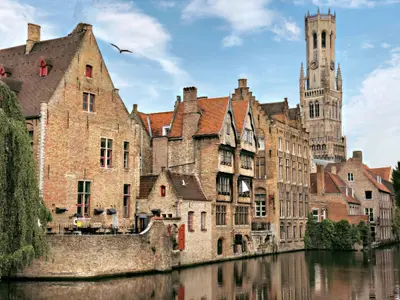
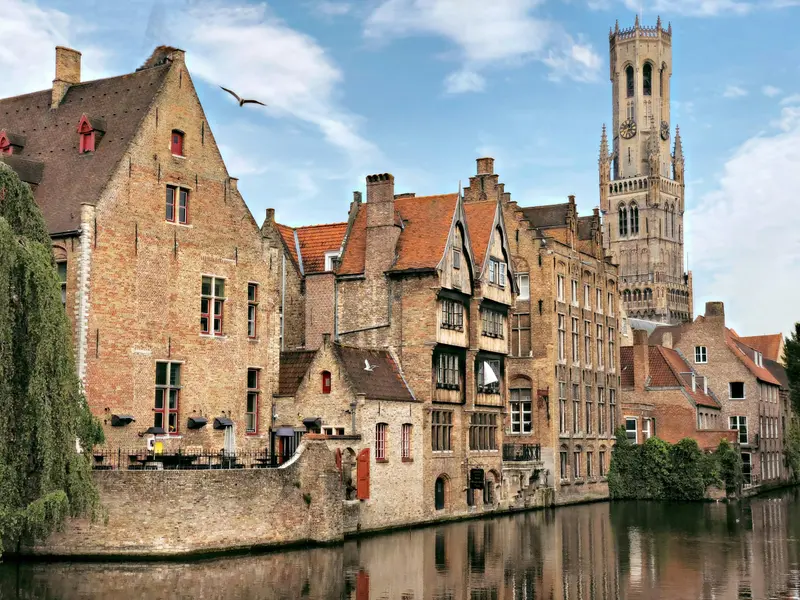
    Bruges, in West Flanders and an hour by train from Brussels, has largely preserved its medieval core of canals, brick gables, and church spires.

    Bruges, with almost 120,000 inhabitants, is West Flanders' largest city, but its historic core within the canal ring is easily explored on foot. The Markt, with its 83-meter-high Belfry, forms the center, and just a few steps away lies Burgplatz with the Basilica of the Holy Blood.

    Discover
    Ypres
    Mark Ahsmann / Wikimedia Commons / CC BY-SA 4.0

    Place 2 of 2

    Ypres

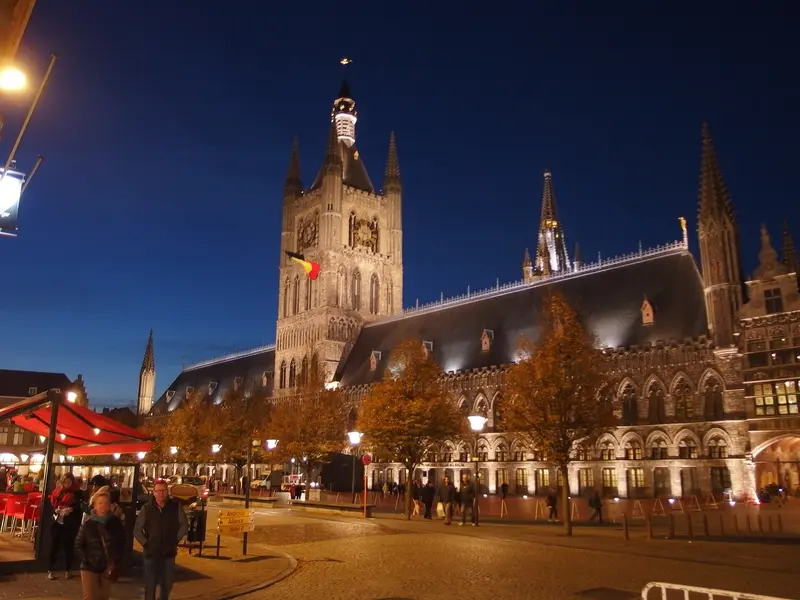
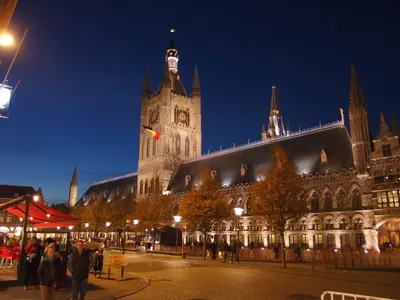
    Ypres (Ieper) in West Flanders, near the French border, is Belgium's central place of remembrance for the First World War.

    Ypres is a small town of around 35,000 inhabitants, whose centre you can easily explore on foot. The heart of the town is the Grote Markt, with the mighty 13th-century Cloth Hall, which today houses the In Flanders Fields Museum; behind it rises the Sint-Maartenskathedraal.

    Discover

    Nearby

    Ypres

    Ypres

    Ypres (Ieper) in West Flanders, near the French border, is Belgium's central place of remembrance for the First World War. Every evening at 8 PM, the Last Post sounds under the Menin Gate for the fallen of the Commonwealth armies, and war cemeteries like Tyne Cot lie around the city.The old town with its Cloth Halls and Cathedral was almost completely destroyed in the war and then faithfully rebuilt. Those staying for a day combine the In Flanders Fields Museum, a walk on the Vauban ramparts, and the evening ceremony.

    Belgian Coast

    The Belgian North Sea coast stretches from De Panne on the French border to Knokke-Heist on the Dutch border. The Kusttram connects all coastal resorts along approximately 67 kilometers, interspersed with wide sandy beaches, dunes, and seaside resorts like Ostend.

    Ostend

    Ostend is the largest city on the Belgian coast and is reachable from Brussels by train in about 80 minutes. Wide sandy beaches, a long promenade, fishing boats in the harbour, and the legacy of painter James Ensor make the city so appealing.In the 19th century, the Belgian royal family spent their summers here, as evidenced by the Royal Galleries and the casino on the beach. Today, you can eat North Sea shrimp at the fish market, visit the Mercator training ship, and ride the Coastal Tram to nearby towns.
    Bruges

    Bruges

    Bruges, in West Flanders and an hour by train from Brussels, has largely preserved its medieval core of canals, brick gables, and church spires. Its Old Town, a UNESCO World Heritage site since 2000, showcases how one of Northern Europe's richest 15th-century trading cities appeared.Behind the famous Markt and Burg squares, museums hold works by Flemish Masters like Jan van Eyck and Hans Memling. Evenings, once day-trippers depart, the canals, Beguinage, and old beer pubs revert to locals.
    Hauts-de-France

    Hauts-de-France

    The Hauts-de-France region in northern France combines Gothic cathedrals, Flemish-influenced cities, and long sandy beaches along the Opal Coast. It is shaped by its role in both World Wars and its mining heritage, and is conveniently located between Paris, Brussels, and London.