France
Côte d'Opale (Opal Coast)
Point of Interest
The Opal Coast stretches some 120 kilometers along the English Channel, from the Belgian border to the Bay of Authie.
by Felix Gillen
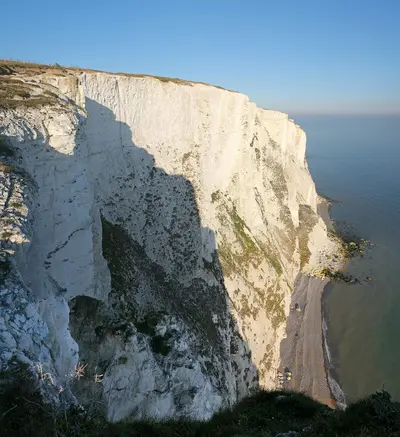
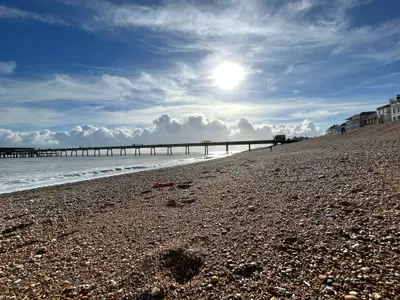
The Opal Coast stretches some 120 kilometers along the English Channel, from the Belgian border to the Bay of Authie. Steep cliffs at Cap Blanc-Nez and Cap Gris-Nez, wide sandy beaches, dunes, and seaside resorts like Wimereux and Le Touquet invite visitors to hike and swim.
Points of Interest
Discover the most important sights and attractions
Banc de sable Lezzamis
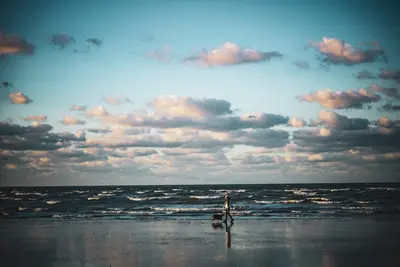
Between Cap Gris-Nez and Wissant, the low tide reveals vast sandbanks. The Banc de sable Lezzamis is one of these stretches where, at low tide, you can walk far out across the sand and watch seabirds foraging. Important: Check the tides beforehand; the tide comes in quickly on this coast. The light over the sand is most beautiful in the early morning and evening.
Lighthouse Cap Gris-Nez
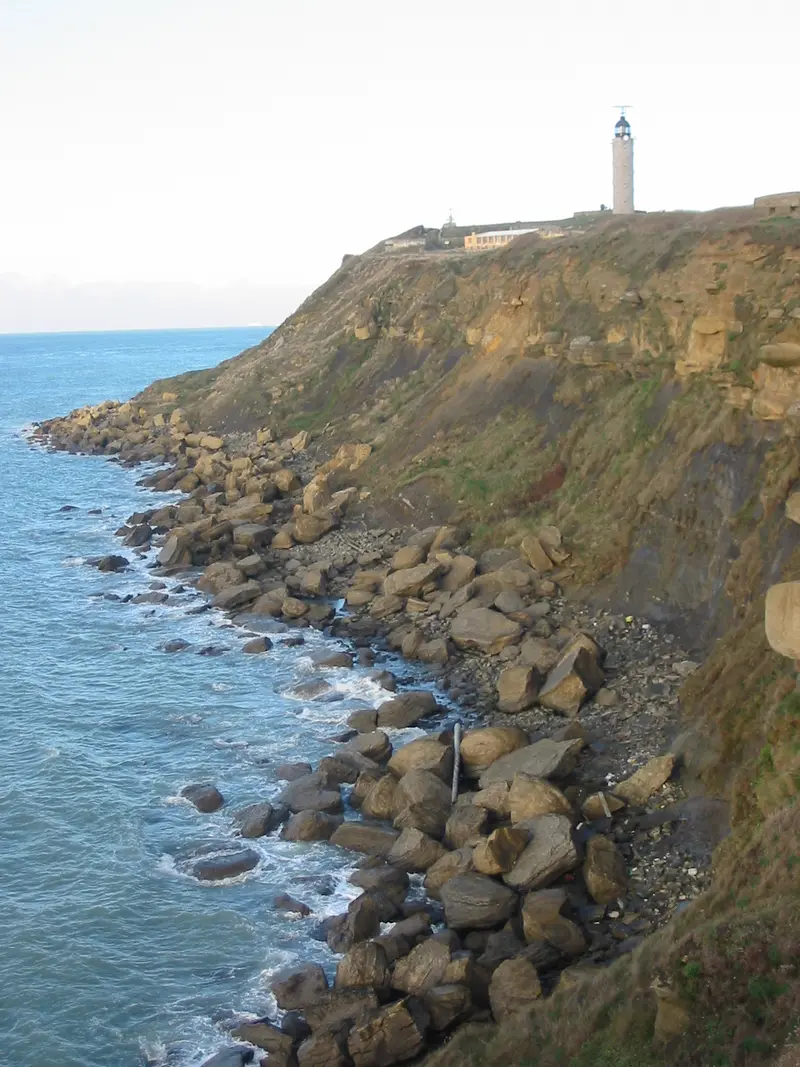
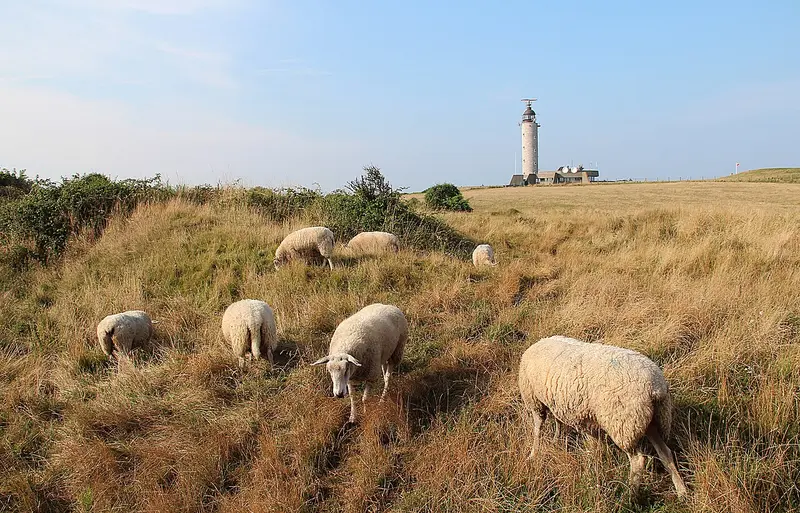
At Cap Gris-Nez, at the narrowest point of the English Channel, stands a lighthouse that safeguards the heavy shipping traffic on one of the world's busiest sea routes. Its predecessor was destroyed in 1944 during World War II, and the current tower dates from the 1950s. On clear days, you can see the white cliffs of the English coast, which lie approximately 30 kilometres away.Around the cape, you'll find remains of bunkers from the Atlantic Wall; a coastal hiking trail leads over the cliffs towards Wissant and Audresselles. Our tip: In the late afternoon, the light over the Channel is particularly beautiful; the car park is busiest around midday.
Les Berniques
Les Berniques is a stretch of coast between Cap Gris-Nez and Wissant. The name refers to the limpets that sit here on the rocks of the intertidal zone. At low tide, you can discover algae, mussels, and crabs among the rocks and tide pools. Our tip: Come at low tide, check the tides beforehand, and wear non-slip footwear. Leave animals and plants in their place.
Dining & Drinks
Beschaulicher Ferienhof mit rustikalen Ferienhäusern sowie Reitmöglichkeiten, bewirtschaftetem Bauernhof und Gratis-Parkplätzen.
Fisch- und Meeresfrüchteklassiker in einem familiengeführten Restaurant von 1967 mit Panoramablick auf das Meer.
Dining & Drinks
The coast thrives on fishing. Boulogne-sur-Mer is France's most important fishing port, and this defines the entire region's character.
Fish from Boulogne
Sole, cod, and herring come ashore daily. At Quai Gambetta, fishing families sell directly from their stand.
Smoked herring
Smoked herring is the classic specialty of this coast. It is offered as craquelot or kipper.
Moules-frites
Mussels and fries are on offer at every beach place. The season runs roughly from July into winter.
Beer and Genever from the North
Hinterland breweries produce bières de garde, and juniper brandy is also distilled locally.
Culture and History of the Côte d'Opale
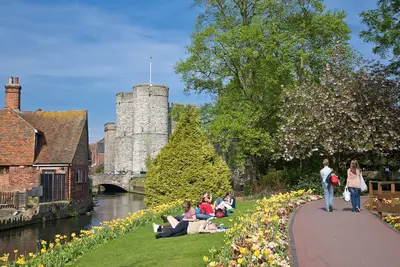
The Côte d'Opale is a region with a deeply rooted and multifaceted history, shaped by its strategic location at the narrowest point of the English Channel. The Romans already left their mark here; later, the area became the scene of changing influences from Flemish, English, and French powers, which was reflected in the architecture and local traditions.Significant epochs, such as the Napoleonic era, when Boulogne-sur-Mer served as an invasion port, and the two World Wars, which left deep marks of destruction and reconstruction, shaped the cultural identity of the coast. Architecturally impressive, alongside historical fortifications like the Citadel of Montreuil-sur-Mer, are the elegant Belle-Époque villas in places such as Le Touquet-Paris-Plage and Wimereux, testaments to the heyday of seaside resort tourism.Cultural distinctives include a strong maritime character, reflected in the local cuisine, traditional fishing villages, and maritime festivals. The linguistic diversity, with Picardian and Flemish influences in some areas, is further testament to the turbulent history and cultural crossroads of this unique French coastal region.
Getting around locally
As an expansive coastal region, the Côte d'Opale naturally lacks an urban metro or tram network. Public transport primarily relies on regional bus lines connecting larger towns and municipalities such as Calais, Boulogne-sur-Mer, and Le Touquet. It's advisable to check timetables of local bus operators (e.g., Marinéo in Boulogne-sur-Mer) in advance via their websites or apps and consider multi-journey tickets to save money.For active travellers, bicycles are an excellent choice, with numerous well-maintained coastal cycle paths, including sections of the Vélomaritime, inviting picturesque tours; rental stations are available in most holiday resorts. E-scooters can occasionally be found in larger city centres. Taxis are available in towns but can be costly for longer distances, and ride-sharing services are less common. Many charming coastal towns are perfectly explored on foot, especially their beach promenades and historic centres, making walks a delightful experience. For maximum flexibility and to reach secluded beaches and villages, a rental car is the most recommended option.
Accommodations in Côte d'Opale (Opal Coast)
Find perfect stay in Côte d'Opale (Opal Coast)
Booking.com* (Affiliate link)
Search Hotels
Agoda* (Affiliate link)
Search Hotels
Airbnb
Vacation Rentals
* Affiliate link: if you book through it, we earn a small commission. The price stays the same for you.
Campgrounds in Côte d'Opale (Opal Coast)
Find perfect campground in Côte d'Opale (Opal Coast)