Fernweh
    ExploreTravel GuidesMy Trips
    de|en
    All Places & RegionsAbout FernwehImprintFAQPrivacy Policy
    ExploreTravel GuidesMy Trips
    Rye & Camber Sands

    Rye & Camber Sands

    City
    1. Home
    2. Destinations
    3. Great Britain
    4. South East England
    5. Rye & Camber Sands
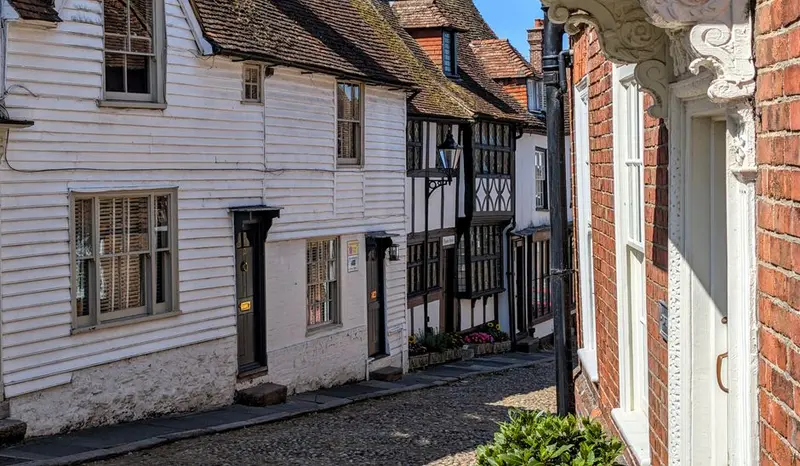
    Rye is located in eastern East Sussex on a sandstone hill that was once a peninsula in the sea. As an ancient town, it was part of the Cinque Ports confederation and thrived on fishing, trade, and smuggling. Then the bay silted up, the coast receded, and Rye was left approximately three kilometers inland. This economic insignificance preserved its medieval layout.What remains today is a dense network of cobblestone lanes, half-timbered houses, and Georgian brick facades. Mermaid Street, with its crooked gables, is the most famous. From the tower of St Mary's Church, you can overlook the rooftops and the flat marshland of Romney Marsh.A few kilometers to the southeast begins Camber Sands, the only extensive dune beach in East Sussex. At low tide, the sand stretches out for several hundred meters. Together with the neighboring town of Winchelsea, a 13th-century planned settlement, this area offers excellent opportunities for exploring on foot over one or two days.
    • Neighborhoods & highlights
    • Eat & drink
    • Accommodation
    • Plan trip
    • Nearby
    • Neighborhoods & highlights
    • Eat & drink
    • Accommodation
    • Plan trip
    • Nearby

    Places in Rye & Camber Sands

    Discover the most important sights and attractions

    Sights in Rye & Camber Sands

    1Mermaid Street

    Mermaid Street ascends steeply from the old harbour area up to the town centre and is Rye's most famous lane. Its cobblestones are rough and uneven, and the timber-framed houses on either side predominantly date from the 15th and 16th centuries, visibly leaning.Some houses bear names on signs instead of numbers, including The House with Two Front Doors and The House Opposite. At the top end stands the Mermaid Inn, whose cellars date back to the 12th century and which was known in the 18th century as a meeting place for the Hawkhurst smuggling gang. Sturdy footwear is advisable on the pavement.
    Open in Google Maps

    2Ypres Tower

    The Ypres Tower, dating from the 13th century, is Rye's oldest surviving building and originally stood as part of the town's fortifications overlooking the coastline of the time. After the siltation, it lost its military function and served for centuries as a prison, later as a mortuary.Today, the tower houses part of the Rye Museum. The cells are preserved, along with exhibits on town history, fishing, and local pottery. From the terrace in front, you look out over Romney Marsh and the mouth of the Rother. Immediately next door is the Gun Garden, with cannons commemorating the French attacks on the town.
    Open in Google Maps

    3St Mary's Church, Rye

    St Mary's Church stands on the highest point of the old town and has been in use for around 900 years. Its tower clock is considered one of England's oldest church clocks still running with its original mechanism; the pendulum swings visibly inside the tower, and above it, two gilded figures, the Quarter Boys, strike the quarter hours.Via a series of narrow ladders and stairs, you reach the tower platform. From there, the rooftops of Rye, the River Rother, Romney Marsh, and on a clear day, the sea lie before you. The ascent is narrow and low, uncomfortable for taller persons.
    Open in Google Maps
    Camber Sands

    4Camber Sands

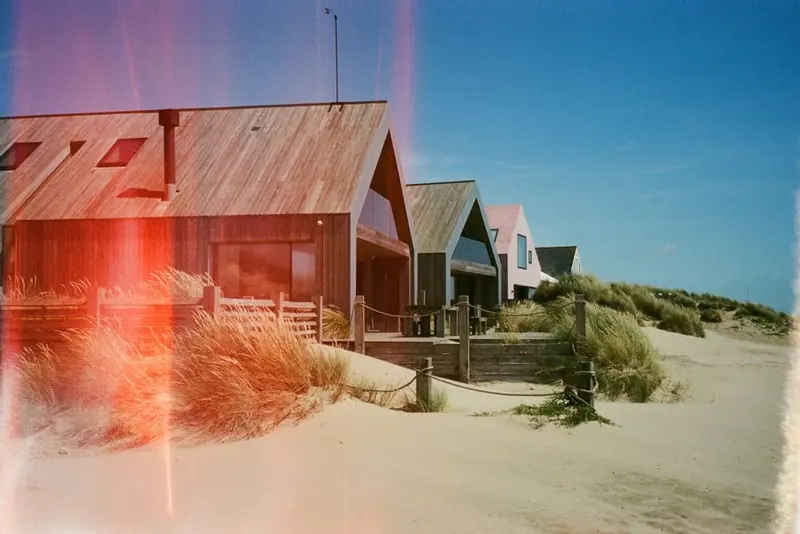
    Camber Sands is the only extensive dune beach in East Sussex. The sandy stretch extends for about seven kilometres eastwards to the mouth of the Rother, behind which lies a dune belt designated as a nature reserve, supporting sea buckthorn, sea holly, and ground-nesting birds.At low tide, the water recedes several hundred metres, revealing a hard, wide sandy expanse where land yachts and kite buggies are active. However, precisely these tidal conditions make bathing risky: Deep channels and strong currents quickly form between the sandbanks. The beach has repeatedly served as a film set for desert and coastal scenes.
    Open in Google Maps

    5Winchelsea

    Winchelsea, three kilometres southwest of Rye, is a planned town: After old Winchelsea was lost to the sea in the 13th-century storms, Edward I had the town rebuilt on a hill from 1283 onwards, with a rectilinear street plan and vaulted wine cellars beneath the houses.The town never reached its intended size, which is why the grid remains sparsely built today, with meadows lying between the street blocks. The church St Thomas the Martyr consists only of the chancel; the nave was never completed or was destroyed. Also preserved are three town gates and the Greyfriars ruin. The writer Ford Madox Ford and Spike Milligan lived here.
    Open in Google Maps

    Restaurants in Rye & Camber Sands

    Accommodations in Rye & Camber Sands

    Accommodations in Rye & Camber Sands

    Find perfect stay in Rye & Camber Sands

    Booking.com
    Search Hotels
    Agoda
    Search Hotels
    Airbnb
    Vacation Rentals
    Hotels.com
    Hotels Worldwide
    Hostelworld
    Hostels

    Campgrounds in Rye & Camber Sands

    Find perfect campground in Rye & Camber Sands

    Search via Google Maps
    Campgrounds nearby (15km)
    Camping.info
    Find Campgrounds
    Park4Night
    RV Parks & Camping

    Plan your trip to Rye & Camber Sands

    Save places, build a route and plan your city trip — all in one place.

    Save places

    Bookmark sights, restaurants and neighborhoods you're interested in.

    Build your route

    Turn your bookmarks into a route — define order, days and budget.

    Refine with AI

    Let Mein Fernweh suggest experiences and put together a tailored daily plan.

    Start trip planningOpen bookmarks

    Locations nearby

    These places are nearby — perfect for additional days or a day trip.

    Brighton

    Brighton

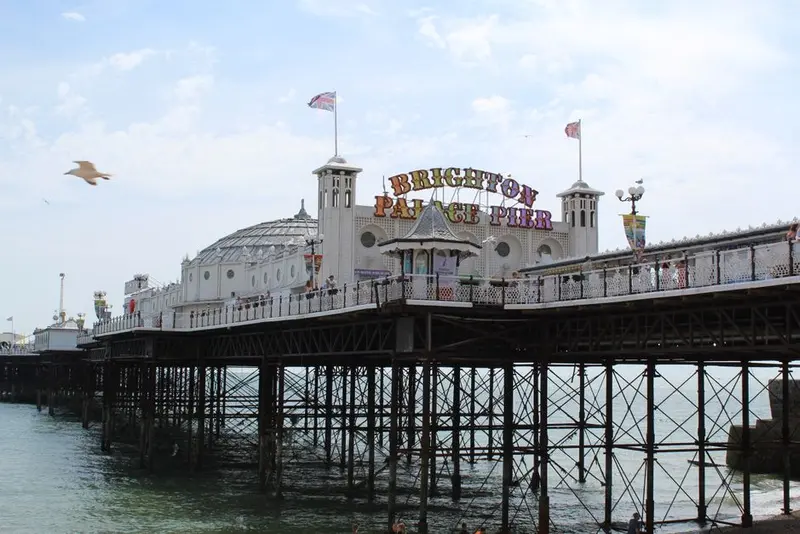
    Brighton, on England's south coast, is a dynamic city that combines royal history with a distinct alternative culture. Here you'll find a unique blend of Victorian charm and bohemian flair. A highlight is the Royal Pavilion, an exotic palace in Indian-Islamic style, built in the early 19th century for King George IV, a testament to the Regency era. Directly on the coast stretches the historic Brighton Palace Pier, an iconic landmark offering entertainment and dining. Stroll through the winding alleys of The Lanes with their independent boutiques and antique shops, or discover vintage stores and art galleries in the adjacent North Laine district. To authentically experience Brighton's vibrant life, ideally visit the city in spring or autumn, when crowds are smaller.
    Côte d'Opale (Opal Coast)

    Côte d'Opale (Opal Coast)

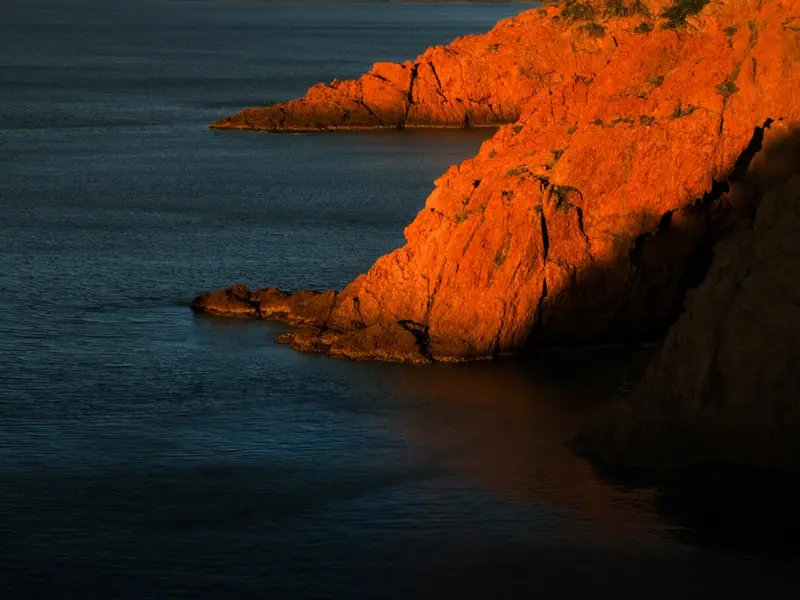
    The stunning Opale Coast stretches along the English Channel and enchants with dramatic chalk cliffs, wide sandy beaches, and charming coastal towns, perfect for hiking and relaxation.
    East End

    East End

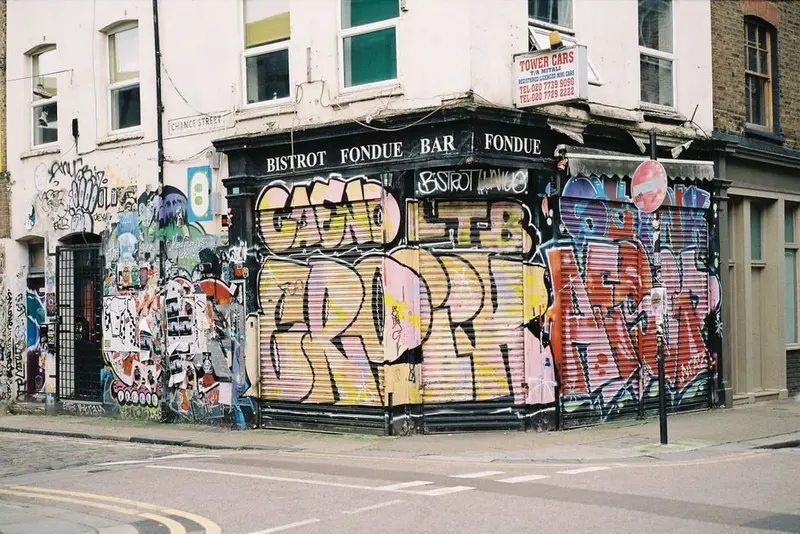
    Das East End von London ist ein historisch gewachsenes Viertel, das sich durch seine dynamische Mischung aus Tradition und Moderne auszeichnet. Einst Zentrum der Arbeiterklasse und Einwanderung, beherbergt es heute eine lebendige Kunstszene und zahlreiche kreative Unternehmen. Du findest hier ikonische Orte wie die Brick Lane, bekannt für ihre Curryhäuser, Vintage-Märkte und beeindruckende Street Art, besonders am Sonntag. Das historische Spitalfields Market und das trendige Shoreditch bieten eine Fülle von Boutiquen, Galerien und Restaurants. Die Gegend um Whitechapel erzählt von ihrer bewegten Geschichte, oft verbunden mit den Jack the Ripper Touren. Für ein authentisches Erlebnis empfiehlt sich ein Besuch des Columbia Road Flower Market am Sonntagmorgen. Plane genügend Zeit ein, um die verborgenen Gassen und die vielfältige Kulinarik abseits der Hauptstraßen zu erkunden.
    The City of London

    The City of London

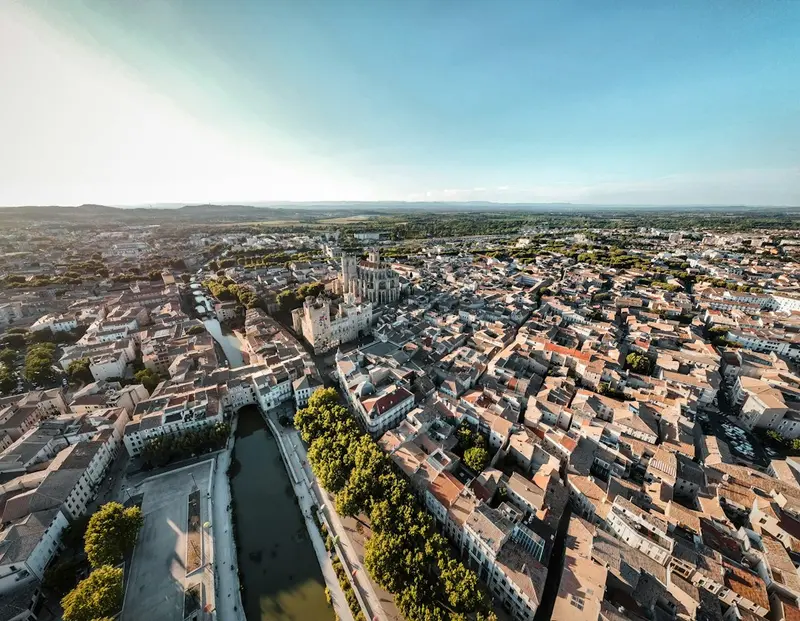
    The City of London, the original Roman settlement, forms the historical and financial heart of the British capital. Here you'll experience a unique contrast of centuries-old history and modern architecture that shapes the skyline. Must-see attractions include the impressive St. Paul's Cathedral, the historic Tower of London, and the Monument to the Great Fire of London. Explore the Victorian charm of Leadenhall Market or the imposing buildings of the financial district, such as the Bank of England. While the City buzzes with the financial world's hustle and bustle during the week, it offers remarkable tranquility on weekends, ideal for relaxed strolls through historic lanes.
    South Bank

    South Bank

    London's South Bank is a vibrant cultural and entertainment district stretching along the River Thames, from Westminster Bridge to Tower Bridge. Here, you'll discover an impressive concentration of leading art and cultural institutions, including the Tate Modern, Shakespeare's Globe Theatre, and the Southbank Centre. Once known for its entertainment venues beyond the city walls, the area has transformed into a modern hub, with the former Bankside Power Station now housing the Tate Modern. A stroll along the riverside promenade offers not only views of the London Eye and St. Paul's Cathedral but also takes you through lively street performer zones. Visit Borough Market for culinary discoveries, just a short walk away, offering a wide array of international specialties. In the evening, numerous restaurants and bars invite you to enjoy the illuminated skyline; for the London Eye, it's best to plan your visit outside peak travel times.