Fernweh
    ExploreTravel GuidesMy Trips
    de|en
    All Places & RegionsAbout FernwehImprintFAQPrivacy Policy
    ExploreTravel GuidesMy Trips
    South East England

    South East England

    Region
    1. Home
    2. Destinations
    3. Great Britain
    4. South East England
    Welcome to Southeast England, a region that will captivate you with its exceptional diversity and rich history. From the dramatic chalk cliffs of the coast to the rolling hills of the National Parks – here you'll discover a perfect blend of nature, culture, and charming towns.Explore historic cathedrals, royal palaces, and picturesque villages that make this area an unforgettable travel destination.
    • Overview
    • Places in the region
    • Eat & drink
    • Food culture
    • Culture
    • Getting around
    • Excursions
    • Accommodation
    • Nearby
    • Overview
    • Places in the region
    • Eat & drink
    • Food culture
    • Culture
    • Getting around
    • Excursions
    • Accommodation
    • Nearby
    Südostengland bietet eine reiche Mischung aus historischer Tiefe, beeindruckender Natur und lebendiger Kultur. Entlang der Küste prägen die ikonischen Kreidefelsen, wie die White Cliffs of Dover und die Seven Sisters, das Landschaftsbild, während das Inland von den sanften Hügeln der South Downs durchzogen ist. Historische Städte wie Canterbury mit seiner berühmten Kathedrale und Oxford mit seiner altehrwürdigen Universität zeugen von einer langen Geschichte. Königliche Residenzen wie Windsor Castle und prächtige Gärten wie Sissinghurst Castle Garden sind weitere Höhepunkte der Region. Die Gegend ist zudem bekannt für ihre malerischen Dörfer, traditionellen Pubs und eine ausgeprägte kulinarische Szene, die von lokalen Produkten profitiert. Für Wanderungen entlang der Küste oder in den Nationalparks eignen sich Frühling und Herbst besonders gut, da das Wetter milder und die Besucherzahlen geringer sind.

    Places in South East England

    Brighton

    Brighton

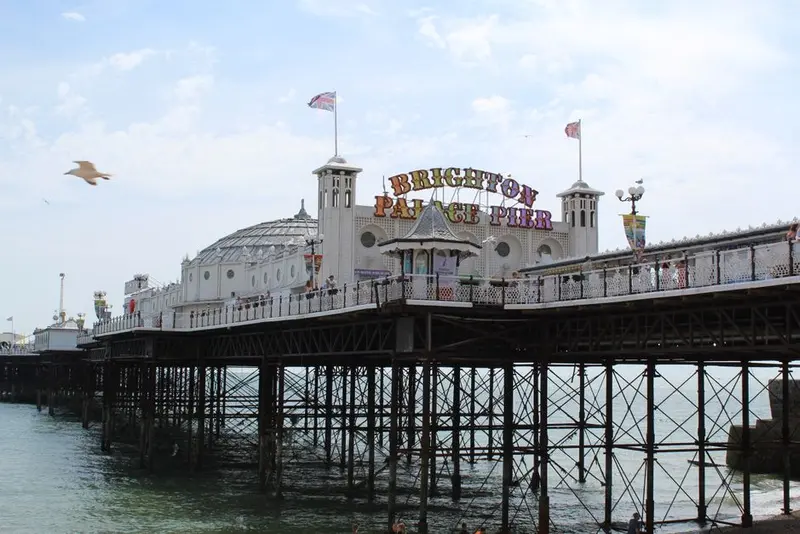
    Brighton, on England's south coast, is a dynamic city that combines royal history with a distinct alternative culture. Here you'll find a unique blend of Victorian charm and bohemian flair. A highlight is the Royal Pavilion, an exotic palace in Indian-Islamic style, built in the early 19th century for King George IV, a testament to the Regency era. Directly on the coast stretches the historic Brighton Palace Pier, an iconic landmark offering entertainment and dining. Stroll through the winding alleys of The Lanes with their independent boutiques and antique shops, or discover vintage stores and art galleries in the adjacent North Laine district. To authentically experience Brighton's vibrant life, ideally visit the city in spring or autumn, when crowds are smaller.
    Isle of Wight

    Isle of Wight

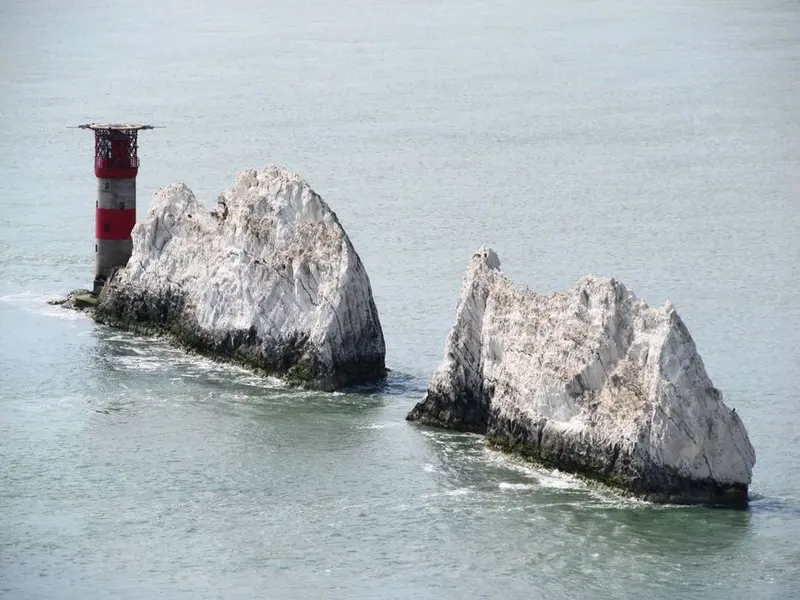
    Entdecke die charmante Insel mit ihren malerischen Stränden, farbenfrohen Felsformationen und historischen Seebädern, ideal für eine Auszeit.
    Oxford

    Oxford

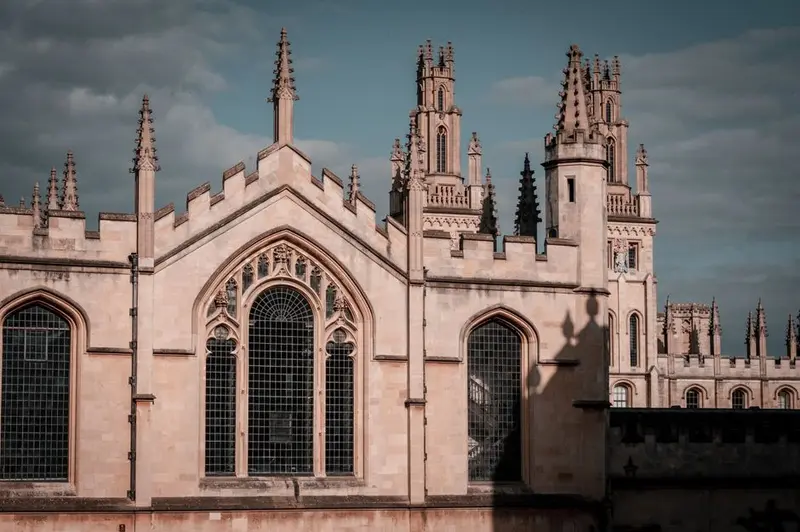
    Oxford, the "City of Dreaming Spires", is world-renowned for its prestigious university and impressive architecture. Here you'll find a unique blend of centuries-old tradition and vibrant student life. Among its most prominent sights are the venerable colleges like Christ Church and Magdalen College, the Bodleian Library and the iconic Radcliffe Camera. The Ashmolean Museum offers a rich collection of art and archaeology, while the historic Covered Market showcases local specialities and crafts. The city, home to the oldest university in the English-speaking world, breathes history through its cobblestone streets. To authentically experience the academic atmosphere, a visit outside of term time is recommended, when student numbers are lower. A stroll through the college gardens or a relaxed punting tour on the River Cherwell will complete the experience and offer you new perspectives on the city.
    South Downs Nationalpark

    South Downs Nationalpark

    The South Downs National Park in Southern England spans rolling chalk hills, ancient forests, and dramatic coastlines. Here you'll find a unique landscape, shaped by the famous white cliffs of the Seven Sisters and the imposing Beachy Head. Historic market towns like Lewes and Arundel invite you to linger with their castles and alleys, reflecting the region's rich history. The National Park is also home to the 160-kilometer long-distance trail, the South Downs Way, which leads you through idyllic villages and across vast grasslands. Culturally significant are also the prehistoric archaeological sites and traditional pastoral farming. For hikers and nature enthusiasts, spring and autumn are ideal times to visit, to experience the diverse flora and fauna and avoid the crowds.
    Rye & Camber Sands

    Rye & Camber Sands

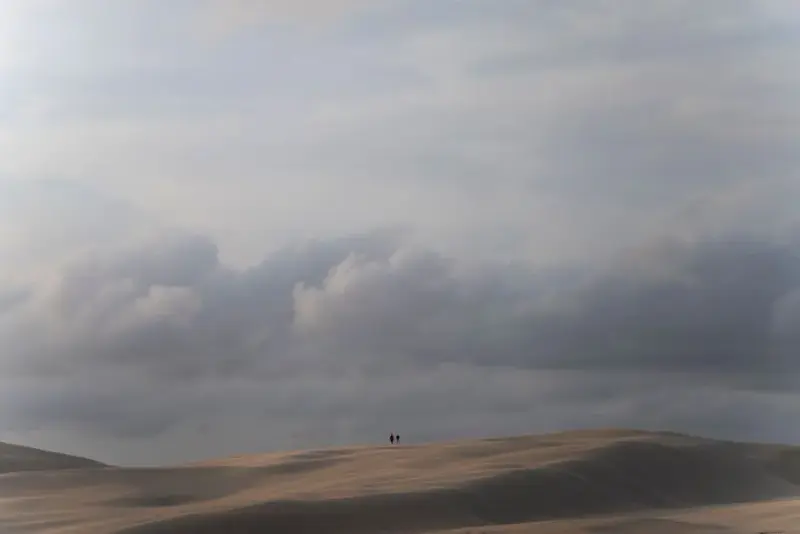
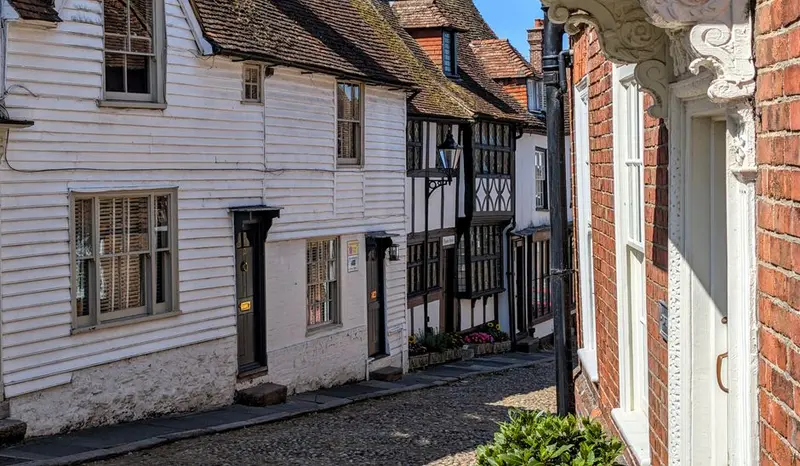
    Rye is located in eastern East Sussex on a sandstone hill that was once a peninsula in the sea. As an ancient town, it was part of the Cinque Ports confederation and thrived on fishing, trade, and smuggling. Then the bay silted up, the coast receded, and Rye was left approximately three kilometers inland. This economic insignificance preserved its medieval layout.What remains today is a dense network of cobblestone lanes, half-timbered houses, and Georgian brick facades. Mermaid Street, with its crooked gables, is the most famous. From the tower of St Mary's Church, you can overlook the rooftops and the flat marshland of Romney Marsh.A few kilometers to the southeast begins Camber Sands, the only extensive dune beach in East Sussex. At low tide, the sand stretches out for several hundred meters. Together with the neighboring town of Winchelsea, a 13th-century planned settlement, this area offers excellent opportunities for exploring on foot over one or two days.

    Sights in South East England

    Discover the most important sights and attractions

    Waverley Abbey

    Waverley Abbey

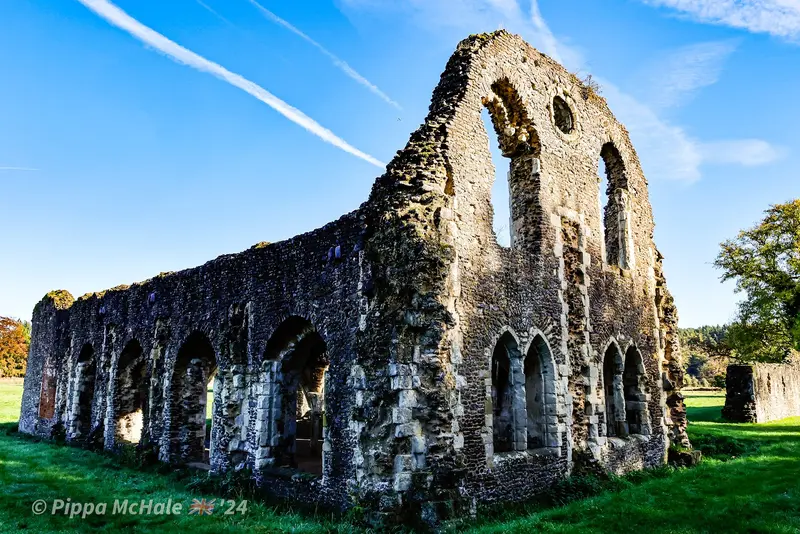
    At Waverley Abbey, you visit the remains of England's first Cistercian abbey. This significant foundation was established in 1128, marking the beginning of the Cistercian Order's spread in the region. Today, an atmospheric ruined landscape awaits you here, bearing witness to the monastery's former grandeur. The site is idyllically situated on the banks of the River Wey, offering a picturesque backdrop for a stroll. You can explore the remains of the former abbey church, cloister, and other monastic buildings. The remaining walls and arches provide insight into medieval architecture and monastic life. Despite its decay, the site retains a remarkable tranquility and stands as a testament to England's religious history.
    Open in Google Maps
    Canterbury Cathedral

    Canterbury Cathedral

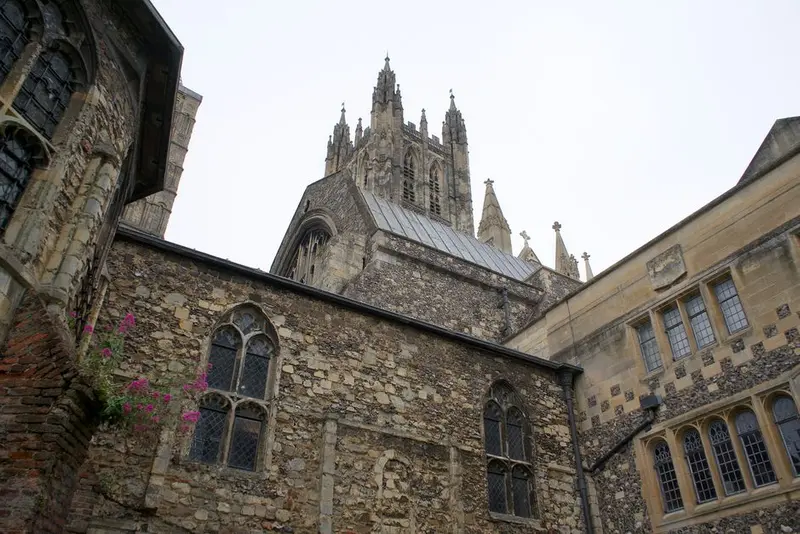
    The Canterbury Cathedral is the seat of the Archbishop of Canterbury and thus the spiritual centre of the Anglican Communion worldwide. Founded in 597 by Augustine, the building burned down several times; the present nave in Perpendicular Style dates from the late 14th century, the choir with its Early Gothic forms from shortly after 1174.Key to the history of the site is the murder of Thomas Becket in 1170 in the north transept. His shrine made Canterbury England's most important pilgrimage destination; Geoffrey Chaucer immortalized this flow in The Canterbury Tales. Henry VIII had the shrine destroyed in 1538; the spot is now marked only by a candle. Also noteworthy are the medieval stained-glass windows, including some of England's oldest.
    Open in Google Maps
    White Cliffs of Dover

    White Cliffs of Dover

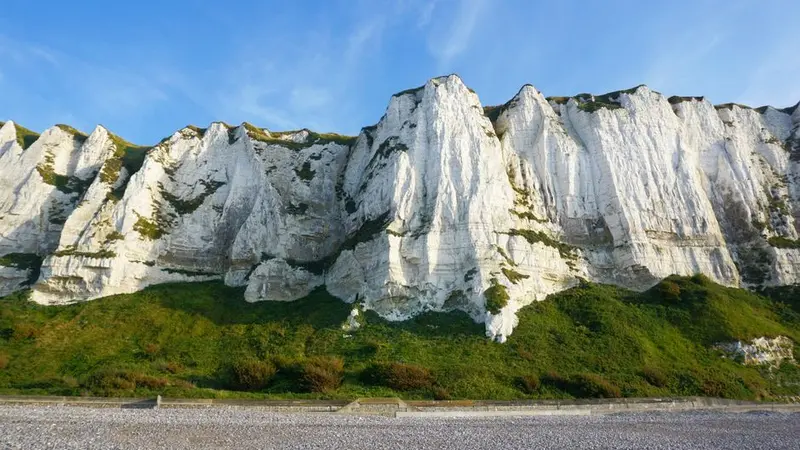
    The White Cliffs of Dover stretch for approximately 13 kilometers along the narrowest point of the English Channel. Their color comes from pure chalk, formed from the calcareous skeletons of algae, which accumulated over millions of years at the bottom of a warm shallow sea. The dark bands within them are flint.Because Dover was the gateway to the continent for centuries, the cliffs have become a national symbol. The rock contains kilometers of tunnel systems: from the secret passages beneath Dover Castle, the evacuation of Dunkirk was coordinated in 1940. A coastal path leads from the visitor center to South Foreland Lighthouse; on a clear day, the French coast can be seen.
    Open in Google Maps
    Windsor Castle

    Windsor Castle

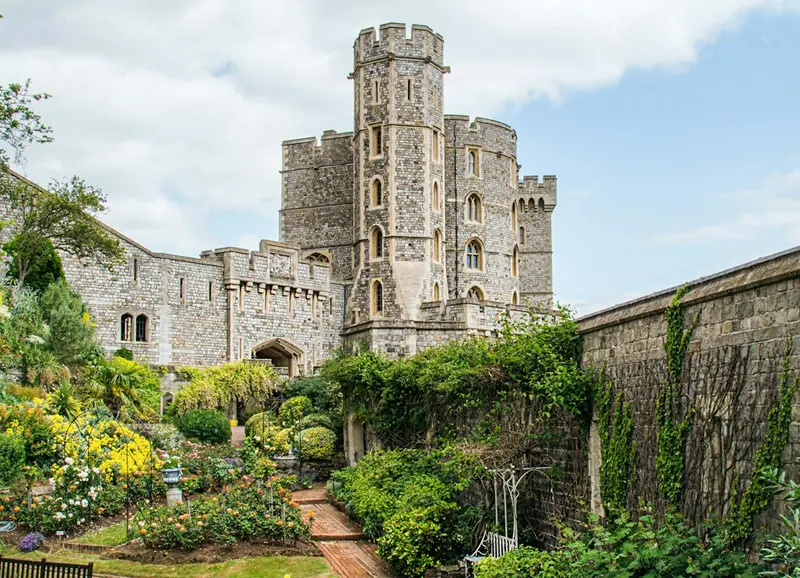
    Windsor Castle, west of London, is the oldest continuously inhabited castle in the world. William the Conqueror founded it in the 11th century as a motte, some 30 km from London – a day's journey then. Every English monarch has added to it since.The State Apartments display works from the Royal Collection, including paintings by Rubens and van Dyck. St George's Chapel, in Perpendicular Style, holds the tombs of ten monarchs, and is also chapel to the Order of the Garter. A fire in 1992 destroyed over a hundred rooms; the reconstruction lasted five years. Also worth seeing is Queen Mary's Dolls' House, a 1:12 scale dollhouse with working electricity and running water.
    Open in Google Maps
    Leeds Castle

    Leeds Castle

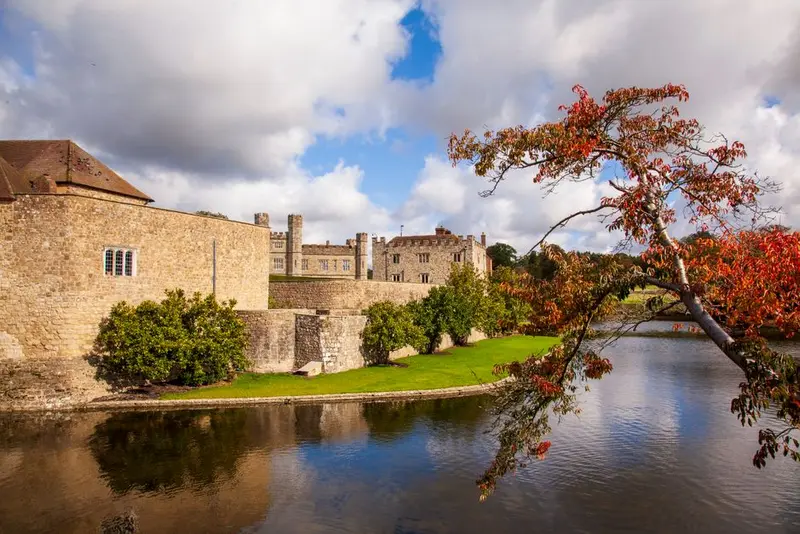
    Leeds Castle in Kent is situated on two islands in the dammed River Len, giving it its famous silhouette. Its name is unrelated to the city of Leeds in Yorkshire, but derives from a Saxon lord named Led.The estate was a royal possession for over 300 years and served six medieval queens as a dower house, including Eleanor of Castile and Catherine de Valois. Henry VIII had it remodelled for Catherine of Aragon. The interiors largely reflect the taste of its last private owner, Olive Baillie, from the 1920s. The park features a hedge maze with an underground grotto and a collection of birds of prey.
    Open in Google Maps

    Restaurants in South East England

    Food and Drink in Southeast England

    Kent has been called the Garden of England for centuries. Its mild climate and chalk soils today yield fruit, hops, and, increasingly important, wine.

    English Sparkling

    The chalk soils of Sussex and Kent are geologically akin to Champagne's, and climate warming has now made conditions comparable. Since the 1990s, English sparkling wines from Chardonnay, Pinot Noir and Pinot Meunier have won international awards. Many estates offer tours and tastings.

    Hops and Ale

    The conical Oast Houses, with their white wind vanes, define Kent's landscape; hops were dried in them. Until the 1950s, tens of thousands from London's East End came every autumn for the harvest. Shepherd Neame in Faversham has existed since 1698 and is considered Britain's oldest continuously operating brewery.

    Fruit and Cobnuts

    Apples, cherries, and berries from Kent are available in summer at roadside stalls and pick-your-own farms. A specialty are Kentish Cobnuts, cultivated hazelnuts that are harvested green and fresh, and taste milky. The season runs from late August to October.

    Fish on the Coast

    Whitstable is known for oysters, which have been fished there since Roman times, and hosts an Oyster Festival in July. Hastings boasts Europe's largest beach-launched fishing fleet, with boats launched over the shingle.

    Brighton and the vegetarian cuisine

    Brighton is considered Britain's most vegetarian-friendly city, boasting an unparalleled density of meat-free restaurants. This stems from the city's alternative scene and now also influences the menus of other establishments.

    Cultural Heritage of the Southeast

    Southeast England boasts a deeply rooted history, ranging from prehistoric settlements and Roman occupation to pivotal moments in the English monarchy. The region was the stage for significant historical events, including the Roman conquest, evident in cities like Canterbury and Chichester, as well as the Norman invasion in 1066, culminating in the Battle of Hastings. These eras profoundly shaped the cultural landscape, leaving a legacy of castles, cathedrals, and ancient sites that remain accessible today.The architectural diversity of Southeast England reflects its long history. Magnificent Gothic cathedrals, such as those in Canterbury and Winchester, bear witness to medieval craftsmanship and religious significance. Norman castles like Dover Castle underscore the region's strategic importance. Alongside these, numerous Tudor and Jacobian manor houses, as well as elegant Georgian and Victorian townscapes, particularly in the coastal towns and spa resorts, reflect the distinctive charm of English architecture.Local traditions and cultural distinctiveness are deeply rooted in Southeast England. The region is known for its rural customs, including annual May Day celebrations and traditional folk festivals that strengthen community spirit. A significant literary heritage is also present, with figures like Jane Austen in Hampshire and Charles Dickens in Kent, whose homes and landscapes visitors can still explore today. The arts scene is enlivened by a blend of historical collections and modern galleries, complemented by institutions such as the renowned Glyndebourne Opera in East Sussex, which cultivates the performing arts and receives international acclaim.

    Travelling in Southeast England

    All Routes Lead Through LondonSoutheast England's rail network is star-shaped, radiating out from London's main termini: Victoria and Blackfriars serve Sussex; Charing Cross and St Pancras, Kent; Paddington, the west; and Waterloo, Hampshire. Connections between two coastal towns, however, are often circuitous without passing through London. The high-speed train from St Pancras reaches Canterbury in just under an hour.By CarThe M25 encircles London and is regularly congested during peak hours and on Friday afternoons. Those heading west from the coast should factor this in. Country roads in Kent and Sussex are narrow and hedged, but easily navigable.Walking and CyclingThe South Downs Way stretches 160 kilometres from Winchester to Eastbourne and is continuously open to cyclists and horse riders, a unique feature among National Trails. Along the coast, the Saxon Shore Way connects Kent's historic ports.

    Trips, Southeast England

    France across the Channel

    From Dover, ferries cross to Calais in 90 minutes, and the Eurotunnel Le Shuttle from Folkestone takes 35 minutes. This makes a day trip to France realistic, even though since Brexit, passport controls and customs borders for some goods have been introduced.

    Stonehenge and Salisbury

    Just over two hours' drive to the west. The stone circle on Salisbury Plain, built between 3000 and 2000 BC, has bluestones proven from Wales. Salisbury boasts a cathedral with Britain's tallest spire.

    New Forest

    William the Conqueror declared the area a royal hunting ground in 1079; since 2005, it has been a National Park. Ponies, cattle, and pigs graze freely between heath and ancient woodland, a right that has been held by Commoners since the Middle Ages.

    Isle of Wight

    From Portsmouth or Lymington in under an hour. The island is small enough for two days and with the Needles, Osborne House, and the Dinosaur Coast, offers more than its size suggests.

    Accommodation

    Places to stay

    In and around South East England there are places to stay across different categories and price ranges – from simple to comfortable.

    Locations nearby

    These places are nearby — perfect for additional days or a day trip.

    South Downs Nationalpark

    South Downs Nationalpark

    The South Downs National Park in Southern England spans rolling chalk hills, ancient forests, and dramatic coastlines. Here you'll find a unique landscape, shaped by the famous white cliffs of the Seven Sisters and the imposing Beachy Head. Historic market towns like Lewes and Arundel invite you to linger with their castles and alleys, reflecting the region's rich history. The National Park is also home to the 160-kilometer long-distance trail, the South Downs Way, which leads you through idyllic villages and across vast grasslands. Culturally significant are also the prehistoric archaeological sites and traditional pastoral farming. For hikers and nature enthusiasts, spring and autumn are ideal times to visit, to experience the diverse flora and fauna and avoid the crowds.
    Kensington & Chelsea

    Kensington & Chelsea

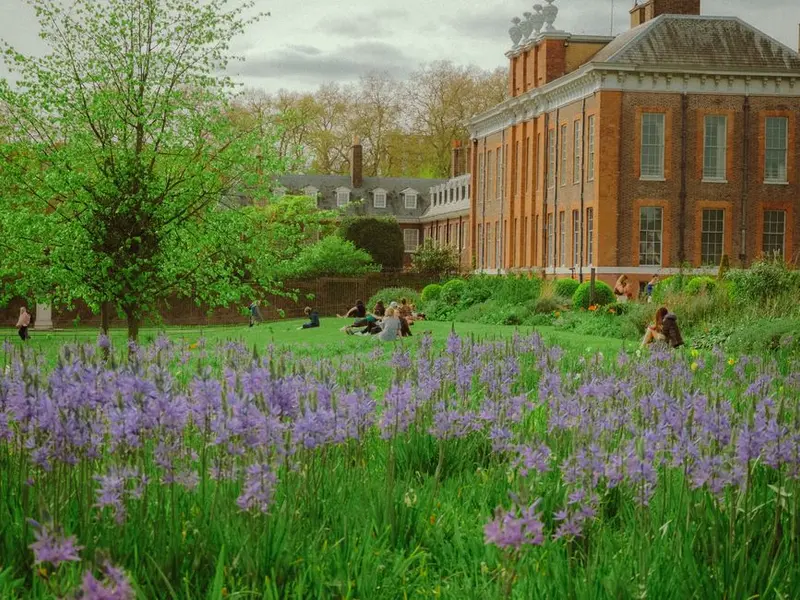
    The London borough of Kensington & Chelsea stands out as one of the city's most elegant and culturally rich districts. Here you'll find an impressive concentration of world-class museums like the Victoria and Albert Museum (V&A), the Natural History Museum, and the Science Museum, all easily explorable on foot. Magnificent Victorian buildings and verdant squares define the landscape, while King's Road in Chelsea boasts exclusive boutiques and galleries. In Kensington Gardens, you can enjoy leisurely strolls and visit Kensington Palace, the former residence of Princess Diana. Historically established as a royal borough, Kensington & Chelsea continues to reflect an affluent lifestyle and a deep appreciation for art and education. To experience the museums unhurriedly, a weekday morning visit is recommended; the area is also perfectly explored on foot or by bus.
    London

    London

    London is a vibrant metropolis that uniquely combines history, culture, and modernity. From royal palaces to trendy districts, the city offers an endless variety of experiences that will continually captivate you.
    South Bank

    South Bank

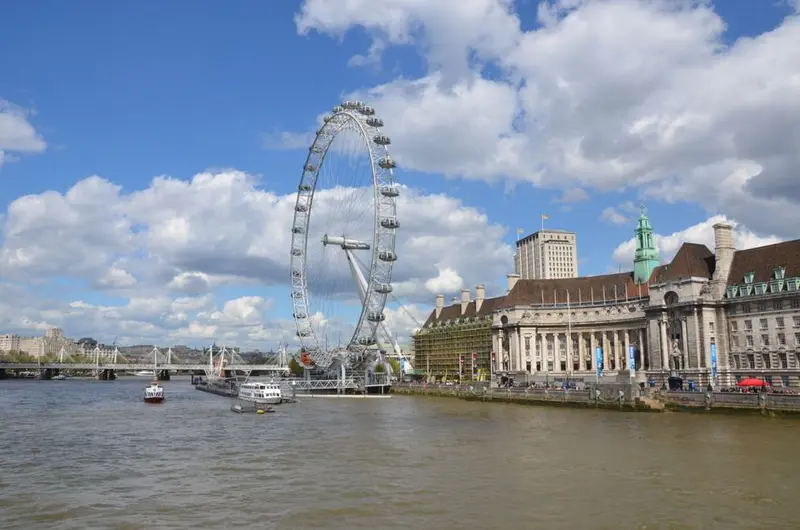
    London's South Bank is a vibrant cultural and entertainment district stretching along the River Thames, from Westminster Bridge to Tower Bridge. Here, you'll discover an impressive concentration of leading art and cultural institutions, including the Tate Modern, Shakespeare's Globe Theatre, and the Southbank Centre. Once known for its entertainment venues beyond the city walls, the area has transformed into a modern hub, with the former Bankside Power Station now housing the Tate Modern. A stroll along the riverside promenade offers not only views of the London Eye and St. Paul's Cathedral but also takes you through lively street performer zones. Visit Borough Market for culinary discoveries, just a short walk away, offering a wide array of international specialties. In the evening, numerous restaurants and bars invite you to enjoy the illuminated skyline; for the London Eye, it's best to plan your visit outside peak travel times.
    West End

    West End

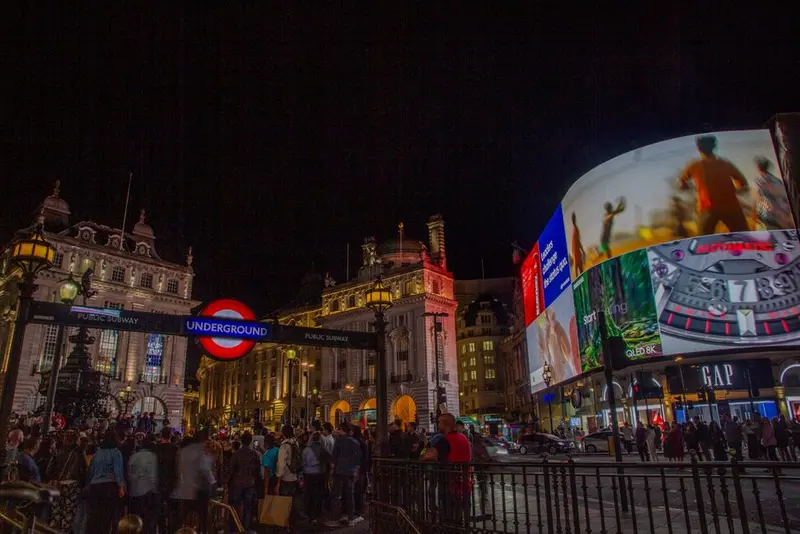
    London's West End forms the vibrant heart of the city's entertainment and culture. It's home to the famous Theatreland, with its numerous stages covering a wide spectrum from classical dramas to modern musicals. You'll find iconic landmarks like Piccadilly Circus with its distinctive neon signs, and the historic Trafalgar Square, home to the National Gallery. Beyond the cultural offerings, exclusive shopping on streets like Regent Street and Oxford Street define the district. Historically, the West End has been a significant hub for art and social life for centuries. To secure the best seats for a theatre performance, book tickets early, especially for popular shows. Ideally, plan your visit during the week to avoid weekend crowds.