Entdecke die charmante Insel mit ihren malerischen Stränden, farbenfrohen Felsformationen und historischen Seebädern, ideal für eine Auszeit.
Places in Isle of Wight
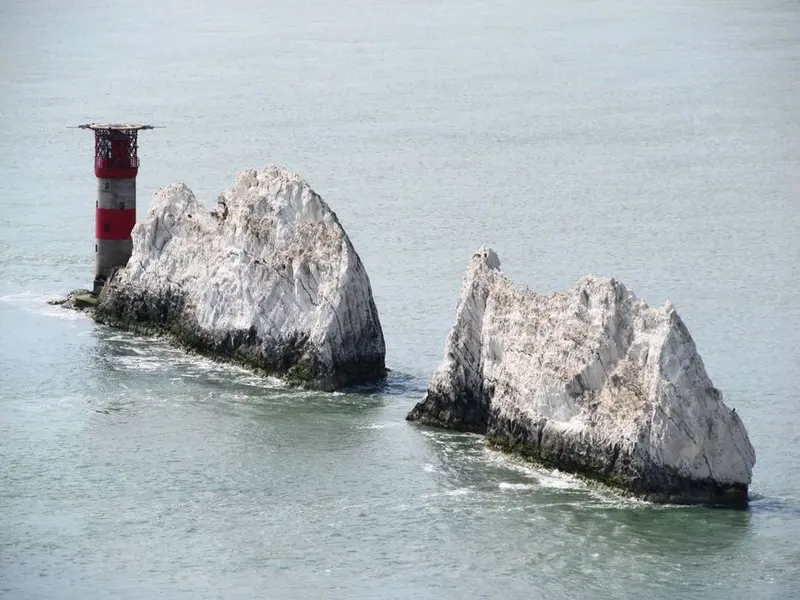
The Isle of Wight lies off Hampshire, separated from the mainland by the Solent, covering around 380 square kilometres. Ferries operate from Portsmouth, Southampton, and Lymington, with crossings lasting 10 to 60 minutes depending on the line.Geologically, the island is a textbook: a chalk fold traverses it from east to west, culminating in the west with the Needles, three chalk stacks in the sea. The southwest coast features one of Europe's richest dinosaur sites; at low tide, footprints are visible in the rock at Compton Bay.The island became a fashionable Victorian resort after Queen Victoria made Osborne House near East Cowes her summer residence. From this era stem the piers and spa hotels in Ryde, Sandown, and Shanklin. Cowes remains a hub for sailing, with Cowes Week in August being one of the world's oldest regattas.
Sehenswürdigkeiten
Discover the most important sights and attractions
Chillerton Down
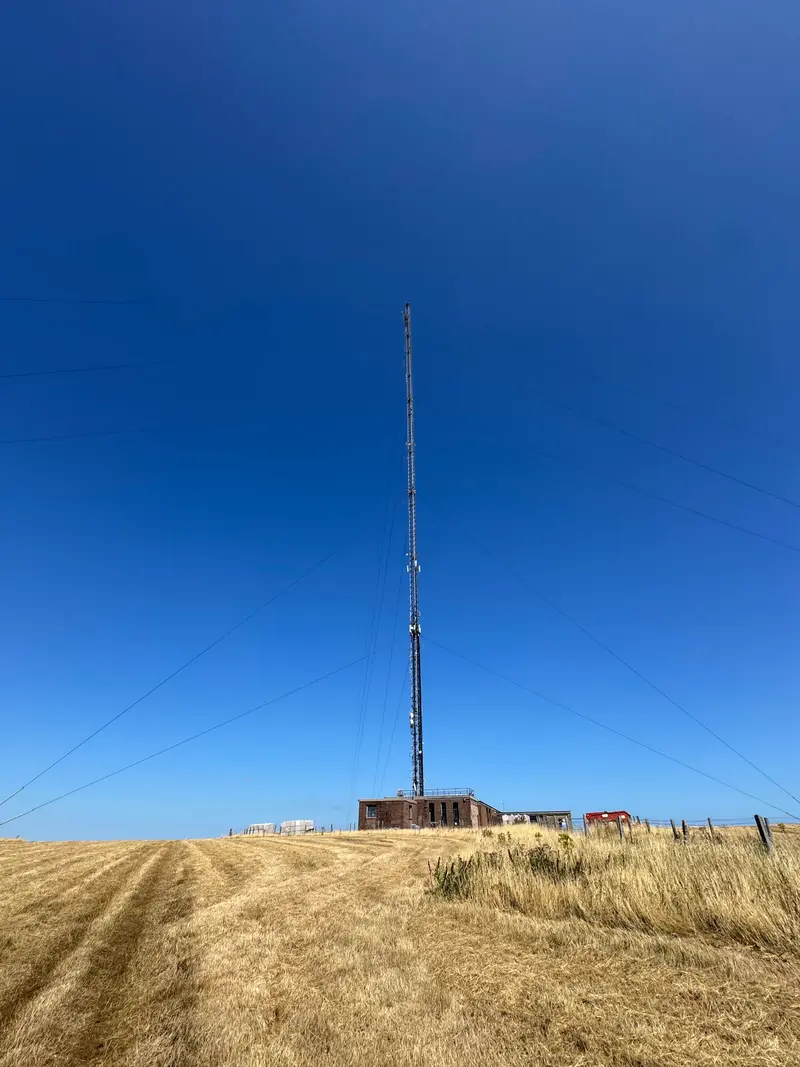
Chillerton Down stands out as one of the most distinctive elevations on the Isle of Wight. Here you'll find a wide, open landscape, typical of the island's chalk hills. From this viewpoint, you can enjoy panoramic views that stretch over large parts of the island, reaching the mainland on a clear day. The area invites you to extended walks, where you can experience the tranquility and natural beauty of the surroundings. Chillerton Down is also known for being home to a prominent transmitter mast, widely visible and serving as a landmark. Its gentle slopes and expansive views make this a popular destination for nature lovers and hikers wanting to explore the diverse landscape of the Isle of Wight. It offers a good opportunity to understand the island's geological makeup and appreciate the vastness of the landscape.
The Monkey Haven - Primate Rescue Centre on the Isle of Wight is dedicated to the rescue and care of primates saved for various reasons. Here, you'll find a home for various monkey species living in species-appropriate conditions. The centre prioritizes the animals' well-being, providing a safe environment.As a visitor, you have the opportunity to observe the primates in their naturalistic enclosures. You'll gain insights into their way of life and the challenges they face in the wild or in captivity. The centre also educates about primate protection and the importance of conservation projects. It's a place that makes animal welfare efforts tangible and encourages reflection on human responsibility.
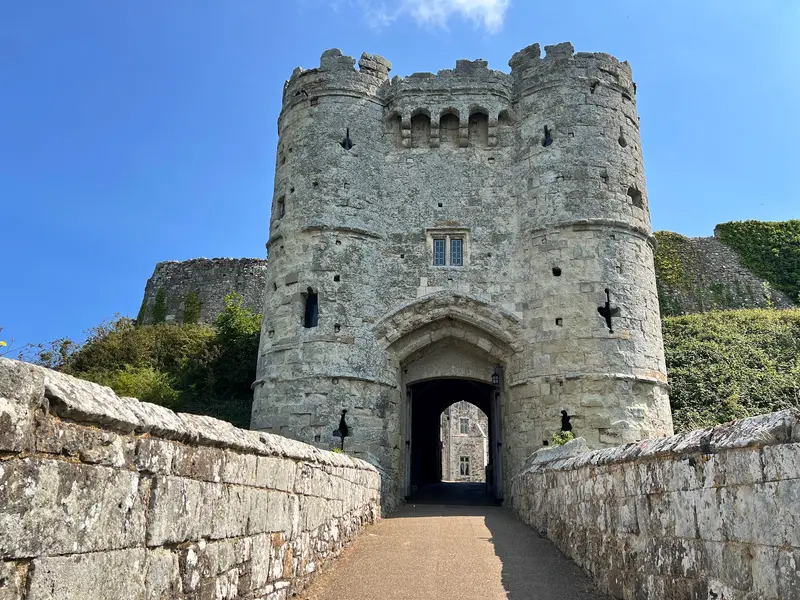
On the Isle of Wight stands Carisbrooke Castle, a fortress with a long and eventful history. Here you'll find an impressive complex that has been expanded and rebuilt over centuries. The castle is particularly known as the prison of King Charles I before his execution, an event that profoundly shapes its historical significance.When exploring the site, you can visit the preserved walls, the gatehouse, and the remains of the Keep. A special highlight is the Well-House with its historic donkey wheel, which once served for water supply and is still in operation today. From the castle walls, you'll enjoy wide views over the island's surrounding landscape. A museum within the castle also tells more about its inhabitants and its role in English history.
The Wight Military and Heritage Museum offers you a comprehensive insight into the military history and cultural heritage of the Isle of Wight. Here you'll find a diverse collection of exhibits, ranging from military vehicles and equipment to uniforms and personal memorabilia. The exhibitions highlight various eras and conflicts in which the island and its inhabitants played a role. You'll gain an understanding of the challenges and daily lives of soldiers as well as the civilian population during wartime. The museum serves to preserve this important history and make it accessible to visitors. It is a place where you can grasp the past and understand the significance of the military heritage for the region. The carefully presented artifacts tell stories of courage, loss, and the changing times.
In Isle of Wight you'll find local restaurants, cafés and markets with regional specialities. Taste your way through the dishes typical of the region.
Culture & History
Isle of Wight is shaped by its history, local traditions and the everyday life of its people. Architecture, customs and regional character define the place.
Excursions & Activities
Recommended activities
Around Isle of Wight there are rewarding day trips and activities – from sights and nature to the surrounding area.
Accommodations in Isle of Wight
Accommodation
Places to stay
In and around Isle of Wight there are places to stay across different categories and price ranges – from simple to comfortable.
These places are nearby — perfect for additional days or a day trip.
South Downs Nationalpark
The South Downs National Park in Southern England spans rolling chalk hills, ancient forests, and dramatic coastlines. Here you'll find a unique landscape, shaped by the famous white cliffs of the Seven Sisters and the imposing Beachy Head. Historic market towns like Lewes and Arundel invite you to linger with their castles and alleys, reflecting the region's rich history. The National Park is also home to the 160-kilometer long-distance trail, the South Downs Way, which leads you through idyllic villages and across vast grasslands. Culturally significant are also the prehistoric archaeological sites and traditional pastoral farming. For hikers and nature enthusiasts, spring and autumn are ideal times to visit, to experience the diverse flora and fauna and avoid the crowds.
South East England
Welcome to Southeast England, a region that will captivate you with its exceptional diversity and rich history. From the dramatic chalk cliffs of the coast to the rolling hills of the National Parks – here you'll discover a perfect blend of nature, culture, and charming towns.Explore historic cathedrals, royal palaces, and picturesque villages that make this area an unforgettable travel destination.
Brighton
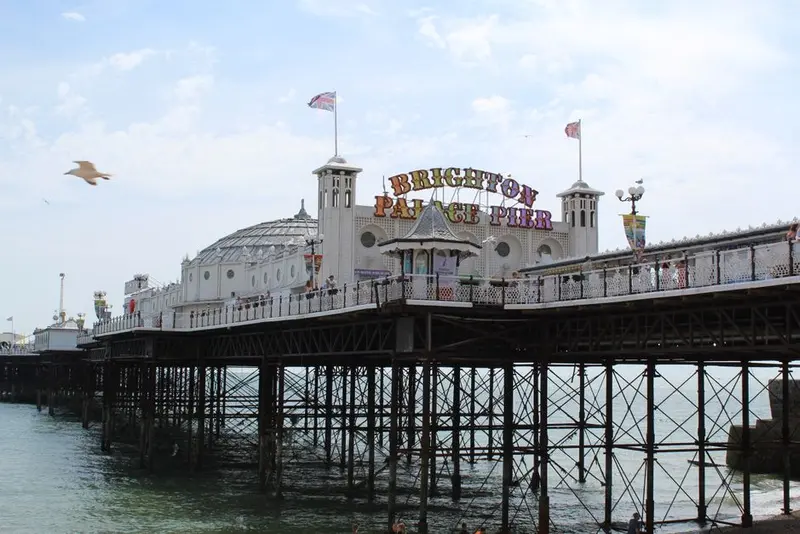
Brighton, on England's south coast, is a dynamic city that combines royal history with a distinct alternative culture. Here you'll find a unique blend of Victorian charm and bohemian flair. A highlight is the Royal Pavilion, an exotic palace in Indian-Islamic style, built in the early 19th century for King George IV, a testament to the Regency era. Directly on the coast stretches the historic Brighton Palace Pier, an iconic landmark offering entertainment and dining. Stroll through the winding alleys of The Lanes with their independent boutiques and antique shops, or discover vintage stores and art galleries in the adjacent North Laine district. To authentically experience Brighton's vibrant life, ideally visit the city in spring or autumn, when crowds are smaller.
Castle Combe
Castle Combe, often hailed as one of England's most beautiful villages, is nestled in the Cotswolds and captivates with its unspoiled aesthetic. Here you'll find historic stone houses that blend harmoniously into the landscape, and the River Bybrook gently winding through the valley. Main attractions include the historic 14th-century Market Cross and St. Andrew's Church with its unique faceless clock tower. The village has preserved its character for centuries, having been a wool trade hub from the 17th to 19th centuries and later largely spared from modern developments. Explore the narrow lanes and discover small bridges that define the village's charm. For a peaceful experience, a visit outside peak season is recommended, ideally on a weekday morning. Parking is limited, so early arrival or using public transport is advisable.
Oxford
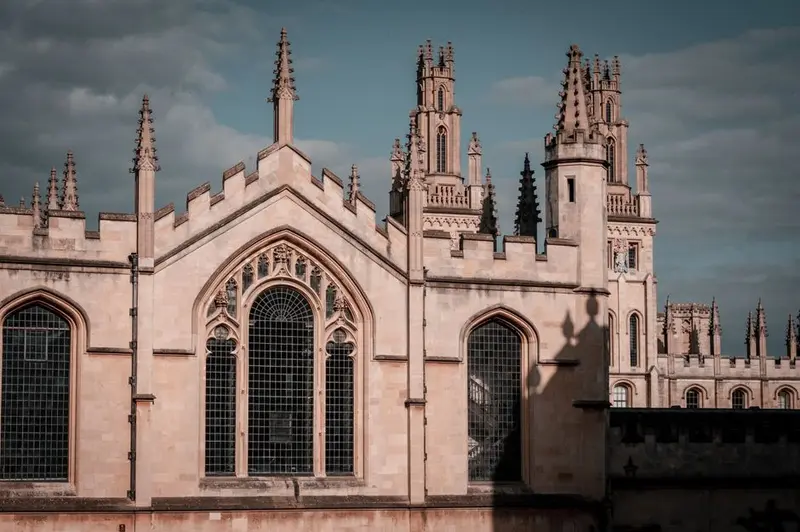
Oxford, the "City of Dreaming Spires", is world-renowned for its prestigious university and impressive architecture. Here you'll find a unique blend of centuries-old tradition and vibrant student life. Among its most prominent sights are the venerable colleges like Christ Church and Magdalen College, the Bodleian Library and the iconic Radcliffe Camera. The Ashmolean Museum offers a rich collection of art and archaeology, while the historic Covered Market showcases local specialities and crafts. The city, home to the oldest university in the English-speaking world, breathes history through its cobblestone streets. To authentically experience the academic atmosphere, a visit outside of term time is recommended, when student numbers are lower. A stroll through the college gardens or a relaxed punting tour on the River Cherwell will complete the experience and offer you new perspectives on the city.