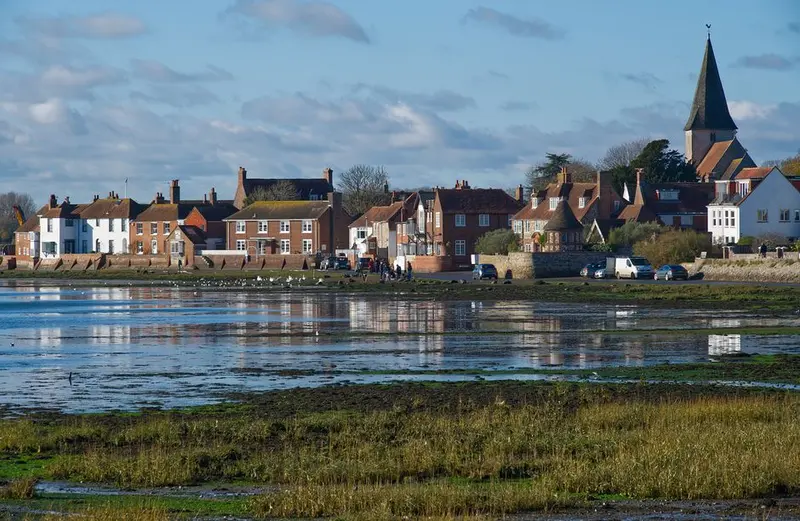
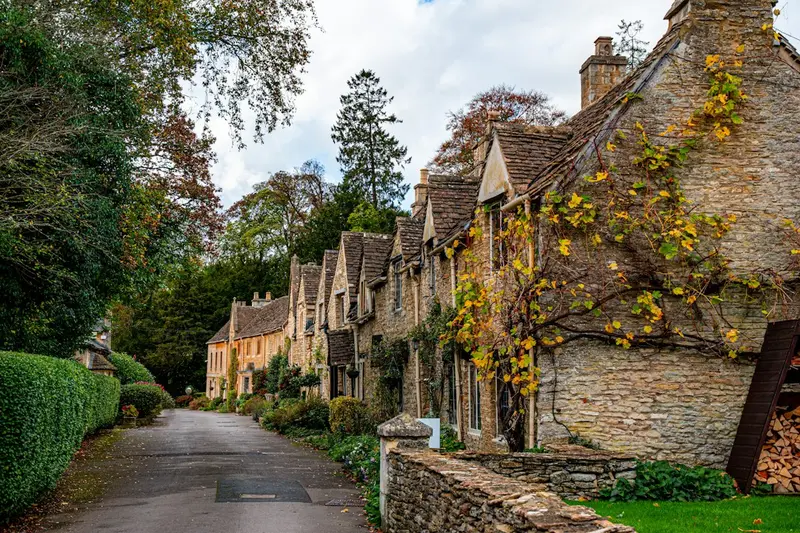
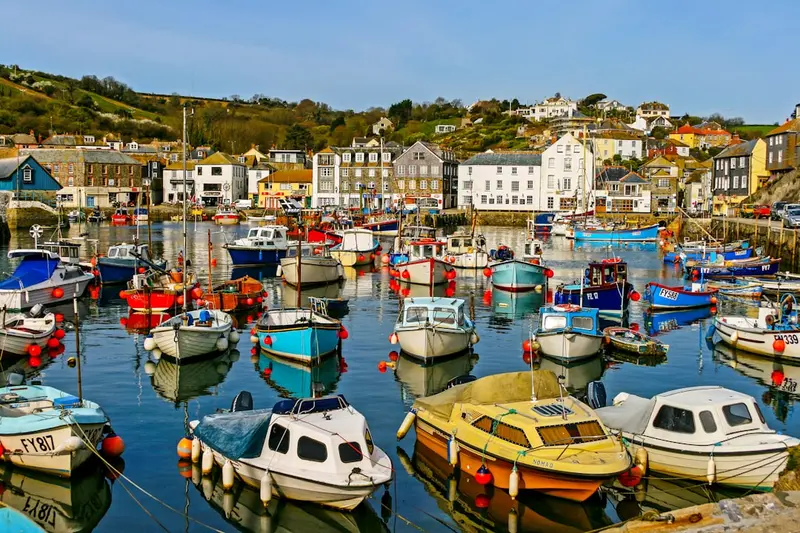
Southeast England boasts a deeply rooted history, ranging from prehistoric settlements and Roman occupation to pivotal moments in the English monarchy. The region was the stage for significant historical events, including the Roman conquest, evident in cities like Canterbury and Chichester, as well as the Norman invasion in 1066, culminating in the Battle of Hastings. These eras profoundly shaped the cultural landscape, leaving a legacy of castles, cathedrals, and ancient sites that remain accessible today.The architectural diversity of Southeast England reflects its long history. Magnificent Gothic cathedrals, such as those in Canterbury and Winchester, bear witness to medieval craftsmanship and religious significance. Norman castles like Dover Castle underscore the region's strategic importance. Alongside these, numerous Tudor and Jacobian manor houses, as well as elegant Georgian and Victorian townscapes, particularly in the coastal towns and spa resorts, reflect the distinctive charm of English architecture.Local traditions and cultural distinctiveness are deeply rooted in Southeast England. The region is known for its rural customs, including annual May Day celebrations and traditional folk festivals that strengthen community spirit. A significant literary heritage is also present, with figures like Jane Austen in Hampshire and Charles Dickens in Kent, whose homes and landscapes visitors can still explore today. The arts scene is enlivened by a blend of historical collections and modern galleries, complemented by institutions such as the renowned Glyndebourne Opera in East Sussex, which cultivates the performing arts and receives international acclaim.