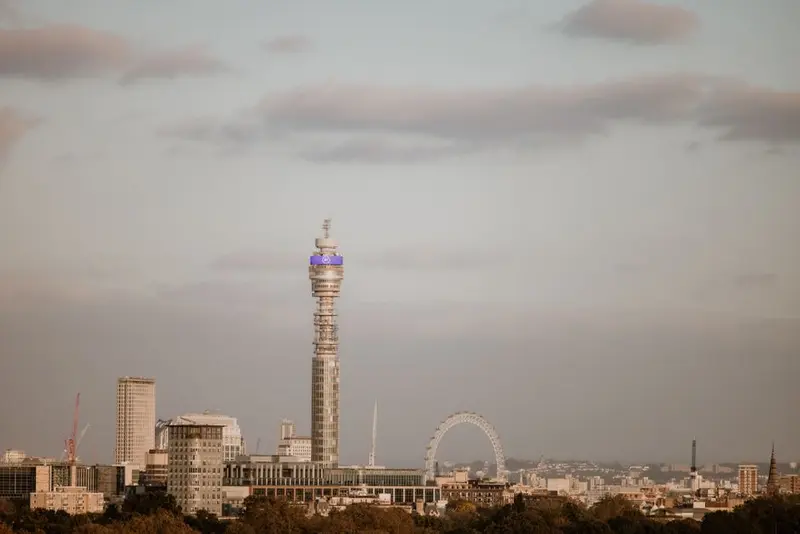
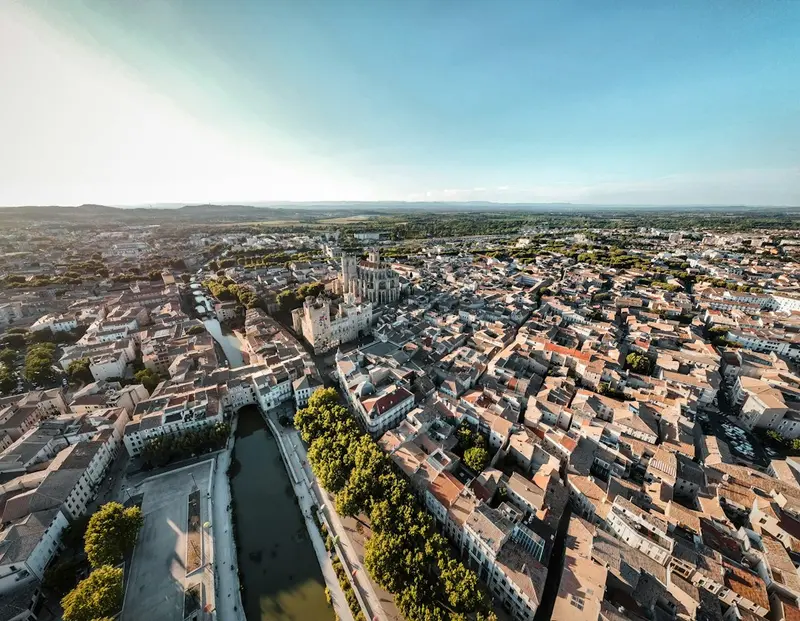
London is a vibrant metropolis that uniquely combines history, culture, and modernity. From royal palaces to trendy districts, the city offers an endless variety of experiences that will continually captivate you.
London blends centuries-old history with dynamic modernity. You'll discover royal residences like Buckingham Palace and the historic Tower of London, offering deep insights into the British monarchy. Vibrant neighbourhoods such as creative Shoreditch or Notting Hill shape the city with individual galleries and markets. Cultural highlights include the British Museum and the Tate Modern, showcasing world-class art and history. A stroll along the Thames, past Parliament and Big Ben, offers an authentic impression. The best time to visit is spring or autumn. Use the Oyster Card for efficient public transport travel.
Places in London
East End
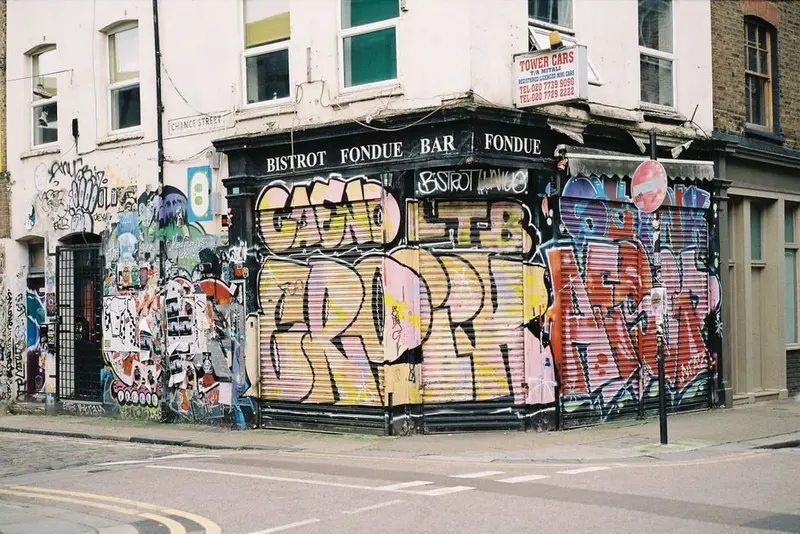
Das East End von London ist ein historisch gewachsenes Viertel, das sich durch seine dynamische Mischung aus Tradition und Moderne auszeichnet. Einst Zentrum der Arbeiterklasse und Einwanderung, beherbergt es heute eine lebendige Kunstszene und zahlreiche kreative Unternehmen. Du findest hier ikonische Orte wie die Brick Lane, bekannt für ihre Curryhäuser, Vintage-Märkte und beeindruckende Street Art, besonders am Sonntag. Das historische Spitalfields Market und das trendige Shoreditch bieten eine Fülle von Boutiquen, Galerien und Restaurants. Die Gegend um Whitechapel erzählt von ihrer bewegten Geschichte, oft verbunden mit den Jack the Ripper Touren. Für ein authentisches Erlebnis empfiehlt sich ein Besuch des Columbia Road Flower Market am Sonntagmorgen. Plane genügend Zeit ein, um die verborgenen Gassen und die vielfältige Kulinarik abseits der Hauptstraßen zu erkunden.
Kensington & Chelsea
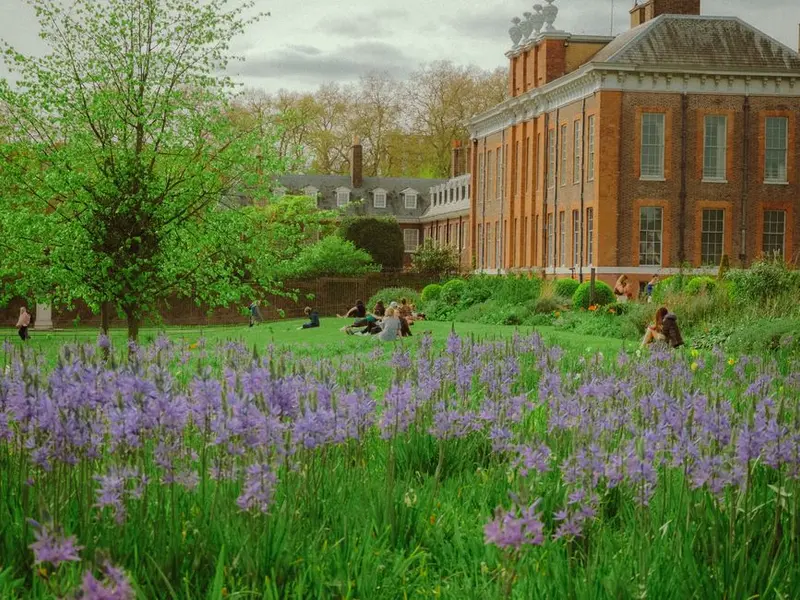
The London borough of Kensington & Chelsea stands out as one of the city's most elegant and culturally rich districts. Here you'll find an impressive concentration of world-class museums like the Victoria and Albert Museum (V&A), the Natural History Museum, and the Science Museum, all easily explorable on foot. Magnificent Victorian buildings and verdant squares define the landscape, while King's Road in Chelsea boasts exclusive boutiques and galleries. In Kensington Gardens, you can enjoy leisurely strolls and visit Kensington Palace, the former residence of Princess Diana. Historically established as a royal borough, Kensington & Chelsea continues to reflect an affluent lifestyle and a deep appreciation for art and education. To experience the museums unhurriedly, a weekday morning visit is recommended; the area is also perfectly explored on foot or by bus.
South Bank
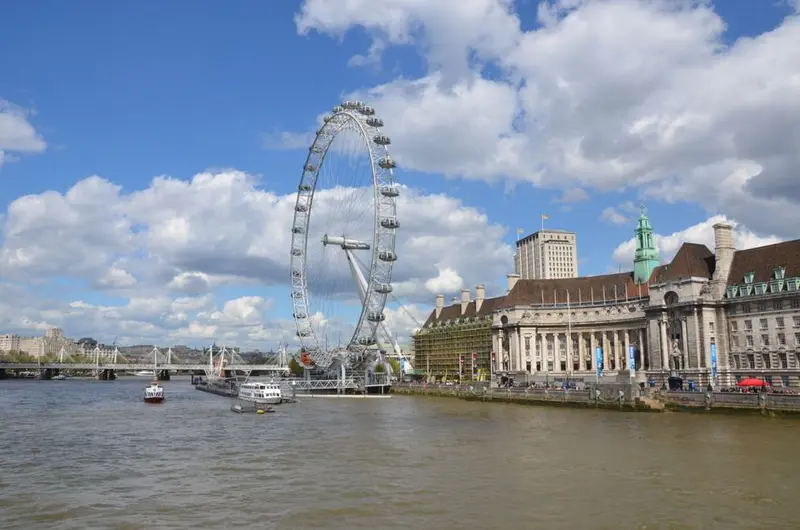
London's South Bank is a vibrant cultural and entertainment district stretching along the River Thames, from Westminster Bridge to Tower Bridge. Here, you'll discover an impressive concentration of leading art and cultural institutions, including the Tate Modern, Shakespeare's Globe Theatre, and the Southbank Centre. Once known for its entertainment venues beyond the city walls, the area has transformed into a modern hub, with the former Bankside Power Station now housing the Tate Modern. A stroll along the riverside promenade offers not only views of the London Eye and St. Paul's Cathedral but also takes you through lively street performer zones. Visit Borough Market for culinary discoveries, just a short walk away, offering a wide array of international specialties. In the evening, numerous restaurants and bars invite you to enjoy the illuminated skyline; for the London Eye, it's best to plan your visit outside peak travel times.
The City of London
The City of London, the original Roman settlement, forms the historical and financial heart of the British capital. Here you'll experience a unique contrast of centuries-old history and modern architecture that shapes the skyline. Must-see attractions include the impressive St. Paul's Cathedral, the historic Tower of London, and the Monument to the Great Fire of London. Explore the Victorian charm of Leadenhall Market or the imposing buildings of the financial district, such as the Bank of England. While the City buzzes with the financial world's hustle and bustle during the week, it offers remarkable tranquility on weekends, ideal for relaxed strolls through historic lanes.
West End
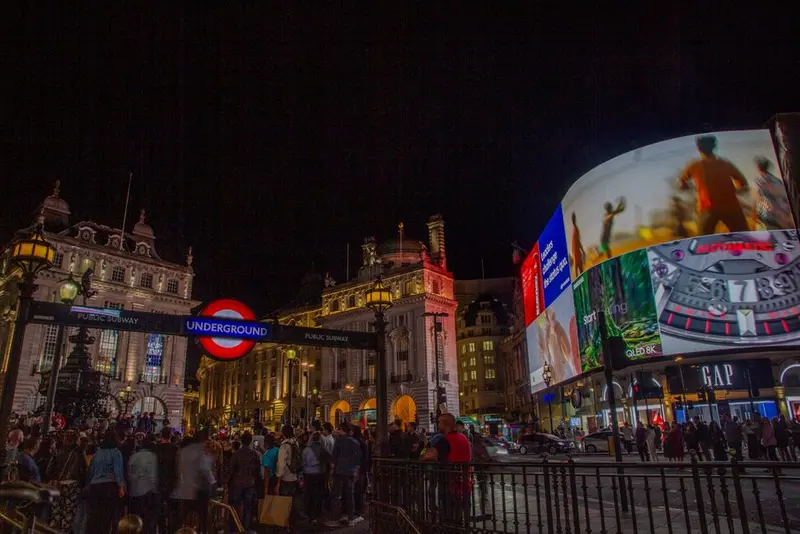
London's West End forms the vibrant heart of the city's entertainment and culture. It's home to the famous Theatreland, with its numerous stages covering a wide spectrum from classical dramas to modern musicals. You'll find iconic landmarks like Piccadilly Circus with its distinctive neon signs, and the historic Trafalgar Square, home to the National Gallery. Beyond the cultural offerings, exclusive shopping on streets like Regent Street and Oxford Street define the district. Historically, the West End has been a significant hub for art and social life for centuries. To secure the best seats for a theatre performance, book tickets early, especially for popular shows. Ideally, plan your visit during the week to avoid weekend crowds.
Sights in London
Discover the most important sights and attractions
Tower Bridge
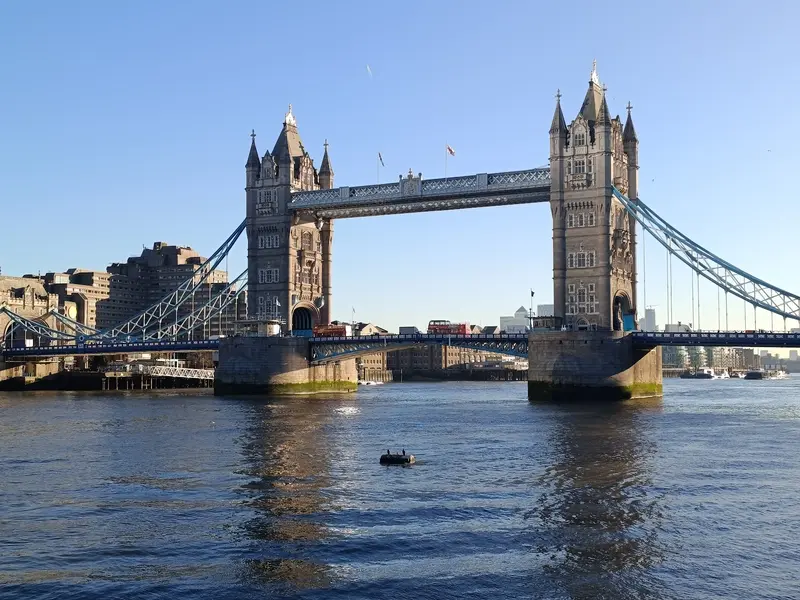
The Tower Bridge is an iconic structure over the River Thames in London and a significant example of Victorian engineering. It was conceived to allow increasing traffic over the river without hindering shipping to the Port of London. Its unique construction combines a bascule bridge with a suspension bridge, making it a functional and architecturally appealing landmark.When visiting Tower Bridge, you can delve into the history and technical complexity of this structure. A museum inside the bridge offers insights into the original steam engines that once operated the bascules. From the upper, glazed walkways, you can enjoy a wide panoramic view over the Thames, the Tower of London, and the surrounding cityscape. It is also possible to witness the bridge opening for ship traffic, a process that illustrates its original function. Its neo-Gothic architectural design harmoniously blends into the historic city landscape.
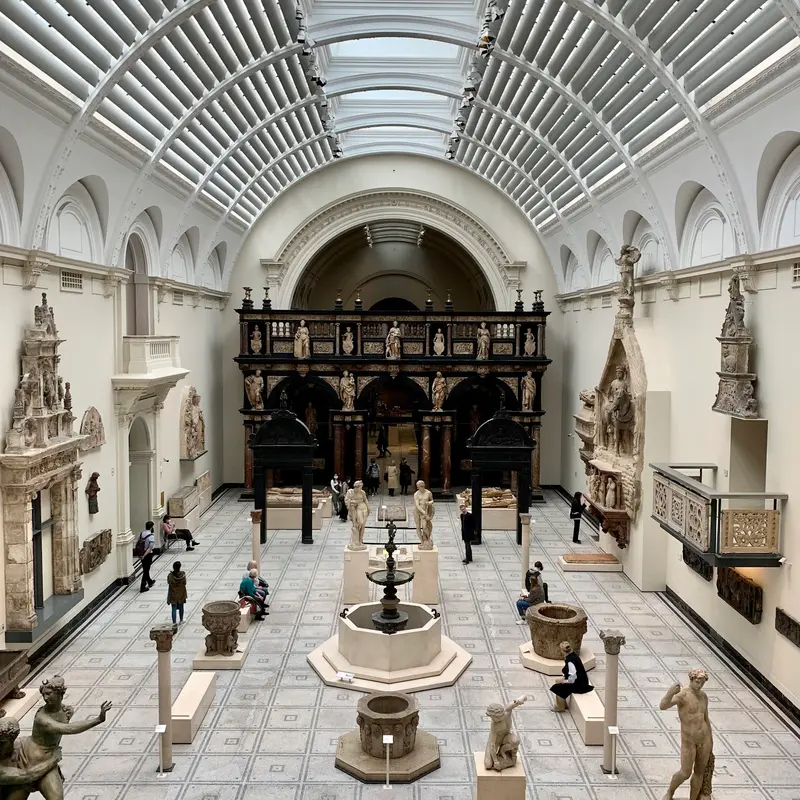
The Victoria and Albert Museum in London is one of the world's leading museums for art, design, and performance. Since its founding, it has grown into a comprehensive collection documenting creativity and craftsmanship over millennia. Here you'll find an impressive variety of exhibits, ranging from ancient sculptures and medieval tapestries to contemporary fashion. The collections include furniture, ceramics, jewelry, textiles, photographs, and architectural fragments from various cultures and eras. The museum serves as an important center for research and education in the applied arts and design. The museum's architecture itself, with its historical and modern elements, is also remarkable. A visit offers you the opportunity to experience the evolution of human creativity and aesthetics in unparalleled breadth.
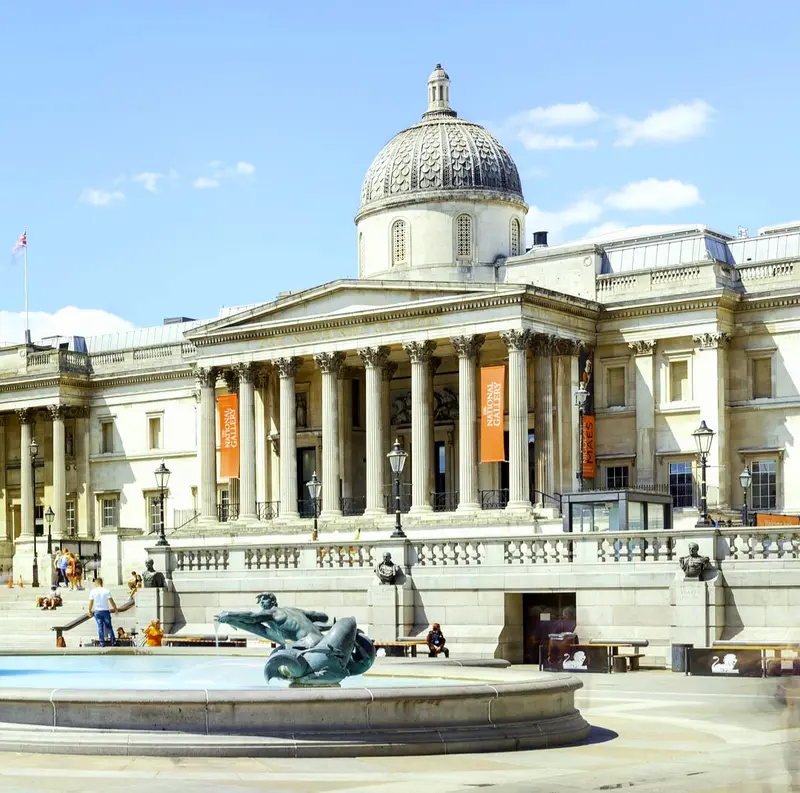
The National Gallery on Trafalgar Square in London houses one of the world's most significant art collections. Here, you'll find a comprehensive overview of Western European painting, spanning from the late 13th century to the early 20th century. Founded in the early 19th century, the gallery has since been a central venue for art appreciation in Great Britain. During your visit, you can discover masterpieces by artists from various eras and styles. The chronological arrangement of the works offers deep insights into the development of art history. The building itself is an impressive example of Neoclassical architecture, providing a fitting setting for the treasures on display. It's a place where you can experience Europe's cultural significance and artistic richness.
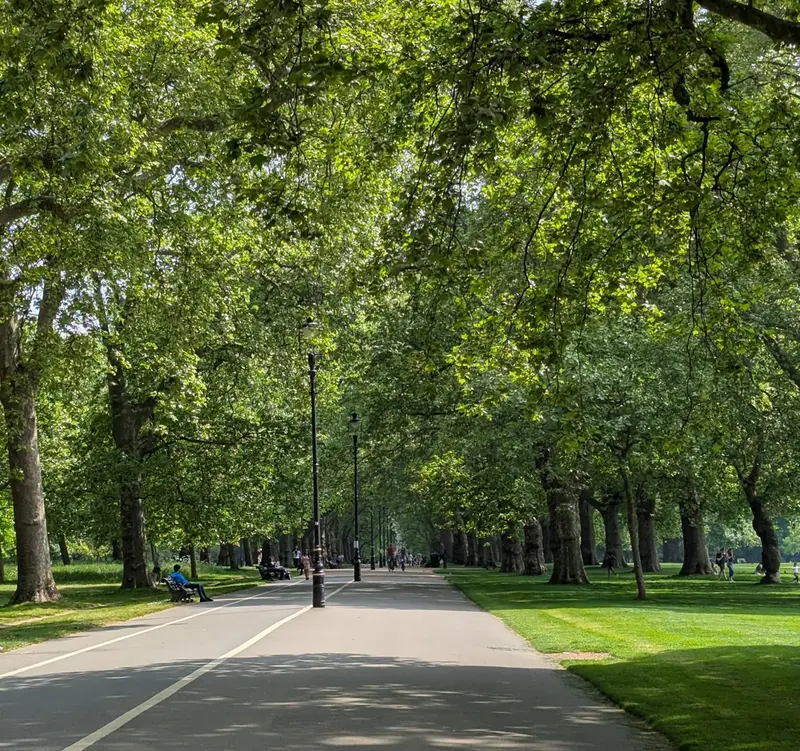
Hyde Park is one of London's most famous green spaces and a central recreational hub in the British capital. Originally a royal hunting ground, it was later opened to the public and has evolved into an important meeting place. Here you'll find expansive lawns, mature trees, and the Serpentine Lake, perfect for boating. A prominent feature is Speaker's Corner in the park's northeast, where free speech has long been practiced. The park borders Kensington Gardens, creating an extensive green space. Visitors use Hyde Park for walks, jogging, or simply to escape the urban hustle and bustle. It also serves as a backdrop for various events and concerts.
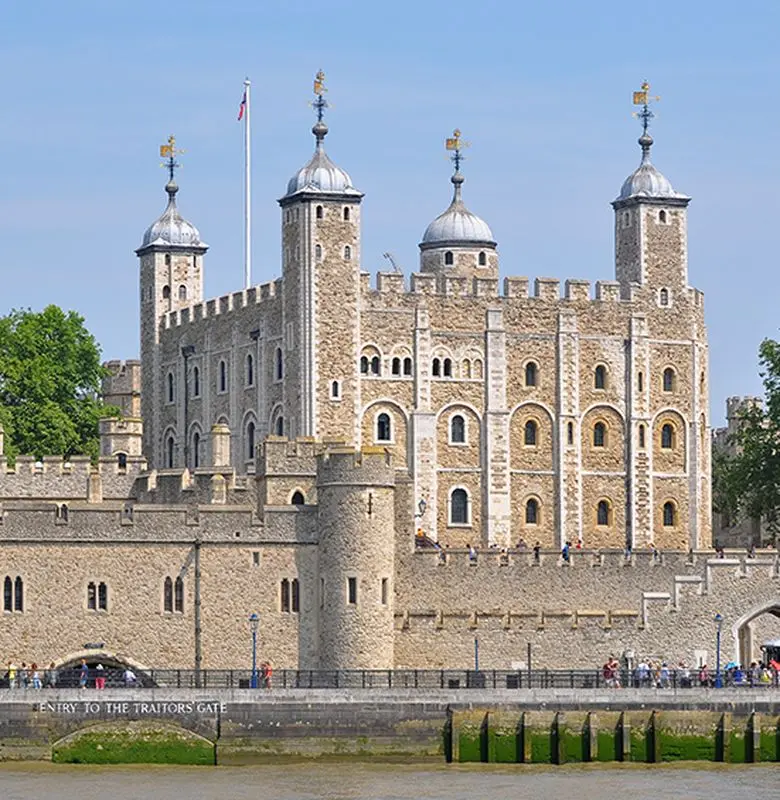
The Tower of London is a historic fortress on the River Thames, which has played a central role in English history. Here you will find an impressive collection of buildings that were erected over centuries and served various functions. Originally built as a royal residence, the Tower also served as a prison, place of execution, and armory. Visitors can marvel at the Crown Jewels, on display in the Jewel House, and explore the stories of famous prisoners. The Yeoman Warders, known as Beefeaters, will guide you through the site and tell of the Tower's legends and history. A walk along the walls offers insights into the defensive structures and views of the surroundings. The Ravens of the Tower are also a famous feature, whose presence is linked to ancient prophecies.
London eats what its immigrants have brought. The city's actual strength lies not in British cuisine, but in the density and quality of everything else.
Curry and Bangladeshi Cuisine
Chicken Tikka Masala is considered a British invention. The densest row of curry houses is on Brick Lane, where the cooking is predominantly done by families from Sylhet. Those who want to eat more seriously go to Tooting or Southall, where the cuisines are more regional and less geared towards tourists.
Pie and Mash
Meat pie with mashed potatoes and Liquor, a green parsley sauce, traditionally served with jellied eel. This is East End working-class fare, and the remaining shops, with their tiled walls and wooden benches, are more a monument than a restaurant. They are steadily diminishing.
Markets
Borough Market for fine food, Maltby Street for street food under railway arches, Broadway Market in Hackney on Saturdays, Brixton Village for Caribbean and West African cuisine. Markets in London are the most reliable way to eat well, no reservation needed.
Pub and Ale
The pub is a home from home, not primarily a restaurant. You order at the bar, and tipping is not customary. Real Ale is hand-pulled without CO2 pressure and served at cellar temperature, meaning cool, not warm. The Sunday Roast is the best dish of the week in many pubs.
Afternoon Tea
Crustless sandwiches, scones, and pastries on a tiered stand, with tea. Invented in the 19th century as a bridge between lunch and a late dinner, it's now an occasion requiring reservations. Grand hotels enforce a dress code; smaller tearooms do not.
London's Rich Heritage: Culture, Art & History
London, founded as Roman Londinium, boasts over two millennia of history that significantly shaped the city. Important epochs like the Middle Ages, the Tudor period, and the Victorian era left distinct marks on urban development. The Great Fire of London in 1666 led to extensive rebuilding, and under the direction of Sir Christopher Wren, profoundly influenced the cityscape with numerous Baroque churches, including the iconic St. Paul's Cathedral.London's architectural diversity spans from medieval fortresses like the Tower of London, through Georgian terraced houses, to postmodern skyscrapers such as The Shard and 30 St Mary Axe ("The Gherkin"). This blend testifies to continuous change and resilience. The city is a global hub for art, with institutions like the British Museum and the National Gallery housing world-class collections.Cultural particularities include the deep-rooted monarchy, evident in ceremonies like the Changing of the Guard at Buckingham Palace. The West End is a world-renowned hub for theatre and musicals, continuing a long tradition of performing arts. Furthermore, historical events and figures such as Shakespeare and Dickens profoundly shape the city's literary and intellectual heritage.
A Trip Through London
Tube, Bus, and TrainThe Underground is the backbone but has gaps: South of the Thames, few lines run, with the Overground and suburban trains from termini taking over. The Elizabeth Line traverses the city East to West since 2022 and is usually faster than the Tube for longer distances.Payment is contactless with a credit or debit card or via phone; an Oyster Card is no longer needed. Checking out when exiting is also important, otherwise the maximum fare will be charged. A daily and weekly cap automatically limits costs. Buses do not accept cash.Walking UnderratedThe Tube map significantly distorts distances. Between Covent Garden and Leicester Square, there are 300 meters, and by train, it takes longer than walking. Those exploring the centre often get around faster on foot and see more.Car and BikeA car is a drawback in the centre: Congestion Charge, ULEZ charge for older vehicles, and limited parking. Rental bikes are everywhere; London's cycling infrastructure has expanded significantly in recent years, but traffic takes some getting used to.
Day trips out of London
Greenwich
Accessible in half an hour by Thames Clipper or DLR. Home to the Prime Meridian at the Royal Observatory, the National Maritime Museum, the Cutty Sark, and Inigo Jones's Queen's House. The park offers the most famous view of Canary Wharf's skyscrapers.
Windsor and Eton
From Paddington or Waterloo in about an hour. Besides the castle, Windsor Great Park is worth exploring, and across the Thames lies Eton with its 15th-century college. Can be easily combined with Hampton Court on the return journey.
Kew Gardens
The Royal Botanic Gardens in the west are accessible by the District Line and are a World Heritage Site. Highlights include the cast iron and glass Palm House from 1848, the Temperate House, and the Treetop Walkway 18 meters high.
Canterbury
By high-speed train from St Pancras in just under an hour. The Cathedral, the ruins of St Augustine's Abbey and St Martin's Church together form a World Heritage site. The city walls are partially walkable.
Brighton
From Victoria, one hour to the South Coast. Combine the Royal Pavilion, The Lanes, and the pebble beach in one day, plus a detour to the South Downs, starting right behind the city.
Accommodation
Places to stay
In and around London there are places to stay across different categories and price ranges – from simple to comfortable.
Locations nearby
These places are nearby — perfect for additional days or a day trip.
West End
London's West End forms the vibrant heart of the city's entertainment and culture. It's home to the famous Theatreland, with its numerous stages covering a wide spectrum from classical dramas to modern musicals. You'll find iconic landmarks like Piccadilly Circus with its distinctive neon signs, and the historic Trafalgar Square, home to the National Gallery. Beyond the cultural offerings, exclusive shopping on streets like Regent Street and Oxford Street define the district. Historically, the West End has been a significant hub for art and social life for centuries. To secure the best seats for a theatre performance, book tickets early, especially for popular shows. Ideally, plan your visit during the week to avoid weekend crowds.
South Bank
London's South Bank is a vibrant cultural and entertainment district stretching along the River Thames, from Westminster Bridge to Tower Bridge. Here, you'll discover an impressive concentration of leading art and cultural institutions, including the Tate Modern, Shakespeare's Globe Theatre, and the Southbank Centre. Once known for its entertainment venues beyond the city walls, the area has transformed into a modern hub, with the former Bankside Power Station now housing the Tate Modern. A stroll along the riverside promenade offers not only views of the London Eye and St. Paul's Cathedral but also takes you through lively street performer zones. Visit Borough Market for culinary discoveries, just a short walk away, offering a wide array of international specialties. In the evening, numerous restaurants and bars invite you to enjoy the illuminated skyline; for the London Eye, it's best to plan your visit outside peak travel times.
The City of London
The City of London, the original Roman settlement, forms the historical and financial heart of the British capital. Here you'll experience a unique contrast of centuries-old history and modern architecture that shapes the skyline. Must-see attractions include the impressive St. Paul's Cathedral, the historic Tower of London, and the Monument to the Great Fire of London. Explore the Victorian charm of Leadenhall Market or the imposing buildings of the financial district, such as the Bank of England. While the City buzzes with the financial world's hustle and bustle during the week, it offers remarkable tranquility on weekends, ideal for relaxed strolls through historic lanes.
East End
Das East End von London ist ein historisch gewachsenes Viertel, das sich durch seine dynamische Mischung aus Tradition und Moderne auszeichnet. Einst Zentrum der Arbeiterklasse und Einwanderung, beherbergt es heute eine lebendige Kunstszene und zahlreiche kreative Unternehmen. Du findest hier ikonische Orte wie die Brick Lane, bekannt für ihre Curryhäuser, Vintage-Märkte und beeindruckende Street Art, besonders am Sonntag. Das historische Spitalfields Market und das trendige Shoreditch bieten eine Fülle von Boutiquen, Galerien und Restaurants. Die Gegend um Whitechapel erzählt von ihrer bewegten Geschichte, oft verbunden mit den Jack the Ripper Touren. Für ein authentisches Erlebnis empfiehlt sich ein Besuch des Columbia Road Flower Market am Sonntagmorgen. Plane genügend Zeit ein, um die verborgenen Gassen und die vielfältige Kulinarik abseits der Hauptstraßen zu erkunden.
Kensington & Chelsea
The London borough of Kensington & Chelsea stands out as one of the city's most elegant and culturally rich districts. Here you'll find an impressive concentration of world-class museums like the Victoria and Albert Museum (V&A), the Natural History Museum, and the Science Museum, all easily explorable on foot. Magnificent Victorian buildings and verdant squares define the landscape, while King's Road in Chelsea boasts exclusive boutiques and galleries. In Kensington Gardens, you can enjoy leisurely strolls and visit Kensington Palace, the former residence of Princess Diana. Historically established as a royal borough, Kensington & Chelsea continues to reflect an affluent lifestyle and a deep appreciation for art and education. To experience the museums unhurriedly, a weekday morning visit is recommended; the area is also perfectly explored on foot or by bus.