Fernweh
    ExploreTravel GuidesMy Trips
    de|en
    All Places & RegionsAbout FernwehImprintFAQPrivacy Policy
    ExploreTravel GuidesMy Trips
    Oxford

    Oxford

    CityCulture
    1. Home
    2. Destinations
    3. Great Britain
    4. South East England
    5. Oxford
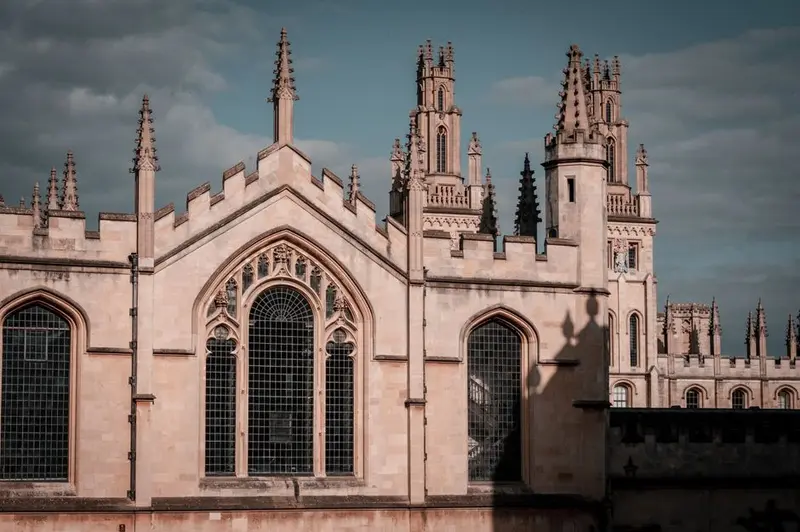
    Oxford, the "City of Dreaming Spires", is world-renowned for its prestigious university and impressive architecture. Here you'll find a unique blend of centuries-old tradition and vibrant student life. Among its most prominent sights are the venerable colleges like Christ Church and Magdalen College, the Bodleian Library and the iconic Radcliffe Camera. The Ashmolean Museum offers a rich collection of art and archaeology, while the historic Covered Market showcases local specialities and crafts. The city, home to the oldest university in the English-speaking world, breathes history through its cobblestone streets. To authentically experience the academic atmosphere, a visit outside of term time is recommended, when student numbers are lower. A stroll through the college gardens or a relaxed punting tour on the River Cherwell will complete the experience and offer you new perspectives on the city.
    • Neighborhoods & highlights
    • Walking tours
    • Eat & drink
    • Food culture
    • Culture
    • Getting around
    • Excursions
    • Accommodation
    • Plan trip
    • Nearby
    • Neighborhoods & highlights
    • Walking tours
    • Eat & drink
    • Food culture
    • Culture
    • Getting around
    • Excursions
    • Accommodation
    • Plan trip
    • Nearby

    Overview

    Oxford is known for its university and Gothic architecture. Here, you'll find a unique blend of centuries-old tradition and vibrant student life. Highlights include the famous colleges, the Bodleian Library, and the Radcliffe Camera. The Ashmolean Museum and the historic Covered Market offer cultural and culinary insights. The city breathes history as home to the oldest university in the English-speaking world. For a relaxed experience, a visit outside term-time is recommended; a punting tour on the River Cherwell offers new perspectives.

    Places in Oxford

    Discover the most important sights and attractions

    Sights in Oxford

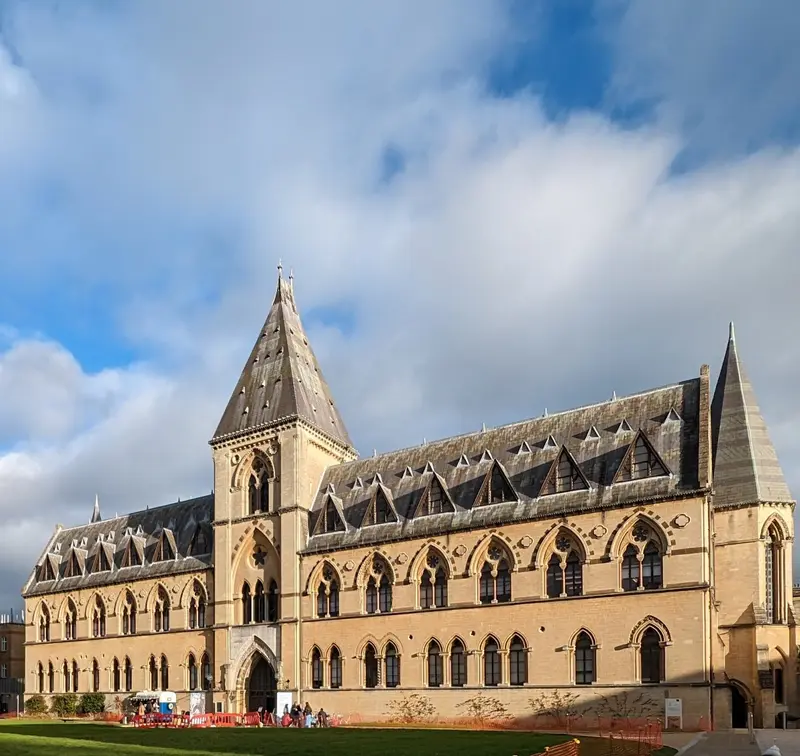
    Oxford University Museum of Natural History

    Oxford University Museum of Natural History

    The Oxford University Museum of Natural History is a premier centre for natural science research in Britain. Housed in an impressive Victorian-Gothic building, its light-filled interior boasts intricate ironwork and glass roof. It houses extensive collections documenting Earth's diverse life and geological history. Admire fossils, including dinosaur skeletons, plus minerals, insects, and preserved animals. Historically, it also famously hosted the 1860 debate on Darwin's theory of evolution. Serving public education and Oxford University's academic research, it offers deep insights into natural history and scientific knowledge development.
    Open in Google Maps
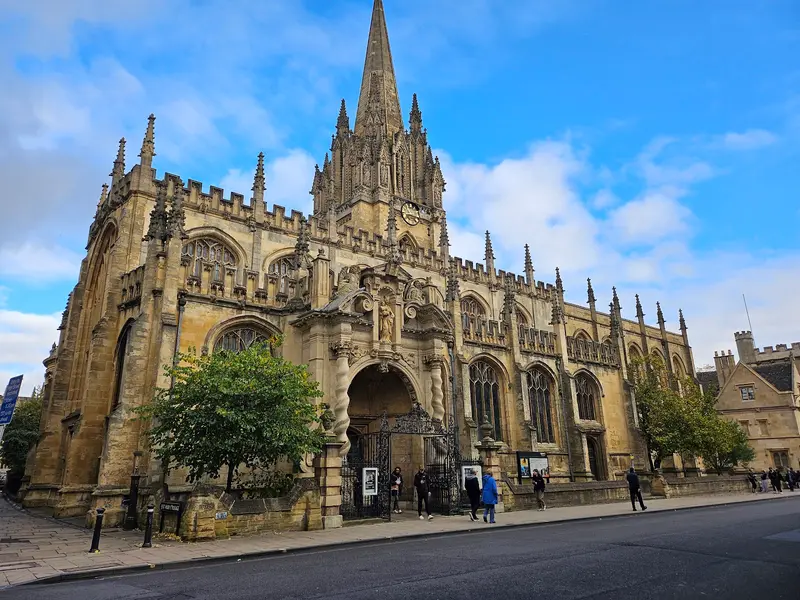
    Church of St Mary the Virgin

    Church of St Mary the Virgin

    The University Church of St Mary the Virgin is Oxford's official university church and a central point in the history of the city and its educational institution. Located on High Street, it is a striking example of Gothic architecture that has been extended and modified over centuries. Inside, you'll discover a rich history, as it once hosted important university assemblies and significant sermons. The church played a decisive role in the academic and religious life of the university. Particularly noteworthy is the tower, which you can climb. From the top, you'll enjoy extensive views over Oxford's famous "Dreaming Spires" and the surrounding colleges. The various architectural phases are visible throughout the building, narrating its long development. Here, you'll experience not only a place of worship but also a living testament to the university's history.
    Open in Google Maps
    Port Meadow

    Port Meadow

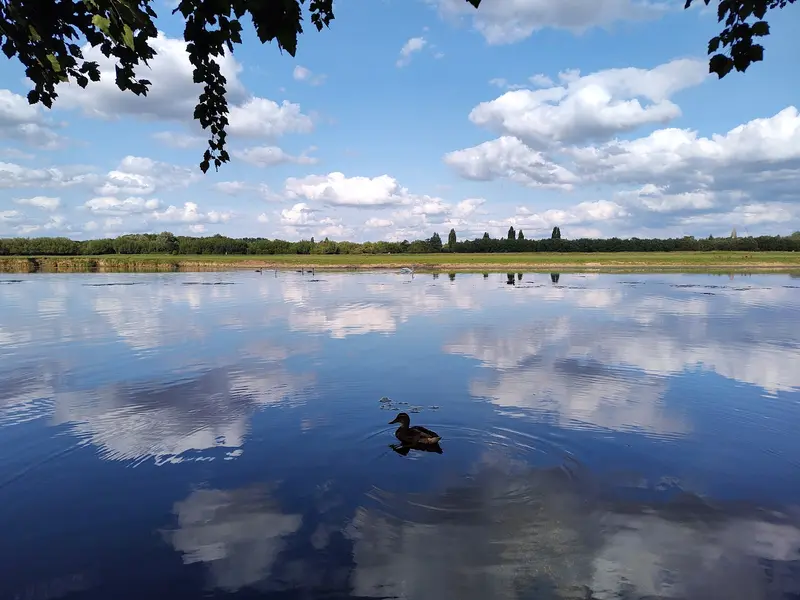
    Port Meadow is an extensive green space on the northwestern edge of Oxford. It is a historic pastureland, used as common land for centuries. This tradition of shared use still shapes its character, making it a unique place. You'll find wide open spaces here, perfect for walking, jogging, and relaxing. The River Thames, often locally known as the Isis, flows along its edge, offering picturesque views of the river landscape. Here you can enjoy nature undisturbed, often observing wild horses or cattle grazing. From certain elevated points, there's also a view of the city's famous spires and rooftops. Port Meadow is an important recreational area, offering peace and expanse amidst the bustling university city.
    Open in Google Maps
    The Sheldonian Theatre

    The Sheldonian Theatre

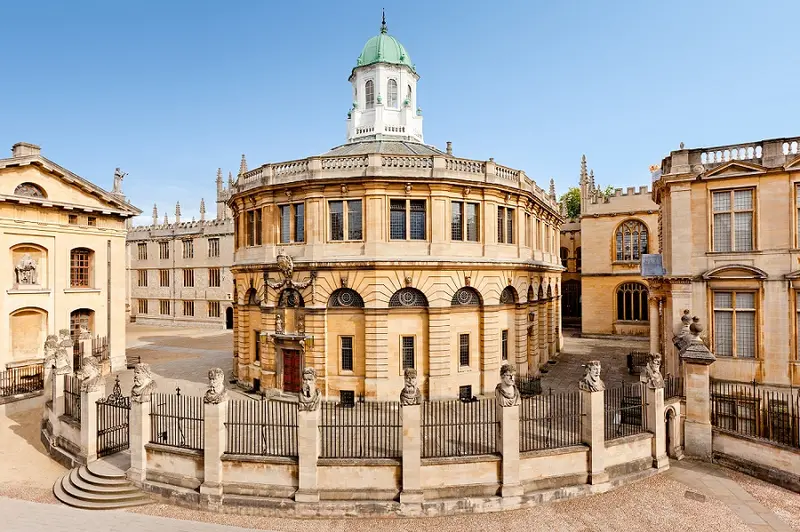
    The Sheldonian Theatre in Oxford is a significant university building and an early work by the renowned architect Christopher Wren. You'll find it in the heart of the city, not far from other historic university buildings. It was originally conceived as a ceremonial hall and continues to serve today as a venue for important university events, including matriculation and graduation ceremonies. Its architecture is inspired by classical Roman theatres, which is reflected in its semicircular shape and imposing façade. Inside, a grand hall with a remarkable ceiling painting awaits you. Often, you have the opportunity to climb the cupola, from which a panoramic view over the rooftops of Oxford and the surrounding colleges unfolds. It is a place that makes the long history and academic tradition of the University of Oxford tangible.
    Open in Google Maps
    Radcliffe Camera

    Radcliffe Camera

    The Radcliffe Camera is an iconic structure in the heart of Oxford and a central component of the world-famous Bodleian Library. You'll find this architecturally impressive building amidst the historic university buildings, where it significantly shapes the cityscape. It was erected as a library and continues to serve as an important reading room for students and researchers of Oxford University. The building is distinguished by its striking round shape and elegant Palladian architecture, making it a popular photo opportunity. From the outside, you can admire the detailed facade and the imposing dome, which represents a masterpiece of its era. The Radcliffe Camera is not only a functional library building but also a symbol of Oxford's rich academic tradition and architectural splendor. Although access to the interior is primarily reserved for university members, its exterior view already offers deep insight into the history and significance of this location.
    Open in Google Maps

    City walks in Oxford

    Curated walking tours through the city's highlights — handpicked by experienced travel journalists.

    Oxfords Historische Pfade: Ein 2-stündiger Stadtspaziergang

    Entdecken Sie die akademische Pracht und zeitlose Schönheit Oxfords auf einem entspannten zweistündigen Rundgang. Dieser Spaziergang führt Sie zu den berühmtesten Colleges, beeindruckendsten Bibliotheken und malerischsten Gassen, die die 'Stadt der träumenden Türme' zu bieten hat. Tauchen Sie ein in Jahrhunderte von Wissen und Geschichte, während Sie die charmante Atmosphäre dieser einzigartigen Universitätsstadt auf sich wirken lassen.

    ~2 Std.
    In Google Maps öffnen
    Stopps (6)

    Restaurants in Oxford

    Food & Drink

    Oxford's gastronomy offers a diverse mix of traditional pub culture and international cuisine. You'll find classic British dishes like Sunday Roast in historic pubs, especially around High Street, or discover modern cafés and diverse restaurants along the lively Cowley Road.

    Local specialities

    In Oxford you'll find local restaurants, cafés and markets with regional specialities. Taste your way through the dishes typical of the region.

    History, Art and Academic Traditions of Oxford

    Oxford, synonymous with academic excellence, is deeply rooted in the Middle Ages. Its emergence as an intellectual hub dates back to the 11th century, with the formal establishment of the University of Oxford, making it the oldest university in the English-speaking world. Over centuries, it shaped significant eras, from the rise of Scholasticism to the Enlightenment and beyond, playing a central role in European intellectual history.The city is renowned for its distinctive architecture, often described as the “Dreaming Spires”. Gothic grandeur meets elements of Classicism and the Renaissance here, visible in its colleges, chapels, and the iconic Bodleian Library. Buildings like the Radcliffe Camera and the Sheldonian Theatre attest to masterful design and functional beauty that continues to captivate today.Life in Oxford is closely intertwined with the local traditions of the University. These include the solemn matriculation ceremonies, the centuries-old college rituals, and events like the traditional “May Morning” celebration at Magdalen Tower. These customs not only shape academic daily life but also the city’s cultural fabric and identity.Culturally, Oxford is a city where knowledge and art are inextricably linked. Museums like the Ashmolean Museum house significant collections, while countless readings, concerts, and theatre performances take place throughout the year. The presence of scholars and students from all over the world gives the city a dynamic, cosmopolitan atmosphere, characterized by intellectual curiosity and a deep appreciation for education and research.

    Getting around

    Oxford is a wonderfully pedestrian-friendly city; its historic centre with its colleges and alleys is best explored on foot. For longer distances and to get beyond the city limits, the extensive bus network of the Oxford Bus Company and Stagecoach is the primary option, as Oxford has neither a metro nor a tram. We recommend using contactless payments or the respective bus apps for digital tickets and flexible multi-journey passes to avoid waiting times.A popular alternative is the bicycle, which you can rent from numerous rental stations; privately owned e-scooters are also common, while public rental systems are regulated. Taxis and ride-sharing services like Uber are readily available, offering a convenient option for longer journeys or late at night. Note that many central areas are restricted for private car traffic; instead, use the efficient Park & Ride systems on the city's outskirts to reach the centre stress-free.

    Excursions & Activities

    Recommended activities

    Around Oxford there are rewarding day trips and activities – from sights and nature to the surrounding area.

    Accommodations in Oxford

    Accommodation

    Places to stay

    In and around Oxford there are places to stay across different categories and price ranges – from simple to comfortable.

    Accommodations in Oxford

    Find perfect stay in Oxford

    Booking.com
    Search Hotels
    Agoda
    Search Hotels
    Airbnb
    Vacation Rentals
    Hotels.com
    Hotels Worldwide
    Hostelworld
    Hostels

    Campgrounds in Oxford

    Find perfect campground in Oxford

    Search via Google Maps
    Campgrounds nearby (15km)
    Camping.info
    Find Campgrounds
    Park4Night
    RV Parks & Camping

    Plan your trip to Oxford

    Save places, build a route and plan your city trip — all in one place.

    Save places

    Bookmark sights, restaurants and neighborhoods you're interested in.

    Build your route

    Turn your bookmarks into a route — define order, days and budget.

    Refine with AI

    Let Mein Fernweh suggest experiences and put together a tailored daily plan.

    Start trip planningOpen bookmarks

    Locations nearby

    These places are nearby — perfect for additional days or a day trip.

    Bourton-on-the-Water

    Bourton-on-the-Water

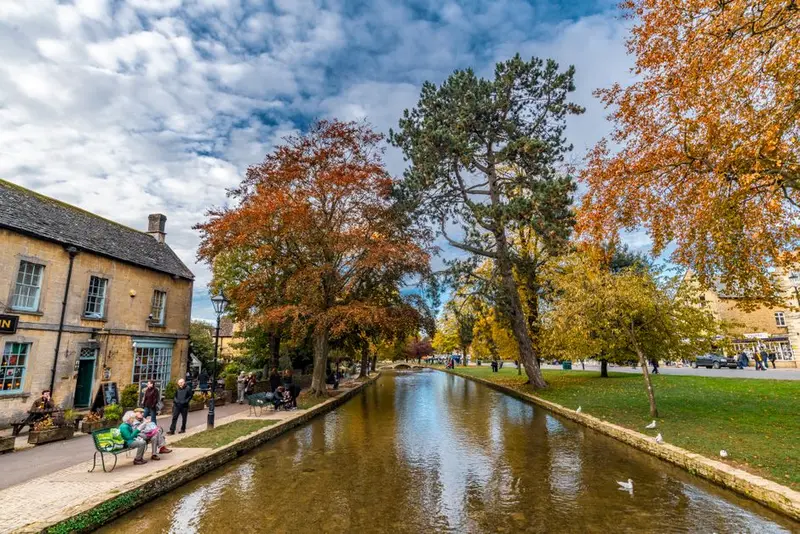
    Bourton-on-the-Water, often known as "the Venice of the Cotswolds," captivates with the gently flowing River Windrush and its low stone bridges. This picturesque village in Gloucestershire presents an English idyll with its honey-coloured Cotswold stone houses. Visit the Cotswold Motoring Museum with its historic vehicle collection and the meticulously detailed Model Village. Stroll along the river and through the alleys, where you'll find charming tea rooms and traditional shops. The Birdland Park and Gardens also offers a variety of exotic birds. To enjoy the tranquility of the place, a visit in spring or autumn is recommended; come early in the morning to avoid the crowds.
    Stow-on-the-Wold

    Stow-on-the-Wold

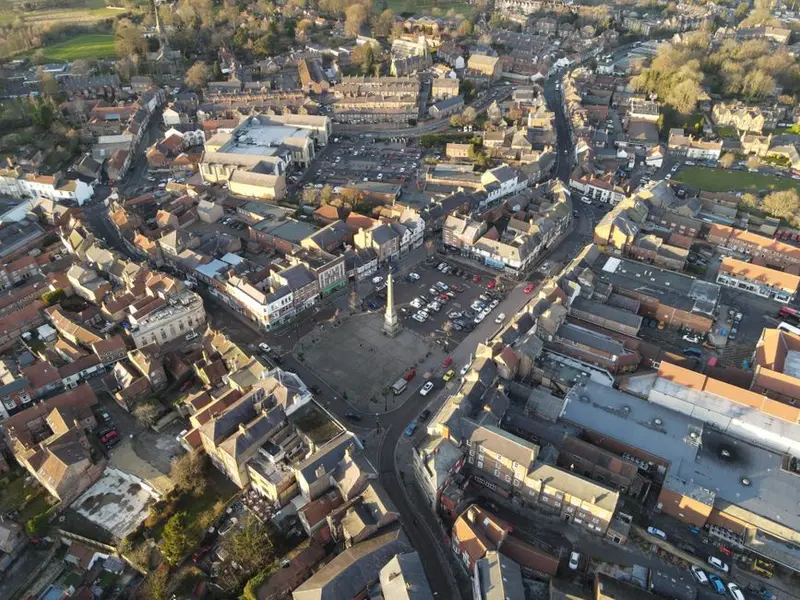
    Perched on a hill, Stow-on-the-Wold is a historic market town with a large market square, old inns, and a unique door in the church.
    Bibury

    Bibury

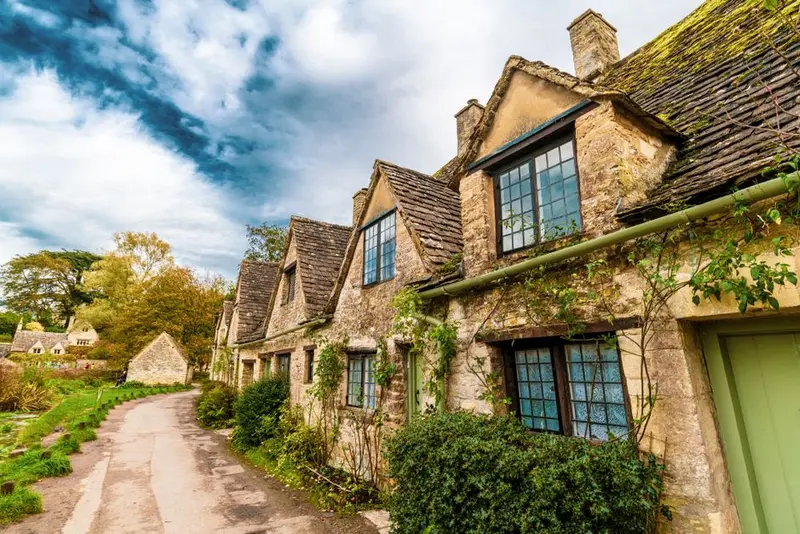
    Bibury, located in the heart of the Cotswolds, is considered the epitome of a traditional English village. Here you will find the world-famous Arlington Row, a picturesque row of 17th-century stone cottages that once served as weavers' cottages and are now a national monument. The idyllic River Coln flows gently through the village and feeds the historic Bibury Trout Farm, one of Britain's oldest fish farms. The architecture reflects the region's rich history, with St. Mary's Church serving as further testament to its Anglo-Saxon origins. For an authentic experience away from the largest crowds, a visit in the early morning hours or outside the summer months is recommended. A stroll along the river offers insights into the pristine nature and rural culture of this special place.
    Cotswolds

    Cotswolds

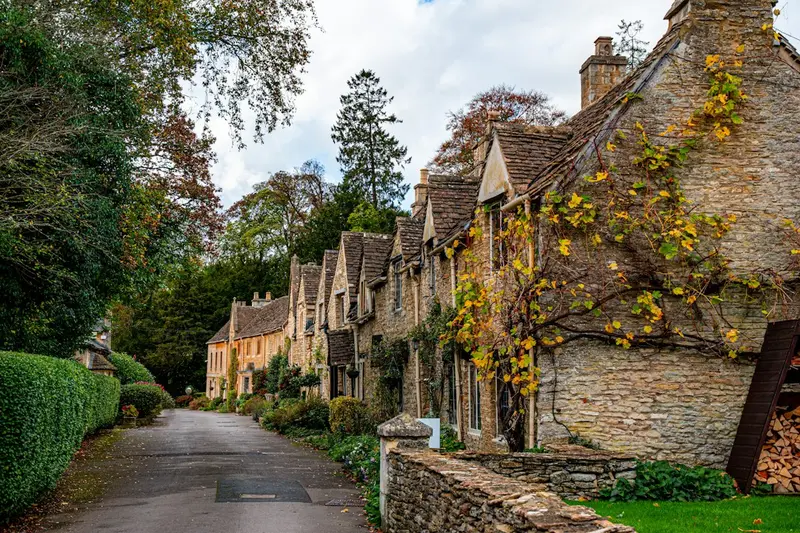
    The Cotswolds, a region of exceptional natural beauty in Southwest England, enchant you with their gentle, green hills and picturesque villages of honey-coloured stone. This idyllic landscape is the perfect place to escape daily life and enjoy British rural romance to the fullest.
    Chipping Campden

    Chipping Campden

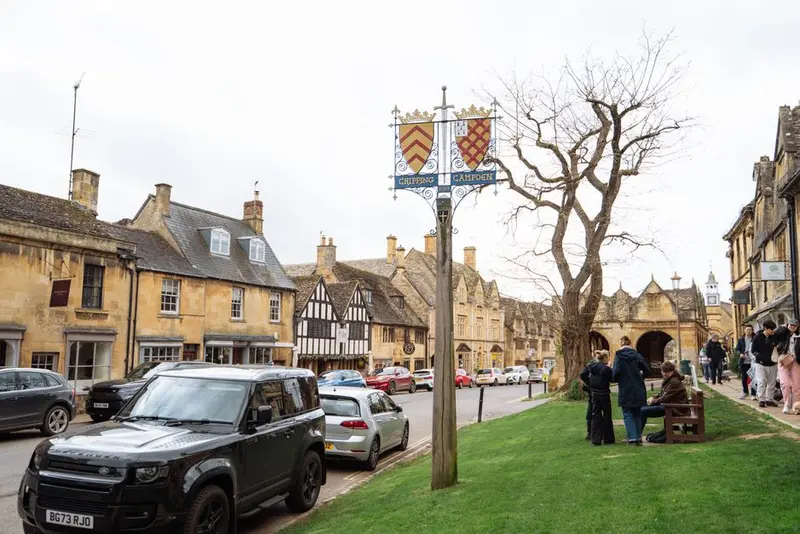
    Chipping Campden, a jewel of the Cotswolds, captivates with its historic High Street and characteristic honey-coloured stone houses. Its centrepiece is the historic 17th-century Market Hall, a testament to the once flourishing wool trade era. The impressive St. James' Church with its magnificent bell tower and the picturesque Almshouses are other key sights you shouldn't miss. The town was a centre of the wool trade in the Middle Ages and later an important hub for the Arts and Crafts movement, whose legacy is reflected in many details. You can perfectly explore the surroundings on the Cotswold Way, which leads directly through the town. A visit in late spring or early autumn is ideal to avoid the crowds and experience the gardens in their full glory.