Perched on a hill, Stow-on-the-Wold is a historic market town with a large market square, old inns, and a unique door in the church.
Overview
Stow-on-the-Wold presents itself as a historic market town in the Cotswolds, known for its elevated position and traditional character. The central market square, once a significant hub for wool trade, still houses the historic Market Cross and the original stocks. A prominent landmark is St. Edward's Church, whose unique, yew-flanked door is often referred to as the 'Tolkien-inspiration door'. In the town, you'll find a selection of independent shops, antique stores, and traditional pubs that define the local character. Its wide streets attest to its past as a focal point for sheep markets and trade over centuries. For a quieter visit, the off-season in spring or autumn is recommended to explore the picturesque lanes and the surrounding Cotswolds landscape. Explore the narrow 'tures' – old pedestrian paths – to discover hidden architecture and traditional corners.
Places in Stow-on-the-Wold
Discover the most important sights and attractions
Sights in Stow-on-the-Wold
The Whittlestone
In Stow-on-the-Wold, you'll come across the Whittlestone, a prominent old stone deeply rooted in local history. This natural landmark is more than just a rock; it's a silent witness to the long settlement history of this charming Cotswold region. You'll find that the Whittlestone exudes a special presence, recalling past eras and local myths. It stands as a symbol of permanence and the community's profound connection to its land. For visitors, the Whittlestone offers an intriguing focal point, prompting reflection on Stow-on-the-Wold's heritage and cultural landscape. It is a simple, yet meaningful part of the local heritage, making the region's rich history tangible.
The Our Lady & St Kenelm R C Church in Stow-on-the-Wold is a Roman Catholic church dedicated to the Virgin Mary and Saint Kenelm. It serves the local Catholic community as its central place of worship and offers you a place of peace and contemplation. As an integral part of the religious life in this historic market town, its architecture often reflects the building style of its period of origin, typically from the 19th or 20th century. Here, you'll gain insight into the presence of the Catholic faith in the region. The church stands as a silent witness to local history and the enduring faith of the community.
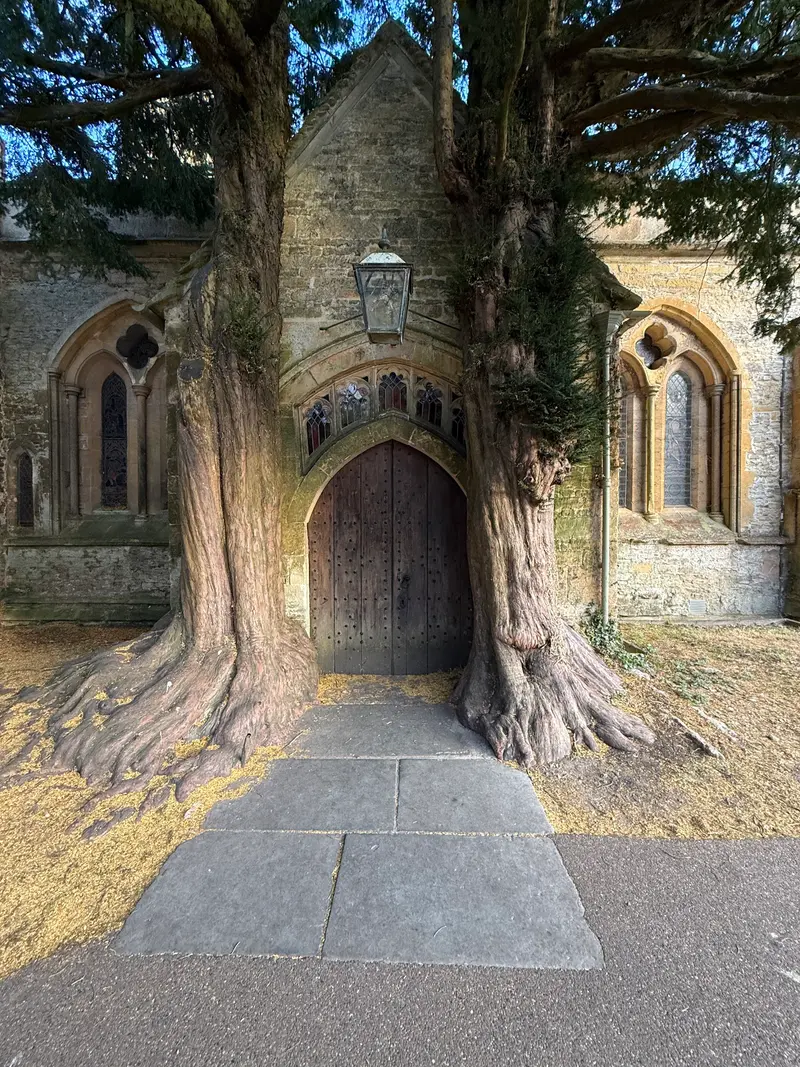
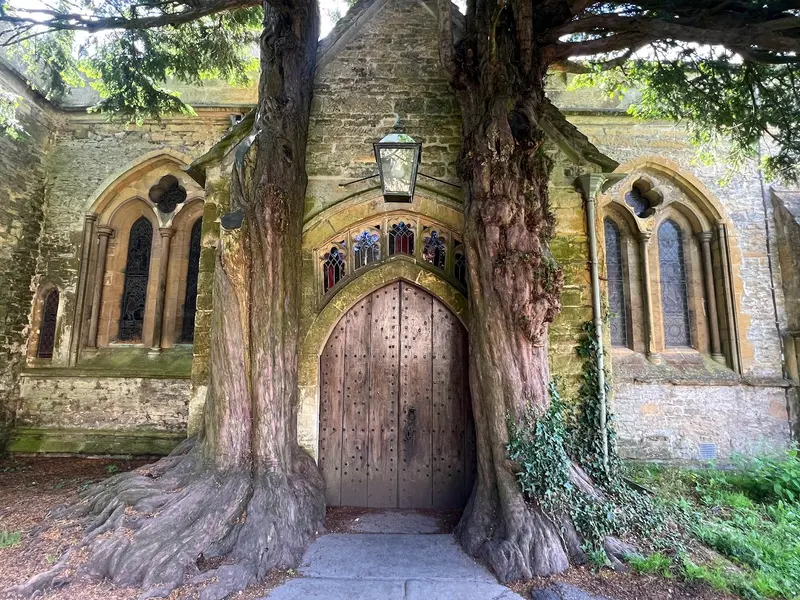
In Stow-on-the-Wold, a picturesque Cotswold town, you'll find a remarkable door at St. Edward's Church. This venerable church features an entrance flanked by two mighty yew trees. For decades, their branches have grown and intertwined, forming an impressive, natural arch above the door. Its unique, almost mystical appearance leads many visitors, especially J.R.R. Tolkien enthusiasts, to note a striking resemblance to the *Doors of Durin* from 'The Lord of the Rings'. It's a place sparking imagination, bridging the real world and literary creation. Enjoy the church's tranquility and the special atmosphere of this naturally formed entrance, which has become an unofficial pilgrimage site for Tolkien fans.
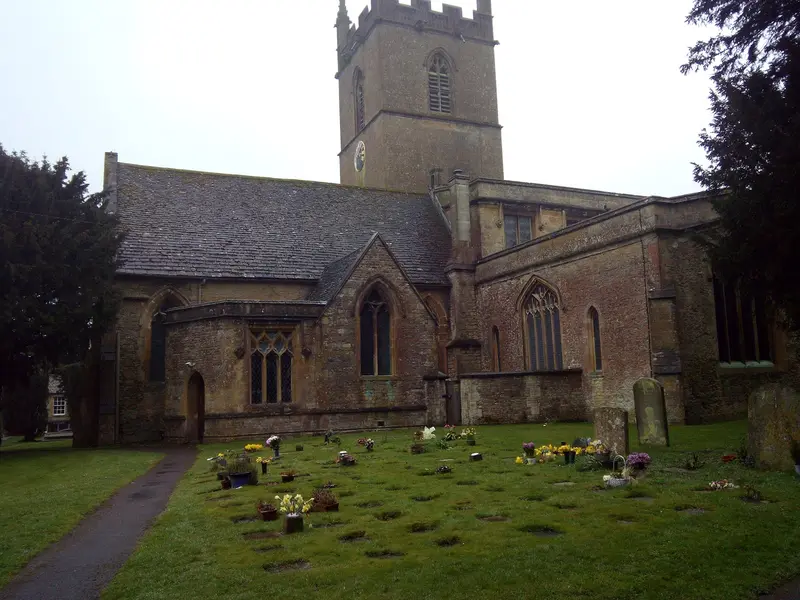
St Edward's Church in Stow-on-the-Wold is a central landmark of the historic market town and a remarkable example of English church architecture. You'll find it in the heart of the Cotswolds, nestled in picturesque surroundings. Particularly well-known is its North Portal, flanked by two ancient yew trees whose dense branches form a unique, almost tunnel-like entrance. These impressive trees lend the spot a special, timeless atmosphere and have become an iconic motif. Inside, you'll discover a typical English parish church with a long history, its construction phases spanning several centuries. Here, you can enjoy the tranquil and contemplative mood and explore the architectural details that bear witness to the town's development. The church is an important part of Stow-on-the-Wold's cultural heritage and invites quiet contemplation.
Curated walking tours through the city's highlights — handpicked by experienced travel journalists.
Stows Charme: Ein Spaziergang durch die Cotswolds-Perle
Entdecken Sie die malerischen Gassen und historischen Geheimnisse von Stow-on-the-Wold. Dieser gemütliche Rundgang führt Sie zu den ikonischsten Sehenswürdigkeiten und charmanten Geschäften, die diese Cotswolds-Stadt so einzigartig machen.
In Stow-on-the-Wold, you'll find a **culinary scene** ranging from traditional pubs to charming tearooms. Here you can enjoy hearty British cuisine and discover local specialities, often using fresh produce from the Cotswolds region.
Local specialities
In Stow-on-the-Wold you'll find local restaurants, cafés and markets with regional specialities. Taste your way through the dishes typical of the region.
Culture and History of Stow-on-the-Wold
Stow-on-the-Wold, a prominent market town in the Cotswolds, boasts a rich history deeply rooted in the English wool trade. Its medieval origins as a hill fortification, a "stow" (from a holy place) on the "wold" (upland), destined it to become a central trading hub. For centuries, the town was renowned for its vast sheep markets, which attracted traders and buyers from across England and established the region's prosperity.
Architecturally, Stow is dominated by the distinctive light Cotswold stone. The expansive Market Square, surrounded by elegant buildings and home to the old Market Cross, bears witness to its former importance. St. Edward's Church, an imposing structure with Norman origins, is particularly noteworthy for its north door, flanked by two very ancient yew trees – an iconic motif of the town. Numerous narrow lanes and "Ginnels", which once guided livestock, now crisscross the town.
Culturally, Stow-on-the-Wold preserves its heritage as a traditional market town. Although the vast sheep markets are a thing of the past, the tradition of trade lives on in smaller weekly markets and a variety of antique shops and art galleries. These reflect the appreciation for craftsmanship and local products, attracting visitors seeking an authentic Cotswold experience.
Getting Around Town
Stow-on-the-Wold is a charming market town in the Cotswolds, ideally explored on foot. Its compact size and picturesque lanes invite visitors to discover the area at a leisurely pace, making it extremely pedestrian-friendly.Naturally, there is no underground, metro, or tram network here. However, local bus services are available for connections to surrounding villages and the nearest train station in Moreton-in-Marsh. It is advisable to check schedules and ticket options – often single fares or day tickets – in advance online or via local information points, as services may be less frequent.Cycling is an excellent and environmentally friendly way to explore the idyllic Cotswolds landscape independently, with various rental stations available in the region; however, e-scooters are not common or regulated here. Taxis are available but should be **booked in advance**, especially in the evenings or for longer journeys, as ride-sharing services are less common in this rural area. For arrival, it is therefore recommended to travel by train to Moreton-in-Marsh and then take a short bus or taxi transfer to reach the picturesque surroundings stress-free.
Excursions & Activities
Recommended activities
Around Stow-on-the-Wold there are rewarding day trips and activities – from sights and nature to the surrounding area.
Accommodations in Stow-on-the-Wold
Accommodation
Places to stay
In and around Stow-on-the-Wold there are places to stay across different categories and price ranges – from simple to comfortable.
These places are nearby — perfect for additional days or a day trip.
Bourton-on-the-Water
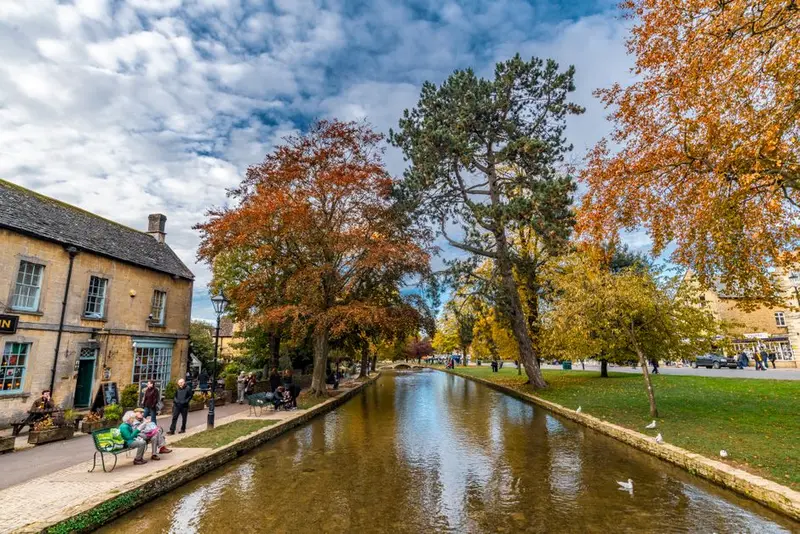
Bourton-on-the-Water, often known as "the Venice of the Cotswolds," captivates with the gently flowing River Windrush and its low stone bridges. This picturesque village in Gloucestershire presents an English idyll with its honey-coloured Cotswold stone houses. Visit the Cotswold Motoring Museum with its historic vehicle collection and the meticulously detailed Model Village. Stroll along the river and through the alleys, where you'll find charming tea rooms and traditional shops. The Birdland Park and Gardens also offers a variety of exotic birds. To enjoy the tranquility of the place, a visit in spring or autumn is recommended; come early in the morning to avoid the crowds.
Cotswolds
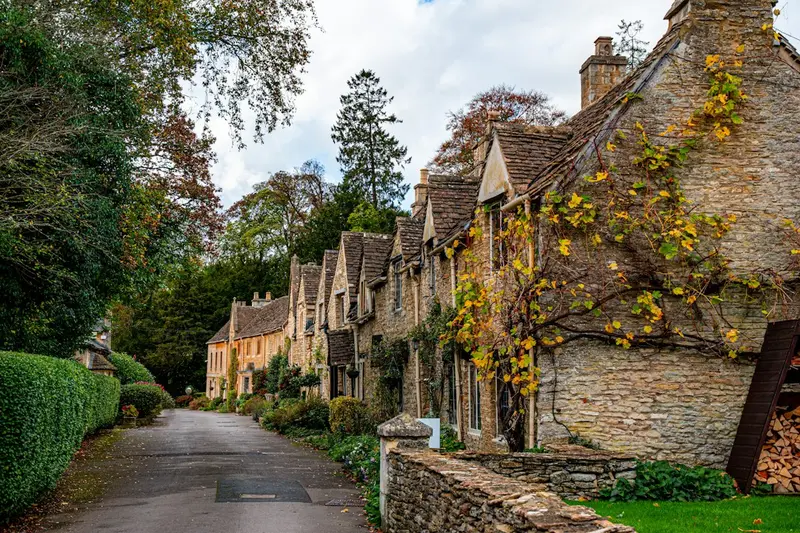
The Cotswolds, a region of exceptional natural beauty in Southwest England, enchant you with their gentle, green hills and picturesque villages of honey-coloured stone. This idyllic landscape is the perfect place to escape daily life and enjoy British rural romance to the fullest.
Chipping Campden
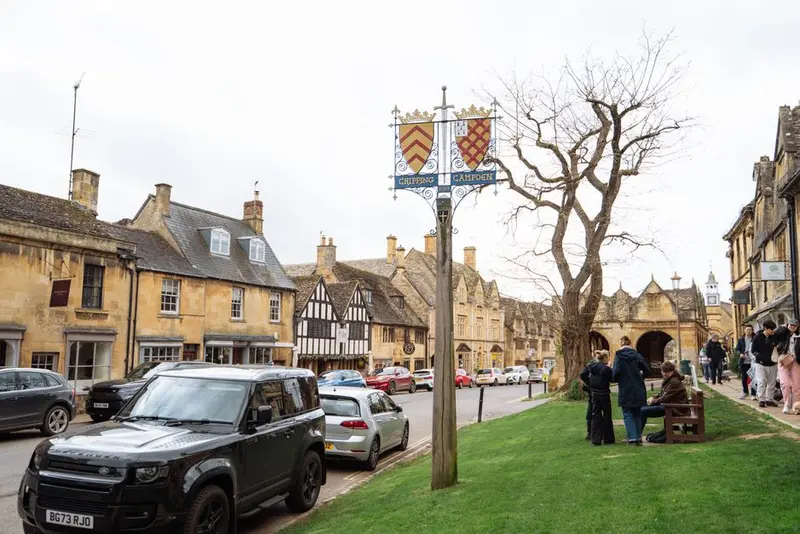
Chipping Campden, a jewel of the Cotswolds, captivates with its historic High Street and characteristic honey-coloured stone houses. Its centrepiece is the historic 17th-century Market Hall, a testament to the once flourishing wool trade era. The impressive St. James' Church with its magnificent bell tower and the picturesque Almshouses are other key sights you shouldn't miss. The town was a centre of the wool trade in the Middle Ages and later an important hub for the Arts and Crafts movement, whose legacy is reflected in many details. You can perfectly explore the surroundings on the Cotswold Way, which leads directly through the town. A visit in late spring or early autumn is ideal to avoid the crowds and experience the gardens in their full glory.
Bibury
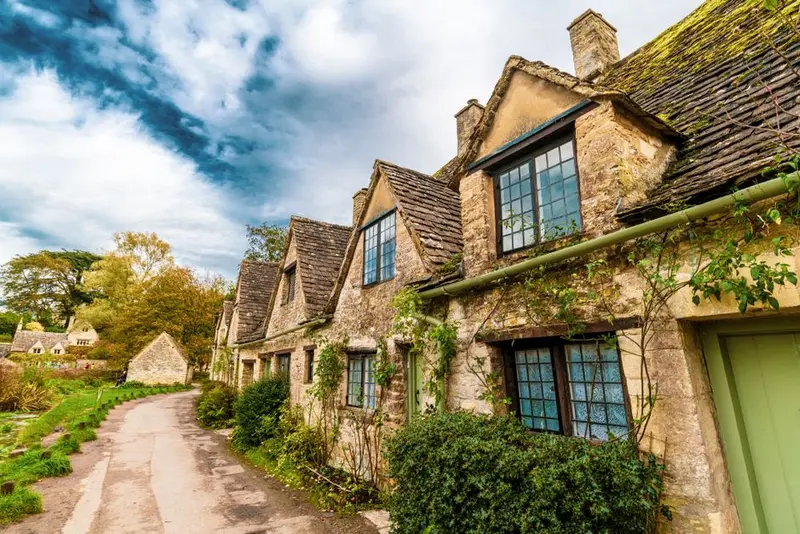
Bibury, located in the heart of the Cotswolds, is considered the epitome of a traditional English village. Here you will find the world-famous Arlington Row, a picturesque row of 17th-century stone cottages that once served as weavers' cottages and are now a national monument. The idyllic River Coln flows gently through the village and feeds the historic Bibury Trout Farm, one of Britain's oldest fish farms. The architecture reflects the region's rich history, with St. Mary's Church serving as further testament to its Anglo-Saxon origins. For an authentic experience away from the largest crowds, a visit in the early morning hours or outside the summer months is recommended. A stroll along the river offers insights into the pristine nature and rural culture of this special place.
Oxford
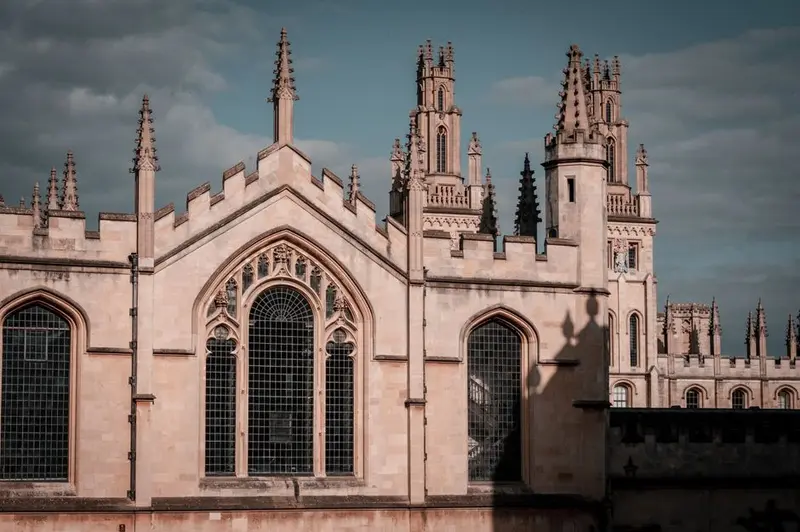
Oxford, the "City of Dreaming Spires", is world-renowned for its prestigious university and impressive architecture. Here you'll find a unique blend of centuries-old tradition and vibrant student life. Among its most prominent sights are the venerable colleges like Christ Church and Magdalen College, the Bodleian Library and the iconic Radcliffe Camera. The Ashmolean Museum offers a rich collection of art and archaeology, while the historic Covered Market showcases local specialities and crafts. The city, home to the oldest university in the English-speaking world, breathes history through its cobblestone streets. To authentically experience the academic atmosphere, a visit outside of term time is recommended, when student numbers are lower. A stroll through the college gardens or a relaxed punting tour on the River Cherwell will complete the experience and offer you new perspectives on the city.