Fernweh: Home
    ExploreTravel GuidesPlan a tripMy tripLast visited
    de|en
    All Places & RegionsAll highlightsAbout FernwehFAQPrivacy PolicyImprint
    ExploreTravel GuidesPlan a tripMy tripLast visited
    • Overview
    • Places in the region
    • Eat & drink
    • Food culture
    • Culture
    • Getting around
    • Nearby
    Pays de la Loire

    France

    Pays de la Loire

    Region

    The Pays de la Loire stretches along the lower course of the Loire to the Atlantic coast.

    by Felix Gillen

    1. Home
    2. Destinations
    3. France
    4. Pays de la Loire
    The Pays de la Loire stretches along the lower course of the Loire to the Atlantic coast. The region includes cities like Nantes, Angers, and Le Mans, the châteaux and vineyards of Anjou and around Saumur, as well as the coasts of Loire-Atlantique and Vendée with islands such as Noirmoutier and Yeu.
    The Pays de la Loire stretches along the lower course of the Loire to the Atlantic coast, blending history with diverse landscapes. Anjou boasts castles like Saumur, Brissac, and Montsoreau, and the western part of the UNESCO World Heritage Loire Valley reaches Chalonnes. In Nantes, the former residence of the Dukes of Brittany, you can visit the Château des Ducs de Bretagne and explore contemporary art. The Vendée coast is known for its seaside resorts and salt marshes, while Anjou is famed for its vineyards and the fortress of Angers. Regional cuisine focuses on seafood and Muscadet. Spring and early autumn are ideal for a trip; the river landscape is best experienced on the cycling route Loire à Vélo.
    Les Sables d'Olonne

    Place 1 of 4

    Les Sables d'Olonne

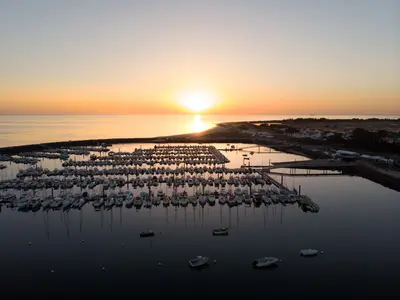
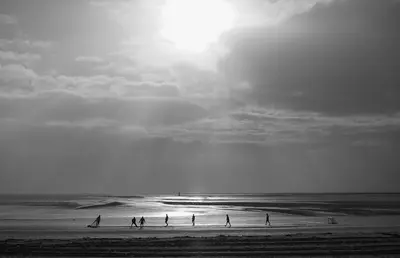
    Les Sables d'Olonne is a coastal town on the Atlantic coast of the Vendée. It combines beach life, an active fishing and yacht port, and the atmosphere of a French seaside resort.

    Discover
    Noirmoutier

    Place 2 of 4

    Noirmoutier

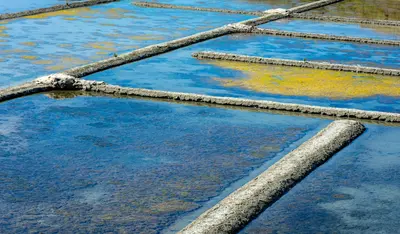
    Noirmoutier, often called the "Island of Mimosas," is located off the Atlantic coast of Vendée. The island features sandy beaches, pine forests, and salt marshes.

    Discover
    Pornic

    Place 3 of 4

    Pornic

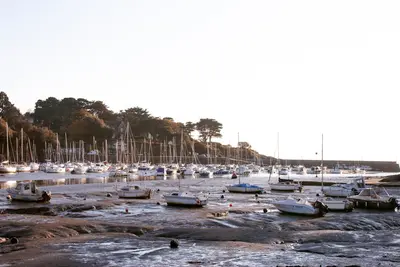
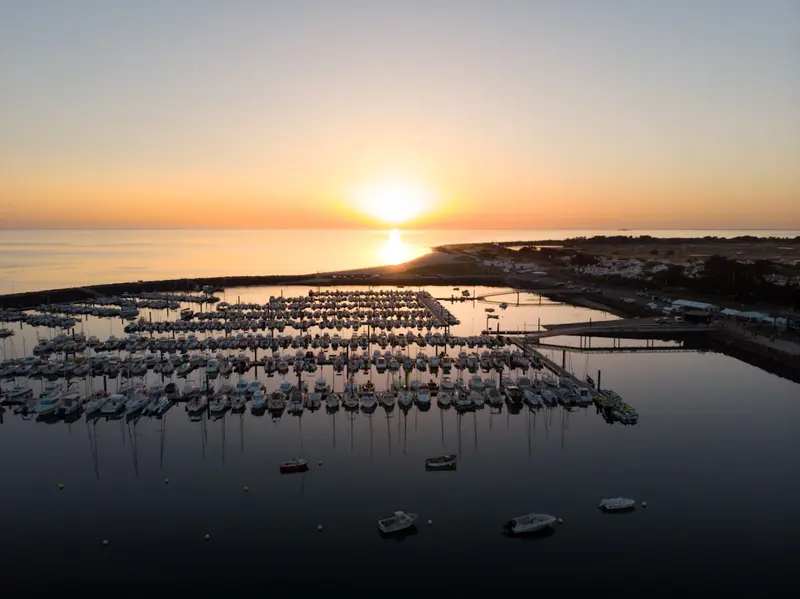
    Pornic is a coastal town on the Côte de Jade in the Loire-Atlantique department. The town features a historic port below a medieval castle, small sandy coves, and a coastal path.

    Discover
    Angers

    Place 4 of 4

    Angers

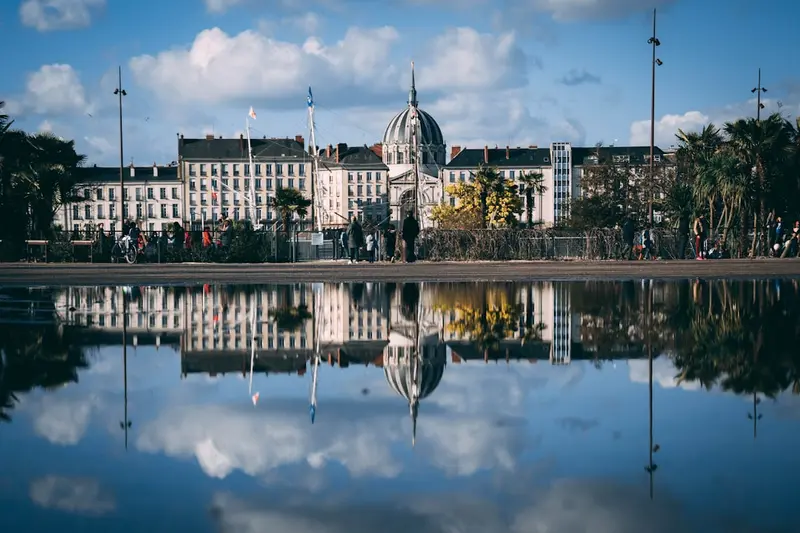
    Angers, the historic capital of Anjou, combines a rich heritage with vibrant student life. At its heart stands the Château d'Angers, a 13th-century fortress housing the 14th-century Apocalypse Tapestry.

    Discover

    More places in Pays de la Loire

    Guérande

    Guérande

    Guérande is a medieval town whose almost completely preserved town walls define its character. You can walk around the roughly 1.4-kilometer-long fortifications and their four gates on the outer boulevard; a section of the wall walk is accessible via the museum. In the old town, you'll find the Porte Saint-Michel with the town museum and the Collegiate Church of Saint-Aubin. The area is known for the Marais salants, Guérande's salt marshes, where salt and Fleur de Sel have been harvested for centuries. A guided tour through the salt pans reveals the work of the Paludiers. Spring and autumn are ideal for a peaceful visit.
    La Baule-Escoublac

    La Baule-Escoublac

    La Baule-Escoublac is a renowned seaside resort on the Atlantic coast of Loire-Atlantique, boasting a nine-kilometer long sandy beach that stretches in a bay from Pornichet to Le Pouliguen. The town developed into a popular seaside destination in the late 19th and early 20th centuries, as evidenced by its numerous villas. Along the promenade, you'll find boutiques, restaurants, and the Casino Barrière. Away from the beach, the Parc des Dryades invites you for strolls, while in the La Baule-les-Pins district, many interwar villas are nestled among pine trees. It's quieter in spring or autumn. At La Baule's market, you can discover regional products, including salt from nearby Guérande.
    Le Mans

    Le Mans

    Le Mans in the Pays de la Loire region blends a long history with motorsport. The Cité Plantagenêt, the old town on the hill above the Sarthe, is surrounded by a well-preserved late Roman city wall and features narrow, medieval streets. Above it stands the Cathédrale Saint-Julien, with its Romanesque nave and Gothic choir. At the Circuit des 24 Heures du Mans and in the Musée des 24 Heures, you can learn more about its racing history. Outside of the June race weekend, you can explore the old town and its half-timbered houses in peace. A stroll along the Sarthe offers views of the city wall.
    Nantes

    Nantes

    Nantes, the former capital of Brittany, presents itself as a dynamic and creative metropolis on the Loire. The city combines its rich maritime and industrial heritage with a vibrant art scene, especially on the Île de Nantes. A highlight is **Les Machines de l'île**, where you can experience the Grand Éléphant and the impressive Carousel of Marine Worlds. The imposing **Château des Ducs de Bretagne** offers deep insights into regional history. Stroll through the historic Bouffay quarter and discover the elegant shopping arcade Passage Pommeraye. To optimally grasp the city's diversity, follow the green line of the "Voyage à Nantes" tour. For a relaxed experience, a visit in spring or autumn is recommended to avoid crowds.

    Sights in Pays de la Loire

    Discover the most important sights and attractions

    Chapel of the Immaculate Conception

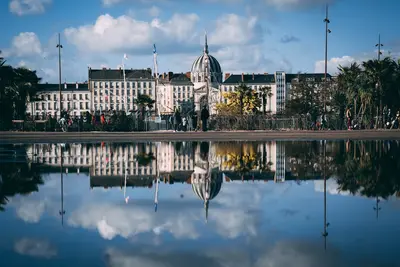
    The Chapelle de l'Immaculée-Conception is located in Nantes between the Cathedral and the Jardin des Plantes. The foundation stone of the Gothic chapel, built from granite and tufa, was laid in 1469 by the Breton Duke Francis II. It underwent transformations in the 17th and 19th centuries and was consecrated to the Immaculate Conception in 1849. It primarily serves as a house of worship, occasionally also for concerts and exhibitions. Our Tip: Check opening hours beforehand and combine your visit with a stroll to the Jardin des Plantes.
    Open in Google Maps
    Botanical Garden

    Botanical Garden

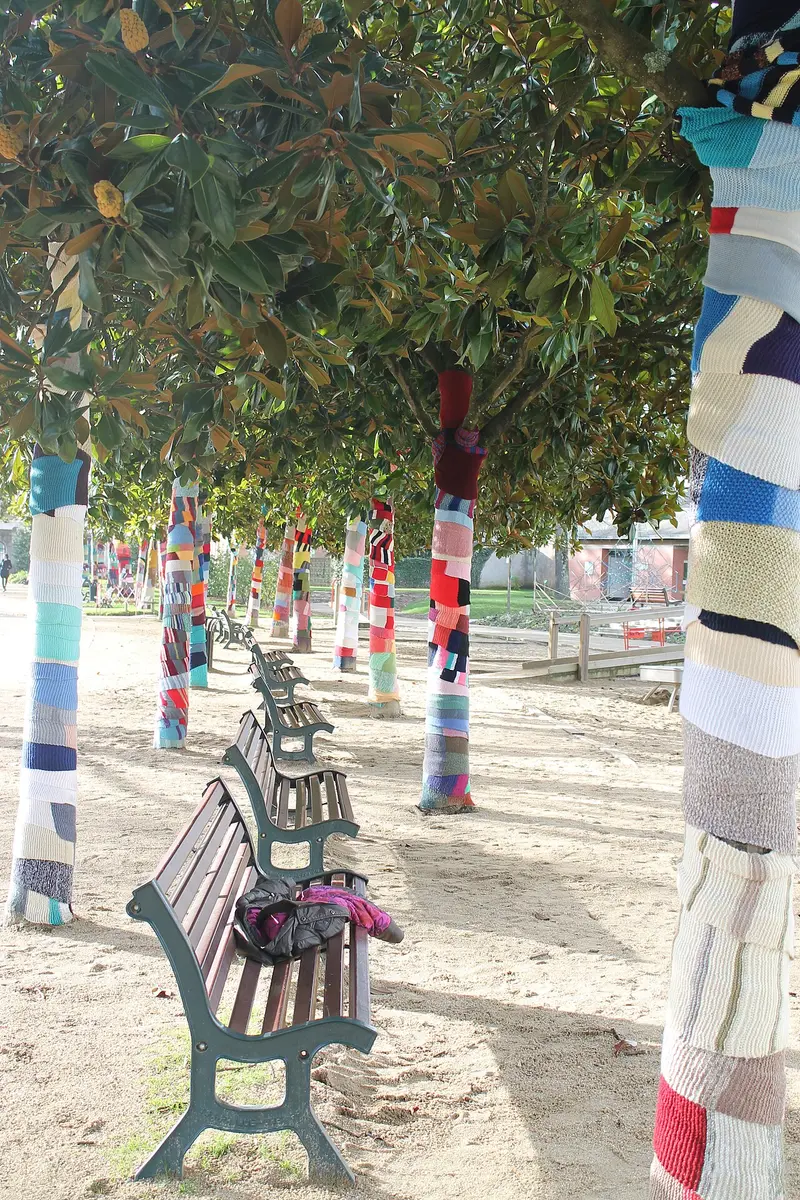
    The Jardin des Plantes in Nantes is located opposite the main train station and covers approximately seven hectares. Its origins trace back over three centuries, to a royal garden for medicinal plants in the late 17th century. Today, it is a public park with ponds, old trees, and approximately 800 square meters of greenhouses. The garden is known for its camellia collection. Between 2013 and 2017, it also gained eight permanent, often giant installations by artist Claude Ponti, which particularly appeal to children. Admission is free. Our Tip: Visit in late winter or spring when the camellias are blooming, or with children in summer for the Ponti installations.
    Open in Google Maps

    Dépodépo par C.Ponti

    Dépodépo is a permanent children's playground by artist and children's book author Claude Ponti in the Jardin des Plantes in Nantes, near the entrance on Rue Gambetta. It was created in 2017 as part of the cultural festival Le Voyage à Nantes and is designed like a giant's backyard: flowerpots become huts and arbours, along with soft hills and narrow underground crawling tunnels. Access is free of charge. Our Tip: Plan Dépodépo with children as a break during your stroll through the Jardin des Plantes.
    Open in Google Maps
    La Psalette

    La Psalette

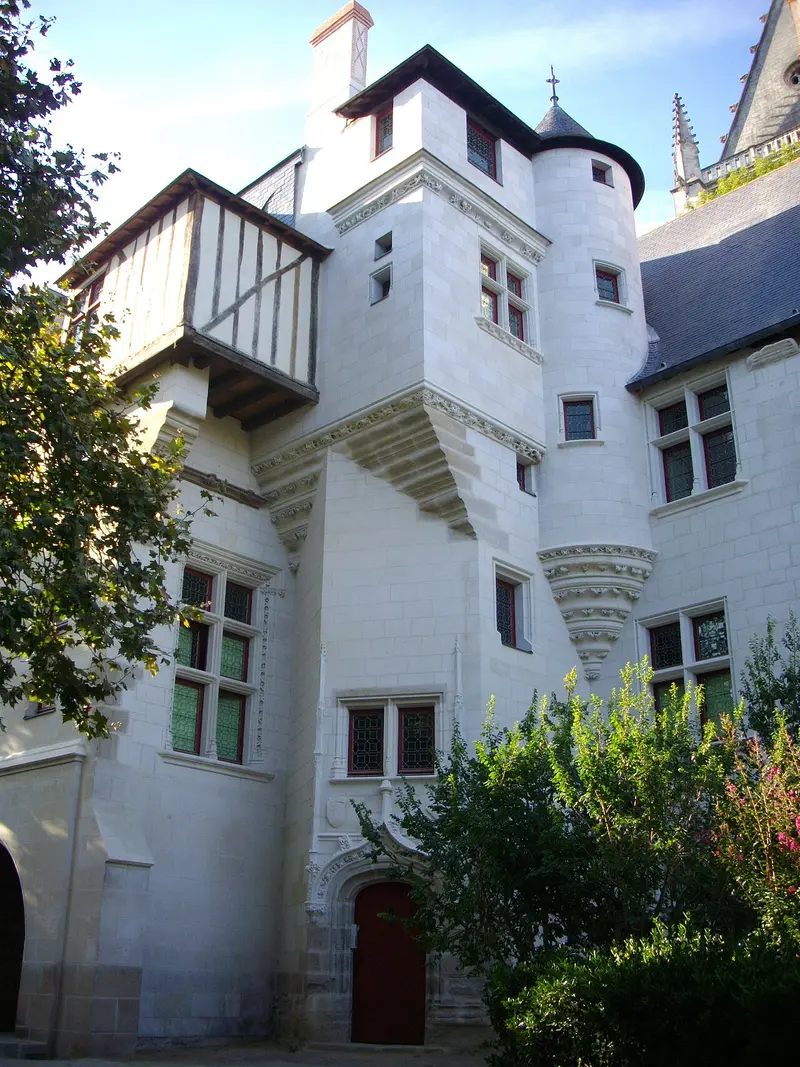
    La Psallette is a 15th-century building located right next to the Saint-Pierre-et-Saint-Paul Cathedral in Nantes. Its name refers to the choir school (psallette) that was once housed here. The house, with its stair tower, is a listed historic building; the adjoining small garden is publicly accessible and offers a quiet corner in the old town district. Our tip: Combine your stop here with a visit to the cathedral, where the tomb of Duke Francis II of Brittany is located.
    Open in Google Maps
    Les Machines de l’île

    Les Machines de l’île

    The Machines de l’île in Nantes are an art project by François Delarozière and Pierre Orefice, which has existed on the Île de Nantes since 2007. According to their own description, they combine the fantasy worlds of Jules Verne with the mechanical universe of Leonardo da Vinci. The workshops are located in the halls of the former shipyards. The most famous work is the approximately twelve-meter-high Grand Éléphant, which strolls across the site with passengers. In addition, there's the Carrousel des Mondes Marins, a three-story carousel with mechanical sea creatures. In the Galerie des Machines, you can see prototypes in action and even try some yourself.Practical Tip: Book tickets for the Elephant and carousel online in advance and come first thing in the morning or late in the afternoon. You can best photograph the Elephant from the forecourt of the halls.
    Open in Google Maps

    Food and Drink

    Shaan Tandoori

    Restaurant in 12 Rue Beauregard.
    Show on Google Maps

    Le Transition

    Bar in 11 bis Rue de la Bastille.
    Show on Google Maps

    Le Cambronne Bistrot Chic

    Restaurant in 6 Rue de l'Héronnière.
    Show on Google Maps

    ikimasho

    Restaurant in 4 Rue de Colmar.
    Show on Google Maps

    The Coffee House

    Bar in 4 Rue Lebrun.
    Show on Google Maps

    Food and Drink

    Between the mouth of the Loire and the Atlantic, river fish, seafood, and vegetables from fertile soils meet. The white wine of the region is Muscadet.

    Muscadet

    The dry white wine from the Melon de Bourgogne grape variety grows southeast of Nantes. Matured on its fine lees, it bears the designation sur lie.

    Beurre blanc

    Butter sauce with shallots and white wine, from the Nantes region, classically served with pikeperch or pike.

    Salt from Guérande

    In the clay pans behind the coast, salt has been hand-harvested since the Middle Ages. Fleur de Sel is skimmed from the water's surface.

    Mogettes and Poultry of Vendée

    White beans with ham and free-range poultry are a staple of rural cuisine south of the Loire.

    Brioche vendéenne and salted caramel

    The airy braided brioche with orange blossom water and the caramel au beurre salé are the most famous sweet specialties.

    Culture, Art & Heritage of Pays de la Loire

    The Pays de la Loire has a multifaceted cultural heritage. From Roman times through the Middle Ages to the Renaissance, the region was a borderland and a center of power: Angers was the seat of the Counts and Dukes of Anjou, Nantes the residence of the Dukes of Brittany.Architecturally, castles and châteaux define the landscape, such as the Château d'Angers with its medieval walls and the 14th-century Apocalypse Tapestry, as well as the Château de Saumur. They illustrate the evolution from fortress construction to residential palace, often built from light tuff stone.Additionally, there are Gothic cathedrals like those in Angers and Le Mans, plus the wine culture of Anjou and around Saumur with its cellars carved into the tuff. Historical festivals and cultural festivals like Le Voyage à Nantes keep the region's heritage alive.

    Exploring locally

    By TrainNantes is just over two hours from Paris by TGV, Angers one and a half, and Le Mans under an hour. From Nantes, regional lines connect to the coast, serving Pornic, Saint-Nazaire, Le Croisic, and Les Sables d'Olonne.To the CoastThe seaside resorts are well connected by rail, but the beaches between them and the Brière marshland are hardly accessible. A bridge leads to Noirmoutier; the old Passage du Gois ford is only passable at low tide and causes several misjudgments each year.By BikeThe long-distance cycle path along the Loire ends in Saint-Brevin at the estuary, where it is crossed by the Atlantic route Vélodyssée. Both routes are flat and mostly on dedicated paths, making the region unusually accessible for cycling holidays.

    Nearby

    Nantes

    Nantes

    Nantes, the former capital of Brittany, presents itself as a dynamic and creative metropolis on the Loire. The city combines its rich maritime and industrial heritage with a vibrant art scene, especially on the Île de Nantes. A highlight is **Les Machines de l'île**, where you can experience the Grand Éléphant and the impressive Carousel of Marine Worlds. The imposing **Château des Ducs de Bretagne** offers deep insights into regional history. Stroll through the historic Bouffay quarter and discover the elegant shopping arcade Passage Pommeraye. To optimally grasp the city's diversity, follow the green line of the "Voyage à Nantes" tour. For a relaxed experience, a visit in spring or autumn is recommended to avoid crowds.
    Pornic

    Pornic

    Pornic is a coastal town on the Côte de Jade in the Loire-Atlantique department. The town features a historic port below a medieval castle, small sandy coves, and a coastal path. Historically, Pornic belonged to the Duchy of Brittany, a legacy still evident today in its cuisine and townscape.
    Noirmoutier

    Noirmoutier

    Noirmoutier, often called the "Island of Mimosas," is located off the Atlantic coast of Vendée. The island features sandy beaches, pine forests, and salt marshes. It is accessible via a bridge or at low tide via the tidal road Passage du Gois. Additionally, it offers small villages, fishing ports, and a cuisine with seafood, salt, and the early potato Bonnotte.
    La Baule-Escoublac

    La Baule-Escoublac

    La Baule-Escoublac is a renowned seaside resort on the Atlantic coast of Loire-Atlantique, boasting a nine-kilometer long sandy beach that stretches in a bay from Pornichet to Le Pouliguen. The town developed into a popular seaside destination in the late 19th and early 20th centuries, as evidenced by its numerous villas. Along the promenade, you'll find boutiques, restaurants, and the Casino Barrière. Away from the beach, the Parc des Dryades invites you for strolls, while in the La Baule-les-Pins district, many interwar villas are nestled among pine trees. It's quieter in spring or autumn. At La Baule's market, you can discover regional products, including salt from nearby Guérande.
    Guérande

    Guérande

    Guérande is a medieval town whose almost completely preserved town walls define its character. You can walk around the roughly 1.4-kilometer-long fortifications and their four gates on the outer boulevard; a section of the wall walk is accessible via the museum. In the old town, you'll find the Porte Saint-Michel with the town museum and the Collegiate Church of Saint-Aubin. The area is known for the Marais salants, Guérande's salt marshes, where salt and Fleur de Sel have been harvested for centuries. A guided tour through the salt pans reveals the work of the Paludiers. Spring and autumn are ideal for a peaceful visit.

    Sources & method

    • Photos: Wikimedia Commons, Unsplash. Each photo carries its credit.
    • The content is based on web research from public, traceable sources. How the content is made · The role of AI