Fernweh
    ExploreTravel GuidesMy Trips
    de|en
    About FernwehImprintFAQPrivacy Policy
    ExploreTravel GuidesMy Trips
    Nantes

    Nantes

    CityCulture
    1. Home
    2. Destinations
    3. France
    4. Pays de la Loire
    5. Nantes
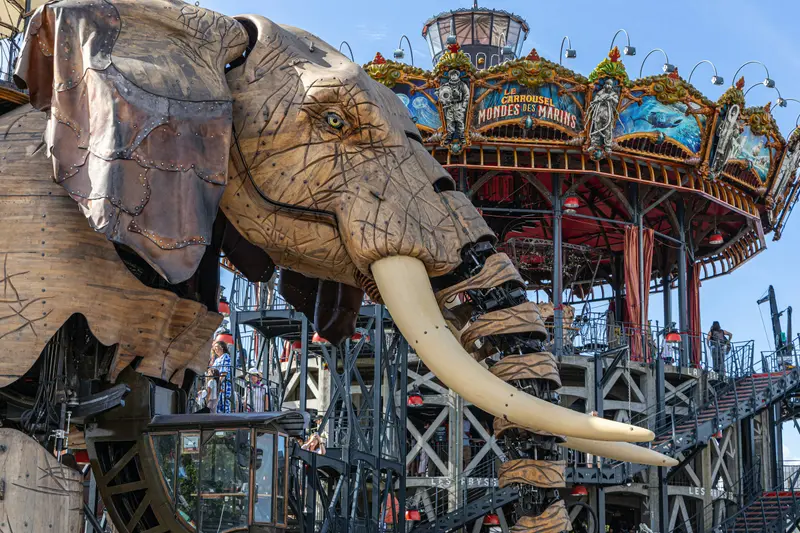
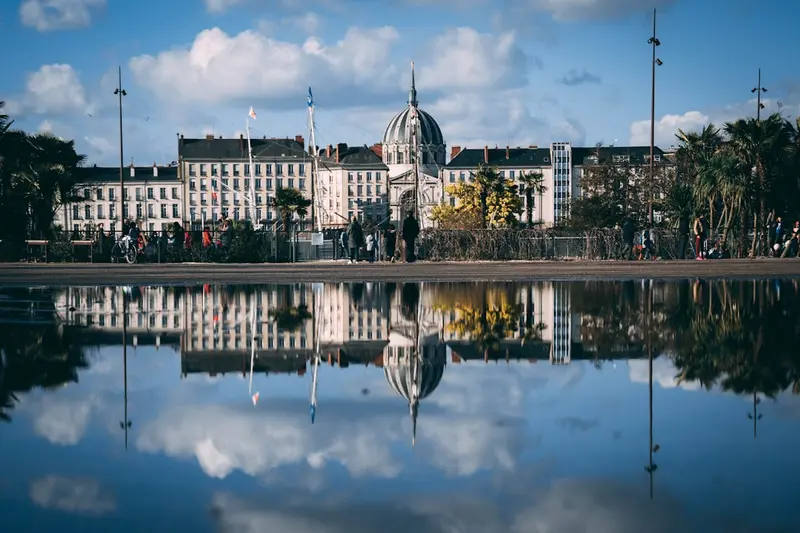
    Nantes, the former capital of Brittany, presents itself as a dynamic and creative metropolis on the Loire. The city combines its rich maritime and industrial heritage with a vibrant art scene, especially on the Île de Nantes. A highlight is **Les Machines de l'île**, where you can experience the Grand Éléphant and the impressive Carousel of Marine Worlds. The imposing **Château des Ducs de Bretagne** offers deep insights into regional history. Stroll through the historic Bouffay quarter and discover the elegant shopping arcade Passage Pommeraye. To optimally grasp the city's diversity, follow the green line of the "Voyage à Nantes" tour. For a relaxed experience, a visit in spring or autumn is recommended to avoid crowds.
    • Neighborhoods & highlights
    • Walking tours
    • Eat & drink
    • Culture
    • Nightlife
    • Getting around
    • Accommodation
    • Plan trip
    • Nearby
    • Neighborhoods & highlights
    • Walking tours
    • Eat & drink
    • Culture
    • Nightlife
    • Getting around
    • Accommodation
    • Plan trip
    • Nearby

    Overview

    Nantes, once the ducal seat of Brittany, combines historical heritage with creative modernity. The Château des Ducs de Bretagne offers insights into the region's history. On the Île de Nantes, the Les Machines de l'île impress with their mechanical artworks, like the Grand Éléphant. Discover the historic Bouffay quarter and the elegant Passage Pommeraye. The "Le Voyage à Nantes" trail shows you numerous urban art installations. In spring or autumn, the city can be explored more peacefully, away from large crowds.

    Places in Nantes

    Discover the most important sights and attractions

    Sights in Nantes

    Chapel of the Immaculate Conception

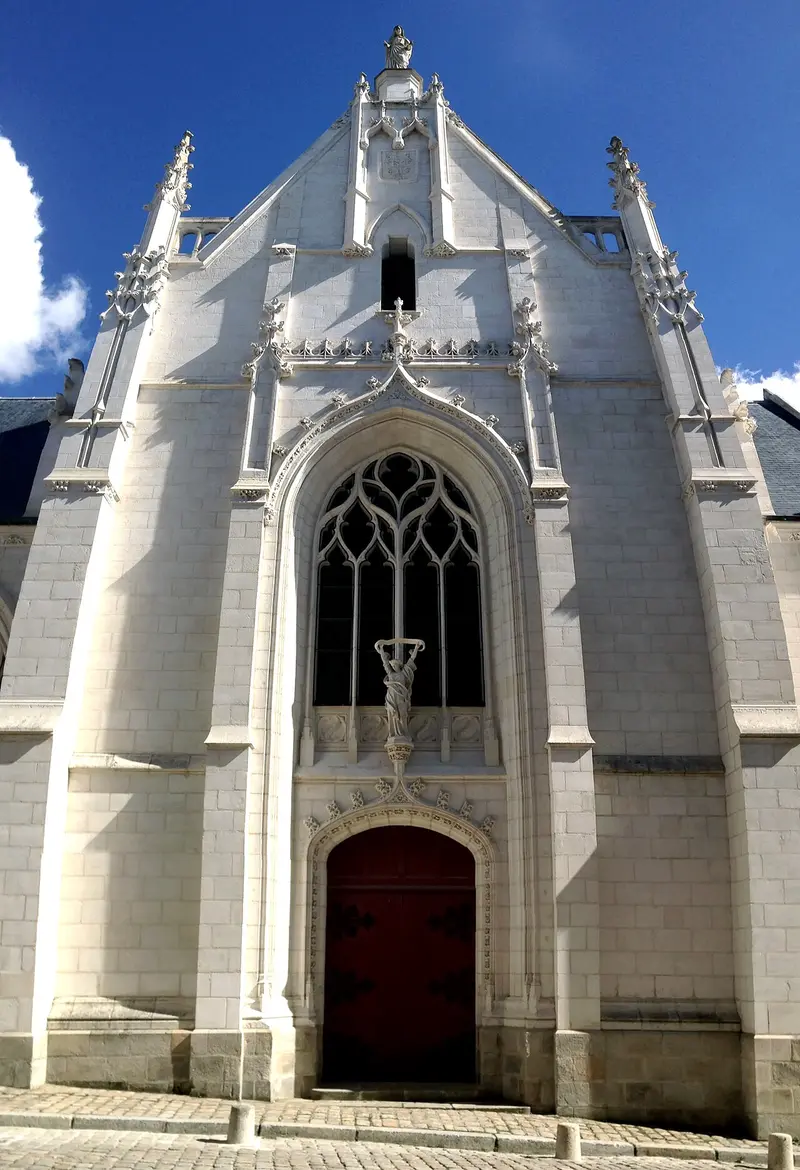
    The Chapel of the Immaculate Conception in Nantes stands as a significant testament to 17th-century religious architecture. Built between 1659 and 1665, it was originally part of the former Jesuit College, which played a central role in the city's educational and intellectual life. Here, you'll discover a remarkable example of French Baroque, captivating with its simple elegance and harmonious proportions.Upon entering the chapel, you are welcomed by a serene and reverent atmosphere. Note the classical elements within, such as the pilasters and barrel vaulting, which lend a dignified structure to the space. The high altar often catches the eye, its sculptures and embellishments highlighting the theological significance of the Immaculate Conception. Although the chapel does not possess the grandeur of a cathedral, it offers profound insight into the piety and artistry of its era.Practical Tip: As the chapel is often used today for cultural events or as a university chapel, it is advisable to check current opening hours before your visit. For undisturbed contemplation of the architecture and quiet reflection, a morning visit is recommended. The chapel is centrally located and easily reachable on foot from other Nantes attractions.
    Open in Google Maps

    Botanical Garden

    The Jardin des Plantes in Nantes, one of France's four major botanical gardens, boasts a rich history dating back to the late 18th century. Originally founded as an apothecary garden, it evolved into a significant center for botanical research and the acclimatization of exotic plants. Here you'll find an impressive variety of plant species, including rare camellias, magnolias, and an extensive collection of succulents in the historical greenhouses.Particularly noteworthy are the magnificent Victorian greenhouses, which house a fascinating world of tropical flora. Stroll through the themed gardens, discover the artfully designed flowerbeds, and admire the old tree stands that give the garden its unique character. Modern art installations are also often found here, forming an interesting symbiosis with nature.Our Tip: Visit the garden preferably in spring when the camellias and magnolias are in full bloom, or early in the morning to enjoy the tranquility and avoid the crowds. The historical greenhouses also offer excellent photo opportunities, especially in diffused light.
    Open in Google Maps

    Dépodépo par C.Ponti

    The Dépodépo par C.Ponti is a striking art installation in Nantes that you can explore as part of the renowned "Voyage à Nantes" itinerary. This work, created by artist Christophe Ponti, transforms an unassuming former warehouse into a vibrant, geometric artwork. Ponti uses bold colors and precise lines to reinterpret the facade and lend a dynamic aesthetic to the urban space. It represents Nantes' commitment to contemporary art in public spaces and the creative redevelopment of urban structures. You will be impressed by the visual impact of the vibrant colors and complex patterns, which appear differently depending on the light and offer a unique backdrop. Our Tip: Visit Dépodépo preferably in the morning, when the light makes the colors appear especially intense and you can admire the installation in peace. For the best photo perspective, position yourself a little further away to capture the entire geometric composition and fully grasp the building's transformation.
    Open in Google Maps

    La Psalette

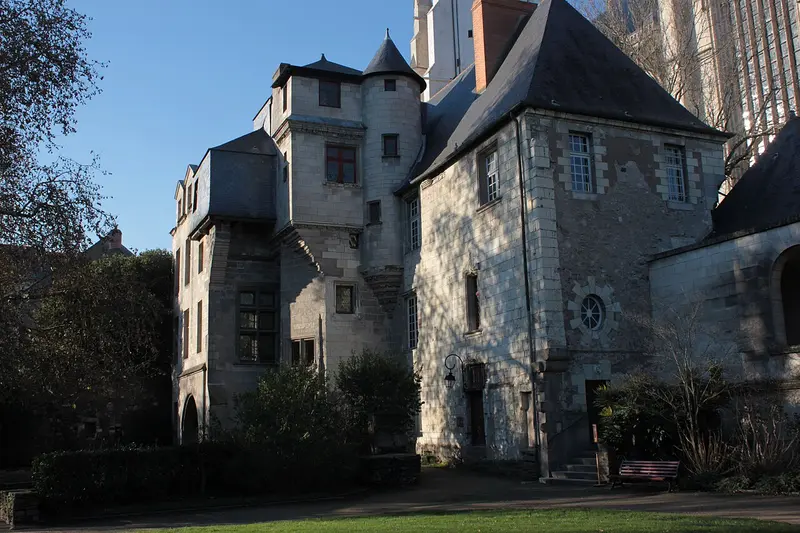
    The La Psalette in Nantes is an outstanding example of late Gothic architecture and is closely connected to St. Peter and Paul Cathedral. Originally, the building served as a chapter house and later as a choir school for the cathedral's choristers, which explains its name. Here you will discover a fascinating façade with ornate embellishments and richly detailed gargoyles, typical of the 15th-century Flamboyant style. Particularly noteworthy is the elegant spiral staircase, often referred to as the Escalier de la Psalette, which represents a masterpiece of stonemasonry. It bears witness to the high craftsmanship and aesthetic sensibility of its builders. Take your time to admire the intricate details of the sculptures, which tell stories from bygone eras and underscore the religious significance of the place. Our Tip: It's best to visit La Psalette in the morning when the light optimally illuminates the façade and visitor numbers are still low. For an undisturbed view of the staircase and its architectural intricacies, the cathedral courtyard is recommended.
    Open in Google Maps

    Les Machines de l’île

    The Machines de l’île in Nantes combines the city's industrial past with the fantastic worlds of Jules Verne and Leonardo da Vinci. On the site of the former shipyards, you'll experience a fascinating blend of art, engineering, and theater.You'll find mechanical marvels such as the Grand Éléphant, a 12-meter-high, walk-through sculpture that transports visitors, and the three-story Carrousel des Mondes Marins. In the Galerie des Machines, you can witness the creation of these marvels.Practical Tip: Visit early or late to avoid crowds. Allow ample time for rides and the workshop tour.
    Open in Google Maps

    City walks in Nantes

    Curated walking tours through the city's highlights — handpicked by experienced travel journalists.

    Nantes Futuriste: Industriekultur & Innovation auf der Île de Nantes

    Entdecken Sie eine völlig andere Seite von Nantes auf der Île de Nantes, einem ehemaligen Industriegebiet, das sich in ein pulsierendes Zentrum für Kreativität, Kunst und innovative Stadtentwicklung verwandelt hat. Dieser Spaziergang führt Sie von gigantischen mechanischen Tieren zu futuristischer Architektur und belebten Uferpromenaden und offenbart die kühne Vision der Stadt, die perfekt zum ersten, historischen Walk kontrastiert.

    ~2 Std.
    In Google Maps öffnen
    Stopps (7)

    Dining & Drinks

    Nantes: History, Architecture and Cultural Identity

    Nantes, once a significant Roman settlement and later the historical capital of Brittany, boasts a rich and multifaceted history. The city was the scene of important events, including the signing of the Edict of Nantes in 1598, which granted religious tolerance to Protestants in France. Its development as a thriving port shaped its urban structure and cultural exchange over centuries, albeit with the dark shadow of the transatlantic slave trade in the 18th century.Architecturally, Nantes reflects this history, from the medieval Château des Ducs de Bretagne to the elegant townhouses and the impressive 19th-century Passage Pommeraye. Recent projects like the 'Machines de l'île' on the former shipyard site transform the industrial heritage into a unique art and cultural landscape, combining local creativity and engineering skill. This blend of historical depth and contemporary art shapes Nantes' distinctive cultural identity.

    Nightlife

    In Nantes, the night awakens with a **diverse and vibrant scene**. Whether in the charming streets of the Bouffay district or along the Loire, the city has something for everyone: from cozy pubs and chic cocktail bars to energetic clubs and live music venues.

    Getting Around Here

    Nantes offers an excellently developed public transport network that makes exploring the city easy and convenient. Trams and buses connect all major points, while the Navibus provides a charming alternative on the Loire. Many central areas can also be wonderfully explored on foot or by bike.

    Accommodations in Nantes

    Accommodations in Nantes

    Find perfect stay in Nantes

    Booking.com
    Search Hotels
    Agoda
    Search Hotels
    Airbnb
    Vacation Rentals
    Hotels.com
    Hotels Worldwide
    Hostelworld
    Hostels

    Campgrounds in Nantes

    Find perfect campground in Nantes

    Search via Google Maps
    Campgrounds nearby (15km)
    Camping.info
    Find Campgrounds
    Park4Night
    RV Parks & Camping

    Plan your trip to Nantes

    Save places, build a route and plan your city trip — all in one place.

    Save places

    Bookmark sights, restaurants and neighborhoods you're interested in.

    Build your route

    Turn your bookmarks into a route — define order, days and budget.

    Refine with AI

    Let Mein Fernweh suggest experiences and put together a tailored daily plan.

    Start trip planningOpen bookmarks

    Locations nearby

    These places are nearby — perfect for additional days or a day trip.

    Pays de la Loire

    Pays de la Loire

    The Pays de la Loire stretches along the lower course of the Loire to the Atlantic coast, a region rich in history, magnificent castles, and vibrant cities. From the world-famous Loire castles that line the river landscape, to its rugged coastlines and charming islands, this region offers a fascinating blend of cultural heritage and natural beauty.
    Pornic

    Pornic

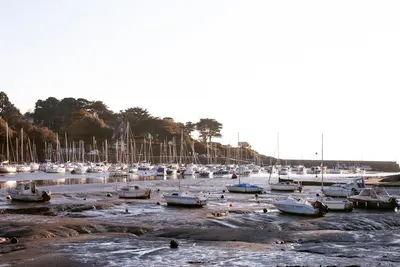
    Welcome to Pornic, a charming coastal town on the Côte de Jade in the Pays de la Loire region! This picturesque town entices you with its historic port, its imposing castle, and an abundance of fine sandy beaches. Discover a perfect blend of Breton flair and a sunny Atlantic coast, ideal for relaxation and authentic holiday experiences.
    Noirmoutier

    Noirmoutier

    Welcome to the 'Island of Mimosas', Noirmoutier, a unique gem off the French Atlantic coast that will enchant you with its incomparable blend of wild beaches, fragrant pine forests, and shimmering salt pans. Here, discover not only the famous tidal road Passage du Gois, but also charming villages and excellent cuisine that brings the best of the sea to your table, ideal for a relaxing yet varied holiday.
    La Baule-Escoublac

    La Baule-Escoublac

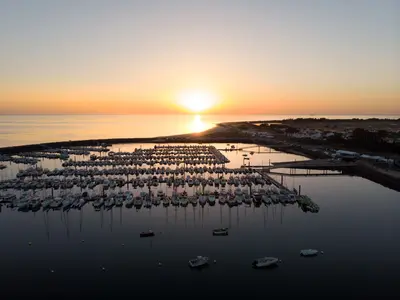
    La Baule-Escoublac is a renowned seaside resort on the French Atlantic coast, famous for its nine-kilometer-long sandy beach, the Plage de La Baule. This destination developed into an elegant holiday spot in the late 19th and early 20th centuries, and still impresses today with magnificent Belle Époque villas. Along the promenade, you'll find numerous boutiques, restaurants, and the historic Casino Barrière, a hub of social life. Away from the beach, the Parc des Dryades invites you for strolls, offering a green oasis of calm. The architecture of the villas in the La Baule-les-Pins district bears witness to the splendor of bygone eras and is worth a walk. For a relaxed visit, the off-season in spring or autumn is recommended to enjoy the lively coast in peace. A visit to La Baule's market offers the opportunity to discover regional specialties of Brittany.
    Guérande

    Guérande

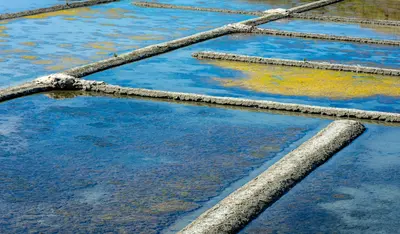
    Guérande is an impressive medieval town, its fully preserved ramparts defining its historic character. You can walk along the 1.3-kilometer long fortifications, enjoying panoramic views over the old town and the surrounding salt marshes. In the heart of the old town are the Porte Saint-Michel, which houses a museum, and the imposing Collegiate Church of Saint-Aubin. The region is world-renowned for its Marais Salants, the salt marshes of Guérande, where the high-quality Fleur de Sel has been harvested for centuries. A guided tour through the salt pans offers deep insights into the traditional work of the Paludiers. For a relaxed experience of the town and salt marshes, a visit in spring or autumn is recommended.