Fernweh: Home
    ExploreTravel GuidesPlan a tripMy tripLast visited
    de|en
    All Places & RegionsAll highlightsAbout FernwehFAQPrivacy PolicyImprint
    ExploreTravel GuidesPlan a tripMy tripLast visited
    • Neighborhoods & highlights
    • Walking tours
    • Eat & drink
    • Food culture
    • Culture
    • Getting around
    • Accommodation
    • Plan trip
    • Nearby
    Le Mans

    France

    Le Mans

    CityCulture

    Le Mans in the Pays de la Loire region blends a long history with motorsport. The Cité Plantagenêt, the old town on the hill above the Sarthe, is surrounded by a well-preserved late Roman city wall and features narrow, medieval streets.

    by Felix Gillen

    1. Home
    2. Destinations
    3. France
    4. Pays de la Loire
    5. Le Mans
    Le Mans in the Pays de la Loire region blends a long history with motorsport. The Cité Plantagenêt, the old town on the hill above the Sarthe, is surrounded by a well-preserved late Roman city wall and features narrow, medieval streets. Above it stands the Cathédrale Saint-Julien, with its Romanesque nave and Gothic choir. At the Circuit des 24 Heures du Mans and in the Musée des 24 Heures, you can learn more about its racing history. Outside of the June race weekend, you can explore the old town and its half-timbered houses in peace. A stroll along the Sarthe offers views of the city wall.

    Sights in Le Mans

    Discover the most important sights and attractions

    1Fresque du falotiers

    The Fresque des Falotiers is an approximately 140 square meter mural at the corner of Rue des Falotiers and Rue de la Barillerie, below the Cité Plantagenêt. It was painted in October 2024 by street artist Wen2 and comic artist François Schuiten. Its theme is light in the city: A large, protective face watches over the nocturnal city, and the title refers to the street, named after the former lantern bearers. Our tip: The mural is best viewed in diffused daylight; combine your visit with the nearby Place de la Sirène.
    Open in Google Maps
    Place de la Sirène

    2Place de la Sirène

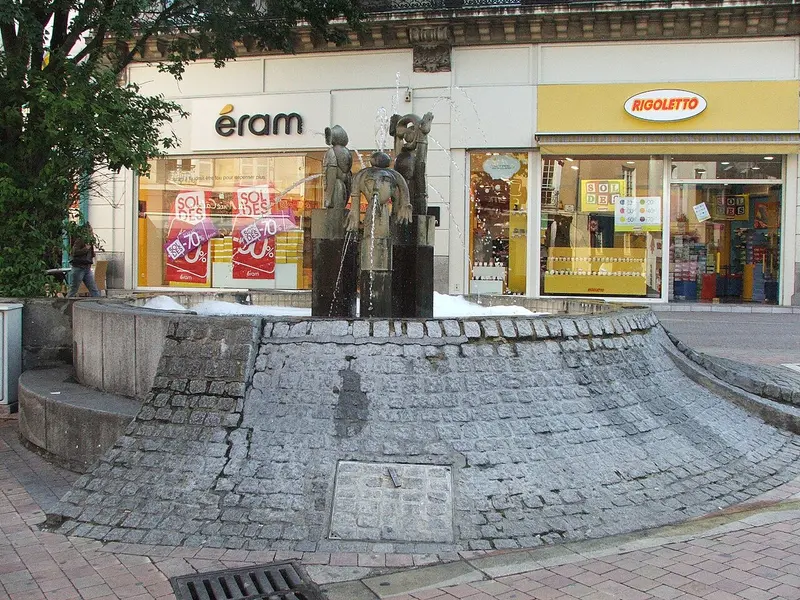
    The Place de la Sirène is located at the intersection of Rue de la Barillerie and Rue Marchande in the Saint-Nicolas district, at the foot of the Cité Plantagenêt. It gets its name from a relief on the former Hôtel du Verger dating from 1726, one of Le Mans' first townhouses: It depicts a mermaid next to ships and commemorates the overseas trade in Étamine, a wool fabric that brought prosperity to Le Mans in the 17th and 18th centuries. The relief has been a listed monument since 1931. In the centre of the square stands the sculpture 'Sirènes' by Claude Ribot, created in 1991. Our Tip: From here, you can climb up to the Cité Plantagenêt via steep alleys.
    Open in Google Maps
    Kathedrale von Le Mans

    3Kathedrale von Le Mans

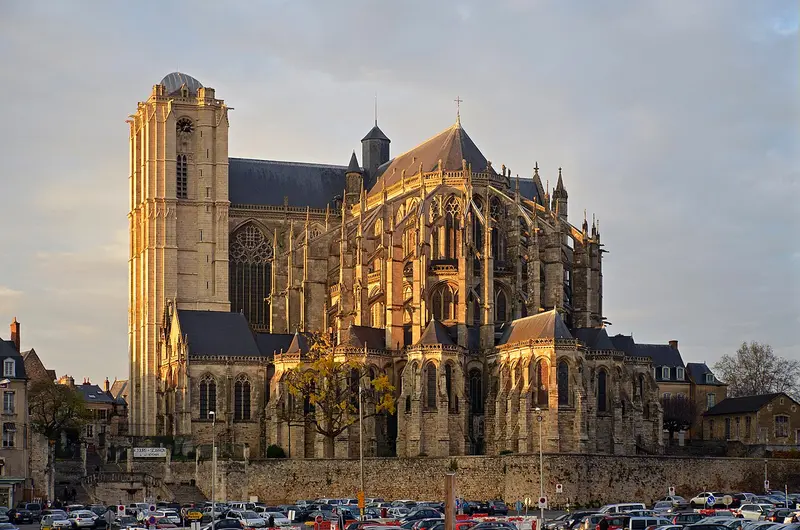
    The Cathédrale Saint-Julien du Mans showcases the evolution of French sacred architecture in one building. The Romanesque nave from the 11th and 12th centuries appears simple and massive. In contrast stands the Gothic choir from the 13th century with its ring of flying buttresses and impressive height.The stained-glass windows are noteworthy. Among France's oldest stained-glass windows still preserved on site is the Ascension window from the early 12th century. Also pay attention to the sculptures on the Romanesque south portal.Our Tip: Come in the morning when the light falls through the choir windows. For a view of the flying buttresses, walk once around the choir, ideally starting from Place des Jacobins.
    Open in Google Maps
    Notre-Dame de la Couture

    4Notre-Dame de la Couture

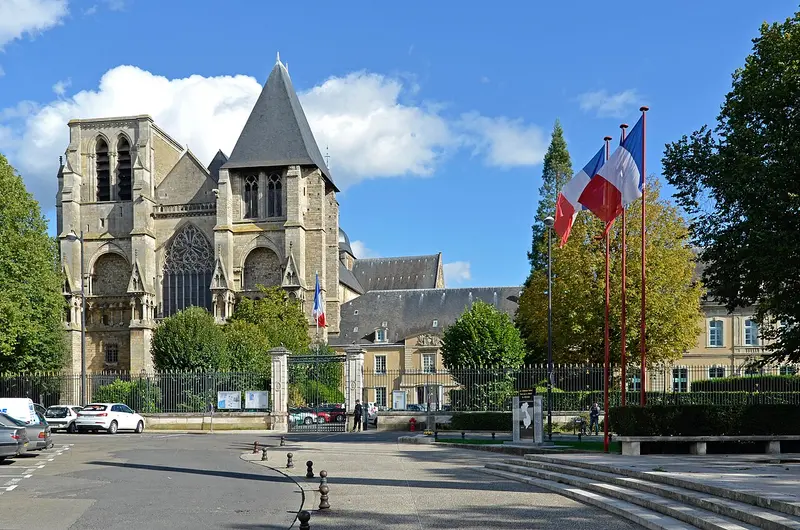
    The church Notre-Dame de la Couture in Le Mans served the Benedictine abbey of Saint-Pierre-Saint-Paul de la Couture, founded by Bishop Bertrand of Le Mans in the early Middle Ages. After looting around the year 1000 and a fire in 1180, it was rebuilt; the crypt from around 1000 still remains. In the 13th and 14th centuries, the west facade was added, featuring two unfinished Gothic towers and a richly sculpted portal. Its furnishings include three sculptures by the Renaissance sculptor Germain Pilon. A practical tip: The portal is best viewed late morning; for the interior, avoid service times.
    Open in Google Maps

    5France Week-End

    Attraction in 19 Bd Marie et Alexandre Oyon.
    Open in Google Maps

    City walks in Le Mans

    Curated walking tours through the city's highlights, handpicked by experienced travel journalists.

    Le Mans: The Fascination of the 24 Hours Race

    Immerse yourself in the legendary world of the 24 Hours of Le Mans. This walk takes you to the historic sites and modern facilities around the famous endurance race and lets you feel its unique atmosphere. Learn more about the history, the heroes and the technology that made this event world-famous.

    ~1 Std. 45 Min.
    Open in Google Maps
    Stops (5)

    Food and Drinks

    La Baraque à Bœuf (Le Mans)

    Restaurant in 11 Pl. Saint-Pierre.
    Show on Google Maps

    Le Grenier à Sel

    Restaurant in Le.
    Show on Google Maps

    Auberge des 7 Plats

    Restaurant in 7 Pl. Saint-Pierre.
    Show on Google Maps

    Le Royal Kebab

    Restaurant in 7 Pl. Edouard de la Boussinière.
    Show on Google Maps

    ERNEST INN Le Mans

    Restaurant in 37 Rue des Ponts Neufs.
    Show on Google Maps

    Dining & Drinks

    Maine's cuisine is rustic: poultry, pork, rillettes, and apple. The old town has several restaurants in medieval houses.

    Rillettes du Mans

    Slow-simmered pork in its fat, coarsely shredded and spread cold on bread. Le Mans is one of this preparation's origins.

    Poulet de Loué

    The free-range poultry from Sarthe is one of the pioneers of the French quality label Label Rouge. It is usually served simply roasted.

    Marmite sarthoise

    A stew of chicken, ham, mushrooms, and cabbage, thickened with cider and cream. A hearty and warming dish for the cold season.

    Reinette apples and cider

    Apple varieties such as Reinette du Mans, destined for cakes and cider, hail from Sarthe. Both appear on country inn menus.

    The cultural heritage of Le Mans

    The history of Le Mans dates back to Roman times, when the city was called Vindinum. Dating from the late 3rd and 4th centuries, the city wall has long-preserved sections that are among France's best-preserved Roman fortifications. In the Middle Ages, Le Mans was closely linked with the Plantagenets; Henry II of England was born here in 1133. The old town's name, Cité Plantagenêt, commemorates this connection.The Cathédrale Saint-Julien dominates the old town with its impressive dimensions and stained-glass windows. Its construction, spanning over four centuries, makes it a testament to various eras. Half-timbered houses and Renaissance buildings line the alleys of the Cité Plantagenêt. In the 17th and 18th centuries, trade in the wool fabric Étamine brought prosperity to the city.

    Exploring locally

    In Le Mans, you travel by tram and bus with the Setram network. Tram line T1 takes you from the station close to the race track. The Old Town is best explored on foot. For excursions into the Sarthe, a rental car is practical.

    Accommodations in Le Mans

    Find perfect stay in Le Mans

    Booking.com* (Affiliate link)
    Search Hotels
    Agoda* (Affiliate link)
    Search Hotels
    Airbnb
    Vacation Rentals

    * Affiliate link: if you book through it, we earn a small commission. The price stays the same for you.

    Campgrounds in Le Mans

    Find perfect campground in Le Mans

    Search via Google Maps
    Campgrounds nearby (15km)
    Camping.info
    Find Campgrounds
    Park4Night
    RV Parks & Camping

    Plan your trip to Le Mans

    Save places, build a route and plan your city trip, all in one place.

    1. 1
      Sunrise over alpine peaks and a sea of clouds
      1234

      Round trip

      12 days · 4 stops

      Saved

      Pick a route

      Pick a ready-made one or save places and plan your own.

      Open bookmarks
    2. 2

      Trip to Le Mans

      Live
      • 1Fresque du falotiers3 days
      • 2Place de la Sirène4 days
      • 3Kathedrale von Le Mans5 days
      Budget

      Plan your trip

      The planner sorts stops, days and budget. Plan together in real time.

      Start trip planning
    3. 3
      9:41 No signal
      Le Mans
      Available offline

      Use it on the road

      Download the guide to your phone and use it on site, even offline.

    Nearby

    Tours

    Tours

    Tours is a vibrant university city on the Loire and an excellent starting point for exploring the châteaux of the Touraine. Experience the city's history in the Old Town, especially around Place Plumereau with its half-timbered houses and café terraces. The Gothic Saint-Gatien Cathedral is known for its stained-glass windows. The Musée des Beaux-Arts is located right next door in the former Bishop's Palace. In the evenings, the terraces at Place Plumereau fill up. Spring and autumn are ideal for exploring the Old Town without large crowds.
    Angers

    Angers

    Angers, the historic capital of Anjou, combines a rich heritage with vibrant student life. At its heart stands the Château d'Angers, a 13th-century fortress housing the 14th-century Apocalypse Tapestry. Also noteworthy are the Gothic Cathédrale Saint-Maurice and the La Doutre district with its half-timbered houses. The Musée des Beaux-Arts and the Cointreau Distillery on the city's outskirts offer insights into art and local specialties. Spring and autumn are ideal for a peaceful visit.
    Amboise

    Amboise

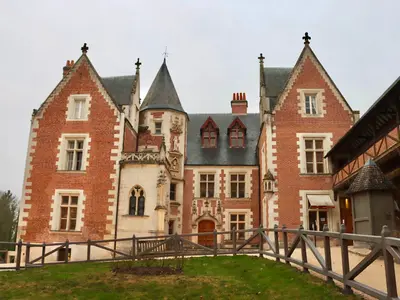
    The old royal town of Amboise is situated on the south bank of the Loire, below the Château d'Amboise. It is known as the burial place of Leonardo da Vinci, who spent his final years in the nearby Clos Lucé.
    Loire Valley (Vallée de la Loire)

    Loire Valley (Vallée de la Loire)

    The Loire Valley, between Sully-sur-Loire and Chalonnes-sur-Loire, has been on the UNESCO World Heritage List since 2000. The region is known for its châteaux (often numbering over 300), its gardens, and its wide river landscapes.Its moniker, the "Garden of France," points to its fruit and vegetable cultivation, along with wine regions from Sancerre to Muscadet, and a cuisine heavily reliant on regional products.
    Centre-Val de Loire

    Centre-Val de Loire

    The Centre-Val de Loire region stretches from Chartres in the north to Berry in the south. Its heart is the Loire Valley with its châteaux and gardens, the section of which between Sully-sur-Loire and Chalonnes is a UNESCO World Heritage site. It also features forests like the Sologne, wine regions from Sancerre to Vouvray, and a cuisine with goat cheese, game, and river fish.

    Sources & method

    • Photos: Wikimedia Commons, Unsplash. Each photo carries its credit.
    • The content is based on web research from public, traceable sources. How the content is made · The role of AI