Fernweh: Home
    ExploreTravel GuidesPlan a tripMy tripLast visited
    de|en
    All Places & RegionsAll highlightsAbout FernwehFAQPrivacy PolicyImprint
    ExploreTravel GuidesPlan a tripMy tripLast visited
    Saint-Émilion

    France

    Saint-Émilion

    VillageCulture

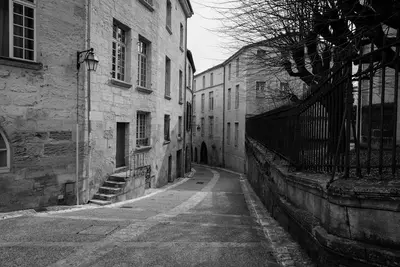
    Saint-Émilion, a UNESCO World Heritage site since 1999 for its wine-growing landscape, has a medieval townscape with steep alleys.

    by Felix Gillen

    1. Home
    2. Destinations
    3. France
    4. Atlantic Coast (Côte Atlantique)
    5. Saint-Émilion
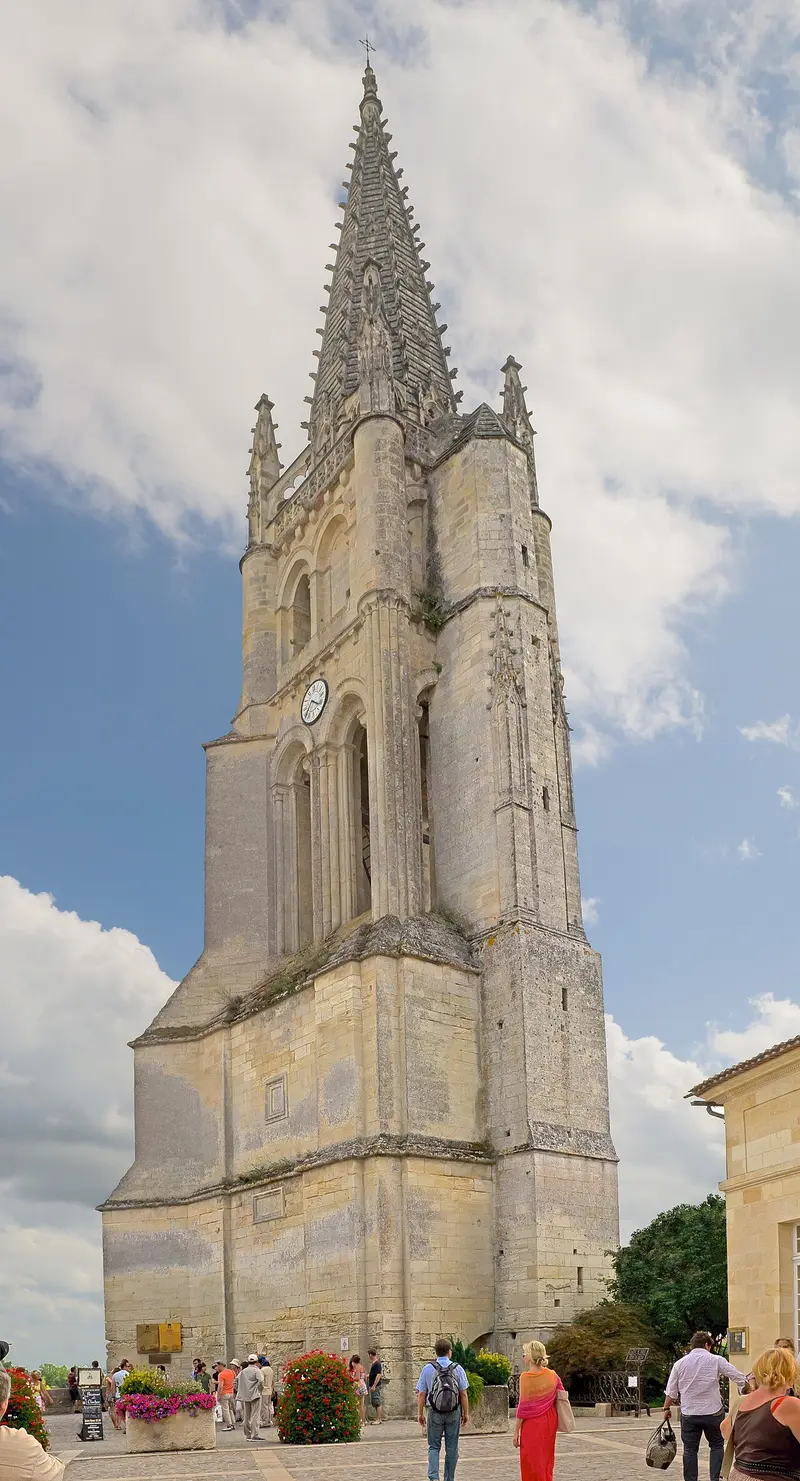
    Saint-Émilion, a UNESCO World Heritage site since 1999 for its wine-growing landscape, has a medieval townscape with steep alleys. Particularly famous is the monolithic church, an underground church carved into the limestone rock, which can only be visited with a guided tour. It also includes the catacombs and the Hermitage of Saint Emilion. Surrounding the town are vineyards and numerous Châteaux, offering tastings. Spring and autumn are quieter than summer.

    Points of Interest

    Discover the most important sights and attractions

    Visiter Saint-Émilion

    1Visiter Saint-Émilion

    Saint-Émilion, a UNESCO World Heritage site since 1999, is a fascinating medieval town deeply rooted in the history of winemaking. Here, you discover a unique cultural landscape, shaped by rolling hills and endless vineyards that produce some of the most famous Bordeaux wines. The historic center captivates with its narrow, cobbled streets, Romanesque churches, and charming squares that transport you to another era.The impressive Monolithic Church, Europe's largest, carved entirely from limestone, is a key highlight. A visit to the underground church, its Catacombs, and the Hermitage of Saint-Émilion offers deep insight into the region's religious and architectural past. Its history dates to Roman times, but Saint-Émilion's current structure is medieval.Beyond the historic sites, winemaking is the heart of the region. Numerous châteaux offer wine tastings and tours where you can learn more about traditional winemaking. Our tip: To fully enjoy the picturesque streets and sights in peace, visit Saint-Émilion early in the morning. For a guided tour of the underground monuments, advance reservation is highly recommended, as participant numbers are limited.
    Open in Google Maps
    Château Mauvinon

    2Château Mauvinon

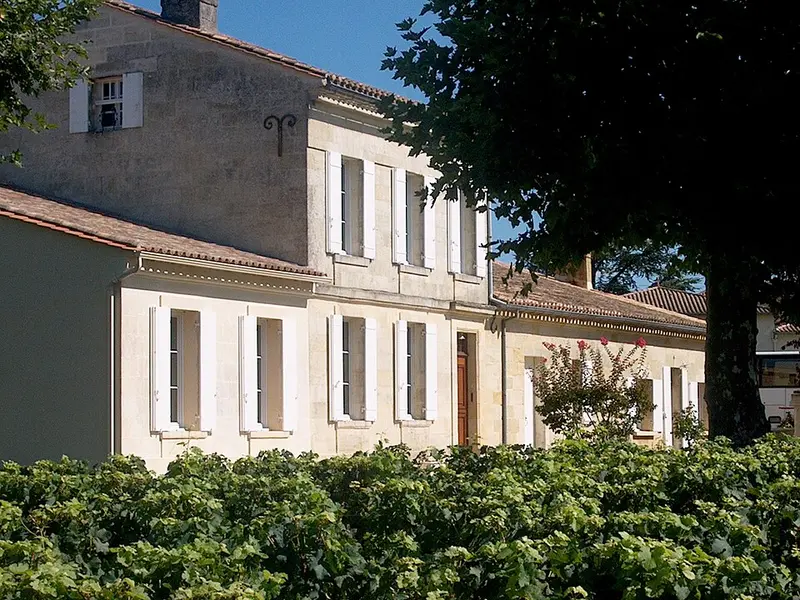
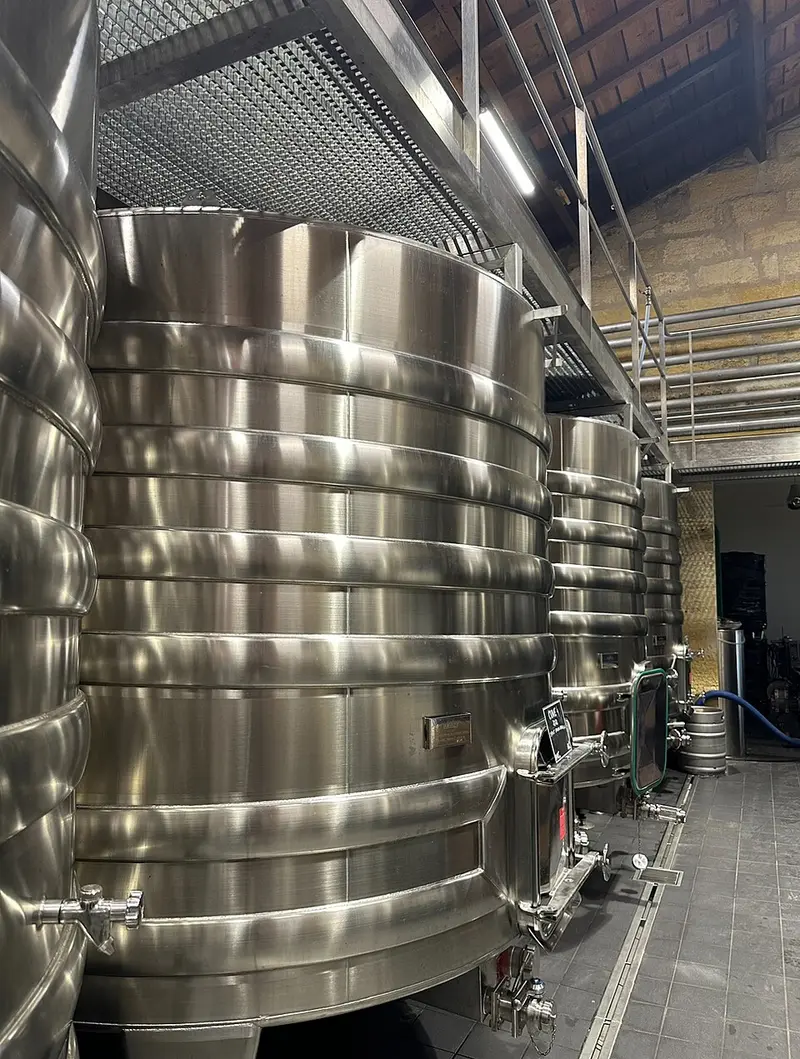
    The Château Mauvinon is a winery in the Saint-Émilion appellation, southwest of the town, on the plain towards the Dordogne. As is common in the area, Merlot dominates. During a visit, you'll learn more about the vineyard and cellar, concluding with a tasting. Our Tip: Book in advance; outside July and August, it's usually quieter and more personal.
    Open in Google Maps
    Château Laniote

    3Château Laniote

    Château Laniote is located on the edge of Saint-Émilion and is one of the appellation's classified estates (Grand Cru Classé). The family winery cultivates vines on limestone and clay soils; Merlot is the main grape variety. During a visit, you can see the cellars and taste the wines. Our Tip: Book a tour and tasting in advance, especially for the harvest in September and October.
    Open in Google Maps

    4Castle Tailhas - Nebout and Son

    The Nebout family's Château Tailhas is situated in the northwest of the Saint-Émilion appellation, close to the Pomerol border. Here, vines thrive on the gravelly, sandy soils of this part of the appellation, yielding Merlot-dominated wines. During a visit, you'll gain insights into the vineyard and cellar and can taste the wines. Our tip: Book in advance, especially during high season.
    Open in Google Maps

    5Château Bernateau

    The Château Bernateau is a family winery east of Saint-Émilion. The typical grape varieties of the Right Bank are cultivated, especially Merlot and Cabernet Franc. On a guided tour, you'll see the vineyards and cellars, followed by a wine tasting. Our tip: Book in advance, especially during the autumn harvest.
    Open in Google Maps

    City walks in Saint-Émilion

    Curated walking tours through the city's highlights, handpicked by experienced travel journalists.

    Saint-Émilion: Vineyards, Terroir & the Art of Winemaking

    Immerse yourself in the green soul of Saint-Émilion. This walk leads you out of the historic lanes and straight into the world-famous vineyards. Discover the secrets of the terroir, understand the work of the winemaker and enjoy breathtaking views over the vine-covered slopes that built the reputation of this UNESCO World Heritage Site. A fascinating journey through the heart of wine production.

    ~2 Std.
    Open in Google Maps
    Stops (7)

    Food & Drink

    Bed & Breakfast - Les Belles Perdrix

    Restaurant in Château Troplong-Mondot.
    Show on Google Maps

    Château Cardinal-Villemaurine

    Restaurant in Lieu dit.
    Show on Google Maps

    Le Tertre

    Restaurant in 5 Rue du Tertre de la Tente.
    Show on Google Maps

    L'Huitrier Pie

    Restaurant in 11 Rue de la Prte Bouqueyre.
    Show on Google Maps

    Bistrot des Etablissements Lauret

    Bar in 25 Rue André Loiseau.
    Show on Google Maps

    Food and Drink

    In Saint-Émilion, everything revolves around wine, and the cuisine takes a backseat: hearty dishes from the Southwest that pair well with a matured Merlot.

    Wines from Saint-Émilion

    The red wines of the Gironde's right bank are primarily based on Merlot and Cabernet Franc and are softer than those of the Médoc. A dedicated classification orders the estates, and it is regularly reviewed.

    Macarons of Saint-Émilion

    Plain almond macarons following a recipe dating back to a 17th-century Ursuline convent. They are flat, slightly sticky, and have nothing in common with colorful Parisian macarons.

    Entrecôte over vine wood

    Throughout the Bordelais, steak is grilled over vine wood and served with red wine sauce. It’s a standard accompaniment to a robust local wine.

    Local Cheeses and Charcuterie

    At the wineries, a platter with Bayonne ham, pâtés, and Pyrenean sheep's cheese is usually served for tasting.

    Saint-Émilion: History and Cultural Heritage

    Wine has been cultivated in the Saint-Émilion region since Roman times. The town owes its name to Saint Emilion, an 8th-century hermit who settled here in a rock cave.The architectural heritage is predominantly medieval, most notably the monolithic church, carved out of the limestone rock and considered the largest of its kind in Europe. The freestanding bell tower, as well as remnants of the city walls and gates, attest to the town's significance.Part of the local culture is the Jurade de Saint-Émilion. It dates back to a town charter from 1199, which also granted the Jurats supervision over the wine, and was re-established in 1948 as a wine brotherhood. Today, it appears at ceremonies such as the proclamation of the harvest.In 1999, UNESCO inscribed the Saint-Émilion region onto the World Heritage List as the first wine-growing landscape. The interplay of the historic town center, vineyards, and traditional cultivation methods is celebrated.

    Exploring Locally

    The historic center of Saint-Émilion is best explored on foot, as its steep alleys are largely closed to cars. The small train station on the Bordeaux–Bergerac line is located about two kilometers below the town. You can reach the surrounding wineries by rental bike, organized tours, or taxi.

    Accommodations in Saint-Émilion

    Find perfect stay in Saint-Émilion

    Booking.com* (Affiliate link)
    Search Hotels
    Agoda* (Affiliate link)
    Search Hotels
    Airbnb
    Vacation Rentals

    * Affiliate link: if you book through it, we earn a small commission. The price stays the same for you.

    Campgrounds in Saint-Émilion

    Find perfect campground in Saint-Émilion

    Search via Google Maps
    Campgrounds nearby (15km)
    Camping.info
    Find Campgrounds
    Park4Night
    RV Parks & Camping

    Nearby

    Bordeaux

    Bordeaux

    Bordeaux, situated on the Garonne, is the heart of one of the world's most renowned wine regions. The city is characterized by 18th-century classical architecture, and its historic port area has been a UNESCO World Heritage site since 2007. Complementing this are vibrant districts, wine bars, and a diverse culinary scene.
    Périgueux

    Périgueux

    Périgueux, the capital of Périgord, unites Roman history with medieval charm. Discover the impressive Cathédrale Saint-Front, a UNESCO World Heritage site whose Byzantine-inspired domes evoke Venice. The winding streets of the medieval old town reveal half-timbered houses and Renaissance palaces. Experience the city's Roman origins as Vesunna at the Musée Gallo-Romain de Vesunna, built around the remains of a Roman villa. The lively weekly markets (Wednesdays and Saturdays are best) are ideal for sampling regional specialties like truffles and foie gras. For a relaxed visit, spring or autumn is recommended to avoid the crowds.
    Atlantic Coast (Côte Atlantique)

    Atlantic Coast (Côte Atlantique)

    The French Atlantic Coast stretches from the port towns of Charente-Maritime across the vineyards of Gironde to the surf of the Basque Country. Between Bordeaux, the Bassin d'Arcachon, and the endless pine forests of Landes lie Europe's highest shifting dune, tranquil inland lakes, and surf spots that set the region's rhythm.
    Arcachon

    Arcachon

    Arcachon is a seaside resort on the Bassin d'Arcachon on the Atlantic coast. The town combines the villas of the Ville d'Hiver from the 19th century, beaches, markets, and the bay's oyster farming. A few kilometers to the south rises the Dune du Pilat.
    Bassin d'Arcachon & Dune du Pilat

    Bassin d'Arcachon & Dune du Pilat

    The Dune du Pilat, Europe's highest shifting dune, lies between the Atlantic, a pine forest, and the entrance to the Bassin d'Arcachon. From its ridge, you look out over the bay, the Banc d'Arguin sandbank, and Cap Ferret. Around the Bassin are oyster villages, the seaside resort of Arcachon, and a bird sanctuary.

    Sources & method

    • Photos: Wikimedia Commons, Unsplash. Each photo carries its credit.
    • The content is based on web research from public, traceable sources. How the content is made · The role of AI