

Fernweh
    ExploreTravel GuidesMy Trips
    de|en
    About FernwehImprintFAQPrivacy Policy
    ExploreTravel GuidesMy Trips
    Île-de-France

    Île-de-France

    Region
    1. Home
    2. Destinations
    3. France
    4. Île-de-France
    The Île-de-France is the pulsating heart of France, where history and modernity uniquely merge. Here you'll find not just the iconic city of Paris, but also a wealth of royal castles, impressive landscapes, and charming small towns waiting for you to discover them.
    • Overview
    • Places in the region
    • Eat & drink
    • Food culture
    • Culture
    • Getting around
    • Excursions
    • Nearby
    • Overview
    • Places in the region
    • Eat & drink
    • Food culture
    • Culture
    • Getting around
    • Excursions
    • Nearby
    The Île-de-France, France's historical and political heart, surrounds Paris and offers a rich blend of culture, history, and nature. Here you'll discover magnificent royal residences such as Versailles Palace with its gardens, the Château de Fontainebleau, and the elegant Vaux-le-Vicomte. The region spans diverse landscapes, from Fontainebleau's forests, ideal for hiking, to the picturesque banks of the Seine. Historic towns like Provins, a UNESCO World Heritage site, or Auvers-sur-Oise, famed for its connection to Vincent van Gogh, offer profound insights. Visit châteaux calmly in the morning or on weekdays outside peak season. Use the regional trains (Transilien) to comfortably reach attractions beyond Paris's city limits.

    Places in Île-de-France

    Disneyland Paris

    Disneyland Paris

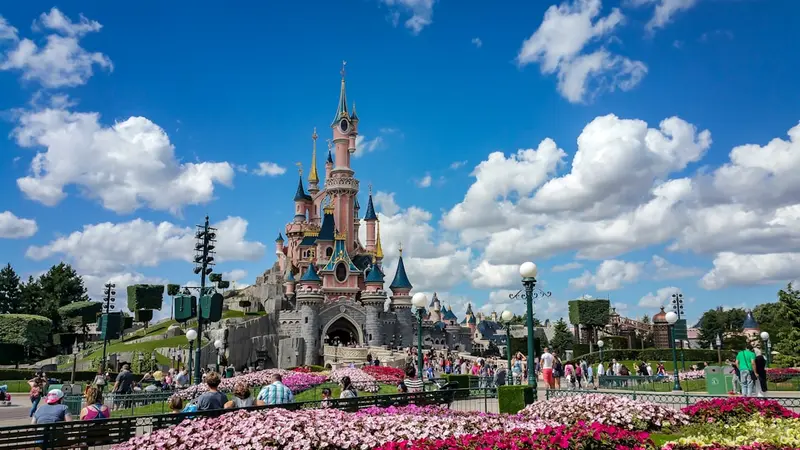
    Disneyland Paris, opened in 1992, is a European-inspired version of the Disney theme park experience.It encompasses the classic Disneyland Park with its Sleeping Beauty Castle, and the Walt Disney Studios Park.In Disneyland Park, you'll find detailed worlds like Fantasyland and Adventureland, along with their attractions.The parks are known for their immersive design, which transports visitors into Disney's story worlds.Visits on weekdays outside French school holidays are ideal; always book tickets and services online in advance.
    Fontainebleau

    Fontainebleau

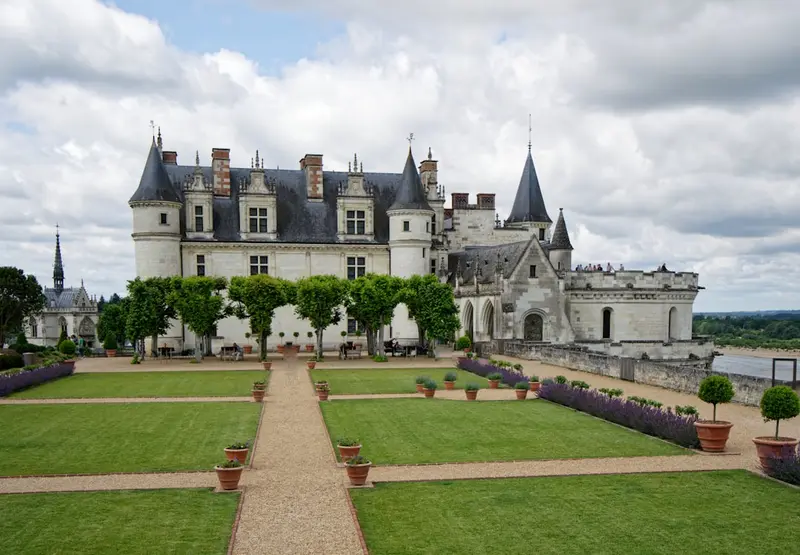
    In Fontainebleau, you'll discover a unique blend of royal splendor and untouched nature that defines the area. The Château de Fontainebleau, a UNESCO World Heritage site, served for over 800 years as a residence for French monarchs, from Francis I to Napoleon III. Here you'll find an impressive blend of Renaissance and Neoclassical architecture, surrounded by expansive gardens perfect for a stroll. The Forêt de Fontainebleau stretches around the town and is a paradise for outdoor enthusiasts. It offers numerous opportunities for hiking, climbing, and bouldering, and is known for its unique sandstone formations. To best enjoy the expansive palace grounds and the tranquility of the forest, a visit in the spring or autumn months is recommended. Plan enough time to explore both the opulent interiors of the palace and the picturesque trails of the forest.
    Paris

    Paris

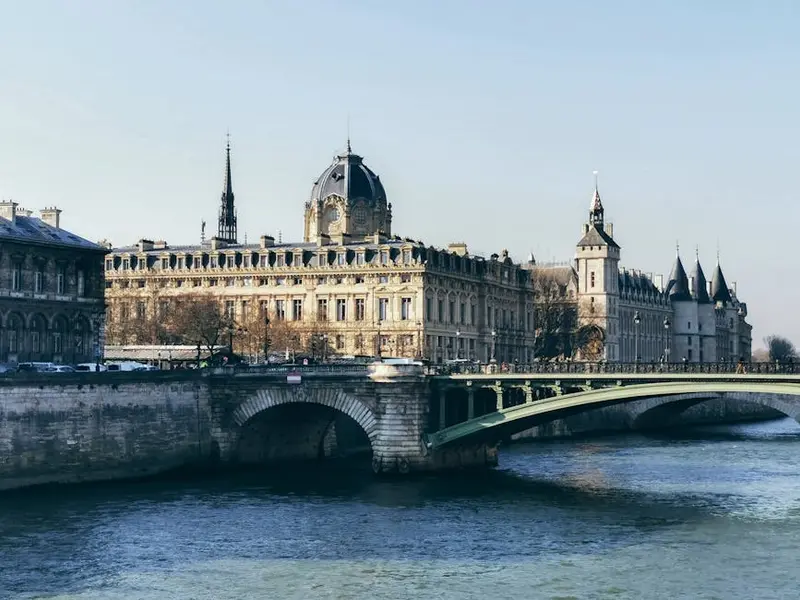
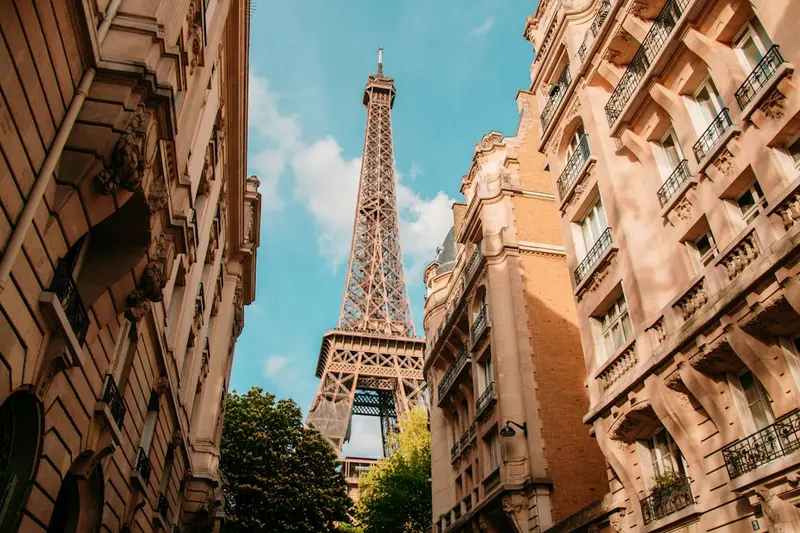
    Paris presents itself as a world-class city, uniquely combining art, culture, and exquisite gastronomy. Here you'll discover iconic landmarks like the Eiffel Tower, the Louvre Museum with its treasures, and the historic Notre-Dame Cathedral on the Île de la Cité. The banks of the Seine, a UNESCO World Heritage site, invite strolls, while districts like Le Marais offer an authentic flair with their alleys and boutiques. Historically, Paris was always a hub of European intellectual history and fashion. For a pleasant travel experience, a visit in spring or autumn is recommended to avoid the large tourist crowds. A practical tip is to use the Métro to efficiently reach the widespread attractions and observe city life.
    Provins

    Provins

    An exceptional medieval fortress town and UNESCO World Heritage site, which transports visitors back in time with its well-preserved fortifications and historical spectacles.
    Regional Natural Park Vexin français

    Regional Natural Park Vexin français

    Experience the pristine nature and charming villages in the Regional Natural Park Vexin français, a green refuge northwest of Paris.
    Saint-Germain-en-Laye

    Saint-Germain-en-Laye

    Located west of Paris, Saint-Germain-en-Laye combines royal history with an elegant atmosphere and extensive green spaces. The Château de Saint-Germain-en-Laye, once a royal residence and birthplace of Louis XIV, now houses the Musée d'Archéologie Nationale with significant collections. Adjacent to the château, the Grande Terrasse, designed by Le Nôtre, offers breathtaking panoramic views over the Seine loop all the way to Paris. The adjacent Forest of Saint-Germain-en-Laye invites visitors for extensive walks and relaxation, offering a welcome change from city life. Stroll through the charming streets of the old town, such as the Rue du Vieil Abreuvoir, and discover small boutiques and traditional shops. Ideally, plan your visit for a weekday to best experience the tranquility of the town and the château. Take the RER A connection, which brings you directly from central Paris to Saint-Germain-en-Laye, making for a convenient day trip.
    Versailles

    Versailles

    Versailles is inextricably linked with the Palace of Versailles, a symbol of the French monarchy and absolutist power. Here you'll discover the opulent Hall of Mirrors, the royal apartments, and the impressive gardens designed by André Le Nôtre. The estate bears witness to the vision of Louis XIV and was the center of France's political power for over a century. Beyond the main palace, the Grand Trianon, the Petit Trianon, and the Hameau de la Reine invite exploration. Plan at least a full day to visit the entire estate to fully grasp its diversity. To avoid crowds, a visit right after opening or in the late afternoon is recommended. You should always book tickets online in advance to minimize waiting times.

    Sights in Île-de-France

    Discover the most important sights and attractions

    Musée d´Orsay

    Das Musée d'Orsay, einst der prächtige Bahnhof Gare d'Orsay, wurde für die Weltausstellung 1900 errichtet und 1986 in ein Museum umgewandelt. Du findest hier eine herausragende Sammlung französischer Kunst aus der Zeit von 1848 bis 1914, die den Übergang von der akademischen Malerei zum Impressionismus und Post-Impressionismus dokumentiert. Die beeindruckende Architektur des ehemaligen Bahnhofs mit seiner großen Glaskuppel und der ikonischen Uhr bildet eine einzigartige Kulisse für Meisterwerke von Monet, Manet, Degas, Renoir, Cézanne, Van Gogh und Gauguin. Neben Gemälden beherbergt das Museum auch Skulpturen, dekorative Kunst und Fotografie. Unser Tipp: Buche deine Tickets unbedingt online im Voraus, um lange Warteschlangen zu vermeiden. Für ein unvergessliches Foto mit Blick auf die Seine und Sacré-Cœur nutze das große Zifferblattfenster im Obergeschoss.
    Open in Google Maps

    Eiffelturm

    Der Eiffelturm, 1889 zur Weltausstellung erbaut, ist ein Meisterwerk der Ingenieurskunst von Gustave Eiffel. Ursprünglich als temporäres Bauwerk gedacht, entwickelte er sich schnell zum unverwechselbaren Wahrzeichen von Paris und Frankreich. Mit einer Höhe von 330 Metern war er über vier Jahrzehnte das höchste Bauwerk der Welt.Du kannst den Turm auf drei Ebenen erklimmen, entweder über Treppen oder mit Aufzügen. Von den oberen Plattformen genießt du einen weitreichenden 360-Grad-Blick über die Stadt, die Seine und ihre berühmten Monumente. Besonders eindrucksvoll ist der Anblick bei Sonnenuntergang, wenn Paris in goldenes Licht getaucht wird und die Stadtlichter zu funkeln beginnen. Die filigrane Eisenkonstruktion selbst ist ein faszinierendes Detail, das man aus der Nähe betrachten sollte.Unser Tipp: Buche deine Tickets unbedingt online und weit im Voraus, um lange Wartezeiten zu vermeiden. Für die besten Fotos des gesamten Turms ohne störende Menschenmassen empfehlen wir den Place du Trocadéro am frühen Morgen.
    Open in Google Maps

    Louvre

    Der Louvre, ursprünglich eine mittelalterliche Festung und später ein königlicher Palast, ist heute eines der größten und meistbesuchten Kunstmuseen der Welt. Du findest hier eine unvergleichliche Sammlung von über 35.000 Kunstwerken, die von der Antike bis zur Mitte des 19. Jahrhunderts reichen. Zu den bekanntesten Exponaten zählen Leonardo da Vincis Mona Lisa, die Venus von Milo und die Nike von Samothrake. Die schiere Größe des Museums erfordert eine strategische Planung, um die wichtigsten Werke zu sehen, ohne überfordert zu werden.Die Sammlungen sind in acht Abteilungen gegliedert, darunter ägyptische Altertümer, griechische, etruskische und römische Altertümer sowie europäische Malerei und Skulptur. Allein die Architektur des ehemaligen Palastes ist beeindruckend, von der Glaspyramide im Innenhof bis zu den prunkvollen Sälen. Unser Tipp: Buche deine Tickets unbedingt online im Voraus, um lange Wartezeiten zu vermeiden. Für ein entspannteres Erlebnis und um den größten Menschenmassen auszuweichen, besuche den Louvre direkt nach der Öffnung am Morgen oder an einem der späten Öffnungsabende. Nutze auch den Eingang durch das Carrousel du Louvre, der oft weniger frequentiert ist als der Haupteingang an der Pyramide.
    Open in Google Maps

    Basilika Sacré-Cœur

    Die Basilika Sacré-Cœur thront majestätisch auf dem Montmartre-Hügel und ist ein markantes Wahrzeichen von Paris. Ihr Bau begann 1875 als nationales Gelübde nach dem Deutsch-Französischen Krieg und symbolisiert bis heute Sühne und Hoffnung. Du wirst sofort die einzigartige romanisch-byzantinische Architektur bemerken, die sich durch ihre weiße Travertin-Fassade auszeichnet – ein Stein, der bei Regen selbstständig reinigt und der Basilika ihren strahlenden Glanz verleiht.Im Inneren erwartet dich das größte Mosaik Frankreichs, das Christus in Majestät darstellt, sowie beeindruckende Buntglasfenster. Von den Stufen vor der Basilika oder, wenn du die Kuppel besteigst, genießt du einen der spektakulärsten Panoramablicke über Paris. Dies ist ein idealer Ort, um die Weite der Stadt zu erfassen.Unser Tipp: Besuche Sacré-Cœur früh am Morgen unter der Woche, um die größten Menschenmassen zu vermeiden und die friedliche Atmosphäre besser aufnehmen zu können. Für den Aufstieg kannst du entweder die Treppen nehmen oder die Funiculaire de Montmartre nutzen. Ein hervorragender Fotospot für die Basilika selbst ist von der Rue du Chevalier de la Barre aus, um ihre volle Pracht einzufangen.
    Open in Google Maps

    Jardin du Luxembourg

    Der Jardin du Luxembourg, im Herzen des 6. Arrondissements gelegen, ist eine der bedeutendsten Grünanlagen von Paris und ein herausragendes Beispiel französischer Gartenkunst. Ursprünglich im 17. Jahrhundert für Marie de' Medici angelegt, die sich nach ihrer Heimat Florenz sehnte, umgibt er den prächtigen Palais du Luxembourg, der heute den französischen Senat beherbergt. Du findest hier eine harmonische Mischung aus formalen französischen Gärten mit akkurat geschnittenen Hecken und einem natürlicheren englischen Gartenbereich. Besonders beeindruckend sind der Medici-Brunnen, die zahlreichen Statuen französischer Königinnen und Künstlerinnen sowie der große Teich, auf dem Kinder oft kleine Segelboote fahren lassen. Der Garten dient als wichtiger sozialer Treffpunkt für Pariser und bietet dir eine Oase der Ruhe und Erholung. Für die besten Fotos und um die Menschenmassen zu umgehen, empfehlen wir dir einen Besuch am frühen Vormittag unter der Woche. Die Morgenstunden bieten zudem ein besonderes Licht und die Möglichkeit, die Gärtner bei ihrer Arbeit zu beobachten.
    Open in Google Maps

    Restaurants in Île-de-France

    Food and Drink

    Île-de-France is less about its own cuisine and more of a culinary melting pot: Paris attracts products and chefs from all over France and the world. However, some specialties originate from the region itself.

    Brie de Meaux and Brie de Melun

    Both white mold cheeses originate from Brie east of Paris and carry a Protected Designation of Origin. The Melun is stronger and saltier.

    Baguette and Patisserie

    The annual competition for the best Baguette de tradition is a Parisian institution. The winner supplies the Élysée Palace for twelve months.

    Bistro Classics

    Steak frites, onion soup, and beef cheek in red wine have been staples on menus for decades. At lunchtime, an affordable daily special is available almost everywhere.

    Town Markets

    Paris alone boasts over 70 markets, plus the market halls in Versailles, Saint-Germain and Fontainebleau. They are your most direct link to local producers.

    Cuisines of Immigration

    North African couscous, Vietnamese soups, and West African eateries define districts and are part of the region's food culture.

    Culture, Art & Historical Heritage

    Die Île-de-France ist das historische und kulturelle Herz Frankreichs, dessen Wurzeln tief in der Antike liegen, beginnend mit der keltischen Siedlung Lutetia, die später unter römischer Herrschaft stand. Im Mittelalter wurde die Region unter den Karolingern und später den Kapetingern zum Zentrum des Königreichs, wobei Paris als Hauptstadt etabliert wurde. Diese Epoche prägte die Region mit einigen der weltweit bedeutendsten Beispiele gotischer Architektur, darunter die Kathedrale Notre-Dame de Paris und die Basilika Saint-Denis, die Grabstätte vieler französischer Könige.Die Renaissance brachte prunkvolle Schlösser wie Fontainebleau hervor, während das 17. und 18. Jahrhundert den französischen Klassizismus mit dem Bau des Schlosses von Versailles unter Ludwig XIV. auf seinen Höhepunkt trieb. Im 19. Jahrhundert transformierte Baron Haussmann Paris mit seinen breiten Boulevards und imposanten Gebäuden, die das Stadtbild bis heute prägen. Kulturell ist die Île-de-France seit Jahrhunderten ein Schmelztiegel für Kunst, Literatur und Philosophie, von den Salons der Aufklärung bis zu den Avantgarde-Bewegungen des 20. Jahrhunderts. Museen wie der Louvre und das Musée d'Orsay beherbergen unschätzbare Kunstsammlungen, die die reiche Geschichte und künstlerische Schaffenskraft der Region widerspiegeln.

    Local explorations

    One Network, One TicketParis and its surrounding region share a comprehensive public transport network comprising Métro, RER, Transilien trains, trams, and buses. The Navigo weekly pass allows you to travel throughout the entire region, including to Versailles, Fontainebleau, or the airports. Single tickets, however, are only valid in the core zone; for the surrounding areas, you need separate tickets.To the OutskirtsRER lines A and C will take you directly to Versailles, Saint-Germain-en-Laye, and Marne-la-Vallée. More distant destinations like Provins, Fontainebleau, or Chartres are served by Transilien regional trains departing from Paris's main train stations. Travel times are almost always between 25 and 90 minutes, so a car is rarely worth it for these destinations.By CarSeveral ring roads encircle Paris; traffic is regularly congested there during rush hour. In the city center, there are environmental zones and speed limits, and parking is expensive and scarce. If you arrive by car, it's best to leave it at a park-and-ride facility on the city's outskirts.

    Day Trips

    Versailles

    The Palace, gardens and Trianon Estate are reachable by RER C in a good 40 minutes from Paris city center.

    Fontainebleau

    Royal castle and a 250 square kilometer forest with one of the world's oldest climbing areas, around 60 kilometers south.

    Provins

    The medieval fair city, with its complete city wall, is a UNESCO World Heritage site and accessible by Transilien in about 85 minutes.

    Chantilly

    Castle with a large art collection, stables, and racecourse, north of the city in the Oise department.

    Vaux-le-Vicomte

    The Baroque palace southeast of Paris was a model for Versailles. On selected evenings, the garden is lit with candles.

    Locations nearby

    These places are nearby — perfect for additional days or a day trip.

    Paris

    Paris

    Paris presents itself as a world-class city, uniquely combining art, culture, and exquisite gastronomy. Here you'll discover iconic landmarks like the Eiffel Tower, the Louvre Museum with its treasures, and the historic Notre-Dame Cathedral on the Île de la Cité. The banks of the Seine, a UNESCO World Heritage site, invite strolls, while districts like Le Marais offer an authentic flair with their alleys and boutiques. Historically, Paris was always a hub of European intellectual history and fashion. For a pleasant travel experience, a visit in spring or autumn is recommended to avoid the large tourist crowds. A practical tip is to use the Métro to efficiently reach the widespread attractions and observe city life.
    Versailles

    Versailles

    Versailles is inextricably linked with the Palace of Versailles, a symbol of the French monarchy and absolutist power. Here you'll discover the opulent Hall of Mirrors, the royal apartments, and the impressive gardens designed by André Le Nôtre. The estate bears witness to the vision of Louis XIV and was the center of France's political power for over a century. Beyond the main palace, the Grand Trianon, the Petit Trianon, and the Hameau de la Reine invite exploration. Plan at least a full day to visit the entire estate to fully grasp its diversity. To avoid crowds, a visit right after opening or in the late afternoon is recommended. You should always book tickets online in advance to minimize waiting times.
    Saint-Germain-en-Laye

    Saint-Germain-en-Laye

    Located west of Paris, Saint-Germain-en-Laye combines royal history with an elegant atmosphere and extensive green spaces. The Château de Saint-Germain-en-Laye, once a royal residence and birthplace of Louis XIV, now houses the Musée d'Archéologie Nationale with significant collections. Adjacent to the château, the Grande Terrasse, designed by Le Nôtre, offers breathtaking panoramic views over the Seine loop all the way to Paris. The adjacent Forest of Saint-Germain-en-Laye invites visitors for extensive walks and relaxation, offering a welcome change from city life. Stroll through the charming streets of the old town, such as the Rue du Vieil Abreuvoir, and discover small boutiques and traditional shops. Ideally, plan your visit for a weekday to best experience the tranquility of the town and the château. Take the RER A connection, which brings you directly from central Paris to Saint-Germain-en-Laye, making for a convenient day trip.
    Disneyland Paris

    Disneyland Paris

    Disneyland Paris, opened in 1992, is a European-inspired version of the Disney theme park experience.It encompasses the classic Disneyland Park with its Sleeping Beauty Castle, and the Walt Disney Studios Park.In Disneyland Park, you'll find detailed worlds like Fantasyland and Adventureland, along with their attractions.The parks are known for their immersive design, which transports visitors into Disney's story worlds.Visits on weekdays outside French school holidays are ideal; always book tickets and services online in advance.
    Chantilly

    Chantilly

    Chantilly, located north of Paris, is inextricably linked with its magnificent château and centuries-old equestrian tradition. The Château de Chantilly houses the Musée Condé, an outstanding art collection featuring works by old masters and valuable manuscripts. The impressive Grandes Écuries, the Great Stables, are an architectural gem and now home to a vibrant living horse museum. Here, you can daily experience equestrian art demonstrations, highlighting the significance of horse sports for the region. The expansive château park, designed as a combination of French gardens and an English landscape park, invites extensive exploration. Ideally, plan your visit in spring or autumn to experience the gardens in their bloom or autumnal splendor and to avoid high season. Be sure to try the authentic Crème Chantilly, which originated here.