Fernweh
    ExploreTravel GuidesMy Trips
    de|en
    About FernwehImprintFAQPrivacy Policy
    ExploreTravel GuidesMy Trips
    Occitania (Occitanie)

    Occitania (Occitanie)

    Region
    1. Home
    2. Destinations
    3. France
    4. Occitania (Occitanie)
    Welcome to Occitania, a diverse region in Southern France, stretching from the majestic peaks of the Pyrenees to the sun-drenched Mediterranean beaches. Discover a rich history, impressive Roman remains, medieval fortresses, and vibrant cities, all shaped by a lively culture and outstanding gastronomy. Occitania combines cultural treasures with breathtaking nature for unforgettable experiences.
    • Overview
    • Places in the region
    • Eat & drink
    • Culture
    • Nearby
    • Overview
    • Places in the region
    • Eat & drink
    • Culture
    • Nearby
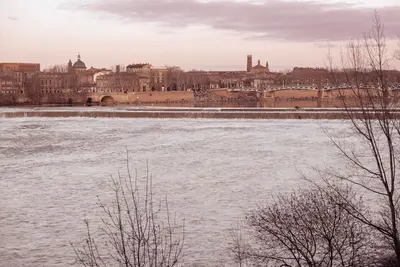
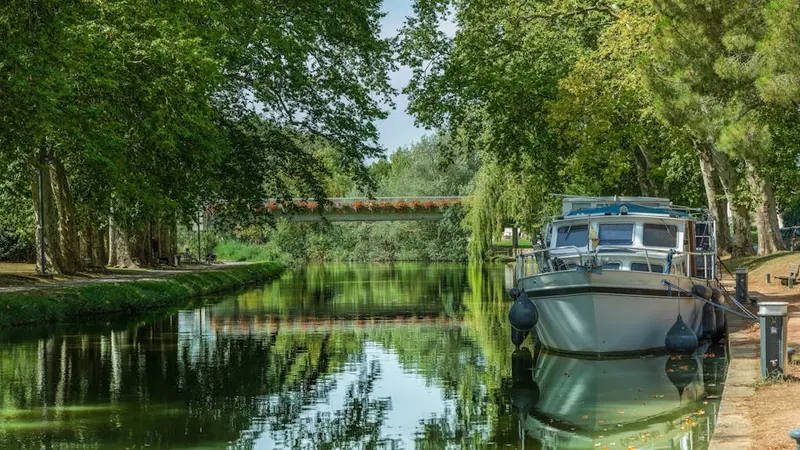
    Occitania blends Pyrenees and Mediterranean, a region rich in nature and history. You discover Roman remains like the Pont du Gard near Nîmes and the Cité de Carcassonne, a Cathar UNESCO World Heritage site. Toulouse, the "pink city", fascinates with the Canal du Midi; Albi shines with Sainte-Cécile Cathedral. The vibrant Occitan culture and gastronomy, such as Cassoulet, shape the regional experience. For relaxed visits, spring or autumn are recommended to avoid crowds.

    Places in Occitania (Occitanie)

    Sète

    Sète

    Welcome to Sète, the fascinating "Venice of Languedoc", where canals, the lively fishing port, and Mediterranean flair combine to create an unforgettable experience. This authentic port city on the Mediterranean coast enchants you with its unique light, its rich maritime history, and an unparalleled cuisine that delights fish and seafood lovers.
    Agde

    Agde

    Welcome to Agde, the fascinating 'black city' on the Mediterranean, where ancient Greek and Gallo-Roman history meets the vibrant life of a modern seaside resort. Discover a unique blend of historic architecture, picturesque streets, and the sun-drenched beaches of Cap d'Agde, crisscrossed by the UNESCO World Heritage Site Canal du Midi – a perfect destination for culture seekers and sun worshippers alike.
    Gruissan

    Gruissan

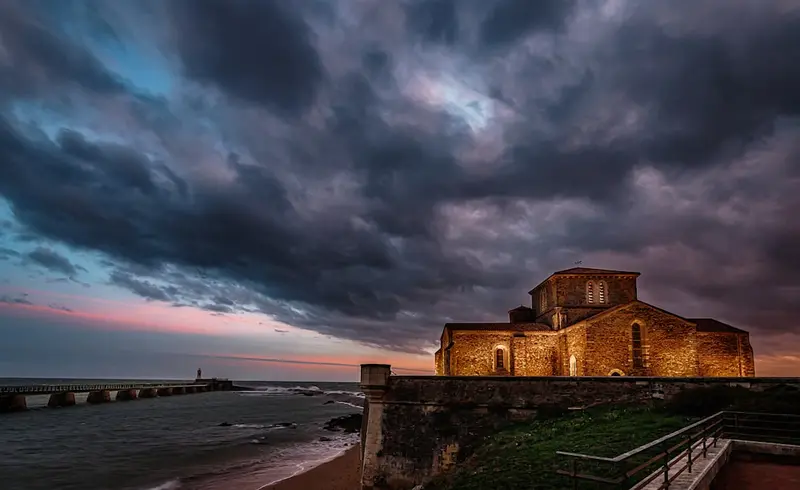
    Welcome to Gruissan, a charming former fishing village on the Mediterranean coast of Languedoc, which will immediately captivate you with its unique flair. Here you'll discover a fascinating blend of authentic French way of life, spectacular natural landscapes of the Salines and the Massif de la Clape, as well as a vibrant beach life that is particularly ideal for watersports enthusiasts. Explore the circular village center around the ruins of the Tour Barberousse and let yourself be captivated by the maritime atmosphere.
    Cordes-sur-Ciel

    Cordes-sur-Ciel

    Welcome to Cordes-sur-Ciel, one of France's most beautiful villages, perched majestically on its rocky outcrop overlooking the Tarn Valley. If you're seeking a journey back in time to the Middle Ages, surrounded by Gothic architecture and breathtaking panoramas, then this bastide in Languedoc is the perfect place for you. Discover winding alleyways, artisan shops, and enjoy a unique atmosphere that will instantly charm you.
    Narbonne

    Narbonne

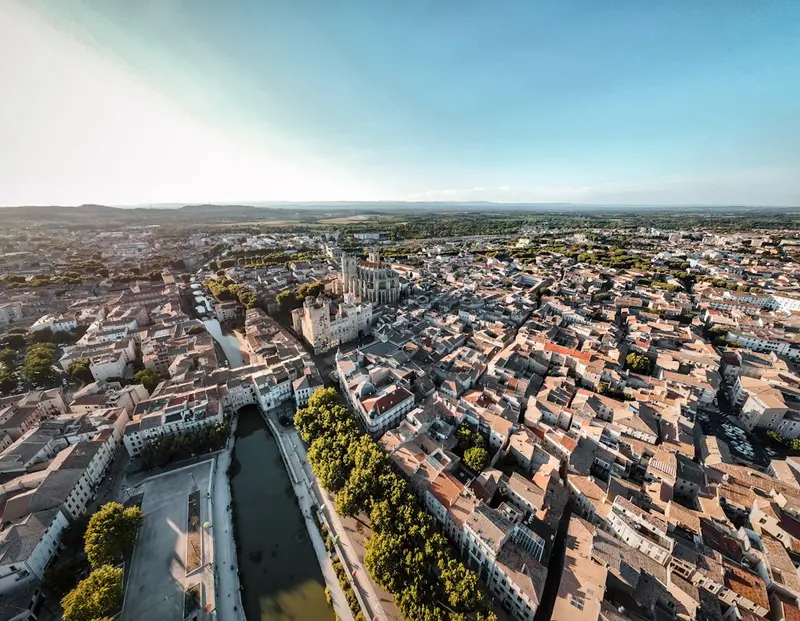
    Welcome to Narbonne, a city where Roman history and Southern French savoir-vivre uniquely blend! Discover this charming city on the banks of the Canal de la Robine, a UNESCO World Heritage site, and let yourself be enchanted by its rich heritage, lively markets, and relaxed atmosphere. Narbonne is the ideal starting point to explore the beauty of Languedoc and simultaneously experience authentic France away from the major tourist crowds.
    Béziers

    Béziers

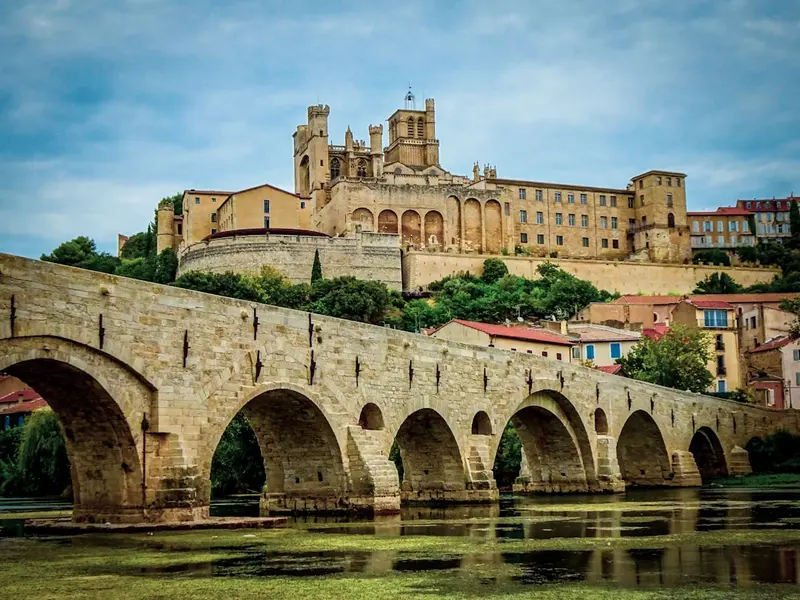
    Béziers, one of France's oldest cities, welcomes you with a **rich heritage** that stretches from Roman roots to the tumultuous history of the Cathars. From the imposing Saint-Nazaire Cathedral, you can enjoy breathtaking views over the vineyards of Languedoc and the glittering ribbon of the Canal du Midi, where its famous nine locks are located. Discover a city that uniquely combines **tradition and Southern French flair**, and let its authentic charm enchant you.
    Carcassonne

    Carcassonne

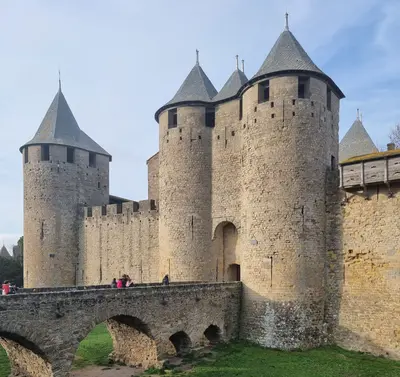
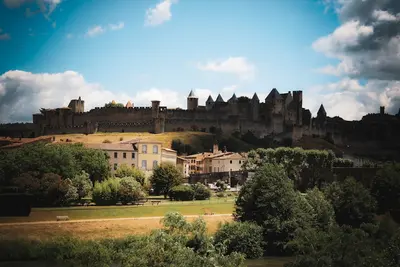
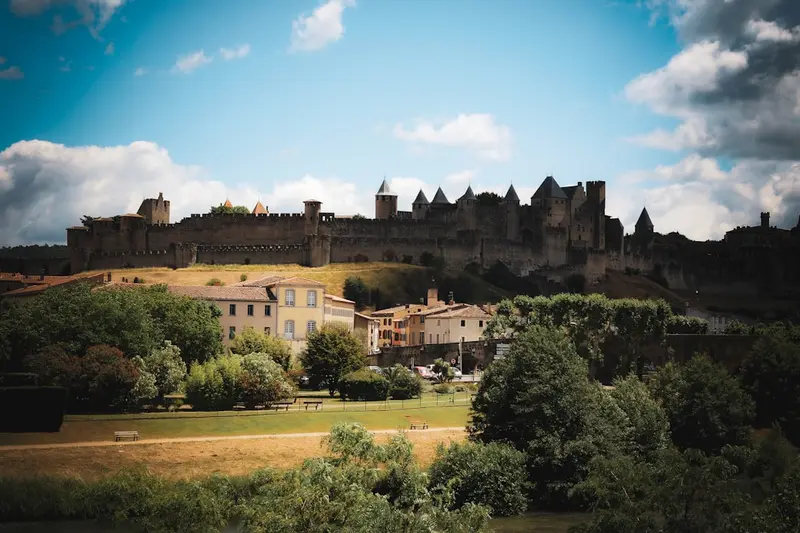
    Carcassonne is renowned for its Cité de Carcassonne, an impressive, double-walled fortress city and a UNESCO World Heritage site. You can explore the imposing defensive structures, whose origins date back to Roman times and which were extensively restored in the 19th century by Viollet-le-Duc. At the heart of the Cité are the Château Comtal and the Gothic Basilica Saint-Nazaire, reflecting the region's rich history, particularly during the Cathar Wars. Beyond the historic walls, the Ville Basse, the lower town, offers insights into modern French city life. For a more relaxed experience, visiting during the off-season is recommended to avoid the crowds. A practical tip is to ascend the walls in the late afternoon to witness the sunset over the landscape.
    Pont du Gard

    Pont du Gard

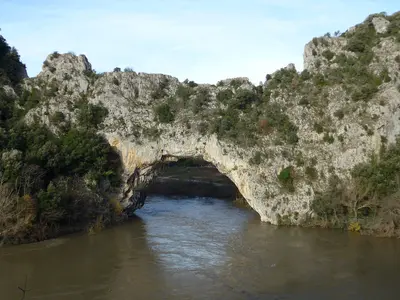
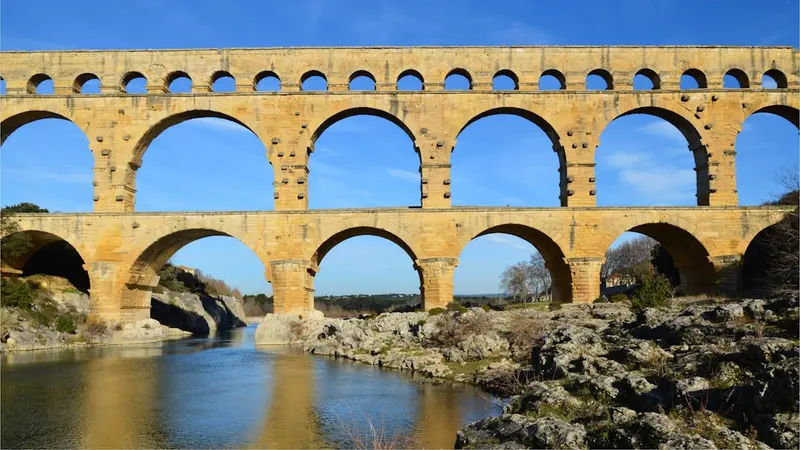
    The Pont du Gard is an outstanding testament to Roman engineering and ranks among the best-preserved ancient aqueducts worldwide. This impressive structure spans the Gardon River and was once part of a 50-kilometer-long aqueduct system that supplied the city of Nîmes with fresh water. You can extensively explore its three superimposed rows of arches, appreciating the impressive scale of this over 2000-year-old construction. The accompanying museum and visitor center offers you deep insights into the aqueduct's construction and history. For an undisturbed experience, a late afternoon visit is recommended to enjoy the golden hour and fewer visitors. In summer, the Gardon below the Pont du Gard invites you to swim and relax. A walk along the riverbank also reveals additional picturesque views of the monument.
    Saint-Gilles

    Saint-Gilles

    Discover Saint-Gilles, a charming town in the heart of the Petite Camargue, where history meets Southern French lifestyle. You stand before the impressive UNESCO World Heritage Abbey Church, its detailed Romanesque facade transporting you to a bygone era. Be enchanted by the authentic ambiance of this place, welcoming you amidst historic streets and the flavors of local cuisine.

    Sights in Occitania (Occitanie)

    Discover the most important sights and attractions

    Cabaret Le Kalinka

    The Cabaret Le Kalinka in Occitanie represents a vibrant facet of French entertainment culture. It offers an intimate stage for variety acts, ranging from singing and dancing to comedy and magic. The performances often reflect a blend of classic cabaret tradition and contemporary elements, making Le Kalinka an important cultural meeting point in the region. The hall's design is typically opulent and contributes to the special atmosphere that transports you to another era. Here, you experience direct interaction with the artists, which makes the shows particularly captivating. A practical tip: To secure a good spot and avoid wait times, you should definitely book your tickets online in advance. It is advisable to arrive approximately 30 minutes before the show begins to soak in the unique atmosphere beforehand and enjoy a drink.
    Open in Google Maps

    St-Sernin

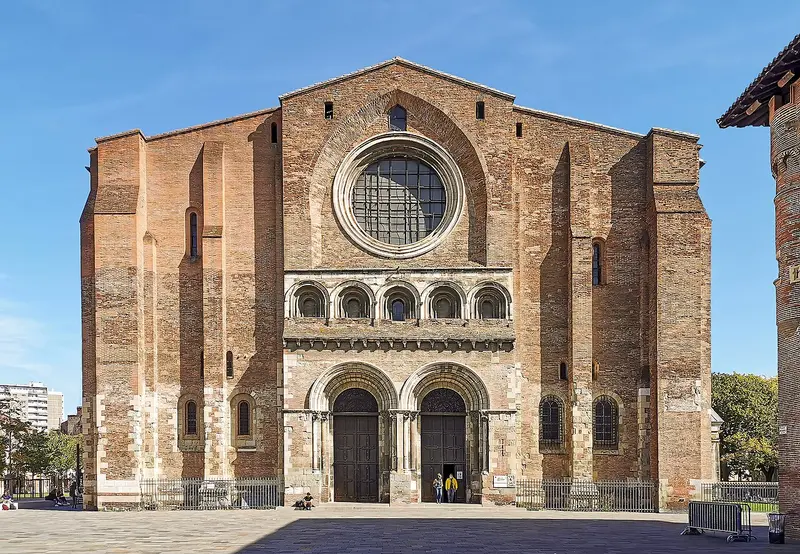
    The Basilica of Saint-Sernin in Toulouse, Occitanie, is one of France's largest and best-preserved Romanesque basilicas. Built between the 11th and 12th centuries, it represents an outstanding example of Romanesque architecture, particularly due to its characteristic brick construction. As a significant stop on the Way of St. James to Santiago de Compostela, it houses the relics of Saint Saturninus, the first bishop of Toulouse. You will be impressed by the imposing size of the nave and its five-aisled layout, typical of pilgrimage churches. Notice the fine sculptures at the Portal des Miègeville and the richly detailed capitals inside, depicting biblical scenes and mythological figures. The octagonal bell tower, rising above the transept, is a prominent landmark of the city. A visit to the crypt reveals further relics and a collection of medieval artworks. Our Tip: Visit Saint-Sernin early in the morning to enjoy the tranquility and the special light filtering through the windows, and to avoid the largest crowds. For an impressive exterior view and photos, the square in front of the west façade is recommended.
    Open in Google Maps

    Église de l'Immaculée Conception de Bonnefoy (Toulouse)

    The Église de l'Immaculée Conception de Bonnefoy in Toulouse, Occitanie, is a striking example of late 19th-century Neo-Gothic sacred architecture. Designed by architect Jean-Baptiste Curvale and built between 1890 and 1896, it reflects the architectural trends of the era and served the rapidly growing community of the Bonnefoy district. Here, you'll discover a church whose characteristic brick construction is typical of the 'ville rose'. Inside, a simple yet dignified atmosphere awaits you, along with impressive stained-glass windows depicting biblical scenes and bathing the space in warm light. Pay attention to the fine details of the stonework and the harmonious proportions of the nave, which convey a certain grandeur despite its modest size. The church offers an authentic glimpse into local community life and a peaceful retreat from the urban bustle. Our tip: Visit the church in the morning when the sunlight streams optimally through the windows, making the colours glow most intensely. For an undisturbed visit, it is advisable to go outside of service times.
    Open in Google Maps

    Archives des Canaux du Midi

    The Archives des Canaux du Midi in Occitanie preserve the invaluable legacy of one of France's most significant engineering marvels, the Canal du Midi. Here you'll find a comprehensive collection of documents that meticulously trace the conception, construction, and operation of this UNESCO World Heritage site since the 17th century. You can view original plans by Pierre-Paul Riquet, correspondences, technical drawings, and administrative records, offering deep insights into the construction techniques, financing, and social impact of the canal at the time. It is an essential place for historians and all those interested in the history of waterways. Our tip: Before your visit, inquire about the exact opening hours and any requirements for accessing specific archival materials. Plan enough time to grasp the wealth of information and appreciate the significance of this historical treasure. It is a tranquil place for research and reflection, far from the usual tourist paths.
    Open in Google Maps

    Jardin des Plantes

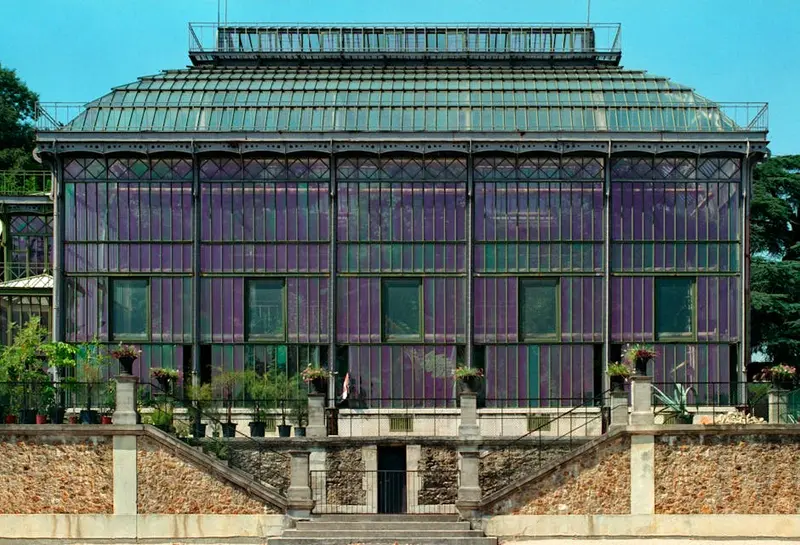
    The Jardin des Plantes in Occitanie, often a historic botanical garden, has served for centuries for scientific research and recreation. Originally established as a royal garden for medicinal plants, it evolved into a center for botany and biodiversity. You'll find here an impressive collection of plants from all over the world, including rare species and thematic beds. Stroll through the various sections, often arranged by geographical or botanical criteria, and discover the diversity of flora. Many of these gardens also house ancient trees and ornate greenhouses that are architecturally interesting. It's an ideal place to escape the city hustle and bustle and enjoy nature. Our Tip: Visit the garden in spring or early summer, when most plants are in full bloom. For a quieter experience, it's advisable to explore the garden on weekday mornings to avoid the crowds.
    Open in Google Maps

    St-Sernin

    The Basilica Saint-Sernin in Toulouse, in the heart of Occitanie, is an outstanding example of Romanesque architecture and a significant stop on the Camino de Santiago to Santiago de Compostela. Here you will find one of France's largest preserved Romanesque churches, which has been a UNESCO World Heritage site since 1998. Its construction began in the 11th century and was dedicated to the martyr Saturninus. Particularly impressive is the imposing bell tower with its five storeys, majestically rising above the city. Inside, a spacious nave and a crypt housing important relics await you. Pay attention to the fine sculptures on the Porte des Comtes and the capitals. Our tip: Visit the Basilica early in the morning to enjoy the peace and special light, and to avoid the crowds. For an undisturbed photo of the facade, the square in front of the main entrance is ideal.
    Open in Google Maps

    Dining & Drinks

    Cultural Heritage and History of Occitania

    Okzitanien ist eine Region mit einer tief verwurzelten und vielschichtigen Geschichte, die bis in die römische Antike zurückreicht. Zeugnisse wie der Pont du Gard und die Arenen von Nîmes prägen das Landschaftsbild und zeugen von einer blühenden römischen Zivilisation. Im Mittelalter wurde die Region zum Zentrum der Katharerbewegung, einer eigenständigen christlichen Glaubensrichtung, deren Verfolgung durch die Albigenserkreuzzüge tiefe Spuren in der Landschaft und im kollektiven Gedächtnis hinterließ.Die Architektur Okzitaniens spiegelt diese bewegten Epochen wider. Von den imposanten römischen Aquädukten und Amphitheatern über die romanischen Abteien wie Fontfroide bis hin zu den majestätischen Katharerburgen, die oft auf schwer zugänglichen Felsvorsprüngen thronen, bietet die Region eine Zeitreise durch europäische Baustile. Gotische Meisterwerke wie die Kathedrale Sainte-Cécile in Albi, erbaut aus rotem Backstein, demonstrieren die einzigartige Adaption architektonischer Stile an lokale Materialien und Traditionen.Kulturell ist Okzitanien reich an regionalen Identitäten und Traditionen. Die okzitanische Sprache, einst weit verbreitet, ist heute ein Symbol des kulturellen Erbes, das in Volksliedern und lokalen Festen weiterlebt. Die Region ist auch berühmt für ihre kulinarische Tradition, darunter Spezialitäten wie Cassoulet und Roquefort-Käse, sowie für ihre Weinproduktion, die das Terroir und die Geschichte der Landschaft widerspiegelt. Feste wie die Feria in Nîmes mit ihren Stierläufen und Flamenco-Einflüssen zeigen die Nähe zu mediterranen und iberischen Kulturen.

    Locations nearby

    These places are nearby — perfect for additional days or a day trip.

    Toulouse

    Toulouse

    The capital of Occitania, known as 'La Ville Rose' (The Pink City), delights with its terracotta-coloured buildings, its lively student scene, and its significant aerospace industry.
    Cordes-sur-Ciel

    Cordes-sur-Ciel

    Welcome to Cordes-sur-Ciel, one of France's most beautiful villages, perched majestically on its rocky outcrop overlooking the Tarn Valley. If you're seeking a journey back in time to the Middle Ages, surrounded by Gothic architecture and breathtaking panoramas, then this bastide in Languedoc is the perfect place for you. Discover winding alleyways, artisan shops, and enjoy a unique atmosphere that will instantly charm you.
    Albi

    Albi

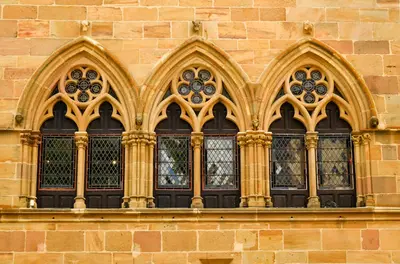
    The UNESCO-protected city of Albi is famous for its impressive red-brick Sainte-Cécile Cathedral and the museum dedicated to the artist Toulouse-Lautrec.
    Carcassonne

    Carcassonne

    Carcassonne is renowned for its Cité de Carcassonne, an impressive, double-walled fortress city and a UNESCO World Heritage site. You can explore the imposing defensive structures, whose origins date back to Roman times and which were extensively restored in the 19th century by Viollet-le-Duc. At the heart of the Cité are the Château Comtal and the Gothic Basilica Saint-Nazaire, reflecting the region's rich history, particularly during the Cathar Wars. Beyond the historic walls, the Ville Basse, the lower town, offers insights into modern French city life. For a more relaxed experience, visiting during the off-season is recommended to avoid the crowds. A practical tip is to ascend the walls in the late afternoon to witness the sunset over the landscape.
    Valle de Arán

    Valle de Arán

    A unique, France-influenced valley with its own language (Aranese), known for charming villages, ski slopes (Baqueira Beret) and excellent hiking opportunities.