Fernweh
    ExploreTravel GuidesMy Trips
    de|en
    About FernwehImprintFAQPrivacy Policy
    ExploreTravel GuidesMy Trips
    Agde

    Agde

    CityCultureBeachNatureFor FamiliesCulinary
    1. Home
    2. Destinations
    3. France
    4. Occitania (Occitanie)
    5. Agde
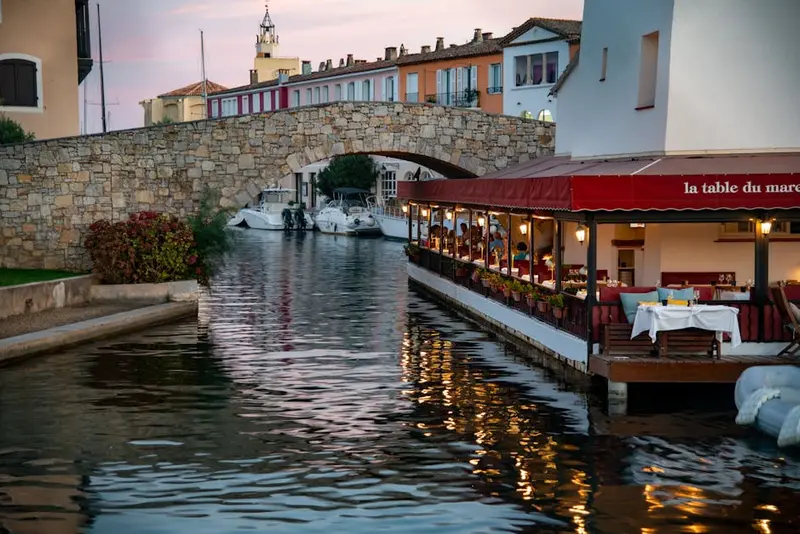
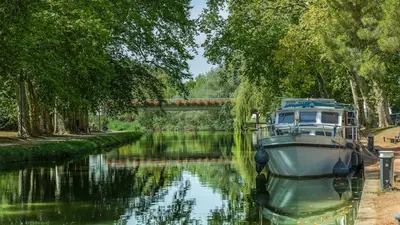
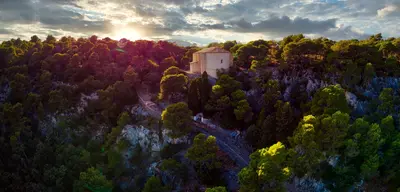
    Welcome to Agde, the fascinating 'black city' on the Mediterranean, where ancient Greek and Gallo-Roman history meets the vibrant life of a modern seaside resort. Discover a unique blend of historic architecture, picturesque streets, and the sun-drenched beaches of Cap d'Agde, crisscrossed by the UNESCO World Heritage Site Canal du Midi – a perfect destination for culture seekers and sun worshippers alike.
    • Neighborhoods & highlights
    • Walking tours
    • Eat & drink
    • Culture
    • Nightlife
    • Getting around
    • Accommodation
    • Plan trip
    • Nearby
    • Neighborhoods & highlights
    • Walking tours
    • Eat & drink
    • Culture
    • Nightlife
    • Getting around
    • Accommodation
    • Plan trip
    • Nearby

    Overview

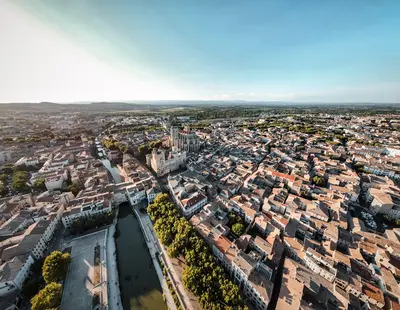
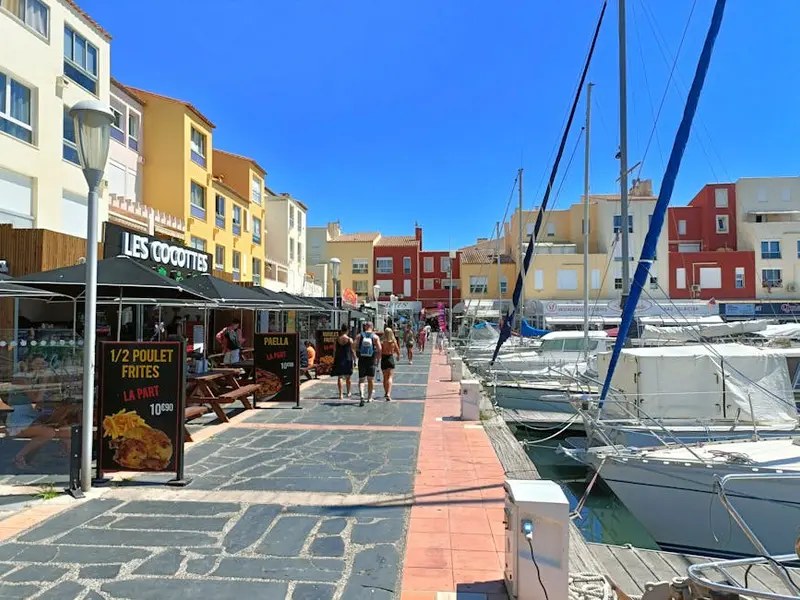
    Agde, the 'black city', captivates with historic buildings made of dark volcanic basalt, giving the Old Town a unique allure. Its rich history, dating back to its founding by Greeks in the 6th century BC, is brought to life at the Musée de l'Éphèbe et d'archäologie sous-mariner with impressive finds. In stark contrast, modern Cap d'Agde offers sprawling sandy beaches and a vibrant port district for watersports and recreation. The Canal du Midi, a UNESCO World Heritage site, flows through the city, inviting visitors for boat trips or walks. Explore the Old Town's narrow streets leading to the imposing Saint-Étienne Cathedral, another striking basalt edifice. Visiting during the shoulder season in spring or autumn offers milder temperatures and fewer crowds for a relaxed exploration.

    Places in Agde

    Discover the most important sights and attractions

    Sights in Agde

    1Cathédrale Saint-Étienne d'Agde

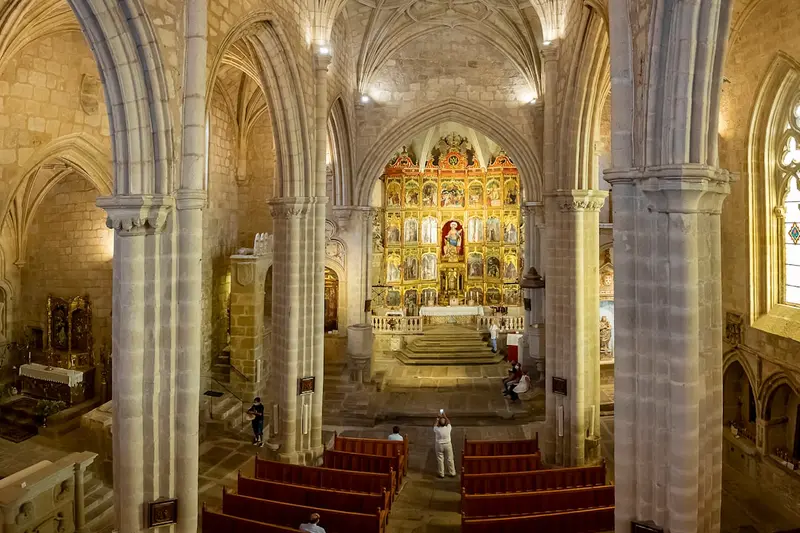
    Die Cathédrale Saint-Étienne d'Agde ist ein beeindruckendes Beispiel romanischer Festungsarchitektur, das du in der historischen Stadt Agde findest. Ihre Besonderheit ist das Baumaterial: dunkler Basaltstein, der ihr ein wehrhaftes, fast düsteres Aussehen verleiht. Ursprünglich im 12. Jahrhundert auf den Fundamenten einer karolingischen Kirche errichtet, diente sie nicht nur als Gotteshaus, sondern auch als Schutz vor Angriffen. Ihre massiven Mauern, Zinnen und der hohe Glockenturm zeugen von dieser doppelten Funktion und ihrer strategischen Lage am Fluss Hérault. Im Inneren erwartet dich eine schlichte, aber ehrwürdige Atmosphäre, die die Robustheit des Äußeren widerspiegelt und zum Nachdenken einlädt. Unser Tipp: Besuche die Kathedrale am besten am Vormittag, wenn das Licht den dunklen Stein besonders gut zur Geltung bringt. Für ein beeindruckendes Foto der gesamten Anlage positioniere dich am gegenüberliegenden Ufer des Hérault, um ihre imposante Silhouette einzufangen.
    Open in Google Maps

    2Musée de l'Éphèbe et d'archéologie sous-marine

    Das Musée de l'Éphèbe et d'archéologie sous-marine in Agde bietet dir einen faszinierenden Einblick in die maritime Geschichte der Region. Es beherbergt eine außergewöhnliche Sammlung von Artefakten, die aus dem Mittelmeer und dem Fluss Hérault geborgen wurden und Agdes Bedeutung als antiken Hafen verdeutlichen. Im Zentrum steht der berühmte Éphèbe d'Agde, eine exquisite griechische Bronzestatue aus dem 4. Jahrhundert v. Chr., 1964 im Flussbett entdeckt und als Meisterwerk antiker Kunst anerkannt. Du findest hier zudem Überreste antiker Schiffswracks, Amphoren und Keramiken, die Zeugnis von intensiver Handelstätigkeit und dem täglichen Leben in der Antike ablegen. Die Exponate beleuchten die gallo-römische und griechische Präsenz an der Küste des Languedoc sowie die Entwicklung der Unterwasserarchäologie. Das Museum ist in einem ehemaligen Bischofspalast aus dem 17. Jahrhundert untergebracht, was dem Besuch eine zusätzliche historische Dimension verleiht. Unser Tipp: Besuche das Museum am Vormittag kurz nach der Öffnung, um die Exponate in Ruhe zu betrachten. Für das perfekte Foto des Éphèbe nutze das oft durch die Fenster fallende natürliche Licht.
    Open in Google Maps

    3Ronde d'Agde (Rundschleuse im Canal du Midi)

    Die Ronde d'Agde, eine einzigartige Rundschleuse im Canal du Midi, ist ein herausragendes Beispiel für die Ingenieurskunst des 17. Jahrhunderts. Erbaut von Pierre-Paul Riquet, dem Visionär hinter dem Kanal, ermöglichte diese Schleuse die Verbindung des Canal du Midi mit dem Fluss Hérault und dem Mittelmeer. Ihre kreisförmige Bauweise ist weltweit selten und macht sie zu einem faszinierenden technischen Denkmal. Du kannst hier beobachten, wie Binnenschiffe und Sportboote durch drei verschiedene Tore in die Schleusenkammer einfahren, um entweder den Kanal fortzusetzen, in den Hérault abzubiegen oder die Reise zum Meer anzutreten. Dieser komplexe Manövriervorgang ist ein Schauspiel für sich und verdeutlicht die geniale Funktionalität der Anlage. Die Schleuse ist Teil des UNESCO-Weltkulturerbes Canal du Midi und ein wichtiger Knotenpunkt für die Binnenschifffahrt in der Region. Unser Tipp: Besuche die Schleuse am besten vormittags oder am frühen Nachmittag, wenn der Bootsverkehr am aktivsten ist. Für beeindruckende Fotos positioniere dich auf der Brücke, die einen guten Überblick über das gesamte Becken bietet, und fange die Bewegung der Boote ein. Vermeide die Hochsaison im Juli und August, um die Menschenmassen zu umgehen und das Erlebnis in Ruhe zu genießen.
    Open in Google Maps

    4Cap d'Agde

    Das Cap d'Agde ist ein bedeutendes Beispiel für die Entwicklung des modernen Tourismus an der französischen Mittelmeerküste. Es entstand in den 1960er Jahren als Teil der staatlichen „Mission Racine“, einem umfassenden Projekt zur Erschließung der Küste des Languedoc-Roussillon. Du findest hier eine durchdacht geplante Ferienanlage, die sich durch ihre Vielfalt auszeichnet. Neben ausgedehnten Sandstränden und mehreren Marinas, die ideale Bedingungen für Wassersport bieten, erwartet dich ein breites Spektrum an Restaurants, Boutiquen und Freizeitmöglichkeiten. Ein international bekanntes Merkmal ist das große FKK-Dorf, das einen signifikanten Bereich des Cap d'Agde einnimmt. Abseits davon bieten sich dir aber auch charmante Viertel und der Blick auf den Mont Saint-Loup, einen erloschenen Vulkan, der die Landschaft prägt. Unser Tipp: Um die angenehmen Temperaturen und eine entspanntere Atmosphäre zu erleben, besuche Cap d'Agde in der Nebensaison, idealerweise im Mai, Juni oder September. Für einen Panoramablick über den Hafen und das Meer empfiehlt sich ein Spaziergang zum Leuchtturm am Ende der Mole.
    Open in Google Maps

    5Cathédrale Saint-Étienne d'Agde

    The Cathédrale Saint-Étienne d'Agde, built from dark volcanic basalt, shapes the cityscape of Agde with its unique, fortified appearance. You'll find this impressive fortress-church directly on the Hérault River, where it has stood since the 12th century. Its origins date back to Roman times, as it was built upon the foundations of an ancient temple. Construction began around 1173, and it served not only religious purposes but also as protection against pirates and invaders, which is reflected in its massive walls and the imposing donjon bell tower. Inside, a simple yet sublime atmosphere awaits you, characterized by the dark stone and Romanesque architecture. Pay attention to the capitals and the narrow windows. The cathedral was once part of a bishop's palace and testifies to Agde's strategic importance. Our Tip: Visit the cathedral in the morning, when the sunlight best highlights the dark facade and emphasizes the details of the stonework. For an undisturbed interior visit, it's advisable to use the early morning hours. An excellent photo spot is the Hérault riverwalk, from where you can overlook the entire fortress architecture.
    Open in Google Maps

    6Musée de l'Éphèbe et d'archéologie sous-marine

    The **Musée de l'Éphèbe et d'archéologie sous-marine** in Agde is dedicated to the rich underwater history of the region. Here you will find an impressive collection of artifacts recovered from the Hérault river and the Mediterranean Sea. The centerpiece of the exhibition is undoubtedly the *Éphèbe of Agde*, a rare Hellenistic bronze statue from the 4th century BCE, discovered in the riverbed in 1964. This statue testifies to the artistic mastery of antiquity and the significance of Agde as the ancient Greek trading city of Agathe Tyche.Besides the Éphèbe, the museum presents a variety of other finds, including amphorae, ship hulls, and everyday objects, which offer insights into the lives and trade of the Greeks and Romans in this coastal region. The exhibits illustrate the development of maritime activities from antiquity to modern times. *Our tip:* Visit the museum on a weekday morning to view the exhibits in peace and avoid the crowds. Pay special attention to the detailed explanations of the recovery methods, which highlight the complexity of underwater archaeology.
    Open in Google Maps

    City walks in Agde

    Curated walking tours through the city's highlights — handpicked by experienced travel journalists.

    Agdes Schwarze Perle: Ein Spaziergang durch die Vulkanstadt

    Entdecken Sie Agde, die 'Schwarze Perle des Mittelmeers', bei einem entspannten Stadtrundgang. Diese Tour führt Sie durch die historischen Gassen aus dunklem Vulkanstein, entlang des Flusses Hérault und durch das lebendige Hafenviertel. Tauchen Sie ein in die reiche Geschichte und das einzigartige Flair dieser charmanten südfranzösischen Stadt.

    In Google Maps öffnen
    Stopps (5)

    Restaurants & Cafes

    Culture, Art, and History in Agde

    Agde, eine der ältesten Städte Frankreichs, blickt auf eine mehr als 2.600 Jahre alte Geschichte zurück. Ihre kulturelle Identität ist tief in der Antike verwurzelt und spiegelt sich in ihrem architektonischen Erbe sowie lokalen Bräuchen wider. Als ehemalige griechische Handelskolonie hat Agde im Laufe der Jahrhunderte zahlreiche prägende Epochen erlebt.Die Gründung erfolgte um 580 v. Chr. durch phokäische Griechen unter dem Namen „Agathe Tyche“. Diese helle Wurzel prägte die Stadt nachhaltig, bevor sie unter römische und später unter westgotische Herrschaft fiel. Eine der markantesten architektonischen Besonderheiten ist die Cathédrale Saint-Étienne, eine romanische Festungskirche aus dem 12. Jahrhundert, die vollständig aus dem dunklen Vulkanstein Basalt der Region erbaut wurde. Ihr wehrhafter Charakter zeugt von der strategischen Bedeutung Agdes in mittelalterlichen Zeiten.Das historische Zentrum mit seinen engen Gassen und alten Steinhäusern bewahrt das Flair vergangener Jahrhunderte. Lokale Traditionen sind eng mit der maritimen Geschichte und der Fischerei verbunden, die bis heute einen wichtigen Wirtschaftszweig darstellen. Die languedocianische Kultur, geprägt von ihrer geografischen Lage zwischen Mittelmeer und Hinterland, manifestiert sich in der regionalen Küche und Festen, die das Erbe der Stadt lebendig halten.

    Nightlife

    Agde offers a charming variety of evening entertainment options, ranging from cozy bars to lively beach clubs. Especially along the coast and in the city center, you will find a good mix of locations to unwind in the evening or to party until the early hours of the morning.

    Getting around

    In Agde, flexible mobility is highly recommended. The charming old town and waterfront areas are perfect for exploring on foot or by bike. For longer distances and connections to the surrounding beaches and Cap d'Agde, local bus services and taxis are available.

    Accommodations in Agde

    Accommodations in Agde

    Find perfect stay in Agde

    Booking.com
    Search Hotels
    Agoda
    Search Hotels
    Airbnb
    Vacation Rentals
    Hotels.com
    Hotels Worldwide
    Hostelworld
    Hostels

    Campgrounds in Agde

    Find perfect campground in Agde

    Search via Google Maps
    Campgrounds nearby (15km)
    Camping.info
    Find Campgrounds
    Park4Night
    RV Parks & Camping

    Plan your trip to Agde

    Save places, build a route and plan your city trip — all in one place.

    Save places

    Bookmark sights, restaurants and neighborhoods you're interested in.

    Build your route

    Turn your bookmarks into a route — define order, days and budget.

    Refine with AI

    Let Mein Fernweh suggest experiences and put together a tailored daily plan.

    Start trip planningOpen bookmarks

    Locations nearby

    These places are nearby — perfect for additional days or a day trip.

    Sète

    Sète

    Welcome to Sète, the fascinating "Venice of Languedoc", where canals, the lively fishing port, and Mediterranean flair combine to create an unforgettable experience. This authentic port city on the Mediterranean coast enchants you with its unique light, its rich maritime history, and an unparalleled cuisine that delights fish and seafood lovers.
    Béziers

    Béziers

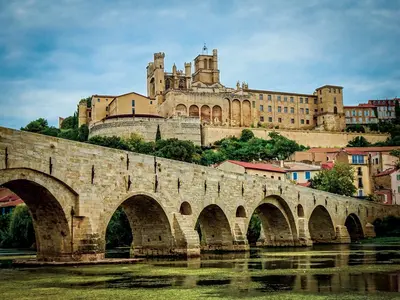
    Béziers, one of France's oldest cities, welcomes you with a **rich heritage** that stretches from Roman roots to the tumultuous history of the Cathars. From the imposing Saint-Nazaire Cathedral, you can enjoy breathtaking views over the vineyards of Languedoc and the glittering ribbon of the Canal du Midi, where its famous nine locks are located. Discover a city that uniquely combines **tradition and Southern French flair**, and let its authentic charm enchant you.
    Canal du Midi

    Canal du Midi

    The UNESCO World Heritage Canal du Midi is a historic waterway, lined with picturesque locks and plane trees, and ideal for relaxed boat trips and cycling tours.
    Gruissan

    Gruissan

    Welcome to Gruissan, a charming former fishing village on the Mediterranean coast of Languedoc, which will immediately captivate you with its unique flair. Here you'll discover a fascinating blend of authentic French way of life, spectacular natural landscapes of the Salines and the Massif de la Clape, as well as a vibrant beach life that is particularly ideal for watersports enthusiasts. Explore the circular village center around the ruins of the Tour Barberousse and let yourself be captivated by the maritime atmosphere.
    Narbonne

    Narbonne

    Welcome to Narbonne, a city where Roman history and Southern French savoir-vivre uniquely blend! Discover this charming city on the banks of the Canal de la Robine, a UNESCO World Heritage site, and let yourself be enchanted by its rich heritage, lively markets, and relaxed atmosphere. Narbonne is the ideal starting point to explore the beauty of Languedoc and simultaneously experience authentic France away from the major tourist crowds.