Fernweh
    ExploreTravel GuidesMy Trips
    de|en
    About FernwehImprintFAQPrivacy Policy
    ExploreTravel GuidesMy Trips
    Pont du Gard

    Pont du Gard

    CityCulture
    1. Home
    2. Destinations
    3. France
    4. Occitania (Occitanie)
    5. Pont du Gard
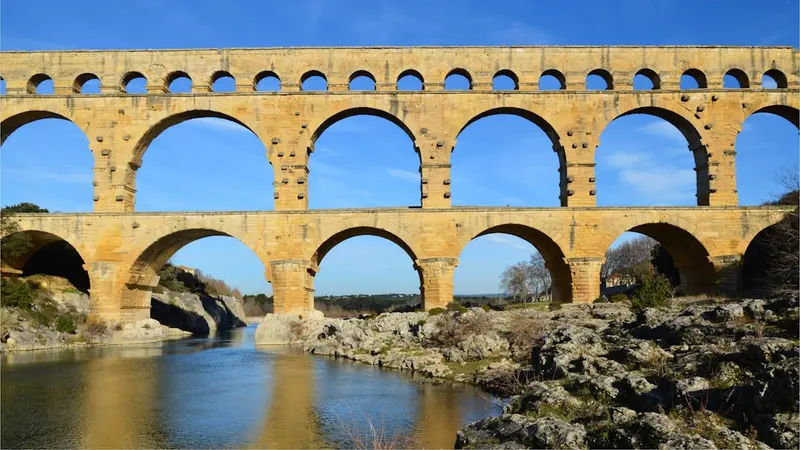
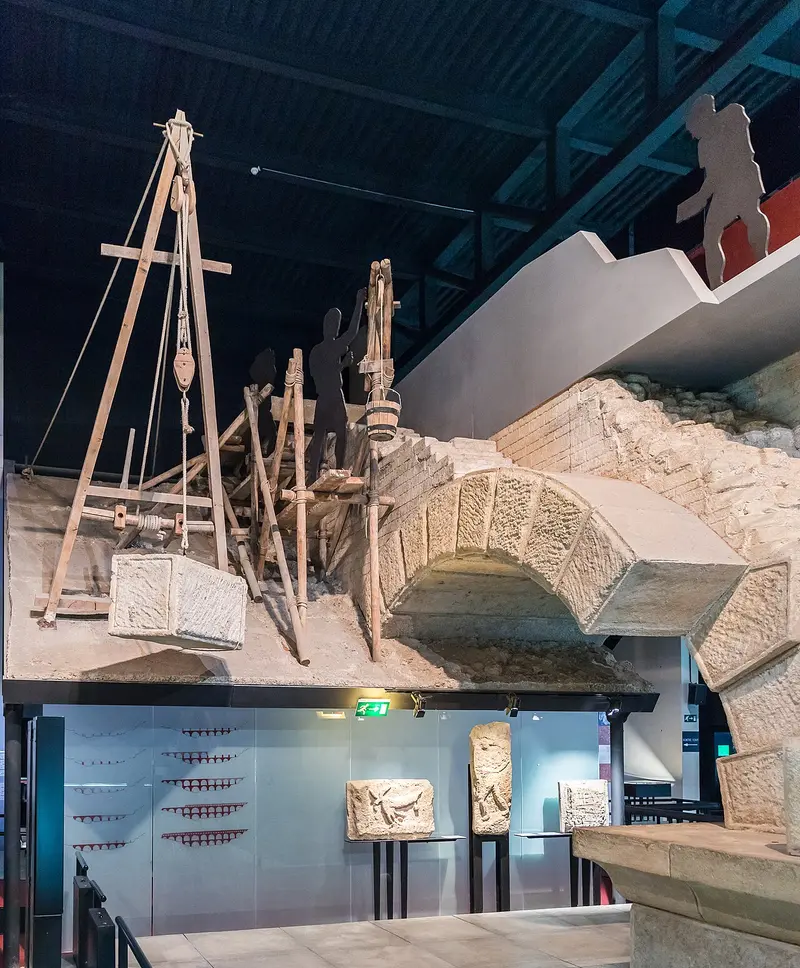
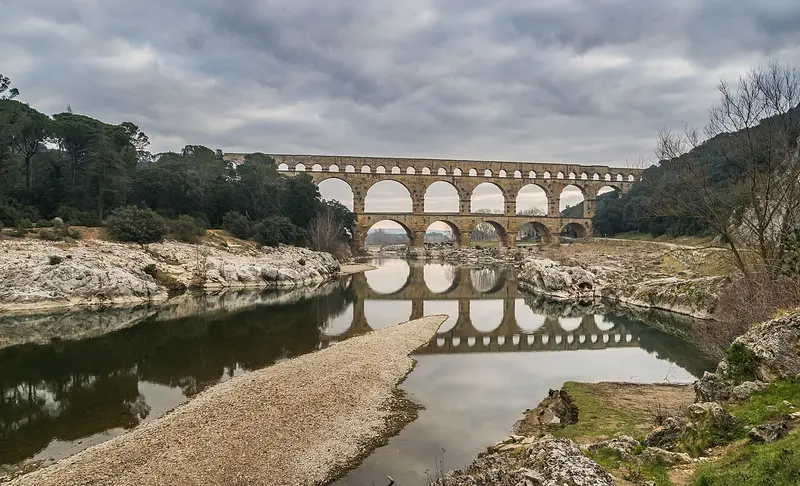
    The Pont du Gard is an outstanding testament to Roman engineering and ranks among the best-preserved ancient aqueducts worldwide. This impressive structure spans the Gardon River and was once part of a 50-kilometer-long aqueduct system that supplied the city of Nîmes with fresh water. You can extensively explore its three superimposed rows of arches, appreciating the impressive scale of this over 2000-year-old construction. The accompanying museum and visitor center offers you deep insights into the aqueduct's construction and history. For an undisturbed experience, a late afternoon visit is recommended to enjoy the golden hour and fewer visitors. In summer, the Gardon below the Pont du Gard invites you to swim and relax. A walk along the riverbank also reveals additional picturesque views of the monument.
    • Neighborhoods & highlights
    • Walking tours
    • Eat & drink
    • Culture
    • Getting around
    • Accommodation
    • Plan trip
    • Nearby
    • Neighborhoods & highlights
    • Walking tours
    • Eat & drink
    • Culture
    • Getting around
    • Accommodation
    • Plan trip
    • Nearby

    Overview

    The Pont du Gard, an impressive UNESCO World Heritage site in France, is an outstanding testament to Roman engineering. This ancient aqueduct once served as a central part of a roughly 50-kilometer-long water pipeline that supplied the city of Nemausus, today's Nîmes, with fresh spring water. You'll see a three-tiered bridge structure that majestically spans the Gardon river, reaching a height of almost 49 meters. Its precise construction, with no mortar used in the main arches, demonstrates the advanced knowledge of the Romans. Besides the bridge itself, you can visit the Musée du Pont du Gard, which offers deeper insights into its history and construction. For the best experience, a visit is recommended in the early morning or late afternoon to avoid the crowds and capture the light optimally. A stroll along the river or even a swim in the Gardon will complete your visit.

    Places in Pont du Gard

    Discover the most important sights and attractions
    Sights in Pont du Gard

    Beach Viewpoint

    Attraction in 1 X Chemin de St Privat.
    Open in Google Maps

    Capitelle

    Attraction in 62 Pl. de la Fontaine.
    Open in Google Maps

    南法旅遊

    Attraction in 30210.
    Open in Google Maps

    Gard

    Attraction in 1 X Chemin de St Privat.
    Open in Google Maps

    Pont du Gard

    Attraction in 30210 Remoulins.
    Open in Google Maps

    City walks in Pont du Gard

    Curated walking tours through the city's highlights — handpicked by experienced travel journalists.

    Römisches Meisterwerk & Garrigue: Ein Spaziergang am Pont du Gard

    Entdecken Sie das UNESCO-Weltkulturerbe Pont du Gard auf einem rund zweistündigen Spaziergang. Tauchen Sie ein in die beeindruckende Geschichte dieses römischen Aquädukts, genießen Sie atemberaubende Ausblicke auf den Gardon und erkunden Sie die mediterrane Landschaft der Garrigue. Eine perfekte Mischung aus Kultur, Natur und römischer Ingenieurskunst.

    ~2 Std.
    In Google Maps öffnen
    Stopps (7)

    Food and Drink

    Roman Architecture and Cultural Heritage

    The Pont du Gard, a monumental Roman aqueduct, is an outstanding testament to ancient engineering skill and forms the heart of the culture and history of this region in Southern France. Built in the 1st century AD as part of a 50-kilometer canal, it supplied the city of Nîmes with fresh water from the Eure spring near Uzès.Its architectural brilliance is evident in its harmonious three-tiered dry-stone construction, whose arches were joined without mortar – a masterpiece of Roman building technique and precision. Over centuries, the bridge withstood natural forces and human use, serving as a toll bridge in the Middle Ages, which contributed to its preservation.Today, the Pont du Gard is a UNESCO World Heritage site that not only reflects Roman civilization in its heyday but also highlights Provence's deep-rooted connection to its ancient past. It stands as a cultural symbol for permanence and the ability of human creativity to endure across generations.

    Getting Around Here

    While the Pont du Gard isn't a city, its accessibility and on-site movement are excellently organized. Naturally, there's no direct metro or tram connection, but arrival by regional bus from Avignon (Line 115) or Nîmes (Line 121) is straightforward, with buses stopping directly at the visitor center. Check timetables and, if necessary, use regional transport apps for the latest information.Bicycles offer flexibility, as the region is excellent for cycling tours; e-scooters are more common in surrounding towns than directly at the monument itself. Taxis and ride-sharing services are ideal for a comfortable direct journey, especially if you're coming from further afield or have considerable luggage. The entire area around the Pont du Gard is also extremely pedestrian-friendly, with well-maintained paths that invite exploration of the aqueduct and its surrounding nature.Practical Travel Tips: For drivers, ample paid parking is available at the visitor center. Those staying for several days in the region often benefit from regional public transport discount cards.

    Accommodations in Pont du Gard

    Accommodations in Pont du Gard

    Find perfect stay in Pont du Gard

    Booking.com
    Search Hotels
    Agoda
    Search Hotels
    Airbnb
    Vacation Rentals
    Hotels.com
    Hotels Worldwide
    Hostelworld
    Hostels

    Campgrounds in Pont du Gard

    Find perfect campground in Pont du Gard
    Search via Google Maps
    Campgrounds nearby (15km)
    Camping.info
    Find Campgrounds
    Park4Night
    RV Parks & Camping

    Plan your trip to Pont du Gard

    Save places, build a route and plan your city trip — all in one place.

    Save places

    Bookmark sights, restaurants and neighborhoods you're interested in.

    Build your route

    Turn your bookmarks into a route — define order, days and budget.

    Refine with AI

    Let Mein Fernweh suggest experiences and put together a tailored daily plan.

    Start trip planningOpen bookmarks

    Locations nearby

    These places are nearby — perfect for additional days or a day trip.

    Avignon

    Avignon

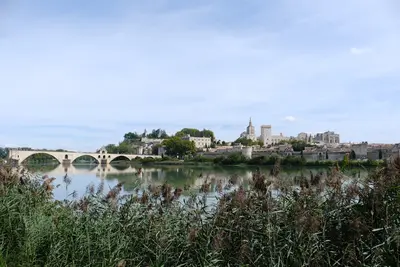
    Historical Avignon in Provence is inextricably linked to its time as a papal seat in the 14th century. Its imposing city walls enclose an Old Town that is a UNESCO World Heritage site. You will be particularly impressed by the Palais des Papes, Europe's largest Gothic palace, and the famous Pont Saint-Bénézet bridge, known as the Pont d'Avignon. Stroll through the narrow streets and bustling squares to experience the city's authentic flair. From the Rocher des Doms rock, you can also enjoy a wide view over the city and the Rhône. For a more relaxed experience, a visit in spring or autumn is recommended to avoid the summer heat and peak tourist crowds.
    Provence

    Provence

    The Provence is a region in southeastern France that captivates visitors with its unique blend of Roman history, medieval charm, and breathtaking natural landscapes. From its famous lavender fields to vibrant cities and picturesque coastal towns, Provence offers a wealth of experiences that perfectly combine culture, cuisine, and relaxation.
    Arles

    Arles

    Arles is a city with a deep-rooted history, shaped by its Roman heritage and the artistic presence of Vincent van Gogh. Here, you can explore impressive Roman structures such as the well-preserved amphitheater Arènes d'Arles and the ancient theater, both UNESCO World Heritage sites. The Roman cryptoporticus and the Alyscamps burial ground also bear witness to the city's former importance. The city significantly inspired Vincent van Gogh, whose traces can be found at places like Café la Nuit or in the garden of the Hôtel-Dieu. The Fondation Vincent van Gogh Arles presents his work in the context of contemporary art. For an authentic experience, a visit to the lively Saturday market is worthwhile. The best time to visit is spring or autumn, to enjoy the city with mild temperatures and fewer crowds.
    Saint-Gilles

    Saint-Gilles

    Discover Saint-Gilles, a charming town in the heart of the Petite Camargue, where history meets Southern French lifestyle. You stand before the impressive UNESCO World Heritage Abbey Church, its detailed Romanesque facade transporting you to a bygone era. Be enchanted by the authentic ambiance of this place, welcoming you amidst historic streets and the flavors of local cuisine.
    Gorges de l'Ardèche

    Gorges de l'Ardèche

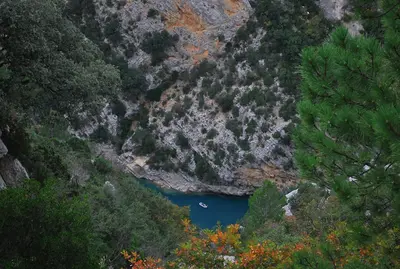
    The Gorges de l'Ardèche in the Auvergne-Rhône-Alpes region is an impressive canyon landscape, stretching over 30 kilometers. Here, you'll discover the majestic Pont d'Arc, a natural rock arch that serves as a gateway to the gorge. A canoe trip on the Ardèche River offers the best perspective of the steep limestone cliffs and unspoiled nature. Of historical significance is the nearby Caverne du Pont d'Arc, a faithful replica of the prehistoric Chauvet Cave, known for its unique wall paintings. For a more relaxed exploration, the off-season in spring or autumn is recommended, allowing you to avoid the summer tourist crowds. Along the panoramic D290 road, you'll also find numerous viewpoints offering spectacular vistas of the gorge.