Fernweh
    ExploreTravel GuidesMy Trips
    de|en
    About FernwehImprintFAQPrivacy Policy
    ExploreTravel GuidesMy Trips
    Toulouse

    Toulouse

    CityCulture
    1. Home
    2. Destinations
    3. France
    4. Toulouse
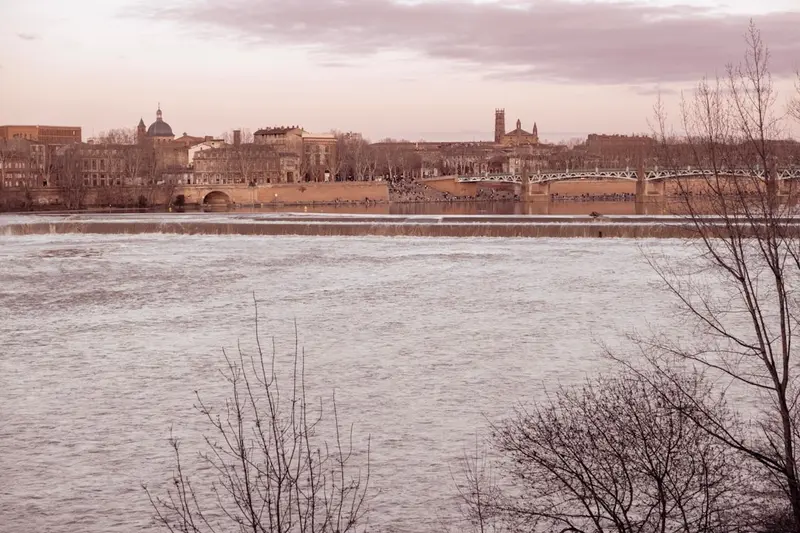
    The capital of Occitania, known as 'La Ville Rose' (The Pink City), delights with its terracotta-coloured buildings, its lively student scene, and its significant aerospace industry.
    • Neighborhoods & highlights
    • Walking tours
    • Eat & drink
    • Culture
    • Nightlife
    • Getting around
    • Accommodation
    • Plan trip
    • Nearby
    • Neighborhoods & highlights
    • Walking tours
    • Eat & drink
    • Culture
    • Nightlife
    • Getting around
    • Accommodation
    • Plan trip
    • Nearby

    Overview

    Toulouse, the capital of Occitania, rightly bears the nickname "La Ville Rose", which refers to its characteristic terracotta-colored brick buildings, lending the city a warm, unique flair. In the heart of the city, you'll find the imposing Place du Capitole with its City Hall and Opera House, the center of urban life. The Basilica of Saint-Sernin, a UNESCO World Heritage site, represents impressive Romanesque architecture and is a highlight for history enthusiasts. Along the Garonne and the Canal du Midi, strolls invite you to discover historical bridges and vibrant activity. Toulouse is not only a significant center for aerospace engineering but also a dynamic university city with a distinct student scene. For an authentic experience, a visit to the Carmes district with its market halls and small cafés is highly recommended. The mild temperatures in spring or autumn are ideal for exploring the city at a relaxed pace.

    Places in Toulouse

    Discover the most important sights and attractions

    Sights in Toulouse

    Cabaret Le Kalinka

    The Cabaret Le Kalinka in Toulouse is an established fixture in the city's cultural scene, offering an authentic cabaret experience. Here you'll find a diverse mix of music, comedy, and dance, continuing the French tradition of vaudeville in a modern way. The Kalinka's stage is renowned for its varied programs, ranging from local artists to national talents. It's a place where you can spend an evening full of entertainment in an intimate atmosphere, far from the grand theater stages. The performances change regularly, making every visit unique and always allowing for new discoveries. Our tip: Check the official website in advance for the current program, as shows often sell out quickly. It's advisable to book tickets in advance, especially on weekends, to secure your spot and avoid waiting times.
    Open in Google Maps

    St-Sernin

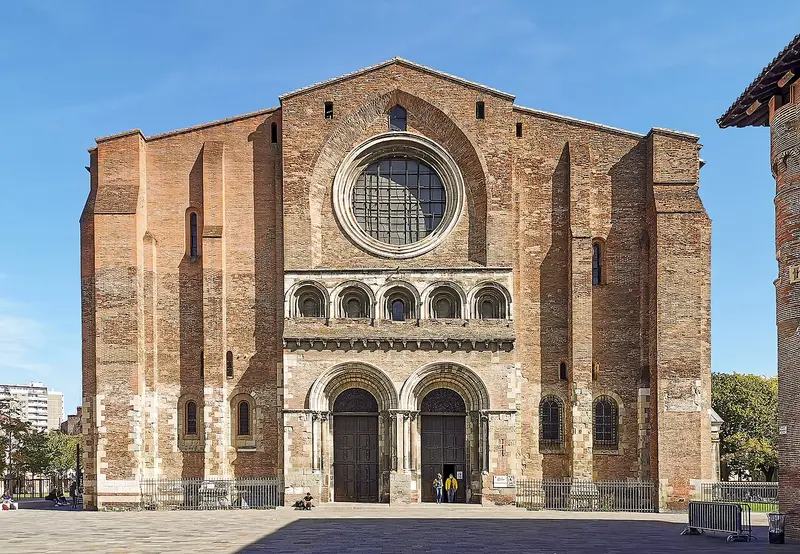
    The Basilica of Saint-Sernin in Toulouse is an outstanding example of Romanesque architecture and one of the largest surviving Romanesque churches in Europe. It was built starting in the late 11th century to house the relics of Saint Saturnin, the first bishop of Toulouse, and served as an important pilgrimage stop on the Way of St. James to Santiago de Compostela. Its monumental size and harmonious design reflect the significance of pilgrimages in the Middle Ages.Upon entering, you will be impressed by the vastness of the five-aisled nave. Pay special attention to the intricate sculptures on the portals, such as the Porte Miègeville, which depict biblical scenes and saints. The striking octagonal bell tower, rising above the crossing, is a landmark of the city. Inside, you will also find a crypt with numerous relics and ornate sarcophagi.Our Tip: Visit the basilica early in the morning to enjoy the tranquility and special light before the larger groups of visitors arrive. For an impressive exterior view and photos, we recommend the vantage point from Place Saint-Sernin, which beautifully highlights the entire facade and tower.
    Open in Google Maps

    Église de l'Immaculée Conception de Bonnefoy (Toulouse)

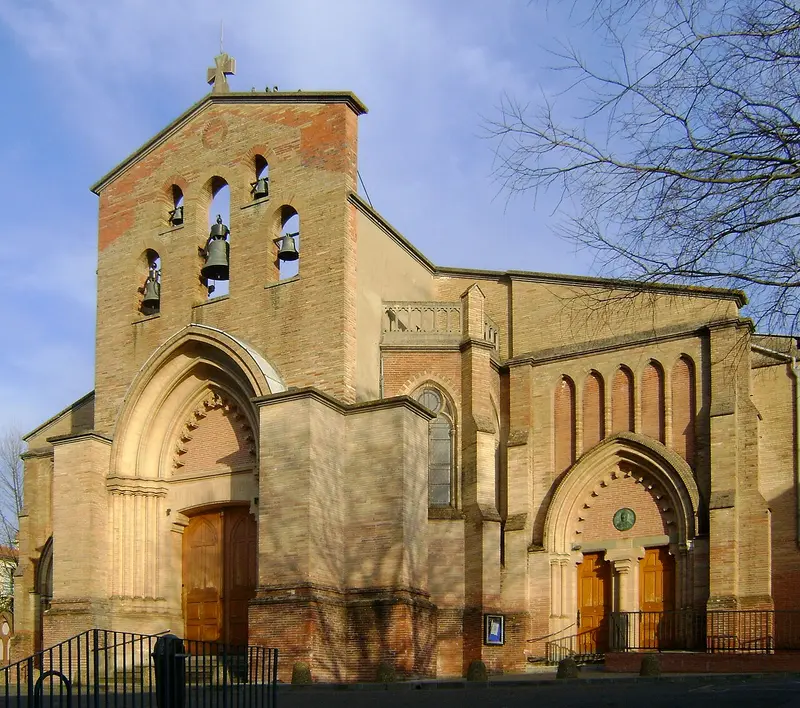
    Located in the Bonnefoy district of Toulouse, the Église de l'Immaculée Conception de Bonnefoy stands as a remarkable example of late 19th and early 20th-century sacred architecture in the region. Here you'll discover a church typical of the “ville rose,” constructed predominantly from the distinctive red bricks that give the city its famous nickname. Its construction began in 1898 and wasn't completed until 1905, reflecting the architectural transitions of this era. Inside, a simple yet dignified atmosphere awaits you, often featuring beautiful stained-glass windows and a serene ambiance that invites contemplation. The church continues to serve as an active community center, reflecting the local history and religious life of the district. Pay attention to the facade's details, which incorporate classical elements despite its relative youth. Our Tip: Visit the church in the morning when the light streams through the windows, best illuminating the interior spaces. To fully experience the local atmosphere, combine your visit with a stroll through the Bonnefoy district, known for its typical Toulouse houses.
    Open in Google Maps

    Archives des Canaux du Midi

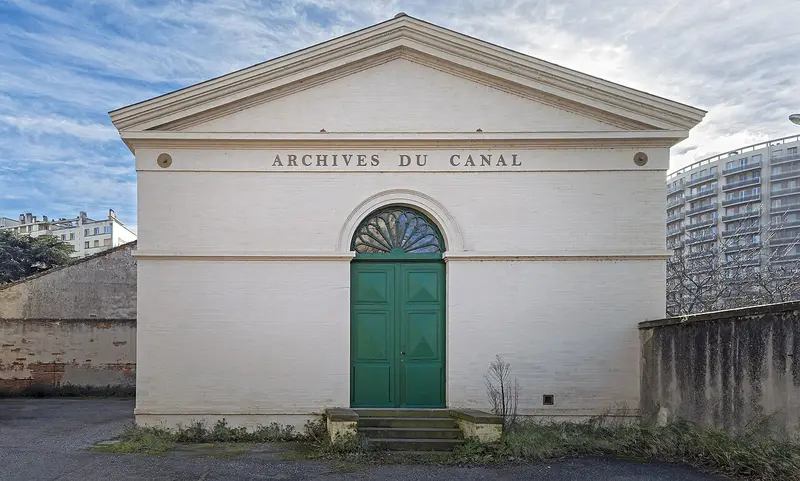
    The Archives des Canaux du Midi in Toulouse serve as the central memory of the famous Canal du Midi, a masterpiece of 17th-century engineering. This canal, connecting the Atlantic with the Mediterranean, has been a UNESCO World Heritage site since 1996 and stands as a testament to human ingenuity. Here you will find an extensive collection of original documents: from detailed construction plans and technical drawings to correspondence and historical photographs. These holdings provide a deep insight into the planning, construction, and operation of this monumental waterway. You will discover the technical challenges, the social conditions of the workers, and the immense economic importance of the canal for the Occitanie region. It is an essential place for anyone interested in French engineering history and the development of inland navigation. Our Tip: As this is primarily a research archive, check in advance for precise opening hours and any access conditions for document research. Plan enough time to process the wealth of information and grasp its historical significance.
    Open in Google Maps

    Jardin des Plantes

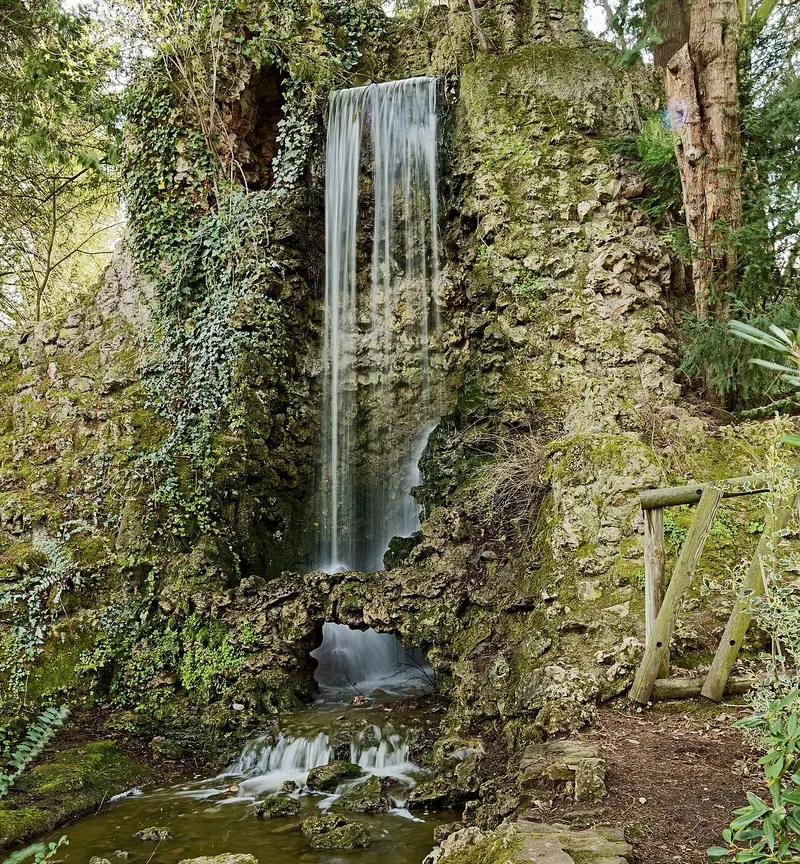
    The Jardin des Plantes in Toulouse is far more than just a green space; it is a historical botanical garden whose origins date back to 1730. Originally established as a teaching garden for medical students at the University of Toulouse, it developed over the centuries into one of the city's most popular public parks. Here, you'll find an impressive variety of plant species, including many old and rare trees that provide shade and invite you to linger.Strolling through the garden, you'll discover picturesque ponds with ducks and swans, small bridges, and carefully arranged flowerbeds that glow in different colors depending on the season. The Jardin des Plantes is also known for its child-friendly amenities, including playgrounds and often a historical carousel, making it an ideal destination for families. It forms a harmonious unit with the adjacent Jardin Royal and Grand Rond, which you can seamlessly explore.Our Tip: It's best to visit the garden on weekday mornings to enjoy the greatest tranquility and let the beauty of the grounds fully enchant you. For a relaxed break, a bench by the pond is ideal, from where you can observe the goings-on. The extensive paths invite long strolls and offer numerous motifs for atmospheric photos.
    Open in Google Maps

    City walks in Toulouse

    Curated walking tours through the city's highlights — handpicked by experienced travel journalists.

    Die Rosafarbene Schönheit: Ein Spaziergang durch Toulouse

    Entdecken Sie die charmante "Ville Rose" Toulouse auf diesem zweistündigen Rundgang. Von der majestätischen Place du Capitole bis zu den Ufern der Garonne erleben Sie die reiche Geschichte, beeindruckende Architektur und das lebendige Flair dieser südfranzösischen Stadt.

    In Google Maps öffnen
    Stopps (7)

    Food & Drink

    Toulouse: History, Art, and the Occitan Soul

    Toulouse, the 'Ville Rose', is a vibrant mosaic of rich history and sparkling creativity. Its unique architecture tells stories from past centuries, while a dynamic art scene fills the city with contemporary flair. Immerse yourself in the cultural heart of Southern France and discover a city that honors its roots while boldly looking forward.

    Nightlife

    After sunset, Toulouse awakens to a vibrant energy, offering a diverse nightlife scene for every taste. Particularly around the Place Saint-Pierre and the Carmes district, you'll discover lively bars and pubs, while the city centre boasts numerous clubs and entertainment options. From traditional pubs to chic cocktail bars, pulsating discotheques, and unique cabarets – unforgettable evenings await.

    Getting Around Here

    Toulouse is excellent to explore, as the city boasts a well-developed public transport network. The efficient Metro, complemented by bus and tram lines, allows visitors to quickly and conveniently reach all important sights and districts. For shorter distances or to discover the charming alleys, the city center and many neighborhoods are also wonderful to explore on foot or by bike.

    Accommodations in Toulouse

    Accommodations in Toulouse

    Find perfect stay in Toulouse

    Booking.com
    Search Hotels
    Agoda
    Search Hotels
    Airbnb
    Vacation Rentals
    Hotels.com
    Hotels Worldwide
    Hostelworld
    Hostels

    Campgrounds in Toulouse

    Find perfect campground in Toulouse

    Search via Google Maps
    Campgrounds nearby (15km)
    Camping.info
    Find Campgrounds
    Park4Night
    RV Parks & Camping

    Plan your trip to Toulouse

    Save places, build a route and plan your city trip — all in one place.

    Save places

    Bookmark sights, restaurants and neighborhoods you're interested in.

    Build your route

    Turn your bookmarks into a route — define order, days and budget.

    Refine with AI

    Let Mein Fernweh suggest experiences and put together a tailored daily plan.

    Start trip planningOpen bookmarks

    Locations nearby

    These places are nearby — perfect for additional days or a day trip.

    Occitania (Occitanie)

    Occitania (Occitanie)

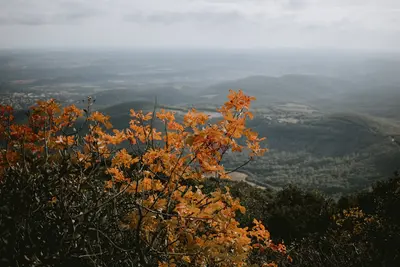
    Welcome to Occitania, a diverse region in Southern France, stretching from the majestic peaks of the Pyrenees to the sun-drenched Mediterranean beaches. Discover a rich history, impressive Roman remains, medieval fortresses, and vibrant cities, all shaped by a lively culture and outstanding gastronomy. Occitania combines cultural treasures with breathtaking nature for unforgettable experiences.
    Cordes-sur-Ciel

    Cordes-sur-Ciel

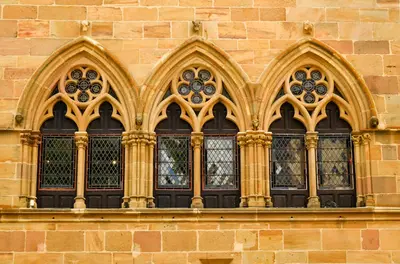
    Welcome to Cordes-sur-Ciel, one of France's most beautiful villages, perched majestically on its rocky outcrop overlooking the Tarn Valley. If you're seeking a journey back in time to the Middle Ages, surrounded by Gothic architecture and breathtaking panoramas, then this bastide in Languedoc is the perfect place for you. Discover winding alleyways, artisan shops, and enjoy a unique atmosphere that will instantly charm you.
    Albi

    Albi

    The UNESCO-protected city of Albi is famous for its impressive red-brick Sainte-Cécile Cathedral and the museum dedicated to the artist Toulouse-Lautrec.
    Carcassonne

    Carcassonne

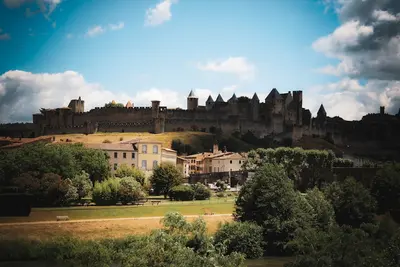
    Carcassonne is renowned for its Cité de Carcassonne, an impressive, double-walled fortress city and a UNESCO World Heritage site. You can explore the imposing defensive structures, whose origins date back to Roman times and which were extensively restored in the 19th century by Viollet-le-Duc. At the heart of the Cité are the Château Comtal and the Gothic Basilica Saint-Nazaire, reflecting the region's rich history, particularly during the Cathar Wars. Beyond the historic walls, the Ville Basse, the lower town, offers insights into modern French city life. For a more relaxed experience, visiting during the off-season is recommended to avoid the crowds. A practical tip is to ascend the walls in the late afternoon to witness the sunset over the landscape.
    Valle de Arán

    Valle de Arán

    A unique, France-influenced valley with its own language (Aranese), known for charming villages, ski slopes (Baqueira Beret) and excellent hiking opportunities.