Fernweh
    ExploreTravel GuidesMy Trips
    de|en
    About FernwehImprintFAQPrivacy Policy
    ExploreTravel GuidesMy Trips
    Marseille

    Marseille

    CityCulture
    1. Home
    2. Destinations
    3. France
    4. Provence
    5. Marseille
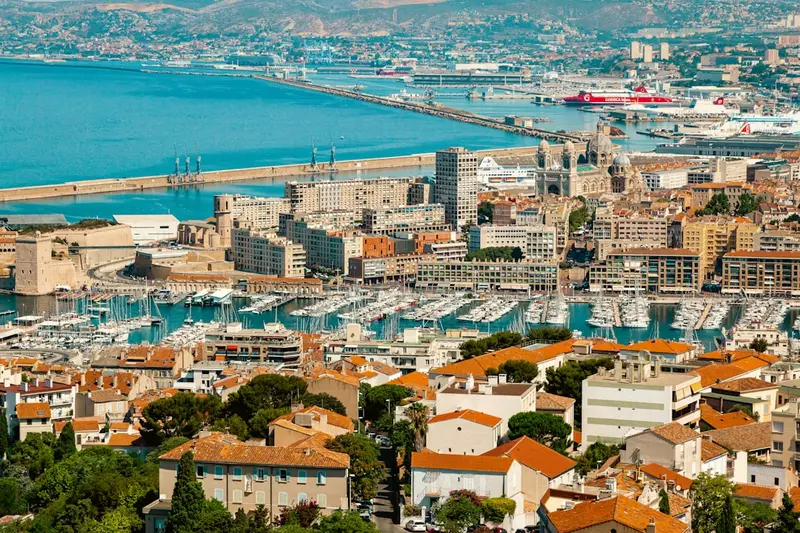
    Marseille, France's oldest city, presents itself as a vibrant port metropolis with a unique blend of history and Mediterranean flair. You'll find the Vieux Port as its pulsating center, surrounded by fish restaurants and historic buildings. Above the city, the imposing Notre-Dame de la Garde reigns, offering a sweeping view over the city and the Mediterranean Sea. In the charming district of Le Panier, the oldest part of the city, you'll discover winding alleys, artisans, and small boutiques. The modern Mucem by the harbor combines architecture with cultural exhibitions on the Mediterranean region. A trip to the nearby Calanques National Park reveals spectacular rocky coves and turquoise waters. For a relaxed exploration, a visit in spring or autumn is recommended, and be sure to try the local specialty Bouillabaisse in an authentic restaurant by the harbor.
    • Neighborhoods & highlights
    • Walking tours
    • Eat & drink
    • Culture
    • Nightlife
    • Getting around
    • Accommodation
    • Plan trip
    • Nearby
    • Neighborhoods & highlights
    • Walking tours
    • Eat & drink
    • Culture
    • Nightlife
    • Getting around
    • Accommodation
    • Plan trip
    • Nearby

    Overview

    Marseille, France's oldest city, reveals itself as a vibrant port metropolis with a unique blend of history and Mediterranean charm. You'll find the Vieux Port at its pulsating heart, where fishing boats dock and restaurants serve fresh fish, all surrounded by historic buildings. Towering above the city is the imposing Notre-Dame de la Garde, a Byzantine-Romanesque basilica offering expansive views over the city and the Mediterranean. In the charming Le Panier district, the oldest part of the city, you'll discover winding alleys, artisan workshops, and small, authentic boutiques. The modern Mucem by the harbor combines avant-garde architecture with cultural exhibitions on Mediterranean history and civilization. A trip to the nearby Calanques National Park reveals spectacular rocky inlets and turquoise waters, perfect for hiking or boat excursions. For a more relaxed exploration, visiting in spring or autumn is recommended, to avoid the summer heat and peak tourist crowds. Be sure to try the local specialty, Bouillabaisse, in one of the traditional fish restaurants along the Vieux Port to experience the authentic local cuisine.

    Places in Marseille

    Discover the most important sights and attractions

    Sights in Marseille

    1Notre Dame de la Garde

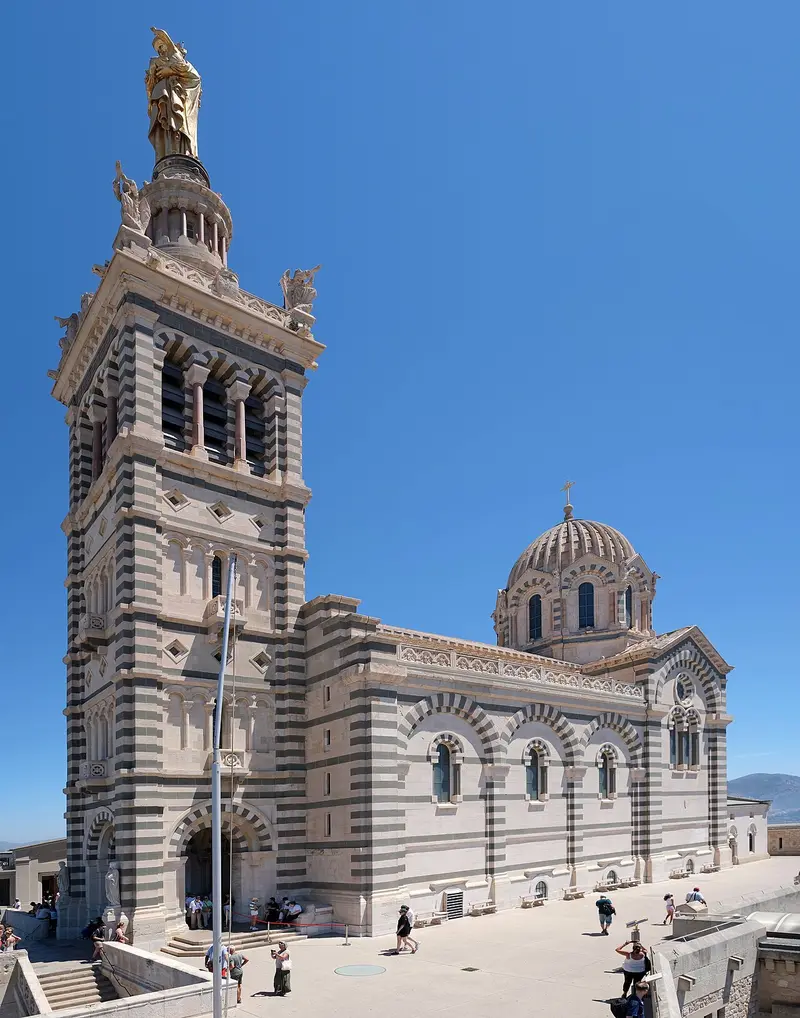
    Notre Dame de la Garde, affectionately known by Marseillais as 'La Bonne Mère', majestically perches on a limestone rock and is the city's unmistakable landmark. This impressive basilica, built in the Romanesque-Byzantine style between 1853 and 1864, stands on the foundations of a medieval fortress and older chapels. She has been for centuries the patroness of sailors and the entire city. Inside, you'll find magnificent mosaics and an abundance of votive offerings, powerfully demonstrating the deep connection of the Marseillais to their 'Good Mother'. The widely visible golden Mary statue on the bell tower watches over the city. From the basilica's terraces, you'll enjoy a spectacular 360-degree panoramic view over the Old Port, the Frioul Islands, and the azure Mediterranean. Our tip: Visit the basilica early in the morning to enjoy the tranquility and capture the best photos without large crowds. Alternatively, late afternoon offers beautiful light for sunset. The climb on foot is steep, but Bus No. 60 conveniently takes you up.
    Open in Google Maps

    2Ecolomoving

    Ecolomoving in Marseille offers a modern and eco-friendly way to explore the city. Here, you can rent electric bikes, scooters, or Segways to discover Marseille's diverse districts and sights on your own or as part of a guided tour. It's particularly appealing to glide through the historic Le Panier Quarter or ride along the Vieux Port with these eco-friendly modes of transport. This way of exploring allows you to be flexible and reach more remote corners that would be harder to access by public transport. Ecolomoving represents a sustainable tourism initiative, allowing you to enjoy the beauty of Marseille while minimizing your ecological footprint. Our Tip: Book a tour early in the morning to enjoy the most pleasant temperatures and avoid the largest tourist crowds. Make sure to wear comfortable shoes and bring enough water, especially during the summer months.
    Open in Google Maps

    3Stade Vélodrome

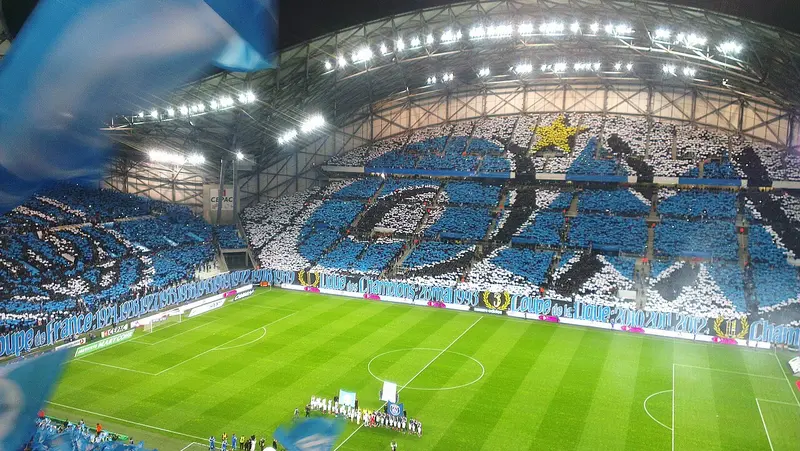
    The Stade Vélodrome in Marseille is far more than just a football stadium; it is a beating heart of the city and a symbol of the deep-seated passion for Olympique Marseille. Originally opened in 1937, it has been renovated and modernized multiple times, most recently for UEFA Euro 2016, when it received its characteristic, wave-like roof structure. This architecture gives the stadium an unmistakable silhouette that harmoniously blends into the cityscape.Here you experience the unique atmosphere that makes Marseille so special, especially on match days, when the "Virage Sud" and "Virage Nord" erupt in chants and choreographies. Even on non-match days, the stadium is impressive. Our tip: If you have the chance, attend an OM home game to feel the full emotional impact. Alternatively, guided tours offer insights behind the scenes, into the changing rooms and onto the pitch. For an impressive photo of the exterior, the area around Boulevard Michelet is recommended, especially in the late afternoon when the sun illuminates the roof. Plan your arrival early on match days, as public transport is heavily used.
    Open in Google Maps

    4Palais Longchamp

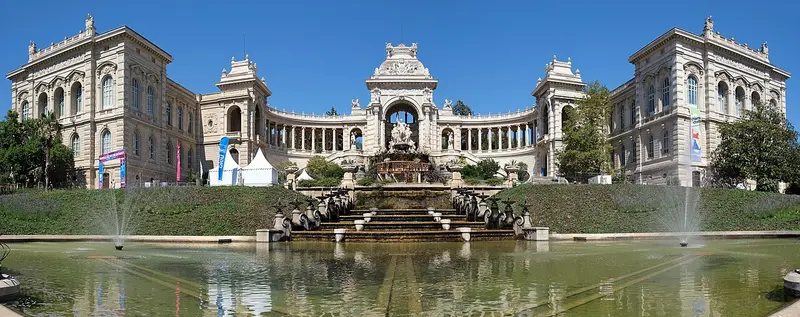
    The Palais Longchamp in Marseille is an impressive monument celebrating the Durance River's water arrival, ending centuries of scarcity. Built between 1862 and 1869 in Second Empire style, this monumental complex boasts opulent architecture and central water cascades. Beyond the magnificent 'Château d'eau' and its allegorical sculptures, you'll find two key institutions: the Musée des Beaux-Arts and the Muséum d'histoire naturelle. Its expansive surrounding gardens invite a stroll, offering a green oasis in the city's heart. Our tip: Visit the Palais in the morning to enjoy its impressive water features in peace and take crowd-free photos. Direct sunlight beautifully highlights the facade's details.
    Open in Google Maps

    5Kathedrale von Marseille

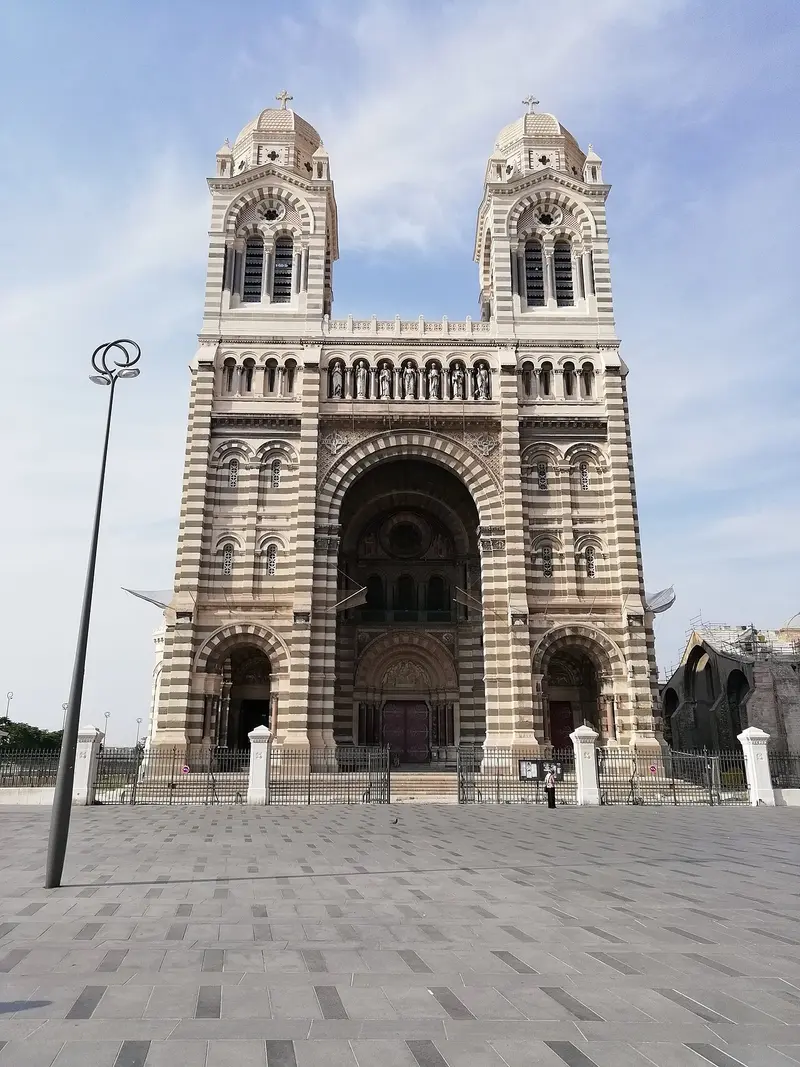
    The Marseille Cathedral, officially Cathédrale Sainte-Marie-Majeure, is an impressive structure and a national monument of France. You'll find it majestically situated by the harbor, not far from the Vieux Port. Its unique architecture, a blend of Romanesque and Byzantine elements, is immediately recognizable by its striking striped facade of green and white stone. Construction began in 1852, replacing a smaller cathedral, with parts of the old structure integrated. Inside, you'll discover spacious interiors, high domes, and rich ornamentation with mosaics and sculptures, underscoring its significance as an episcopal seat. The sheer size and the meticulous detail of the decoration are remarkable. Our Tip: Visit the cathedral in the morning to catch the best light for photos of the striped facade and avoid the largest tourist crowds. For an impressive perspective of the entire structure, we recommend viewing it from the Esplanade or the ferry dock at the Vieux Port.
    Open in Google Maps

    6Notre Dame de la Garde

    Notre Dame de la Garde, affectionately known by Marseillais as 'La Bonne Mère', majestically perches on a limestone rock and is the city's unmistakable landmark. This impressive basilica, built in the Romanesque-Byzantine style between 1853 and 1864, stands on the foundations of a medieval fortress and older chapels. She has been for centuries the patroness of sailors and the entire city. Inside, you'll find magnificent mosaics and an abundance of votive offerings, powerfully demonstrating the deep connection of the Marseillais to their 'Good Mother'. The widely visible golden Mary statue on the bell tower watches over the city. From the basilica's terraces, you'll enjoy a spectacular 360-degree panoramic view over the Old Port, the Frioul Islands, and the azure Mediterranean. Our tip: Visit the basilica early in the morning to enjoy the tranquility and capture the best photos without large crowds. Alternatively, late afternoon offers beautiful light for sunset. The climb on foot is steep, but Bus No. 60 conveniently takes you up.
    Open in Google Maps

    City walks in Marseille

    Curated walking tours through the city's highlights — handpicked by experienced travel journalists.

    Marseille Kompakt: Ein Spaziergang durch Geschichte und Meerblick

    Entdecken Sie die Seele Marseilles auf diesem angenehmen, ca. 2-stündigen Spaziergang. Von den lebhaften Gassen des Panier-Viertels bis zu den modernen Architekturen am alten Hafen tauchen Sie ein in die reiche Geschichte und das pulsierende Leben der ältesten Stadt Frankreichs, stets begleitet vom mediterranen Flair.

    In Google Maps öffnen
    Stopps (6)

    Food and Drink

    Marseille's rich history and culture

    Marseille, France's oldest city, was founded around 600 BC by Phocaean Greeks as Massalia and boasts a history spanning over 2,600 years. This profound history continues to shape the city's appearance and cultural identity to this day.Under Roman rule, the city developed into an important trading port and maintained its maritime significance over the centuries. Architecturally, this is reflected in districts like Le Panier, the oldest part of the city with its winding alleys and historic buildings that bear witness to bygone eras. A striking landmark is the Basilica of Notre-Dame de la Garde, a 19th-century Neo-Byzantine masterpiece that stands majestically above the city, offering panoramic views.Marseille's culture is inextricably linked to its role as a melting pot of cultures. This multicultural influence is evident in its vibrant gastronomy, diverse languages, and local traditions such as the boules game Pétanque, which holds special significance here. The Provençal identity is strongly pronounced and manifests itself in a specific way of life and a proud awareness of its own history and Mediterranean origins.

    Nightlife

    Marseille erwacht nach Sonnenuntergang zu neuem Leben und bietet eine vielseitige Nachtszene für jeden Geschmack. Vom charmanten Vieux Port mit seinen lebhaften Bars und Lounges bis zum trendigen Viertel Cours Julien, bekannt für alternative Pubs und Live-Musik, gibt es unzählige Möglichkeiten, den Abend ausklingen zu lassen. Ob gemütliche Kneipe oder pulsierender Club, die südfranzösische Metropole hält für jeden das Richtige bereit.

    Local exploration

    Marseille is excellent to explore thanks to its well-developed public transport network. The Metro, buses, and trams of the RTM efficiently connect the most important districts and sights. Many central areas are also ideal for walking and discovering on foot.

    Accommodations in Marseille

    Accommodations in Marseille

    Find perfect stay in Marseille

    Booking.com
    Search Hotels
    Agoda
    Search Hotels
    Airbnb
    Vacation Rentals
    Hotels.com
    Hotels Worldwide
    Hostelworld
    Hostels

    Campgrounds in Marseille

    Find perfect campground in Marseille

    Search via Google Maps
    Campgrounds nearby (15km)
    Camping.info
    Find Campgrounds
    Park4Night
    RV Parks & Camping

    Plan your trip to Marseille

    Save places, build a route and plan your city trip — all in one place.

    Save places

    Bookmark sights, restaurants and neighborhoods you're interested in.

    Build your route

    Turn your bookmarks into a route — define order, days and budget.

    Refine with AI

    Let Mein Fernweh suggest experiences and put together a tailored daily plan.

    Start trip planningOpen bookmarks

    Locations nearby

    These places are nearby — perfect for additional days or a day trip.

    Aix-en-Provence

    Aix-en-Provence

    Aix-en-Provence, the former capital of Provence, welcomes you with an elegant atmosphere, shaped by historic buildings and shade-giving plane trees. Stroll along the famous Cours Mirabeau, lined with magnificent mansions and numerous fountains that significantly define the cityscape. Discover charming alleyways and impressive 17th-century townhouses in the Quartier Mazarin, south of the Cours Mirabeau. Visit the Atelier de Cézanne, where the famous painter Paul Cézanne created many of his works, and gain insights into his artistry. The Cathédrale Saint-Sauveur combines Romanesque, Gothic, and Baroque elements, testifying to the city's rich history. For authentic impressions, it is recommended to visit the lively weekly markets, which offer fresh regional products and antiques. The best time to visit is spring or autumn, to explore the city at pleasant temperatures and with fewer tourists.
    Gordes

    Gordes

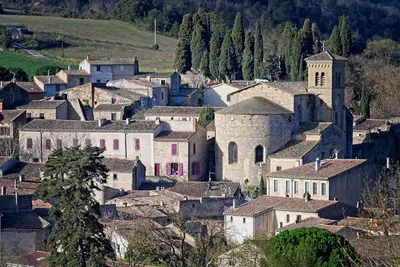
    Welcome to Gordes, one of France's most beautiful villages! This village, majestically perched on a rocky spur in the heart of the Luberon, will enchant you with its terraced stone houses that seem to rise organically from the rock. Stroll through the labyrinthine streets, enjoy the breathtaking panoramic view of the valley, and let yourself be captivated by the golden light of Provence in this iconic postcard setting.
    Arles

    Arles

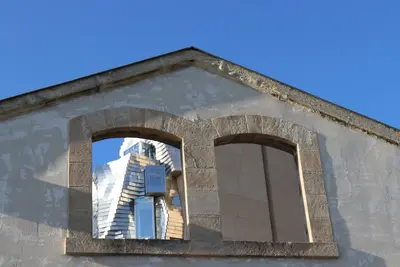
    Arles is a city with a deep-rooted history, shaped by its Roman heritage and the artistic presence of Vincent van Gogh. Here, you can explore impressive Roman structures such as the well-preserved amphitheater Arènes d'Arles and the ancient theater, both UNESCO World Heritage sites. The Roman cryptoporticus and the Alyscamps burial ground also bear witness to the city's former importance. The city significantly inspired Vincent van Gogh, whose traces can be found at places like Café la Nuit or in the garden of the Hôtel-Dieu. The Fondation Vincent van Gogh Arles presents his work in the context of contemporary art. For an authentic experience, a visit to the lively Saturday market is worthwhile. The best time to visit is spring or autumn, to enjoy the city with mild temperatures and fewer crowds.
    Avignon

    Avignon

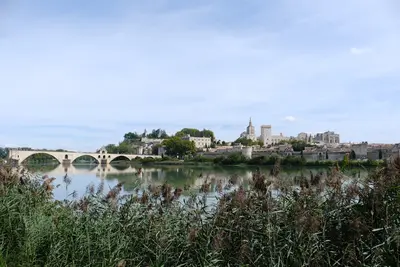
    Historical Avignon in Provence is inextricably linked to its time as a papal seat in the 14th century. Its imposing city walls enclose an Old Town that is a UNESCO World Heritage site. You will be particularly impressed by the Palais des Papes, Europe's largest Gothic palace, and the famous Pont Saint-Bénézet bridge, known as the Pont d'Avignon. Stroll through the narrow streets and bustling squares to experience the city's authentic flair. From the Rocher des Doms rock, you can also enjoy a wide view over the city and the Rhône. For a more relaxed experience, a visit in spring or autumn is recommended to avoid the summer heat and peak tourist crowds.
    Provence

    Provence

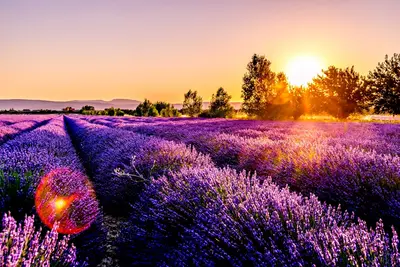
    The Provence is a region in southeastern France that captivates visitors with its unique blend of Roman history, medieval charm, and breathtaking natural landscapes. From its famous lavender fields to vibrant cities and picturesque coastal towns, Provence offers a wealth of experiences that perfectly combine culture, cuisine, and relaxation.