Fernweh
    ExploreTravel GuidesMy Trips
    de|en
    About FernwehImprintFAQPrivacy Policy
    ExploreTravel GuidesMy Trips
    Brittany

    Brittany

    Region
    1. Home
    2. Destinations
    3. France
    4. Brittany
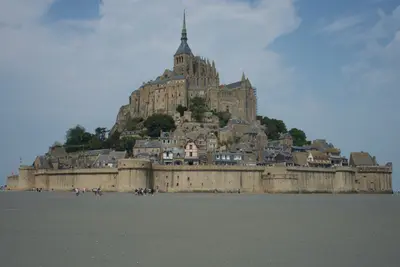
    The **Brittany**, a northwestern region of France, charms with its ruggedly romantic coastline, deeply rooted Celtic culture, and a distinctive Breton identity. From mystical megaliths to charming fishing villages and bustling port cities, it offers a unique blend of rugged nature, rich history, and culinary delights that captivates every visitor.
    • Overview
    • Places in the region
    • Eat & drink
    • Culture
    • Nearby
    • Overview
    • Places in the region
    • Eat & drink
    • Culture
    • Nearby
    Die Bretagne im Nordwesten Frankreichs zeichnet sich durch ihre raue Küstenlandschaft und eine tief verwurzelte keltische Kultur aus. Entlang der Côte de Granit Rose bestaunst du einzigartige Felsformationen, während die historischen Städte Saint-Malo und Dinan mit ihren Festungsmauern und Fachwerkhäusern beeindrucken. Die Region ist reich an prähistorischen Stätten wie den Megalithen von Carnac, die Zeugnis der frühen Besiedlung ablegen und die keltische Identität unterstreichen. Die bretonische Sprache und Traditionen sind in vielen Dörfern lebendig, und die Küche ist bekannt für frische Meeresfrüchte, Crêpes und Cidre. Für eine entspannte Erkundung der Küstenwege und charmanten Fischerhäfen empfiehlt sich die Nebensaison im späten Frühling oder frühen Herbst, wenn die Besucherströme geringer sind und das Wetter mild ist.

    Places in Brittany

    Carnac

    Carnac

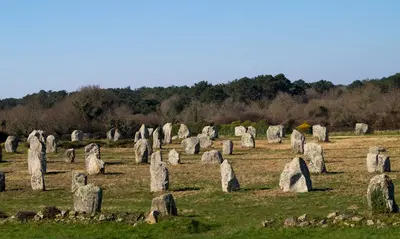
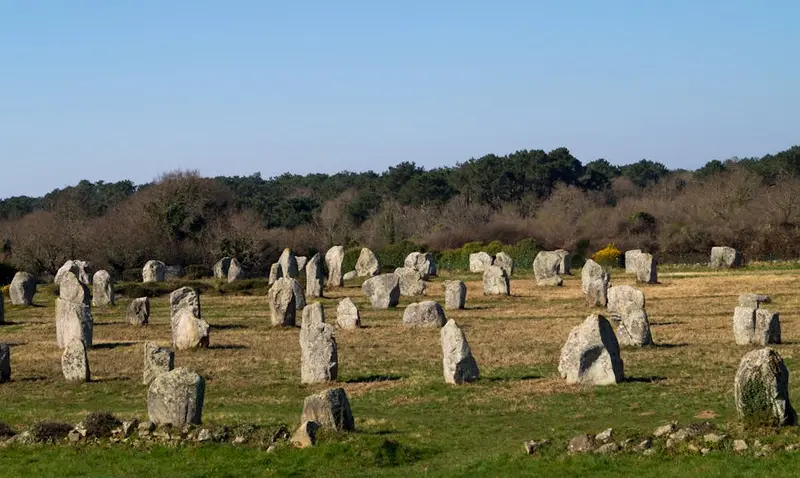
    The prehistoric site of Carnac captivates with the world's largest megalithic alignments, consisting of thousands of menhirs stretching across vast fields.
    Côte de Granit Rose

    Côte de Granit Rose

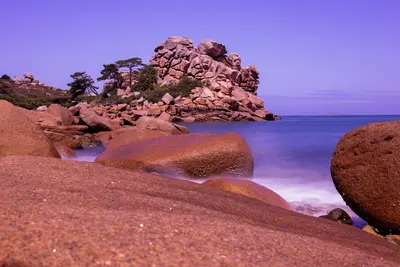
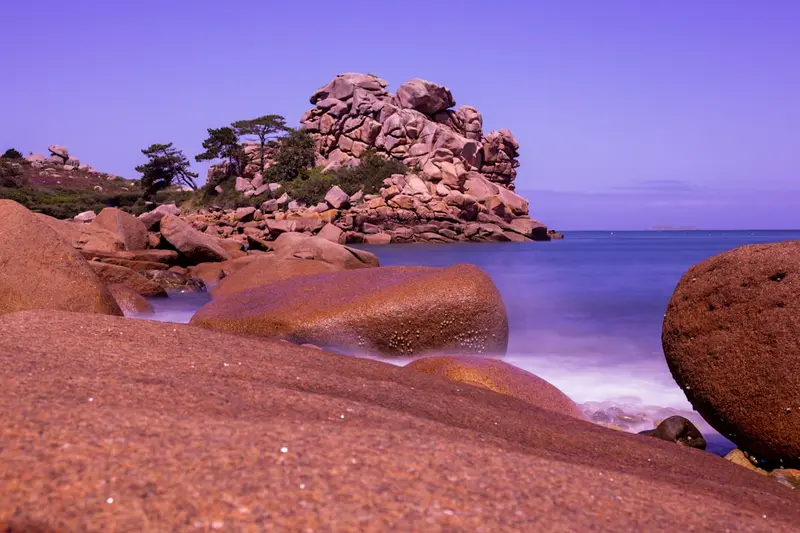
    The spectacular Pink Granite Coast captivates with its unique, erosion-shaped pink rock formations and picturesque coves.
    Dinan

    Dinan

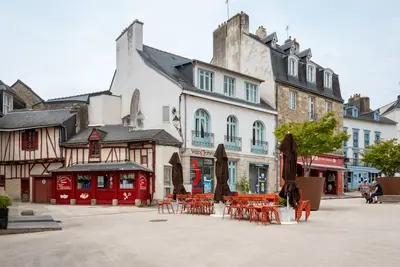
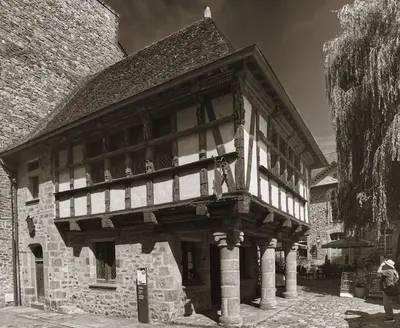
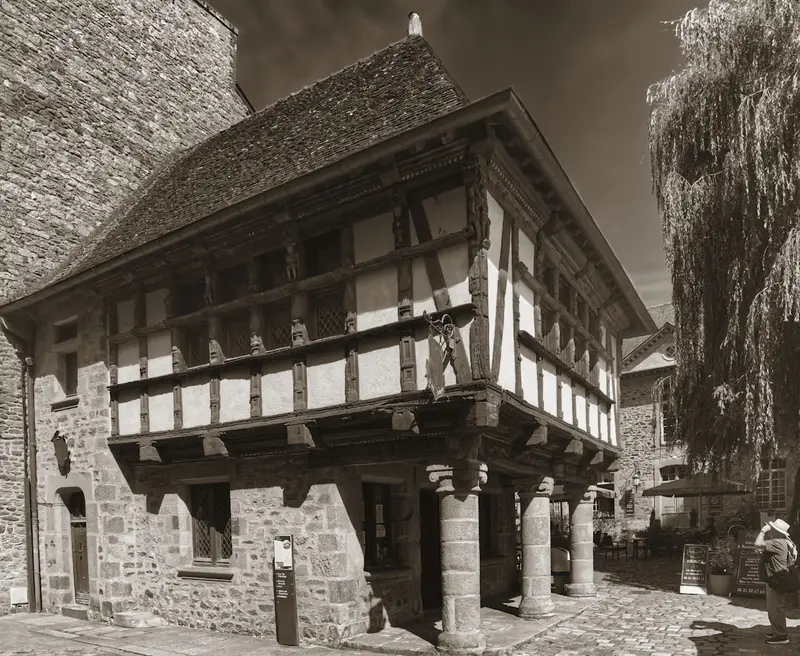
    Dinan, a picturesque town in Brittany, captivates with its medieval character and well-preserved half-timbered houses. You can climb the impressive town walls and visit the Clock Tower (Tour de l'Horloge), which are testaments to Dinan's rich history. Stroll down the historic Rue du Jerzual, a cobblestone street that leads you directly to the charming river port on the Rance. At the port, once a vital trading hub, you can admire the historic buildings and enjoy the relaxed atmosphere. The Château de Dinan as well as the Basilica Saint-Sauveur are among the city's other architectural highlights. For a relaxed exploration of the narrow streets and fully walkable ramparts, a visit outside the peak tourist season is recommended.
    Quimper

    Quimper

    Quimper, the historic capital of Cornouaille, captivates with its medieval charm and distinct Breton culture. You'll stroll through winding lanes, lined with picturesque half-timbered houses, stretching along the Odet River. The majestic Saint-Corentin Cathedral, a masterpiece of Gothic architecture, defines the cityscape. In the Locmaria district, you'll discover the traditional Faience Manufactory Henriot-Quimper, renowned for its hand-painted ceramics. The Musée des Beaux-Arts houses a remarkable collection of Breton and European art. For an authentic experience, visit the weekly market to taste local products and specialties. May and June are ideal months for a visit to enjoy the mild climate and blossoming gardens.
    Rennes

    Rennes

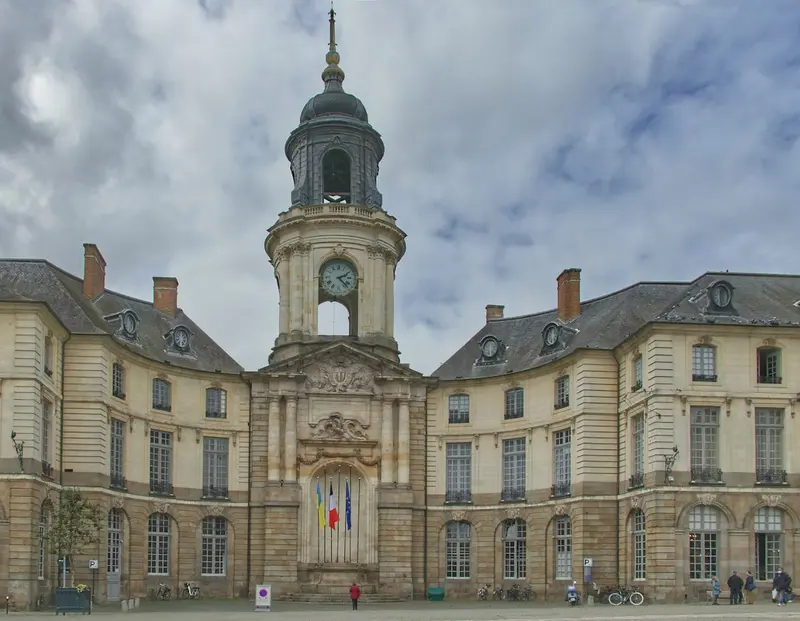
    As the vibrant capital of Brittany, Rennes combines dynamic city life with a beautiful historic center of half-timbered houses and medieval lanes.
    Saint-Malo

    Saint-Malo

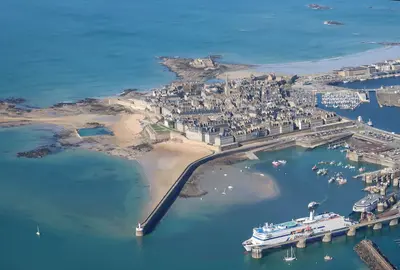
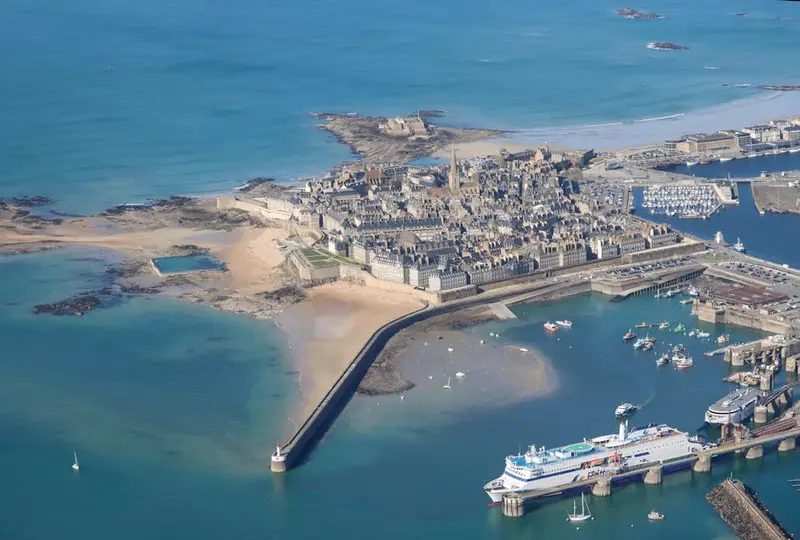
    Saint-Malo presents itself as an imposing fortified city on the Breton coast, its granite walls encompassing the historic Intra-Muros.The city is inseparably linked to its history as home port of the corsairs who sailed from here in the 17th and 18th centuries.A walk on the perfectly preserved Remparts offers you impressive views of the bay and the offshore tidal islands, such as Grand Bé with Chateaubriand's tomb.The city's interior, rebuilt after its destruction in the Second World War, is home to charming alleyways, boutiques, and traditional restaurants.For a deeper insight into the maritime past, we recommend the Château de Saint-Malo, which today houses the city museum.Outside the walls, the Plage du Sillon invites you for long beach walks, with spring or autumn being the most relaxed visiting times.
    Vannes

    Vannes

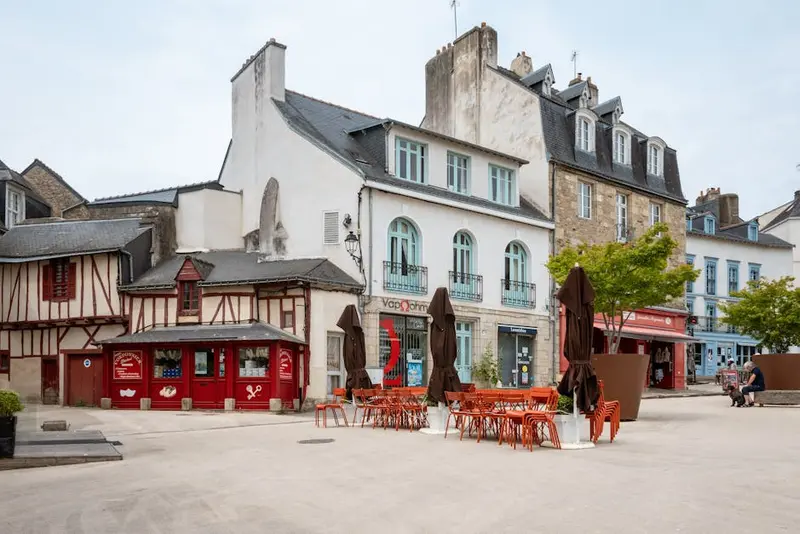
    Vannes, a historic city in Brittany, impresses with its well-preserved medieval Old Town. Here you'll discover half-timbered houses, narrow streets, and the imposing city walls that encircle the centre. Vannes harbour is a lively meeting point and starting place for boat trips in the Gulf of Morbihan. The Saint-Pierre Cathedral and the Saint-Patern quarter bear witness to the city's rich history as a Breton ducal city. A stroll along the city walls offers you excellent views over Vannes' gardens and rooftops. Visit the weekly market at Place des Lices to sample regional specialities. The summer months are lively, but a visit in spring or autumn allows for a quieter exploration of the streets.

    Sights in Brittany

    Discover the most important sights and attractions

    Maison des Toiles

    Die Maison des Toiles in der Bretagne widmet sich der reichen Geschichte der Leinen- und Segeltuchherstellung, die einst ein bedeutender Wirtschaftszweig der Region war. Du findest hier eine umfassende Ausstellung, die den gesamten Prozess von der Flachspflanze bis zum fertigen Gewebe beleuchtet. Historische Webstühle, Werkzeuge und authentische Dokumente veranschaulichen die mühsame Handwerkskunst und die Bedeutung dieser Textilien für den lokalen Handel und die Schifffahrt. Besonders eindrucksvoll sind die Geschichten der Leinenhändler, die die bretonischen Stoffe bis in ferne Länder exportierten. Das Museum bietet einen tiefen Einblick in das traditionelle Leben und die industrielle Entwicklung der Bretagne. Unser Tipp: Plane deinen Besuch an einem Werktag außerhalb der Hauptsaison, um die Exponate in Ruhe zu studieren. Für authentische Fotos der historischen Geräte und der regionalen Architektur empfiehlt sich die frühe Morgenstunde, bevor größere Besuchergruppen eintreffen.
    Open in Google Maps

    Saint Gilles Vieux Marché

    Der Saint Gilles Vieux Marché in der Bretagne ist ein lebendiger Treffpunkt, der die regionale Tradition des Handels und der Gemeinschaft widerspiegelt. Hier findest du ein authentisches Stück bretonischer Kultur, wo seit Jahrhunderten lokale Produkte und Handwerkskunst angeboten werden. Dieser Markt ist das pulsierende Herz der Region und demonstriert ihre Verbundenheit mit den eigenen Erzeugnissen. Entdecke frische Meeresfrüchte direkt von den Küstenfischern, saisonales Gemüse sowie traditionelle Spezialitäten wie Galettes, Crêpes und Cidre. Die lebhafte Atmosphäre, geprägt von den Rufen der Händler, macht ihn zum idealen Ort, um die Vielfalt der bretonischen Küche zu erleben und direkt mit den Erzeugern ins Gespräch zu kommen. Unser Tipp: Besuche den Markt am Vormittag, idealerweise kurz nach der Öffnung, um die größte Auswahl an frischen Waren zu sichern und dem größten Andrang zu entgehen. Für authentische Fotos halte die farbenfrohen Auslagen und die Interaktionen fest. Achte besonders auf lokale Käsesorten und fangfrischen Fisch.
    Open in Google Maps

    Ecluse de Auquinian

    Die Ecluse de Auquinian in der Bretagne ist ein charakteristisches Beispiel der Ingenieurskunst, die den Canal de Nantes à Brest prägt. Als Teil dieses historischen Wasserweges, der einst eine wichtige Rolle für den Binnentransport spielte, ermöglichte die Schleuse Schiffen das Überwinden von Höhenunterschieden und trug zur wirtschaftlichen Entwicklung der Region bei. Heute erlebst du hier eine ruhige Atmosphäre, während du das Zusammenspiel von Wasser und Technik beobachten kannst. Die Schleuse ist oft von traditionellen Schleusenwärterhäusern umgeben, die den Charme vergangener Zeiten bewahren. Entlang des ehemaligen Treidelpfades, der heute ein beliebter Rad- und Wanderweg ist, bietet sich dir ein malerischer Blick auf die ländliche Landschaft. Unser Tipp: Besuche die Schleuse in den Sommermonaten, wenn die Freizeitschifffahrt aktiv ist, um das Passieren der Boote zu beobachten. Für eine besonders stimmungsvolle Fotokulisse empfiehlt sich der frühe Morgen, wenn Nebel über dem Wasser liegt und die Ruhe ungestört ist.
    Open in Google Maps

    Cascade Ruisseau de Poulancre (2 mtr)

    description\":\"Die Cascade Ruisseau de Poulancre in der Bretagne ist ein reizvolles Naturphänomen, das sich harmonisch in die wilde Landschaft der Region einfügt. Mit einer Fallhöhe von rund zwei Metern präsentiert sich dieser Wasserfall als malerischer Ort entlang des Ruisseau de Poulancre. Seine Bedeutung liegt weniger in historischen Ereignissen als vielmehr in seiner Rolle als integraler Bestandteil der lokalen Natur und als Rückzugsort für Wanderer. Du findest hier eine malerische Kulisse aus moosbewachsenen Steinen und üppigem Grün, die besonders nach Regenfällen lebendig wird, wenn das Wasser kräftiger zu Tal stürzt.Du findest hier einen Ort der Ruhe und die Möglichkeit, die unberührte Natur der Bretagne zu erleben. Es ist ein Fleckchen Erde, das zum Innehalten einlädt, fernab größerer Touristenströme. Unser Tipp: Besuche die Cascade im Frühling oder Herbst, wenn die Vegetation am schönsten ist und die Besucherzahlen geringer sind. Für das beste Foto positionierst du dich etwas abseits des direkten Ufers, um die gesamte Szenerie mit dem umgebenden Wald einzufangen. Die Anreise erfolgt meist über Wanderwege, was den Besuch in ein umfassendes Naturerlebnis integriert.\"
    Open in Google Maps

    Food & Drink

    Breton Culture, Art & History

    Brittany looks back on a rich and distinct history, deeply rooted in its Celtic heritage. As an independent Duchy, it preserved a strong cultural identity until its integration into France in 1532. Historical evidence ranges from the prehistoric megalithic alignments of Carnac to the medieval fortified towns with their characteristic ramparts.Architecturally, the landscape is shaped primarily by robust granite buildings, maritime fortresses, and the unique enclosed parish closes with their calvaries. The Breton language, Brezhoneg, is a living heritage and is actively promoted. Traditional music and dances, known as Fest-noz, are an expression of the deeply rooted Celtic soul and can still be found today at numerous local festivities. These cultural distinctives reflect a long tradition of preserving regional identity.

    Locations nearby

    These places are nearby — perfect for additional days or a day trip.

    Vannes

    Vannes

    Vannes, a historic city in Brittany, impresses with its well-preserved medieval Old Town. Here you'll discover half-timbered houses, narrow streets, and the imposing city walls that encircle the centre. Vannes harbour is a lively meeting point and starting place for boat trips in the Gulf of Morbihan. The Saint-Pierre Cathedral and the Saint-Patern quarter bear witness to the city's rich history as a Breton ducal city. A stroll along the city walls offers you excellent views over Vannes' gardens and rooftops. Visit the weekly market at Place des Lices to sample regional specialities. The summer months are lively, but a visit in spring or autumn allows for a quieter exploration of the streets.
    Carnac

    Carnac

    The prehistoric site of Carnac captivates with the world's largest megalithic alignments, consisting of thousands of menhirs stretching across vast fields.
    Dinan

    Dinan

    Dinan, a picturesque town in Brittany, captivates with its medieval character and well-preserved half-timbered houses. You can climb the impressive town walls and visit the Clock Tower (Tour de l'Horloge), which are testaments to Dinan's rich history. Stroll down the historic Rue du Jerzual, a cobblestone street that leads you directly to the charming river port on the Rance. At the port, once a vital trading hub, you can admire the historic buildings and enjoy the relaxed atmosphere. The Château de Dinan as well as the Basilica Saint-Sauveur are among the city's other architectural highlights. For a relaxed exploration of the narrow streets and fully walkable ramparts, a visit outside the peak tourist season is recommended.
    Côte de Granit Rose

    Côte de Granit Rose

    The spectacular Pink Granite Coast captivates with its unique, erosion-shaped pink rock formations and picturesque coves.
    Saint-Malo

    Saint-Malo

    Saint-Malo presents itself as an imposing fortified city on the Breton coast, its granite walls encompassing the historic Intra-Muros.The city is inseparably linked to its history as home port of the corsairs who sailed from here in the 17th and 18th centuries.A walk on the perfectly preserved Remparts offers you impressive views of the bay and the offshore tidal islands, such as Grand Bé with Chateaubriand's tomb.The city's interior, rebuilt after its destruction in the Second World War, is home to charming alleyways, boutiques, and traditional restaurants.For a deeper insight into the maritime past, we recommend the Château de Saint-Malo, which today houses the city museum.Outside the walls, the Plage du Sillon invites you for long beach walks, with spring or autumn being the most relaxed visiting times.