From Rouen, you drive to the Alabaster Coast to Étretat and via Honfleur and Bayeux to Mont-Saint-Michel. In Brittany, Saint-Malo follows, and finally Vannes on the Gulf of Morbihan; the longest leg from Saint-Malo to Vannes takes a good two hours.
15 Days / 14 Nights
May–September
RV Friendly
7 stops
Why This Route?
For travelers wanting to combine cliffs, history, and seafood with moderate drives.
Hidden Gems
Fort National off Saint-Malo, accessible on foot at low tide
Pointe du Hoc on the clifftops west of Bayeux
Île-aux-Moines in the Gulf of Morbihan, by ferry from Port-Blanc near Vannes
Itinerary
Stop 1 • 2 Nights
Rouen
City
Rich in culture and history. Perfect for an exciting city trip.
The capital of Normandy captivates with its Gothic cathedral, its historic district of half-timbered houses, and the moving story of Joan of Arc.
7 Sights
5 Restaurants
Rouen's cultural heritage
Rouen, the Roman Rotomagus, boasts a history dating back to antiquity. Following the founding of the Duchy of Normandy in 911, the city became its capital and one of Northern France's most important centers. In the Middle Ages, it experienced a golden age, which is reflected to this day in its Gothic architecture.The Cathédrale Notre-Dame is an outstanding example of Norman Gothic architecture and was the subject of Claude Monet's famous painting series in the late 19th century. Similarly, the Gros Horloge, a 14th-century astronomical clock, and the Palace of Justice, a masterpiece of Late Gothic architecture, shape the cityscape. The Old Town is also known for its numerous half-timbered houses dating from the 15th to the 18th century.Rouen is closely linked to the history of Jeanne d'Arc, who was burned at the stake here in 1431; the Place du Vieux-Marché commemorates this. To this day, the city remains an important port on the Seine and cherishes its Norman traditions, which are also reflected in its regional cuisine featuring apples, cheese, and duck.
For adventure seekers. Perfect for unwinding and relaxation.
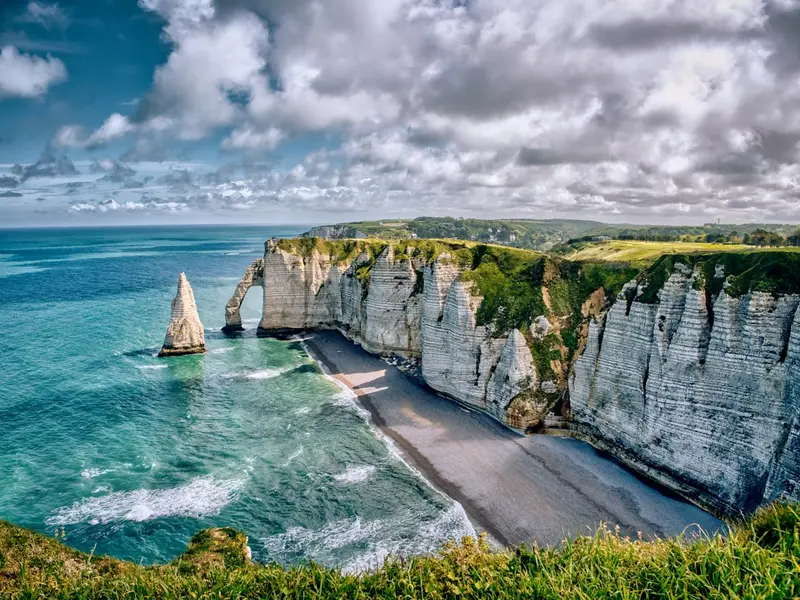
Étretat, on Normandy's Alabaster Coast, is renowned for its striking chalk cliffs and natural rock arches. Here you'll discover the iconic Falaises d'Étretat, including the Porte d'Aval, the Porte d'Amont, and the impressive Manneporte. Of particular note is the freestanding rock needle, Aiguille Creuse, which gained cultural significance through Maurice Leblanc's Arsène Lupin novels. This unique landscape already inspired artists like Claude Monet and Gustave Courbet. A walk along the cliff paths offers spectacular views. The Jardins d'Étretat combine art and botany with panoramic views of the rock formations. To explore the rock arches on the beach, a visit at low tide is essential. The off-season in spring or autumn is ideal for a quieter experience.
5 Sights
5 Restaurants
Culture, Art & Étretat's History
Étretat, originally a humble fishing village, underwent a profound transformation from the mid-19th century onwards. Its picturesque alabaster cliffs and beaches attracted artists, writers, and Parisian society, elevating the town into a popular Belle Époque seaside resort. This era profoundly shaped Étretat's cultural heritage.The spectacular landscape inspired numerous Impressionists, such as Claude Monet, who created some of his most famous cliff and sea paintings here. Literary figures like Guy de Maupassant and Maurice Leblanc, who made Étretat the setting for his master thief Arsène Lupin, also found their muse here. Architecturally, magnificent villas from the late 19th and early 20th centuries bear witness to this golden age, often featuring elements of regional spa architecture and Norman influences.Despite the tourism boom, Étretat preserves parts of its maritime identity, reflected in local festivals and the conservation of its fishing heritage. The deep connection to nature and its artistic past remain palpable pillars of the local culture to this day.
Rich in culture and history. Perfect for unwinding and relaxation and Culinary highlights.
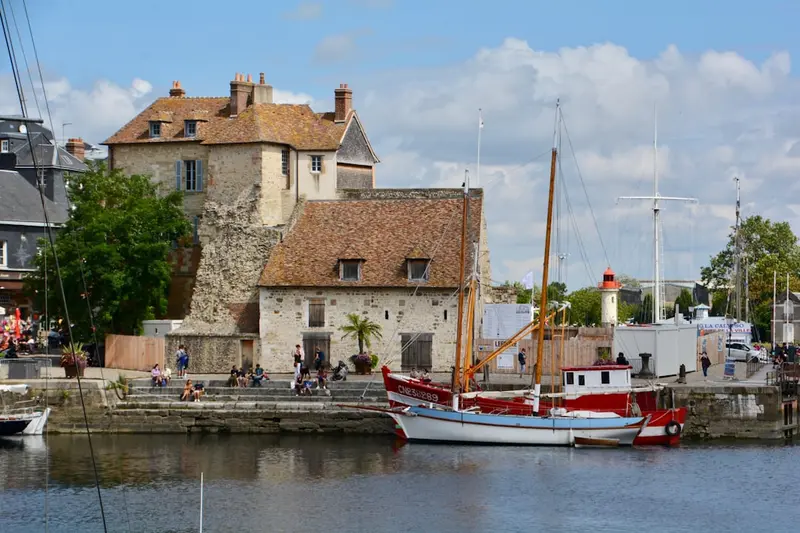
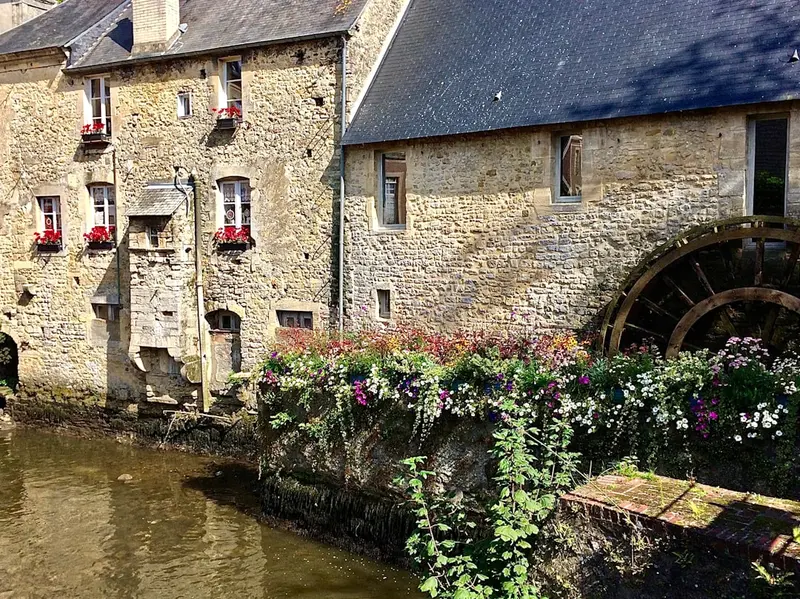
The charming port town of Honfleur in Normandy captivates with its unique maritime flair. At its heart lies the Vieux Bassin, surrounded by characteristic tall houses with slate facades that define the townscape. The **Sainte-Catherine Church**, built entirely of wood by shipwrights, is an architectural gem and unique in France. Honfleur was an important port and inspired numerous *Impressionists* like Monet and Boudin, whose works you can discover at the Musée Eugène Boudin. Stroll through the narrow cobblestone streets, which host a variety of art galleries and small boutiques. For a more relaxed experience, visiting in late spring or early autumn is recommended to avoid the largest tourist crowds. Also explore the side streets away from the harbor to find hidden studios and charming squares.
5 Sights
4 Restaurants
Honfleur's Cultural Heritage: Art, History, and Architecture
Honfleur, situated at the mouth of the Seine, boasts a rich maritime history that has significantly shaped its culture and identity. The city was once a strategically important port for trade, explorations, and military purposes, lending it a distinctive charm that endures to this day.Honfleur's architectural uniqueness is particularly evident at the Vieux Bassin, the old harbour, framed by tall, narrow 17th and 18th-century houses with slate facades. An outstanding example is the Church of Sainte-Catherine, France's largest wooden church, built in the 15th century by ship carpenters using axes and shipbuilding techniques rather than saws. Its two separate naves and freestanding bell tower testify to a deeply rooted artisanal tradition.Honfleur is also known as the cradle of Impressionism. In the 19th century, its unique light and picturesque landscape attracted artists such as Eugène Boudin, Claude Monet, and Johan Jongkind, who met here and developed new painting techniques that laid the groundwork for the Impressionist movement. Local traditions are closely tied to the sea, from fishing to maritime festivals that shape the cultural life.Normandy's culinary culture, with its fish specialities, Camembert, Cidre, and Calvados, is also an integral part of the local heritage and is preserved in the city's numerous small restaurants and markets. This blend of maritime history, unique architecture, and artistic legacy makes Honfleur a special cultural travel destination.
Rich in culture and history. Great for exploring on foot and Ideal for city trips and urban experiences.
Bayeux in Normandy boasts an Old Town with cobblestone streets and a Gothic cathedral, largely preserved through World War II. The city is renowned for the Bayeux Tapestry, a UNESCO Memory of the World document, which, during the museum's renovation, is on display at the British Museum in London until July 2027. Bayeux also serves as an excellent base for visiting the D-Day beaches.
3 Sights
5 Restaurants
Historical Heritage and Art in Bayeux
Bayeux, a city with Roman roots, was already known in antiquity as 'Augustodurum' and developed in the Middle Ages into an important bishopric and a center of the Bessin. Its historical significance became manifest during the Norman Conquest of England, which is inextricably linked with Duke William the Conqueror and the famous Bayeux Tapestry.The city's architecture reflects various eras. The Cathédrale Notre-Dame de Bayeux is an outstanding example of Romanesque and Gothic architecture, whose foundation stone was laid in the 11th century. The old town also preserves a network of narrow streets and well-preserved half-timbered houses, which exude a medieval flair.Culturally, Bayeux is primarily known for the Bayeux Tapestry, a UNESCO Memory of the World Register entry, which meticulously depicts the events before and during the Battle of Hastings. This unique artwork is not only a historical document but also a masterpiece of early medieval embroidery. Traditions such as the production of 'Dentelle de Bayeux' (Bayeux Lace) cultivate the region's artisanal heritage. The city also played a decisive role in World War II as the first liberated city in France, remaining largely undamaged, which protected its historical structures.
Rich in culture and history. Perfect for unwinding and relaxation and Route highlight.
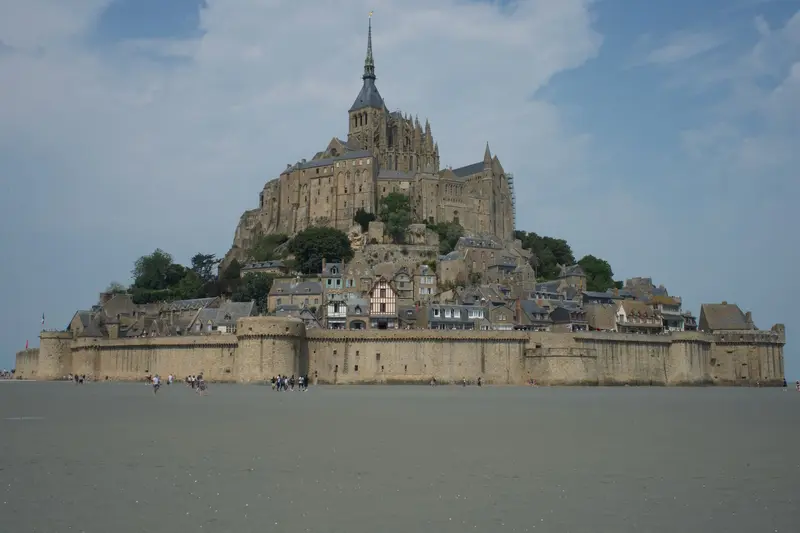
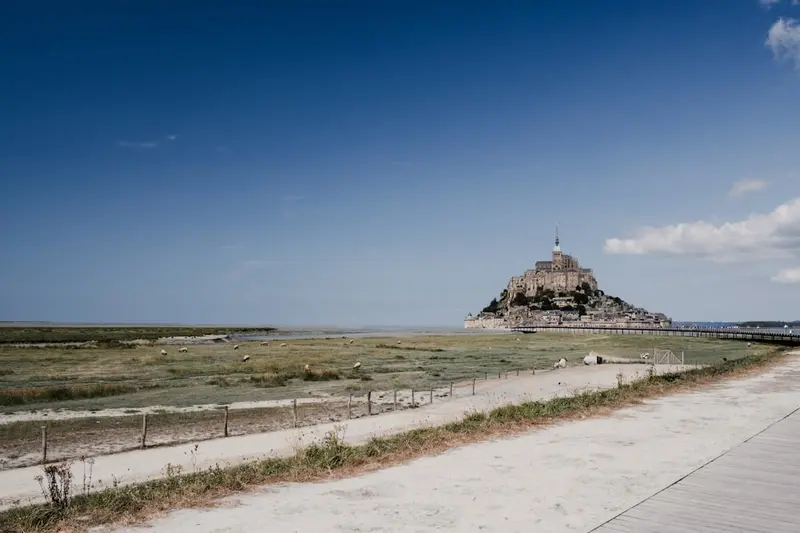
The Mont Saint-Michel rises as a rocky island from the tidal bay on the border between Normandy and Brittany. Since 1979, it and its bay have been a UNESCO World Heritage site, known primarily for its medieval abbey, which was a significant pilgrimage site for centuries. The Benedictine Abbey at the summit combines Romanesque and Gothic architectural elements and offers you insight into religious architecture and history. Through the narrow streets of the village, you ascend around the rock to the abbey. Pay attention to the tides: During spring tides, the water can completely encircle the mount. In the early morning, late afternoon, and outside peak season, it is significantly quieter.
4 Sights
5 Restaurants
Culture, Art & History of Mont Saint-Michel
Mont Saint-Michel is an outstanding testament to medieval architecture. Its history dates back to 708, when, according to legend, the Archangel Michael appeared to Saint Aubert, Bishop of Avranches. Aubert had a first church built, and in 966, Benedictine monks settled there. The island became one of the most important pilgrimage sites in the Christian West.The architecture combines Romanesque and Gothic elements, which emerged over centuries on and around the rock. Particularly noteworthy is the three-story monastic building “La Merveille” from the 13th century, a masterpiece of Gothic architecture. During the Hundred Years' War, the fortified Mont withstood all English sieges.From the Revolution until 1863, the abbey served as a prison, after which it was restored; since 2001, religious communities have lived there again. To this day, the Mont attracts pilgrims and visitors. The strong tidal currents of the bay are among Europe's largest and shape the experience of this UNESCO World Heritage site.
Rich in culture and history. Perfect for an exciting city trip and For adventure seekers.
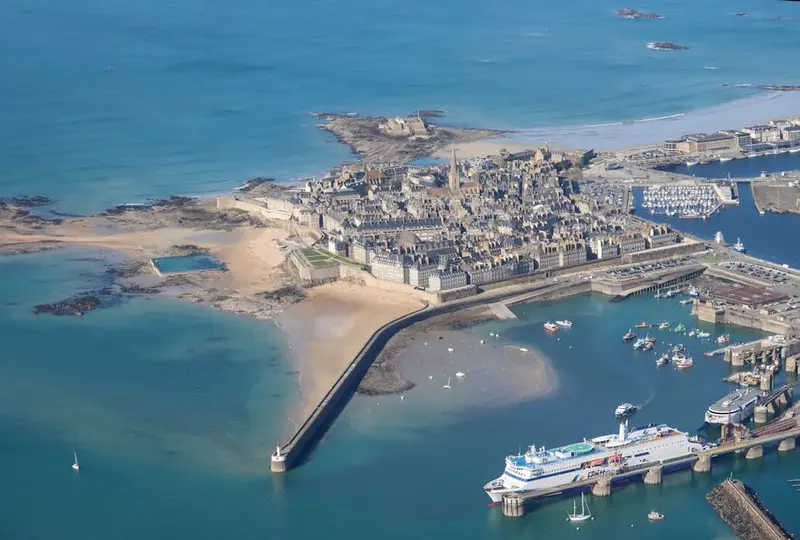
Saint-Malo is a fortified city on Brittany's north coast, whose granite walls enclose the old town, Intra-Muros.The city is closely linked to its history as the home port of the corsairs, who set sail from here in the 17th and 18th centuries.A walk along the largely preserved Remparts offers expansive views of the bay and the offshore tidal islands like Grand Bé, where Chateaubriand is buried.After its destruction in World War II, the old town was faithfully rebuilt and is now home to narrow streets, boutiques, and traditional restaurants.The Château de Saint-Malo houses the City Museum; check in advance for opening hours.Outside the walls, the Plage du Sillon invites you for long beach walks. Spring and autumn are the most relaxed times to visit.
4 Sights
5 Restaurants
Culture, Art & History of Saint-Malo
Saint-Malo, the proud Cité corsaire, is deeply rooted in its maritime past, offering a rich narrative of history, art, and architecture. Originally founded by monks in the 6th century, the city evolved from the Middle Ages into a strategically important seaport and a center for maritime trade.Saint-Malo experienced its heyday as the home port of famous privateers and explorers such as Jacques Cartier and Robert Surcouf, whose spirit still shapes the city today. The striking architecture of its granite buildings and the imposing city walls bear witness to its resilience and wealth. Although Saint-Malo was over 80% destroyed during World War II, a meticulous reconstruction preserved its historic cityscape and unique atmosphere. The city honors its traditions, especially seafaring, and cultivates a strong cultural awareness that is reflected in the Malouiner identity.
Perfect for an exciting city trip. Rich in culture and history and Perfect for unwinding and relaxation.
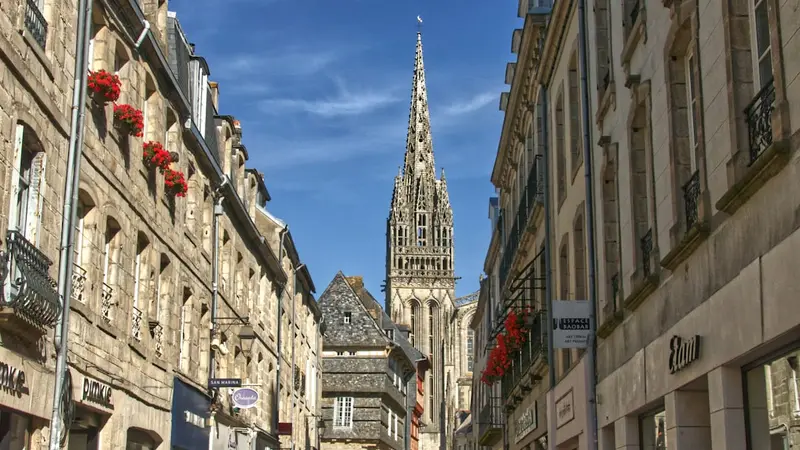
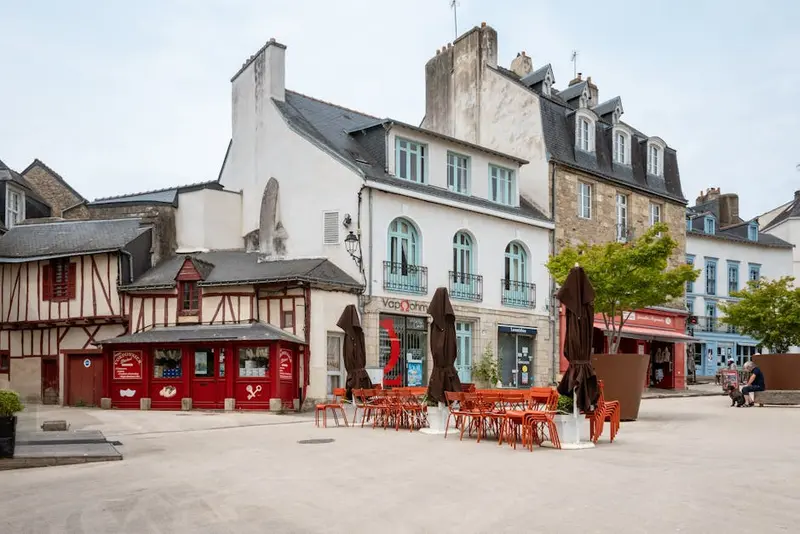
Vannes, a historic city in Brittany, impresses with its well-preserved medieval Old Town. Here you'll discover half-timbered houses, narrow streets, and the imposing city walls that encircle the centre. Vannes harbour is a lively meeting point and starting place for boat trips in the Gulf of Morbihan. The Saint-Pierre Cathedral and the Saint-Patern quarter bear witness to the city's rich history as a Breton ducal city. A stroll along the city walls offers you excellent views over Vannes' gardens and rooftops. Visit the weekly market at Place des Lices to sample regional specialities. The summer months are lively, but a visit in spring or autumn allows for a quieter exploration of the streets.
5 Sights
5 Restaurants
Culture and History in Vannes
Vannes, the Roman Darioritum, boasts a long history. In the Middle Ages, the city was an important fortress, a trading hub, and at times the residence of the Dukes of Brittany, who lived here in the Château de l'Hermine. In 1532, the Estates of Brittany decided in Vannes on the union of the duchy with France. The well-preserved city walls, whose origins date back to late antiquity and which were largely built between the 13th and 17th centuries, bear witness to this era with gates like the Porte Saint-Vincent. Within the walls, half-timbered houses and narrow alleys characterize the cityscape.The Saint-Pierre Cathedral combines Romanesque, Gothic, and Renaissance elements and reflects various construction phases. Culturally, Vannes is closely linked to Breton identity, which is evident in festivals, the Breton language, and maritime traditions. Museums and events keep this connection alive.