Fernweh
    ExploreTravel GuidesMy Trips
    de|en
    About FernwehImprintFAQPrivacy Policy
    ExploreTravel GuidesMy Trips
    Mulhouse

    Mulhouse

    CityCulture
    1. Home
    2. Destinations
    3. France
    4. Alsace
    5. Mulhouse
    The southernmost major city of Alsace is known for its fascinating museums, especially the Automobile Museum (Cité de l'Automobile) and the Railway Museum (Cité du Train), which bring industrial history to life.
    • Neighborhoods & highlights
    • Walking tours
    • Eat & drink
    • Culture
    • Getting around
    • Accommodation
    • Plan trip
    • Nearby
    • Neighborhoods & highlights
    • Walking tours
    • Eat & drink
    • Culture
    • Getting around
    • Accommodation
    • Plan trip
    • Nearby

    Overview

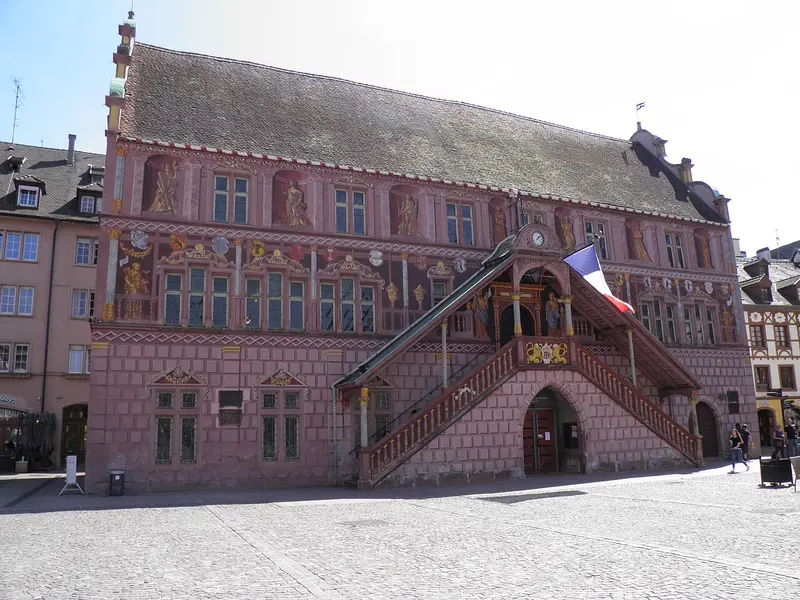
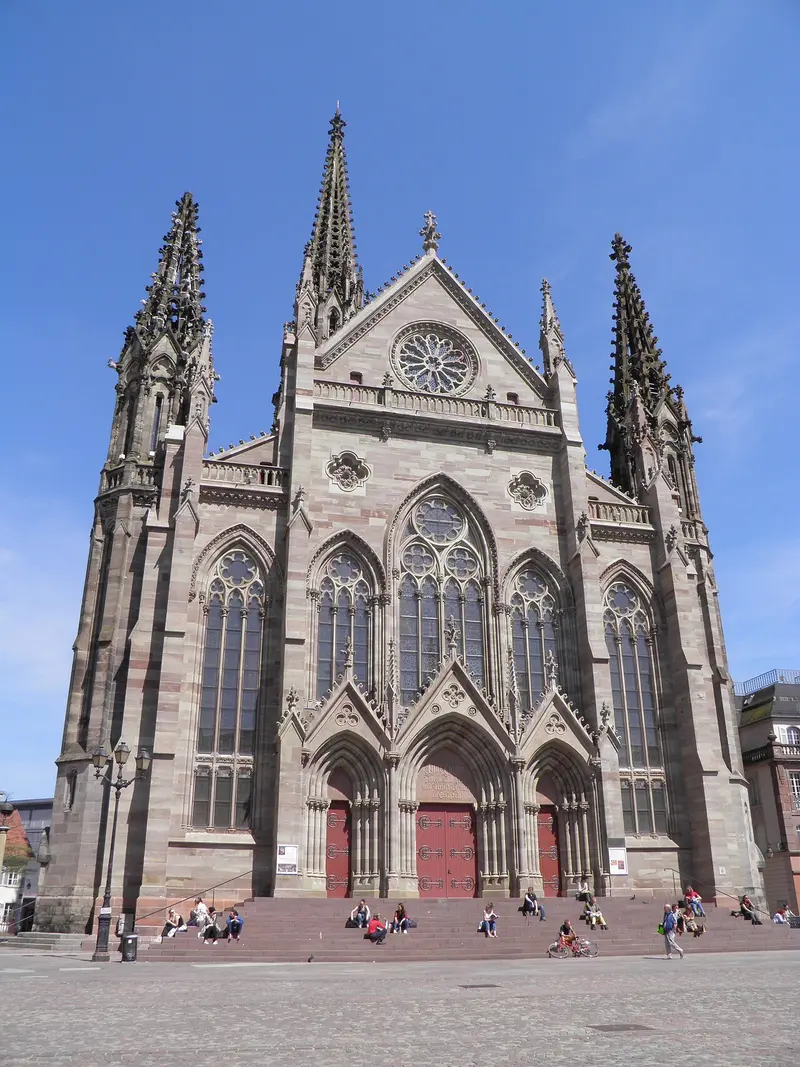
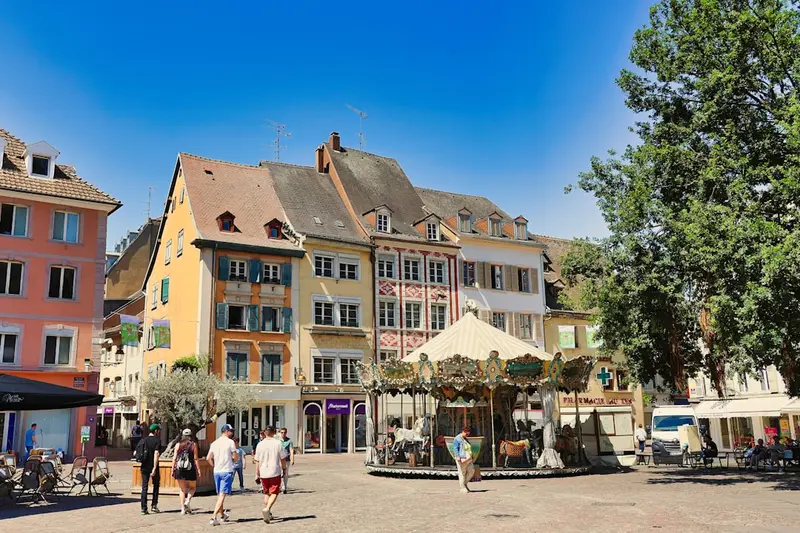
    Mulhouse in southern Alsace presents itself as a city with a rich industrial history that significantly defines its identity. Here, you'll discover a unique blend of technical heritage and a vibrant city center. The Cité de l'Automobile and the Cité du Train are outstanding museums, impressively documenting the evolution of mobility and engineering. In the historic center, around the Place de la Réunion, you'll be impressed by the colorful Renaissance Town Hall and the Gothic architecture of the Protestant Temple Saint-Étienne. The city was once an independent republic and a hub of the textile industry, a legacy still evident in numerous manufacturers' villas and the Musée de l'Impression sur Étoffes. For an authentic experience, a visit to the Marché du Canal Couvert is highly recommended, especially on Tuesdays, Thursdays, or Saturdays. The best time to visit Mulhouse is spring or autumn, allowing you to explore the city in pleasant temperatures.

    Places in Mulhouse

    Discover the most important sights and attractions

    Sights in Mulhouse

    Cezam Grand Est

    The Cezam Grand Est in Mulhouse is a key institution that significantly shapes the cultural and social life across the entire Grand Est region. As part of a national network, Cezam plays an important role in facilitating access to diverse cultural events, leisure activities, and travel opportunities for a wide demographic. You won't find a traditional exhibition or a museum in the conventional sense here, but rather a hub that enriches the cultural fabric of the city and region through its offerings. The organization enables its members to discover the rich cultural landscape of Mulhouse and its surroundings, from theatre performances and concerts to excursions. Our tip: If you are interested in the social and cultural structures of the region, Cezam offers insight into the mechanisms of cultural promotion. For specific cultural experiences, you should directly contact the partner institutions supported by Cezam, such as museums or theatres, to explore their current programmes.
    Open in Google Maps

    Tour du Belvédère

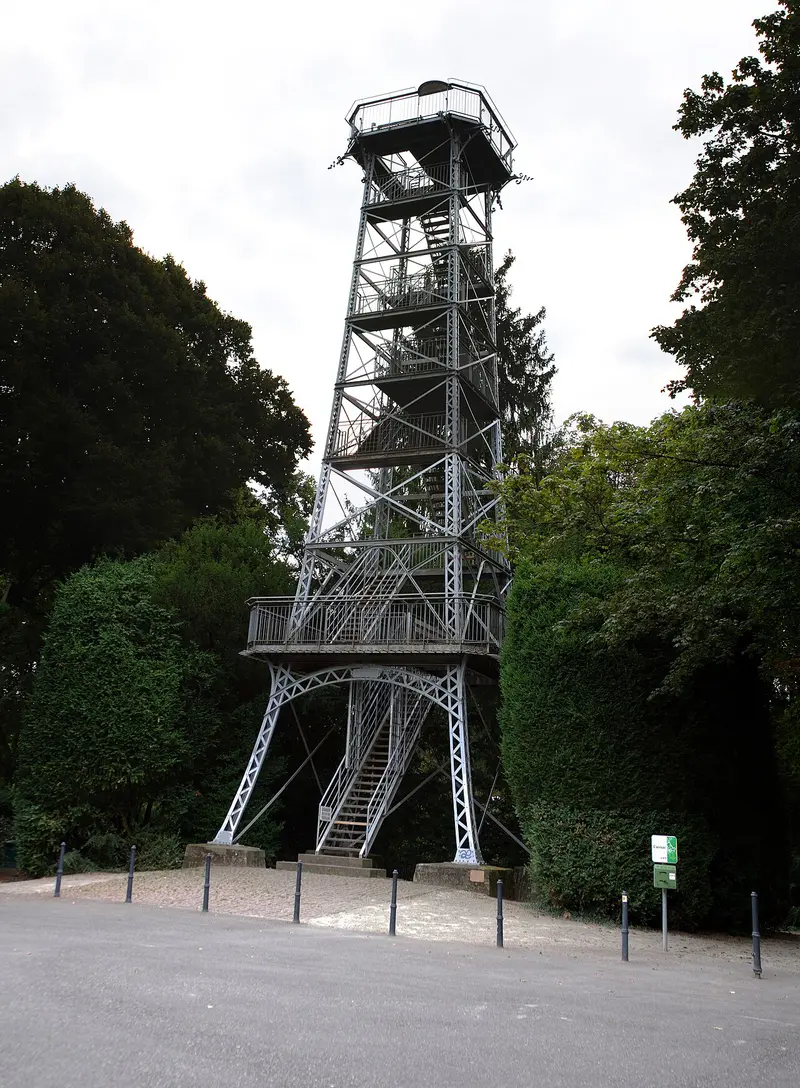
    The Tour du Belvédère, built in 1898 by the Club Vosgien de Mulhouse, is a historic observation tower that rises majestically above the city of Mulhouse. Originally designed to offer the population a wide view of the region, this tower testifies to the local community's appreciation for its natural environment and the surrounding landscape. You reach the tower after a short, pleasant walk through the fir forest, making the visit a small nature experience.After ascending a spiral staircase with around 120 steps, you reach the upper platform. From there, an impressive 360-degree panorama unfolds before you. You look out over the rooftops of Mulhouse, and on clear days, you can make out the contours of the Vosges Mountains to the west, the Black Forest to the east, and even the foothills of the Jura to the south. Our tip: Choose a day with good long-distance visibility for your visit, ideally in the morning, to take advantage of the best lighting conditions for photos and to avoid the crowds. The observation platform offers excellent subjects for landscape photography.
    Open in Google Maps

    Historisches Museum Rathaus

    The Historical Museum, housed in Mulhouse's former city hall, is a central starting point for exploring the city's rich history. The building itself, a splendid example of the Rhenish Renaissance, was erected in the 16th century and long served as the seat of government for the former Free Republic of Mulhouse. Its colorful facade, adorned with impressive trompe-l'œil paintings, already tells stories of past eras from the outside and is an architectural highlight. Inside the museum, you'll delve deep into Mulhouse's development. The exhibitions present a diverse collection of artifacts, ranging from medieval city history and its flourishing period as a textile metropolis to local traditions. Here, you'll find exhibits that illuminate the city's political, social, and economic life across centuries. Pay special attention to the detailed depictions of city life and the testimonies of the Industrial Revolution, which significantly shaped Mulhouse. Our tip: To view the exhibits at your leisure and appreciate the interior architecture, a morning visit is recommended. For impressive photos of the facade and the entire ensemble, Place de la Réunion is the ideal vantage point.
    Open in Google Maps

    Saint-Étienne

    The Saint-Étienne Church on Place de la Réunion is Mulhouse's defining landmark. The current Neo-Gothic building was constructed between 1859 and 1866, after its medieval predecessor fell victim to a fire in 1857. Inside, you'll find impressive architecture with high vaults, typical of 19th-century style. Particularly noteworthy are the stained-glass windows: some valuable 14th-century panes were saved, while others were newly created in the 19th century. As the main church of the Protestant community, it testifies to Mulhouse's rich religious history. Our Tip: Visit the church in the morning for optimal light on the colorful stained-glass windows. A peaceful visit is possible outside of service hours.
    Open in Google Maps

    Museum für bildende Künste in Mulhouse

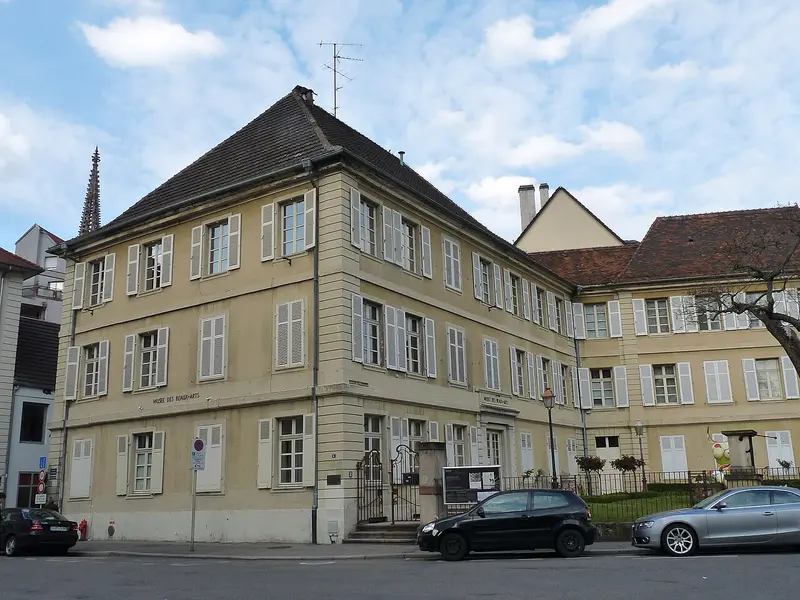
    The Museum of Fine Arts in Mulhouse, housed in an elegant former city palace, offers you a deep insight into the art history of the region and beyond. Since its founding in the late 19th century, it has collected and presented works that reflect the cultural development of Alsace. Here you will find a diverse collection of paintings and sculptures, mainly from the 19th and early 20th centuries, complemented by some older masterpieces. Particularly noteworthy are the works by regional artists, often depicting local landscapes and portraits. The museum's calm atmosphere allows you to view the exhibits at your leisure. Our Tip: Visit the museum in the morning to explore the collections in a relaxed atmosphere and appreciate the often impressive architecture of the building itself. For a special detail, pay attention to the fine carvings and stucco work inside the palace, which are often overlooked.
    Open in Google Maps

    City walks in Mulhouse

    Curated walking tours through the city's highlights — handpicked by experienced travel journalists.

    Mulhouse im Herzen: Ein charmanter Spaziergang durch die Altstadt

    Entdecken Sie Mulhouses faszinierende Geschichte und seinen einzigartigen Charme auf diesem 2-stündigen Spaziergang. Von Renaissance-Pracht bis zu malerischen Gassen – tauchen Sie ein in das Herz der einstigen Freien Republik.

    In Google Maps öffnen
    Stopps (6)

    Dining & Drinks

    History and Culture of Mulhouse

    Mulhouse, once a **Free Imperial City** and republic within the Holy Roman Empire, boasts a unique historical development, leading up to its voluntary integration into France in 1798. This past shaped the city as a hub for textile trade and industrial innovation, particularly through **cotton printing**.The architecture of the old town testifies to this rich history, with the magnificent **City Hall (Hôtel de Ville)** in the Rhenish Renaissance style standing out as the most striking example, impressing with its painted facades. Besides historic townhouses, Mulhouse also features early examples of industrial architecture and social housing concepts, such as the 19th-century Cité Ouvrière.Culturally, Mulhouse is strongly influenced by its industrial heritage. Numerous museums like the **Cité de l'Automobile**, the Cité du Train, and the Musée de l'Impression sur Étoffes document this history and its impact on art and technology. The city also cultivates vibrant Alsatian traditions, reflected in its cuisine and local festivals, while a dynamic modern art scene, often visible in urban murals, is simultaneously present.

    Getting Around Here

    In Mulhouse, the best way to get around is by its excellent public transport system. A dense network of trams and buses allows for efficient exploration of the city and its surroundings.Many central attractions are also easily accessible on foot, and cycling is very popular.

    Accommodations in Mulhouse

    Accommodations in Mulhouse

    Find perfect stay in Mulhouse

    Booking.com
    Search Hotels
    Agoda
    Search Hotels
    Airbnb
    Vacation Rentals
    Hotels.com
    Hotels Worldwide
    Hostelworld
    Hostels

    Campgrounds in Mulhouse

    Find perfect campground in Mulhouse

    Search via Google Maps
    Campgrounds nearby (15km)
    Camping.info
    Find Campgrounds
    Park4Night
    RV Parks & Camping

    Plan your trip to Mulhouse

    Save places, build a route and plan your city trip — all in one place.

    Save places

    Bookmark sights, restaurants and neighborhoods you're interested in.

    Build your route

    Turn your bookmarks into a route — define order, days and budget.

    Refine with AI

    Let Mein Fernweh suggest experiences and put together a tailored daily plan.

    Start trip planningOpen bookmarks

    Locations nearby

    These places are nearby — perfect for additional days or a day trip.

    Eguisheim

    Eguisheim

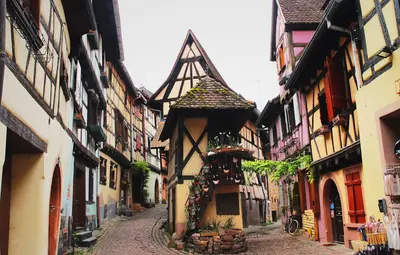
    Welcome to Eguisheim, often crowned as one of **France's most beautiful villages**, where a magical labyrinth of cobblestone streets awaits you, winding in concentric circles around its historic center. Immerse yourself in the picturesque setting of Alsace, characterized by flower-adorned half-timbered houses and an unmistakable atmosphere that invites dreaming and transports you to a bygone era.
    Alsace

    Alsace

    Welcome to Alsace, a region of France that will enchant you with its unique blend of German and French culture! Here you'll find picturesque wine villages, historic towns with half-timbered houses, and unparalleled hospitality that you'll feel everywhere. Let yourself be captivated by the culinary delights and the rich history of this fascinating border region.
    Colmar

    Colmar

    Colmar, located in Alsace, captivates with its picturesque old town and the unique blend of French and German culture. Here you'll find well-preserved half-timbered houses, winding alleys and canals, which have earned Colmar the nickname "Little Venice" (La Petite Venise). A central highlight is the Musée Unterlinden, home to the famous Isenheim Altarpiece and making art history accessible. Stroll through the Fischermarkt quarter and along the Lauch River to experience the idyllic scenery, or visit the historic Koïfhus. The city is also an excellent starting point for the Alsatian Wine Route. You can best explore Colmar on foot or by boat; the spring and autumn months are ideal for a visit to avoid crowds.
    Riquewihr

    Riquewihr

    Riquewihr, a picturesque village on the Alsatian Wine Route, captivates with its exceptionally well-preserved medieval architecture. The main street, Rue du Général de Gaulle, leads you past colorful half-timbered houses and historic buildings that reflect the rich heritage of the place. Particularly striking is the Dolder Tower, a former 13th-century defensive gate that now houses a museum and offers insights into the local history. Here you will find numerous wine taverns and shops offering local products and the famous Alsatian wine. To experience the authentic atmosphere away from the main thoroughfare, we recommend exploring the smaller alleys and courtyards. A visit in spring or autumn, outside the high season, allows for a calmer experience of the historic setting and wine tastings.
    Ribeauvillé

    Ribeauvillé

    Welcome to Ribeauvillé, a picturesque gem on the Alsace Wine Route, where history, wine, and charming half-timbered architecture combine to create an unforgettable experience. Immerse yourself in the medieval atmosphere of this flower-decked town, which will immediately captivate you with its narrow streets and the majestic ruins of its three castles perched high above the vineyards. Here, you'll feel the spirit of Alsace with every step!