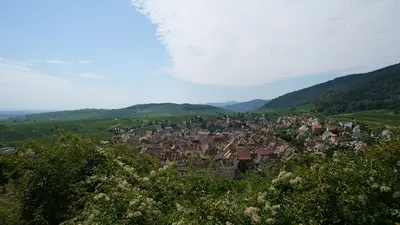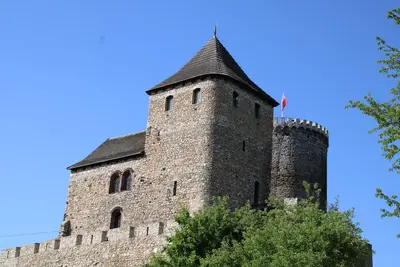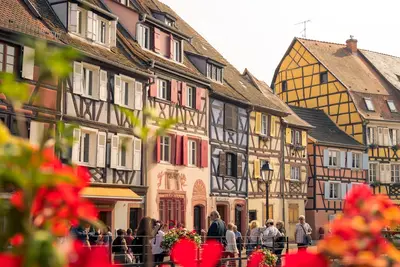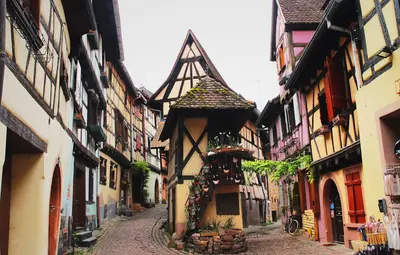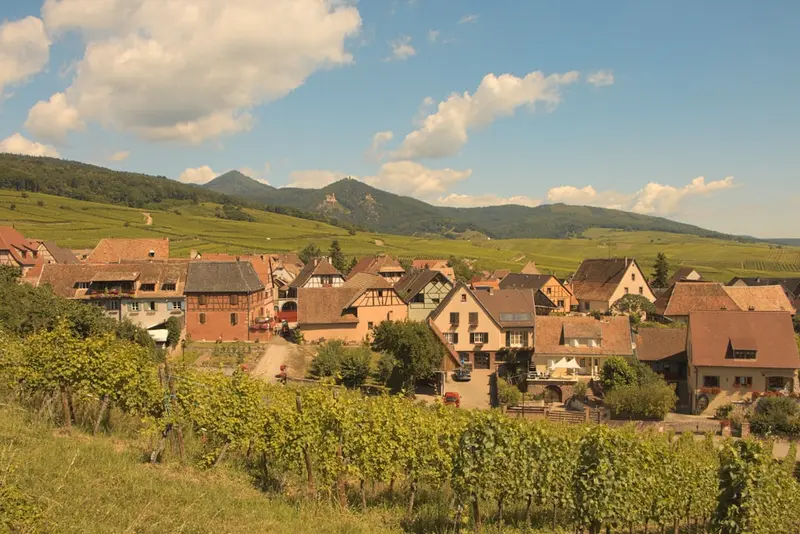
The Alsace Wine Route (Route des Vins d'Alsace) is France's oldest wine route and stretches over 170 kilometers through picturesque scenery. You'll pass through charming villages like Riquewihr, Eguisheim, and Kaysersberg, famous for their well-preserved half-timbered houses and flower-adorned streets. The region is renowned for dry white wines such as Riesling and Gewürztraminer, which you can sample directly from numerous winemakers on-site, often at historic wineries. The unique cultural blend of French and German influences shapes the architecture and gastronomy along this route, whose history dates back to the Middle Ages. For an authentic experience, a visit in autumn during the grape harvest or in spring is recommended; for wine tastings, it's best to plan for public transport or a guided tour.
Places in The Alsace Wine Route
Discover the most important sights and attractions
Sights in The Alsace Wine Route
1Spa Ribeauvillé
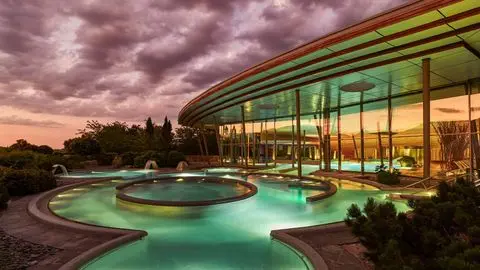
The Spa Ribeauvillé, nestled in the picturesque landscape of the Alsace Wine Route, offers you a modern interpretation of traditional bath culture. Here you'll find extensive facilities designed for relaxation and well-being. Its architecture harmoniously blends into the regional surroundings, not by imitating historical buildings, but by impressing with clear lines and natural materials. You can enjoy various indoor and outdoor pools, fed by thermal water, often offering views of the surrounding vineyards.Expect a variety of saunas, steam baths, and relaxation areas that invite you to linger. The thermal water, originating from the depths of the Vosges, is renowned for its mineral properties, valued in the region for centuries. It's not a historical healing spa in the classic sense, but a contemporary wellness center built upon this tradition. Our Tip: Visit the spa on a weekday morning to avoid the largest crowds and fully savor the tranquility. For a special experience, we recommend using the outdoor area at sunset, when the vineyards are bathed in warm light.
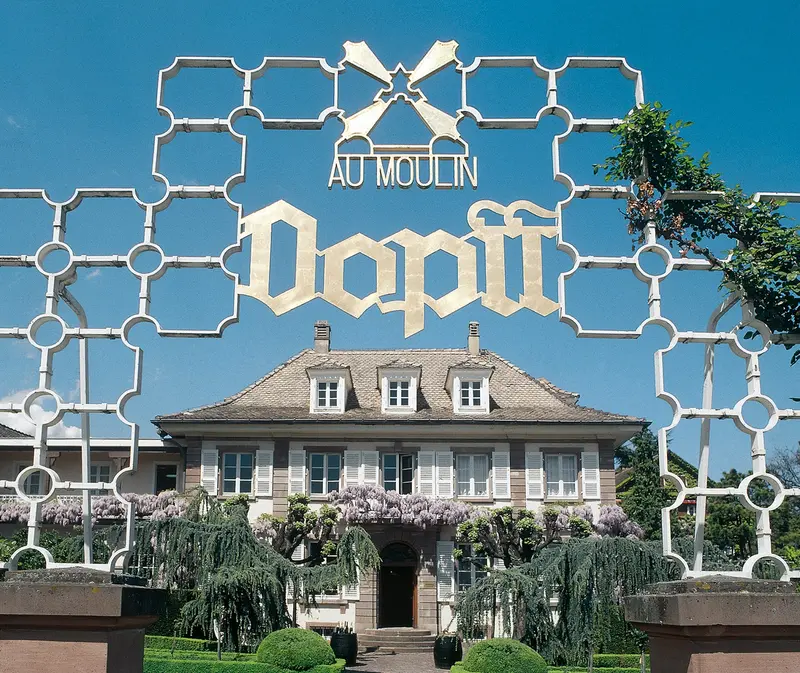
The Domaine DOPFF AU MOULIN, deeply rooted in the picturesque Alsace Wine Route, represents a long winemaking tradition dating back to 1574. As one of the region's oldest wineries, it has significantly shaped the development of Alsatian wine. You'll find the estate in Riquewihr, one of France's most beautiful villages, which further enriches your visit. DOPFF AU MOULIN is particularly renowned for its role in establishing Crémant d'Alsace, the region's high-quality sparkling wine. During a visit, you can take part in a guided tour through the historic cellars and taste the various wines, including Riesling, Gewürztraminer, and Pinot Gris. The Dopff family has passed down their knowledge and passion for winemaking over generations, which is reflected in the quality of their products. Our Tip: Book a tasting in advance, especially during high season, to avoid waiting times. Combine your visit with a stroll through Riquewihr to fully experience the historic ambiance. Morning hours often offer a quieter atmosphere for tasting.
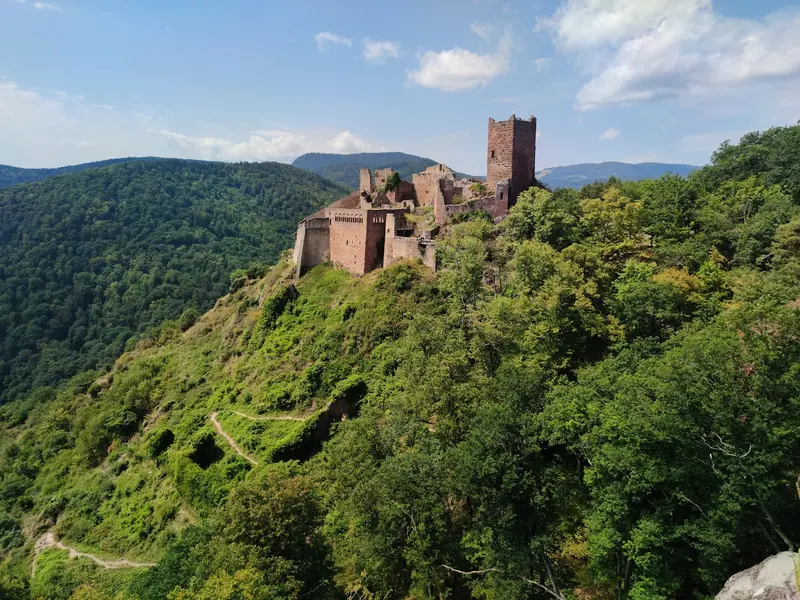
The Ulrichsburg, also known as Château de Saint-Ulrich, majestically overlooks Ribeauvillé on the Alsace Wine Route and is the oldest and most significant of the three castles of the Lords of Ribeaupierre. Its origins date back to the 11th century, with the ruins visible today primarily stemming from the 13th and 15th centuries. Here you will find the remains of an imposing keep, residential buildings, and a chapel, bearing witness to the former power of the noble family. The castle was severely damaged during the Thirty Years' War and has since been a ruin, yet it has retained its charm. From the Ulrichsburg, you can enjoy a spectacular panoramic view over the Rhine plain, the Vosges, and on a clear day, even as far as the Black Forest. The ascent to the castle is via well-marked hiking trails that lead through the vineyards, making the journey itself an experience. To avoid the crowds and get the best light for photos, an early morning or late afternoon visit is recommended. Sturdy footwear is essential for the ascent.
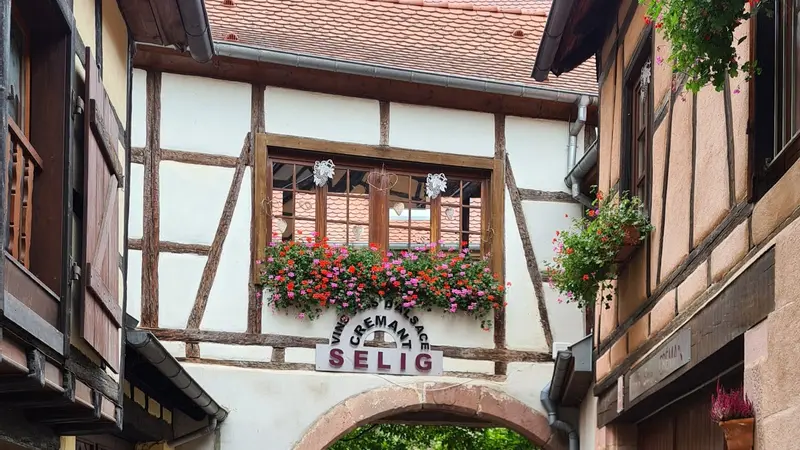
Located on the picturesque Route des Vins d'Alsace, the Sélig Jean-Michel winery represents the region's deep roots in viticulture. Here, you'll experience the centuries-old tradition of Alsatian winemaking up close. The winery is known for its carefully cultivated grape varieties, particularly Riesling, Gewürztraminer, and Pinot Gris, which thrive on the unique terroirs of the surroundings. During a visit, you can take part in a tasting, where the specific characteristics of each wine will be explained to you. Often, you also have the opportunity to glimpse into the historic cellars and learn more about the wine ageing process. The Sélig Jean-Michel family values sustainable cultivation and the preservation of the regional character of their products. Our Tip: Plan your visit outside the summer peak season to receive a more personal guided tour. For impressive photos of the vineyards, early morning or late afternoon is recommended, when the light is particularly soft.
The history of the Route des Vins d'Alsace is deeply rooted in a complex past, ranging from the Roman Empire to the shifting allegiances between France and the Holy Roman Empire. Viticulture was already established by the Romans in this region and experienced its first golden age in the Middle Ages.The architecture along the Wine Route is characterized by charming, well-preserved villages with their characteristic half-timbered houses, narrow streets, and often fortified city walls. Romanesque and Gothic churches, as well as Renaissance elements, bear witness to the various eras Alsace has experienced.Local traditions reflect the unique blend of French and German culture. These include the continued use of the Alsatian dialect, traditional wine festivals like the Fête du Vin, and a gastronomy that combines specialties such as Flammkuchen and Choucroute. These cultural characteristics make the region a living testament to its multifaceted history and identity.
Getting around here
Exploring the picturesque Alsace Wine Route requires a tailored mobility strategy, as there is no subway system in the region. However, the charming wine villages along the route are excellent for exploring on foot, allowing for an immersive experience of the local atmosphere. For longer distances or convenient access to more secluded wineries, a personal vehicle or rental car is the most flexible and often recommended option. Alternatively, regional bus lines of TER Fluo Grand Est connect many of the towns, though timetables, especially on weekends, should be checked in advance.Biking is an ideal way to experience the vineyards up close; numerous rental stations offer both regular bicycles and e-bikes, which make climbing gentle hills easier. In larger cities like Colmar or Obernai, there are also local bus and sometimes tram networks (e.g., Trace in Colmar) that provide good access to the city center. Taxis are available in larger towns, but may require advance booking outside metropolitan areas. A combination of walking, cycling, and the strategic use of rental cars or regional buses ensures an unforgettable experience.
These places are nearby — perfect for additional days or a day trip.
Ribeauvillé
Welcome to Ribeauvillé, a picturesque gem on the Alsace Wine Route, where history, wine, and charming half-timbered architecture combine to create an unforgettable experience. Immerse yourself in the medieval atmosphere of this flower-decked town, which will immediately captivate you with its narrow streets and the majestic ruins of its three castles perched high above the vineyards. Here, you'll feel the spirit of Alsace with every step!
Riquewihr
Riquewihr, a picturesque village on the Alsatian Wine Route, captivates with its exceptionally well-preserved medieval architecture. The main street, Rue du Général de Gaulle, leads you past colorful half-timbered houses and historic buildings that reflect the rich heritage of the place. Particularly striking is the Dolder Tower, a former 13th-century defensive gate that now houses a museum and offers insights into the local history. Here you will find numerous wine taverns and shops offering local products and the famous Alsatian wine. To experience the authentic atmosphere away from the main thoroughfare, we recommend exploring the smaller alleys and courtyards. A visit in spring or autumn, outside the high season, allows for a calmer experience of the historic setting and wine tastings.
Château du Haut-Kœnigsbourg
This imposing fortress perches majestically on a rock, offering a spectacular panoramic view over the Rhine Plain and the Vosges.
Alsace
Welcome to Alsace, a region of France that will enchant you with its unique blend of German and French culture! Here you'll find picturesque wine villages, historic towns with half-timbered houses, and unparalleled hospitality that you'll feel everywhere. Let yourself be captivated by the culinary delights and the rich history of this fascinating border region.
Colmar
Colmar, located in Alsace, captivates with its picturesque old town and the unique blend of French and German culture. Here you'll find well-preserved half-timbered houses, winding alleys and canals, which have earned Colmar the nickname "Little Venice" (La Petite Venise). A central highlight is the Musée Unterlinden, home to the famous Isenheim Altarpiece and making art history accessible. Stroll through the Fischermarkt quarter and along the Lauch River to experience the idyllic scenery, or visit the historic Koïfhus. The city is also an excellent starting point for the Alsatian Wine Route. You can best explore Colmar on foot or by boat; the spring and autumn months are ideal for a visit to avoid crowds.