Fernweh: Home
ExploreGuideDestinationsMy tripsMy trip
de|en
All Places & RegionsRound tripsNight trains in EuropeAll highlightsAbout FernwehFAQPrivacy PolicyImprint
Download on the App StoreGet it on Google Play
ExploreGuideDestinationsMy tripsMy trip
    • Places & highlights
    • Recommendations
    • Tours
    • Eat & drink
    • Culture
    • Getting around
    • Accommodation
    • Round trips
    • Nearby
    Curonian Spit

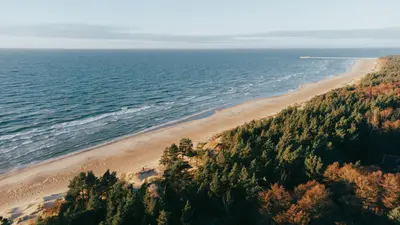
    Photo by Artūras Kokorevas on Pexels

    Lithuania

    Curonian Spit

    Point of Interest

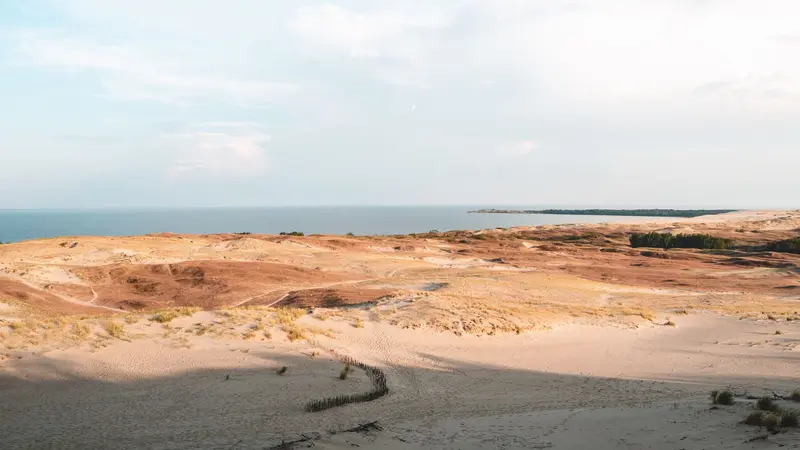
    The 98 km long sand spit, barely a kilometer wide in parts, separates the Curonian Lagoon from the Baltic Sea and has been a UNESCO World Heritage Site since 2000.

    by Felix Gillen

    1. Home
    2. Destinations
    3. Lithuania
    4. Lithuanian Baltic Coast
    5. Curonian Spit
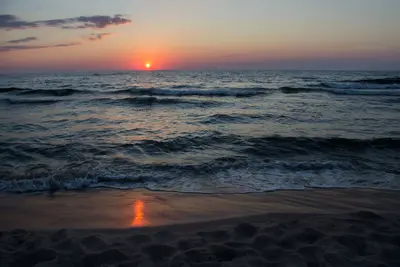
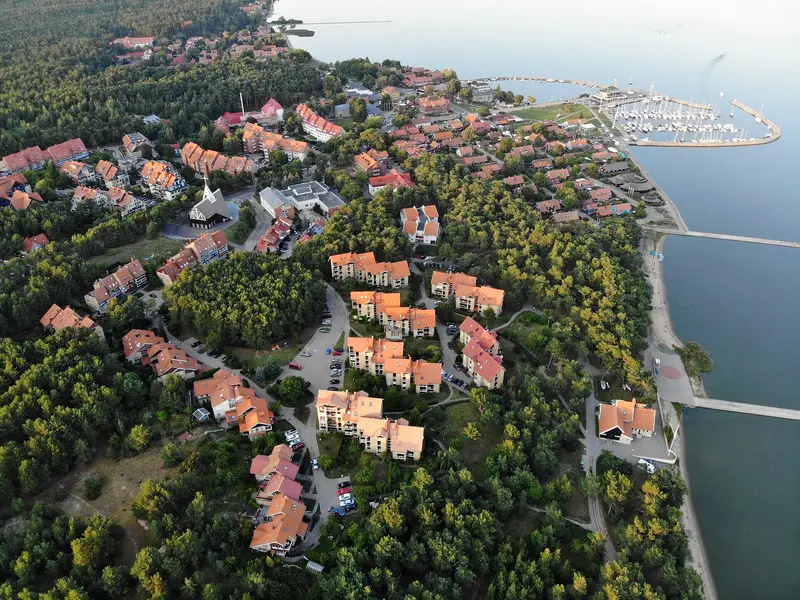
    The 98 km long sand spit, barely a kilometer wide in parts, separates the Curonian Lagoon from the Baltic Sea and has been a UNESCO World Heritage Site since 2000. Pine forests, high dunes, beaches, and old fishing villages like Juodkrantė, Pervalka, Preila and Nida characterize the Lithuanian part, the Curonian Spit National Park; the south belongs to the Russian exclave Kaliningrad.
    Lithuania travel guideSee the round tripPlan a trip with Curonian Spit

    Contents

    • Places & highlights
    • Recommendations
    • Tours
    • Eat & drink
    • Culture
    • Getting around
    • Accommodation
    • Round trips
    • Nearby

    More places in Curonian Spit

    Nida

    LinasD·CC BY-SA 4.0

    Nida

    The former fishing village of Nida (German: Nidden) is the main settlement on the Curonian Spit, located just a few kilometers from the border with the Russian exclave of Kaliningrad. Above the village rises the Parnidis Dune, colorful wooden houses line the lagoon shore, and on Mother-in-law's Hill, Thomas Mann had his summer house built in 1930.

    Sights in Curonian Spit

    Discover the most important sights and attractions

    Museum

    1Nagliai Nature Reserve and Dead Dunes

    At Kilometer 32 on the road from Smiltynė to Nida, a nature trail begins through the Nagliai Nature Reserve near Pervalka. From the Nagliai Dune, you get a panoramic view of the so-called Dead Dunes. Stay on the marked paths; the dunes are protected.
    Open in Google Maps
    Hexenberg (Raganų kalnas)

    Fry72 / Wikimedia Commons / CC BY-SA 4.0, mod.

    Theme Park

    2Hexenberg (Raganų kalnas)

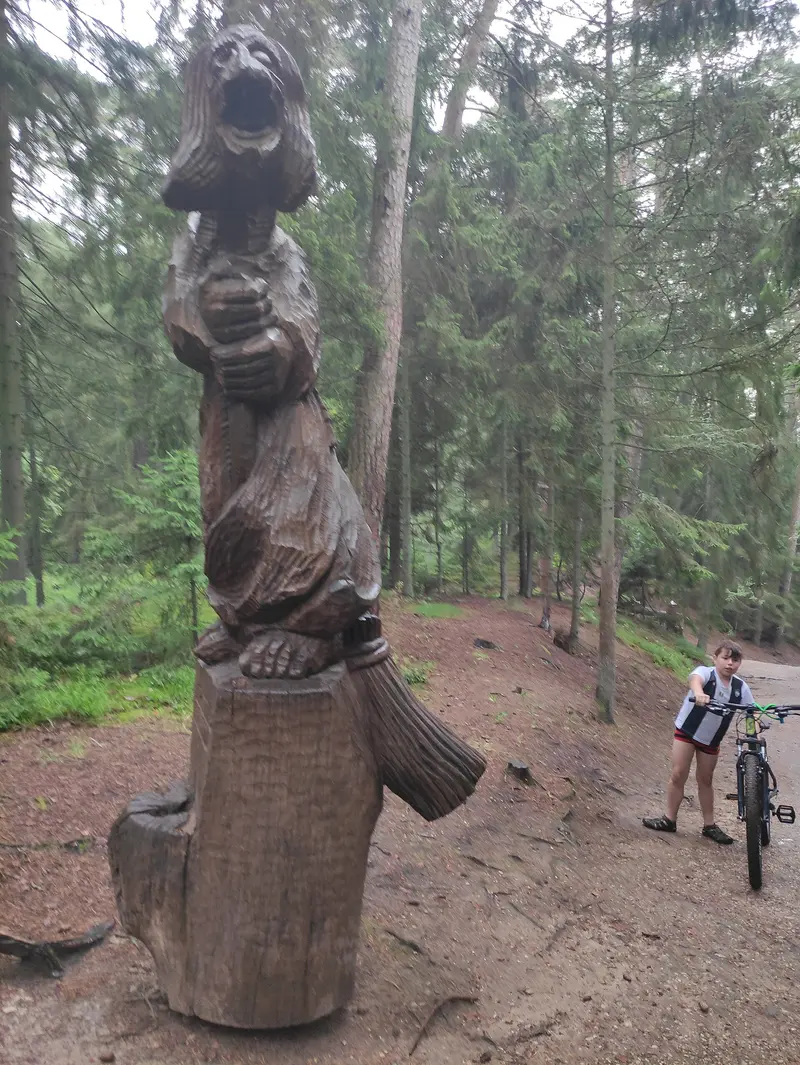
    On a wooded hill in Juodkrantė, a sculpture trail features carved figures of devils, witches, and other characters from sagas and tales. Especially with children, a fun walk; freely accessible.
    Open in Google Maps
    Vecekrugas Dune

    Derbrauni / Wikimedia Commons / CC BY 4.0, mod.

    Park

    3Vecekrugas Dune

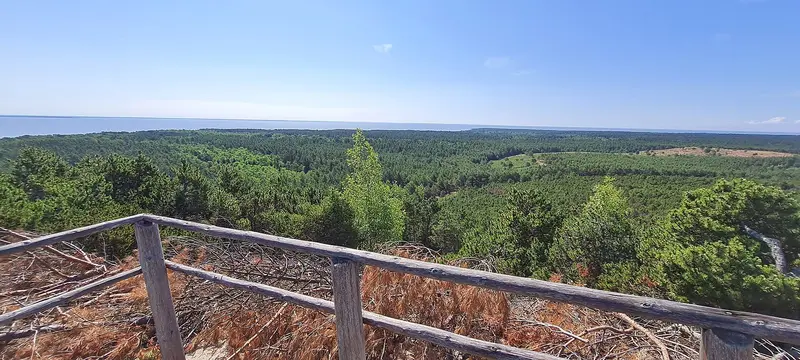
    The dune lies on the route between Nida and Preila; the climb is worth it for the views over the lagoon, forest, and spit. It integrates well into a bike tour on the cycle path between Nida and Juodkrantė.
    Open in Google Maps
    Cormorant and Grey Heron colony near Juodkrantė

    Andrzej Otrębski / Wikimedia Commons / CC BY-SA 4.0, mod.

    4Cormorant and Grey Heron colony near Juodkrantė

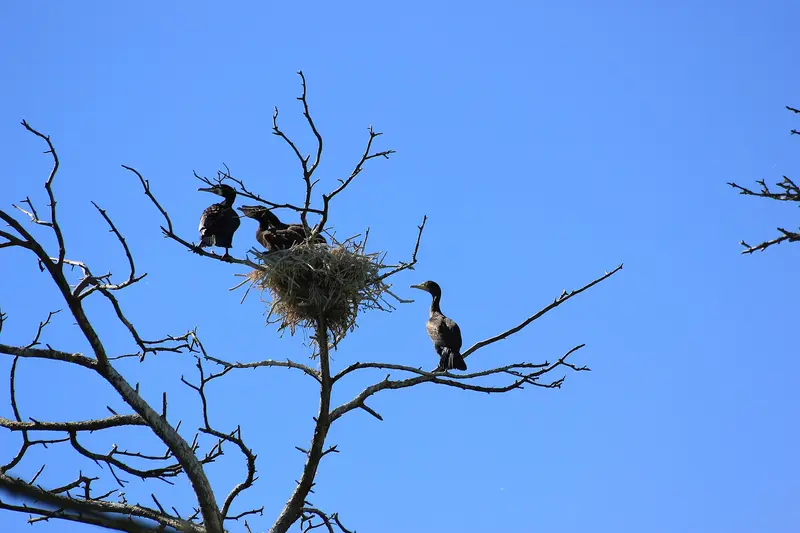
    At Juodkrantė's southern edge towards Nida, on Grey Heron Hill, is one of Lithuania's largest cormorant and grey heron colonies. Grey herons have nested here since the 17th century, but cormorants now dominate: in 2021, 3,135 breeding pairs of cormorants and 228 of grey herons were counted. First cormorants return early February; by late March, the colony teems with life. Bare, whitish trees show how strongly the birds change the forest.
    Open in Google Maps

    Tours & experiences in Curonian Spit

    Search tours for Curonian Spit on GetYourGuide* (Affiliate link)On GetYourGuide, with reviews from other travellers

    * Affiliate link: if you book through it, we earn a small commission. The price stays the same for you.

    Restaurants in Curonian Spit

    1

    Žvejonė

    The popular café on Juodkrantė's main street, according to Neringa Tourism Office, mainly cooks local fish and simple snacks, all in a friendly atmosphere. A good stop on your journey across the Spit. Off-season, it's often only open on weekends; check beforehand.
    Show on Google Maps

    Nature and history of the spit

    Shifting dunesThe spit has been inhabited since prehistoric times. Heavy logging in the 17th and 18th centuries set the dunes moving towards the lagoon, burying the oldest villages. Since the 19th century they have been stabilised with a protective foredune along the coast and with planting, for example of mountain pines, work that continues today. The spit is also an important bird migration route.Fishermen, artists, summer guestsSome fishing villages became resorts with lighthouses, piers and villas. Painters were drawn here around 1900, and in 1930 Thomas Mann had a summer house built in Nida. Fishing still shapes the spit: the villages smell of smoked fish, and eel, bream, perch and smelt are sold in cafés and smokehouses.Border with RussiaSouth of Nida runs the roughly 4 km land border with the Russian exclave of Kaliningrad. The crossing is closed to private travellers and the border is not fenced along its full length. Check the current UK FCDO Travel Advice: crossing the border by even a few metres, whether hiking, paddling or swimming, can lead to arrest.

    Getting Here & Around

    Across the LagoonBy Foot and Bicycle: Passenger ferries from Klaipėda's Old Ferry Terminal to Smiltynė run every 30 minutes in peak season, hourly otherwise.By Car: Car ferries from the New Ferry Terminal (Nemuno g. 8) depart every 20-30 minutes. Expect queues in mid-summer.Environmental Fee: At the Alksnynė checkpoint (Smiltynė to Nida road, km 10), internal combustion vehicles pay an entry fee for the National Park; electric cars are exempt. Current tariffs at Visit Neringa.Bus and BicycleA regular bus connects Smiltynė to Nida several times daily, via Juodkrantė, Pervalka, and Preila; the journey takes about one hour. Buses are equipped with bike racks. Bicycles can be rented in Nida and Juodkrantė; a cycle path connects the villages, and the Baltic Coastal Trail also runs along the coast.Best Time to VisitJune to August is swimming and peak season, meaning full ferries and car parks. May and September are quieter, ideal for hiking and cycling.

    Accommodations in Curonian Spit

    Find perfect stay in Curonian Spit

    Booking.com* (Affiliate link)
    Search Hotels
    Agoda* (Affiliate link)
    Search Hotels
    Airbnb
    Vacation Rentals

    * Affiliate link: if you book through it, we earn a small commission. The price stays the same for you.

    Campgrounds in Curonian Spit

    Find perfect campground in Curonian Spit

    Search via Google Maps
    Campgrounds nearby (15km)
    Camping.info
    Find Campgrounds
    Park4Night
    RV Parks & Camping

    Round trips with Curonian Spit

    From Vilnius to the Baltic Sea: Lithuania in Ten Days

    From Vilnius to the Baltic Sea: Lithuania in Ten Days

    The route connects the capital Vilnius with Trakai Island Castle, modernist Kaunas, the Hill of Crosses, and the Baltic Sea coast with Klaipėda and the Curonian Spit. Most stages can be covered by train, bus, and ferry; a rental car makes the section via Šiauliai easier. At the end, take the overnight ferry from Klaipėda back to Kiel.

    11 Days
    7 stops
    Open jaw

    Pofka·CC BY-SA 4.0

    Nearby

    Lithuanian Baltic Coast

    Lithuanian Baltic Coast

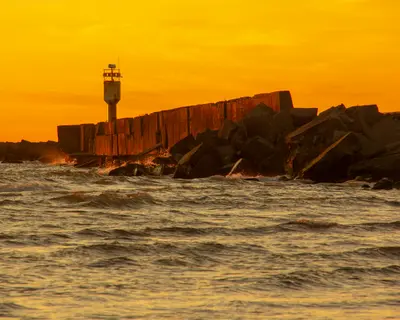
    The Lithuanian coast is only about 90 km long, but with the Curonian Spit, it offers one of the most impressive dune landscapes of the Baltic Sea. The starting point is the port city of Klaipėda, from which ferries depart for Smiltynė and Kiel; to the north lies the seaside resort of Palanga.

    Irena Tamulynienė·Pexels

    Klaipėda

    Klaipėda

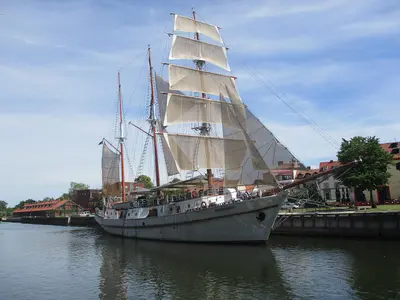
    Lithuania's third-largest city and most important port, formerly Memel, lies at the mouth of the Danė into the Curonian Lagoon. The small old town with Theater Square and the Ännchen von Tharau Fountain, the promenade along the Danė with the sailing ship Meridianas, and many sculptures characterize the center; from here, ferries depart for the Curonian Spit and Kiel.

    Turaids·CC BY-SA 4.0

    Palanga

    Palanga

    The seaside resort on the Baltic Sea coast north of Klaipėda has been one of Lithuania's most popular seaside resorts since Soviet times. In summer, the pedestrian street Basanavičiaus gatvė buzzes until late into the night; more tranquil are the beach, the coastal path through the pine forest, and Birutė Park with the Amber Museum in the Tiškevičius Counts' Palace.

    Artūras Kokorevas·Pexels

    Liepāja

    Liepāja

    Liepāja is Latvia's third-largest city, located on the open Baltic Sea in southwestern Kurzeme. The city of music, wind, and sea boasts a wide Blue Flag sandy beach, a large coastal park, the 'Great Amber' Concert Hall, and a vibrant cultural scene; in 2027, Liepāja will be a European Capital of Culture. To the north lies Karosta, the former tsarist naval port and later a restricted Soviet military zone, today one of the country's most unusual places.

    Klāvs Taimiņš·Unsplash

    Giżycko

    Giżycko

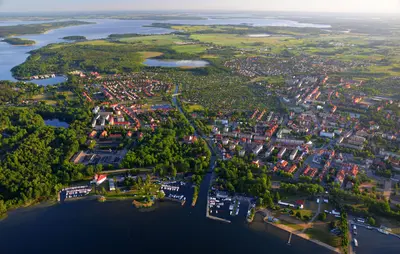
    Lötzen (Giżycko), with roughly 27,000 residents, is one of the larger towns in the Masurian Lake District. It's situated on an isthmus between Lake Löwentin (Niegocin) and the Lake Mamry system, including Lake Kisajno. First mentioned in 1340, Lötzen gained town rights in 1612 and has been connected to the rail network since 1868. On Lake Löwentin's shore are harbours, including the municipal Ekomarina, plus the town beach and adjacent park. The Lötzener Canal (Kanał Łuczański) is spanned by an 1898 swing bridge, still hand-operated today. West of town lies the extensive Boyen Fortress grounds, plus a water tower with a viewing café and Bruno's Hill with the 1909 Bruno Cross. Lötzen thrives primarily on water sports. From here, sailing trips and excursion boats depart across the large Masurian lakes, and in summer, the town hosts events like the Sea Shanty Festival.

    Dominik Kaźmierczak·Pexels

    Your next steps

    Curonian Spit is in Lithuania. Ways to carry on from here.

    • More in Lithuania

      Highlights, areas, routes and the best time to travel for all of Lithuania.

      Lithuania travel guide
    • Round trips with Curonian Spit

      One route passes through Curonian Spit, with stops, nights and a map.

      See the round trip
    • Plan a trip with Curonian Spit

      The Guide asks about season, length and who is coming, and suggests a trip with Curonian Spit.

      Plan the trip

    Sources & method

    • Photos: Wikimedia Commons, Pexels. Each photo carries its credit.
    • Place data such as addresses and ratings comes from Google Maps.
    • The content is based on web research from public, traceable sources. How the content is made · The role of AI